
Understanding Musical Intervals and Accidentals
Year 11 Music Theory Self-Paced Learning Module Building blocks of musical harmony
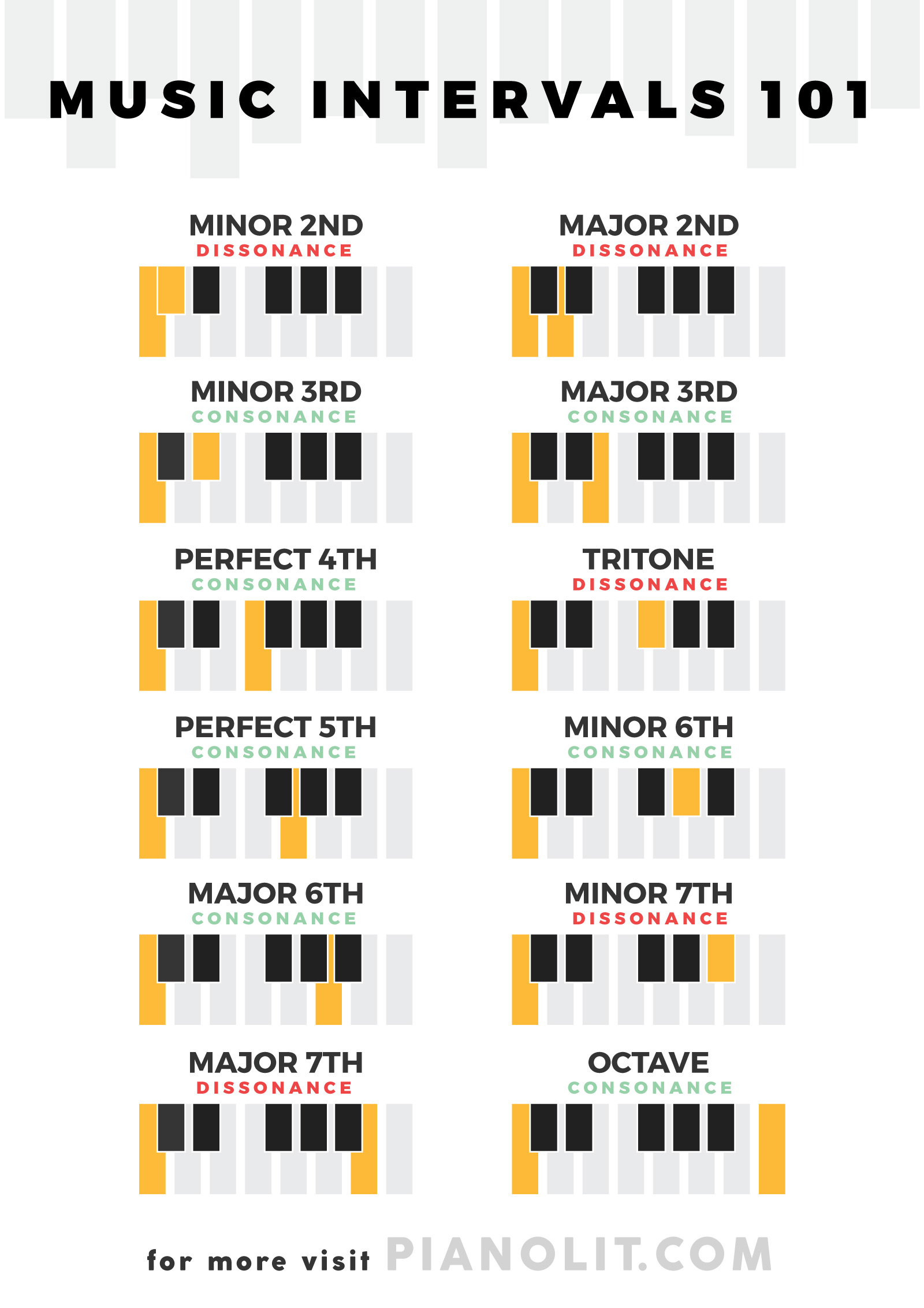
What Are Musical Intervals?
The distance between two musical notes Measured using the music alphabet: A B C D E F G Foundation for understanding harmony and melody Essential for music composition and analysis

Understanding Accidentals
Sharp (#) - raises a note by a semitone Flat (♭) - lowers a note by a semitone Natural (♮) - cancels previous sharps or flats Essential for creating different interval qualities
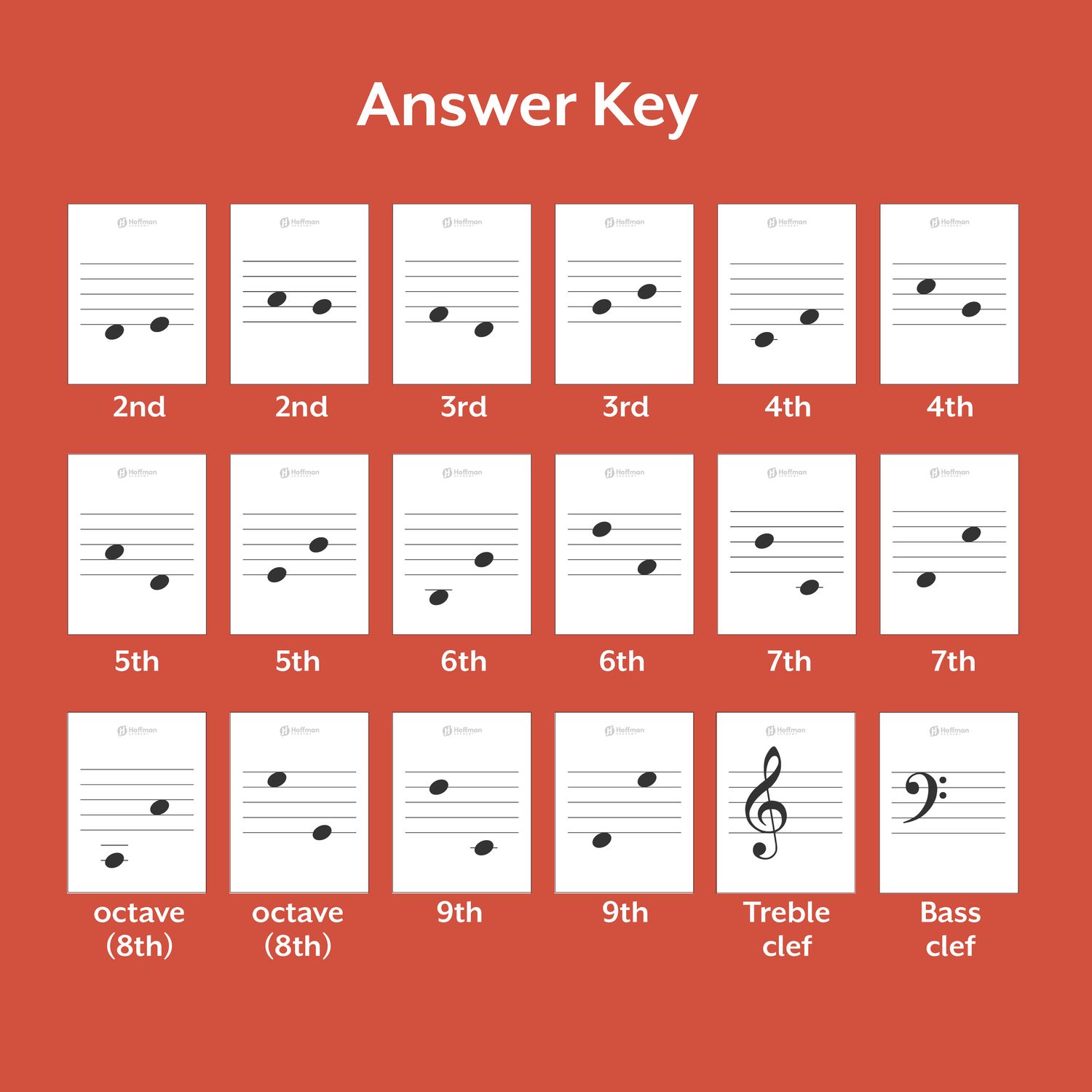
Unison and 2nd Intervals
{"left":"Unison (1st): Same note played together - Example: C to C\nMajor 2nd: Two semitones apart - Example: C to D","right":"Minor 2nd: One semitone apart - Example: C to D♭ or B to C"}
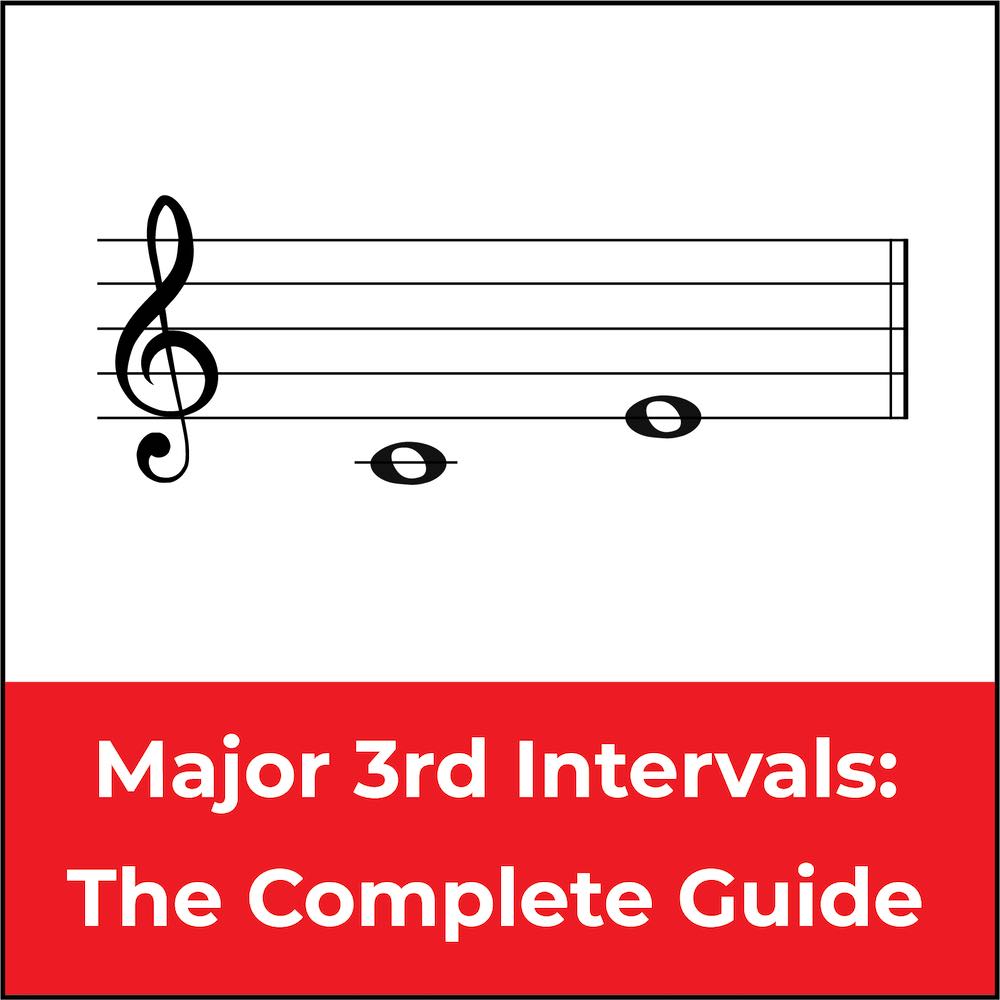
3rd Intervals - Major and Minor
{"left":"Major 3rd: Four semitones apart - Example: C to E\nMinor 3rd: Three semitones apart - Example: C to E♭","right":"These intervals create the foundation of major and minor chords\nThe difference is just one semitone but creates completely different sounds"}
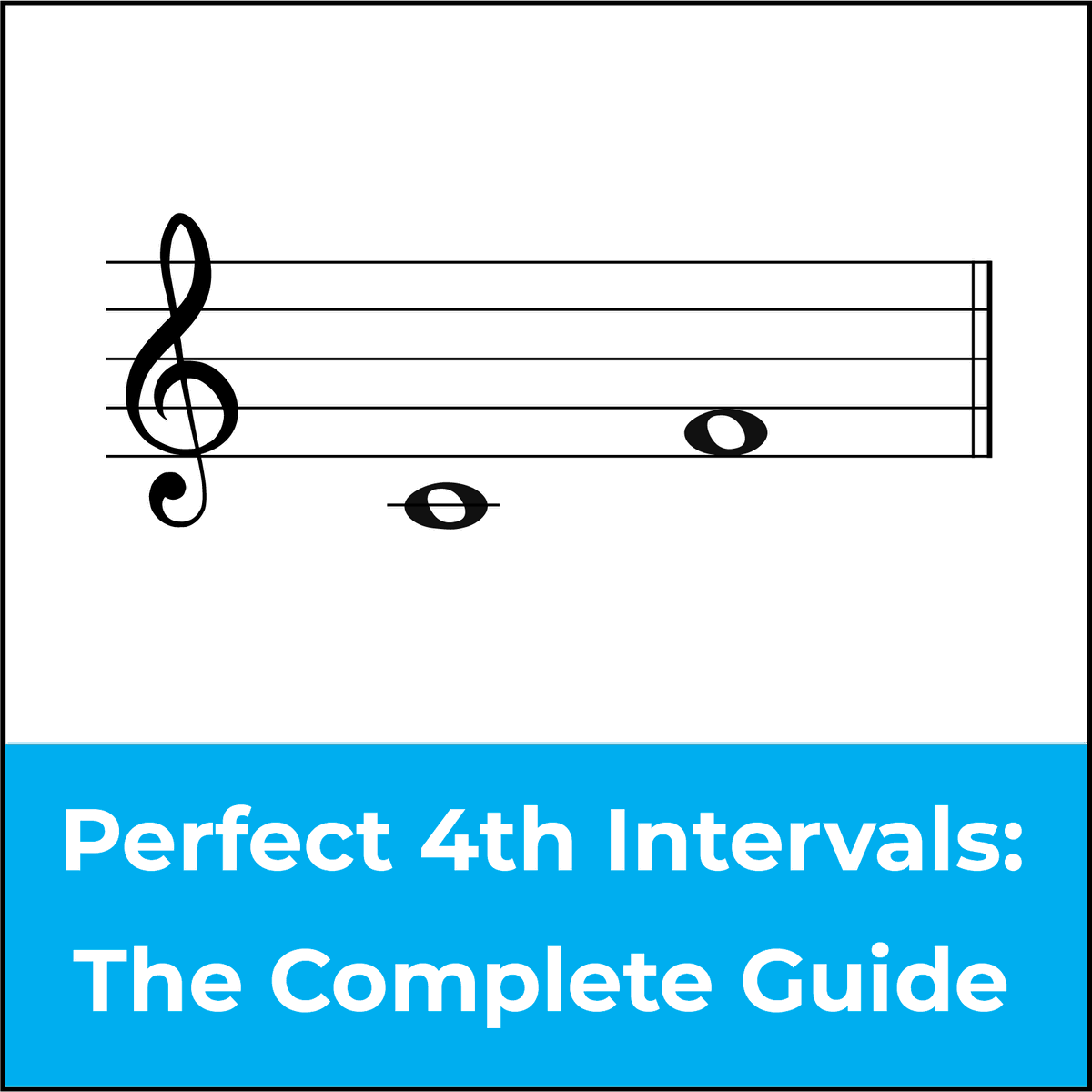
Perfect 4th and 5th Intervals
Perfect 4th: Five semitones apart - Example: C to F Perfect 5th: Seven semitones apart - Example: C to G Called 'perfect' because they sound very stable and consonant These intervals form the backbone of most musical harmony