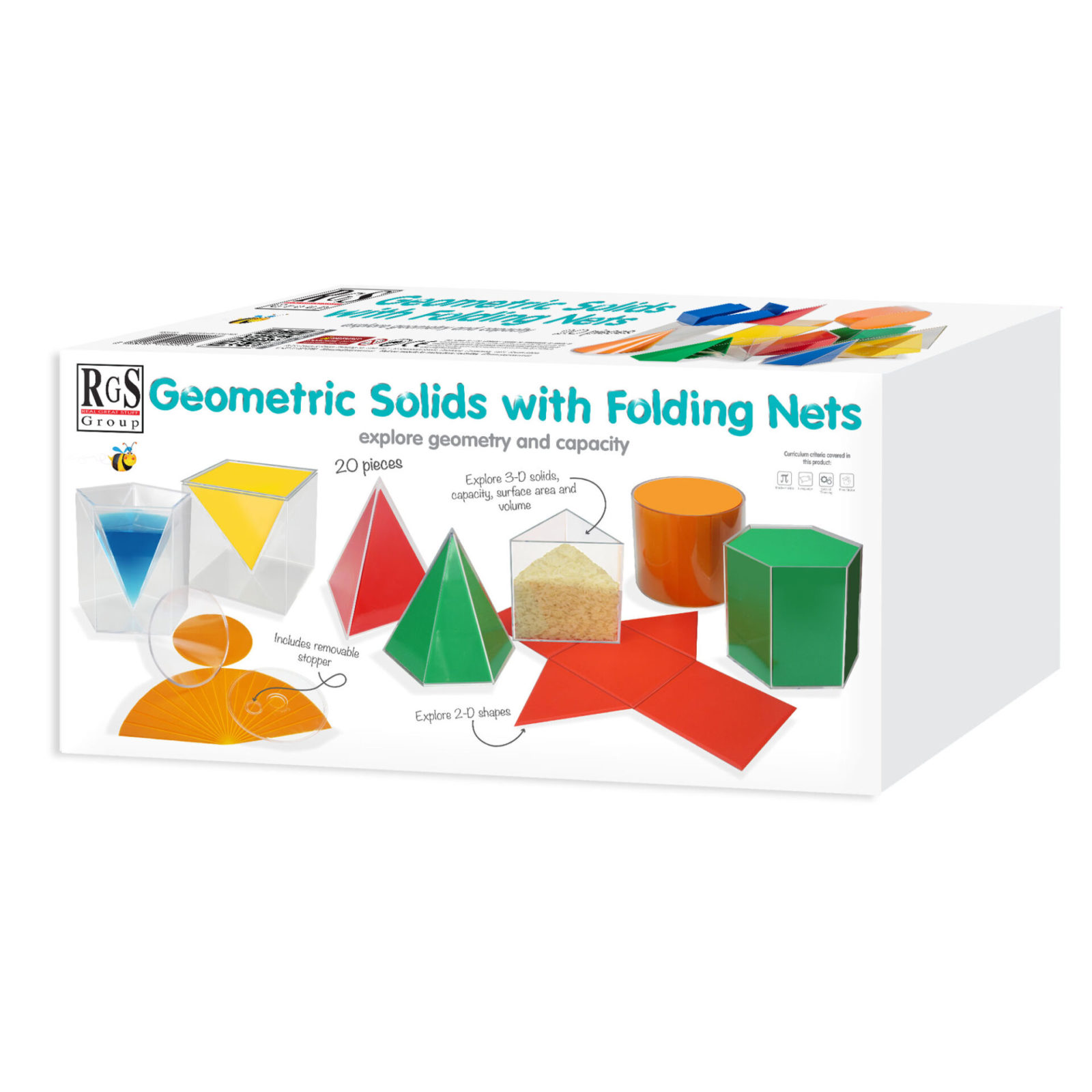
Unfolding 3D Shapes From Nets
Year 9 Technology & Mathematics Understanding 2D Layouts of 3D Objects From Flat Patterns to Three-Dimensional Models

How Can We Represent a 3D Shape on a Flat Surface?
Think about packaging you see every day How do manufacturers create boxes from flat cardboard? What challenges might arise when folding flat patterns?
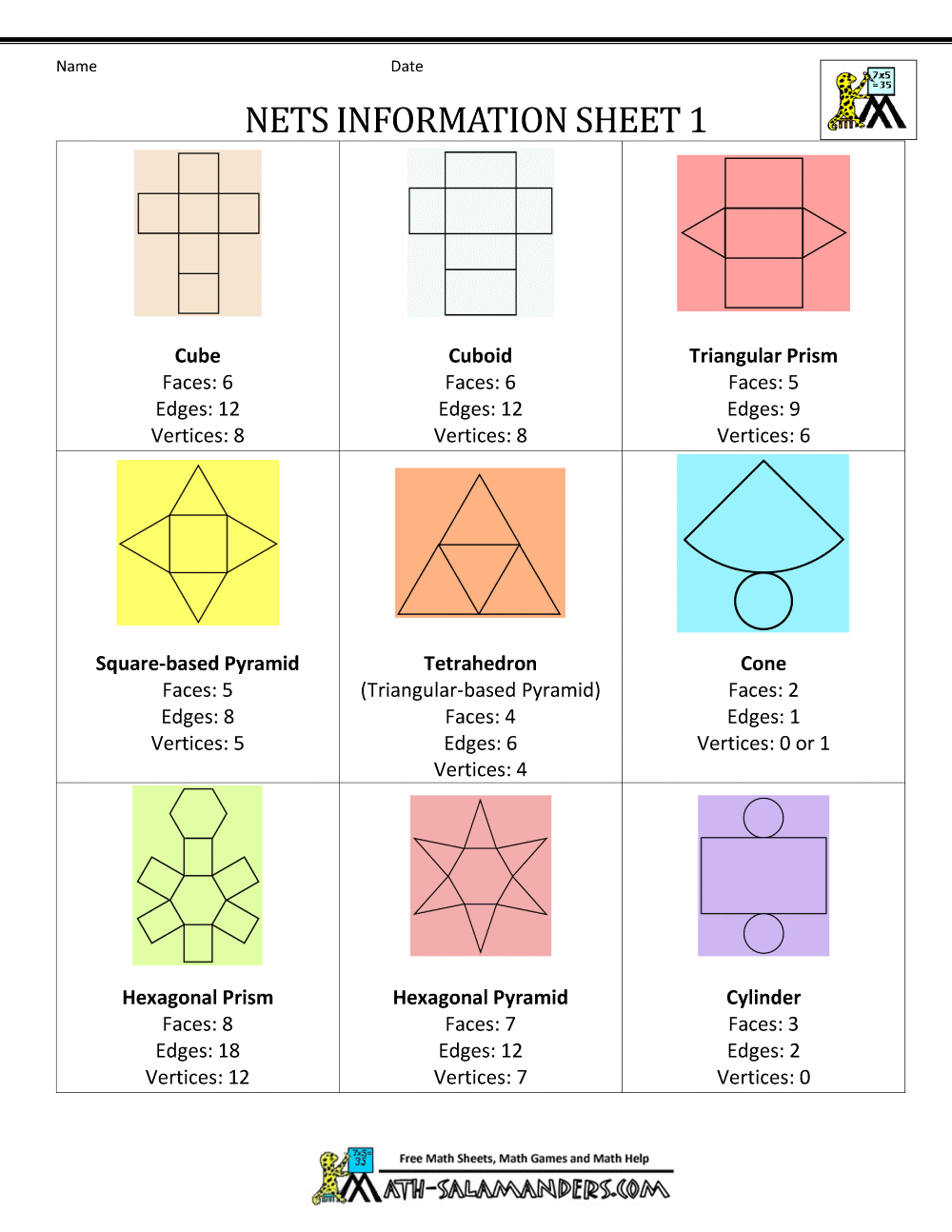
What is a Net?
A 2D connected layout that can be folded to form a 3D shape All faces of the 3D object are shown as connected flat shapes No overlapping or gaps when properly designed Essential tool in technology for model-making and design
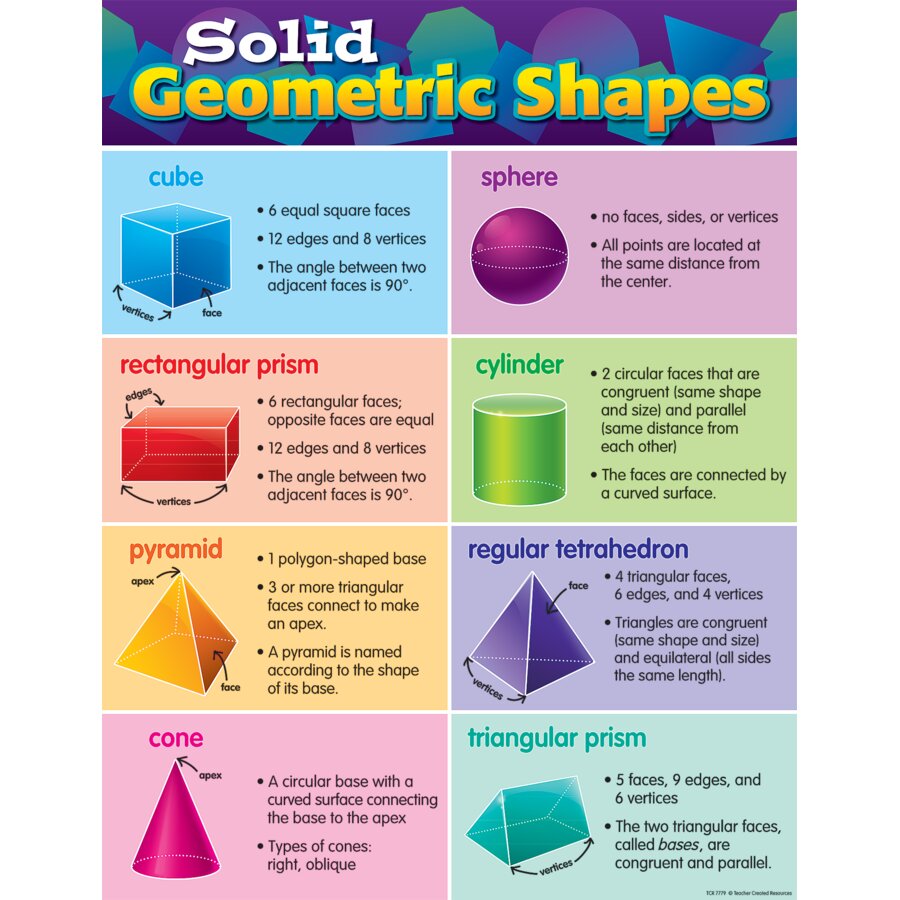
Common 3D Shapes and Their Nets
{"left":"Cube: 6 square faces in cross or T-shape pattern\nRectangular Prism: 6 rectangular faces of varying sizes","right":"Triangular Prism: 2 triangular ends, 3 rectangular sides\nSquare Pyramid: 1 square base, 4 triangular faces"}
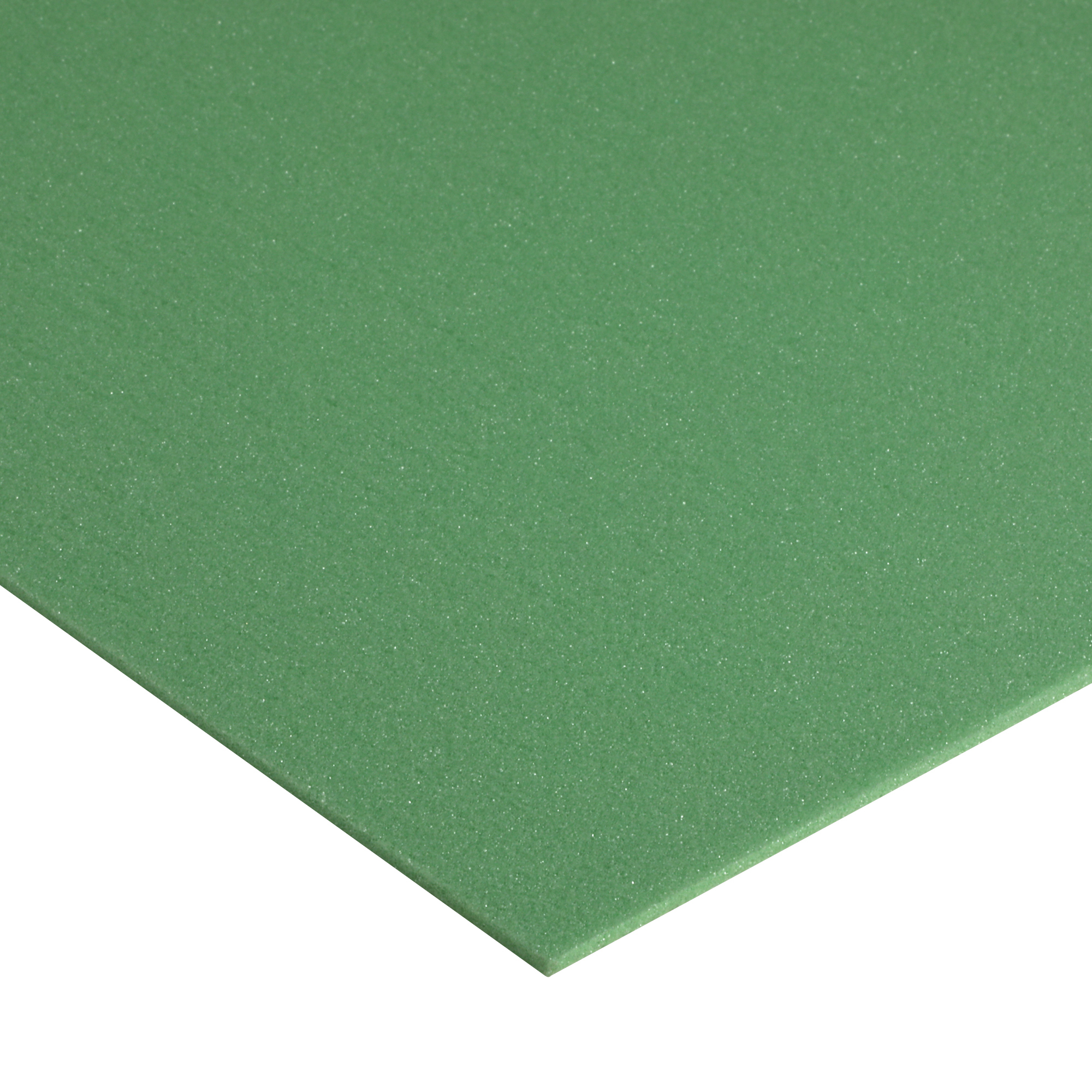
Material Thickness Considerations
Paper nets don't account for material thickness Real materials like foam core (5mm thick) need adjustments Joints and connections require extra space Professional designers must calculate these factors
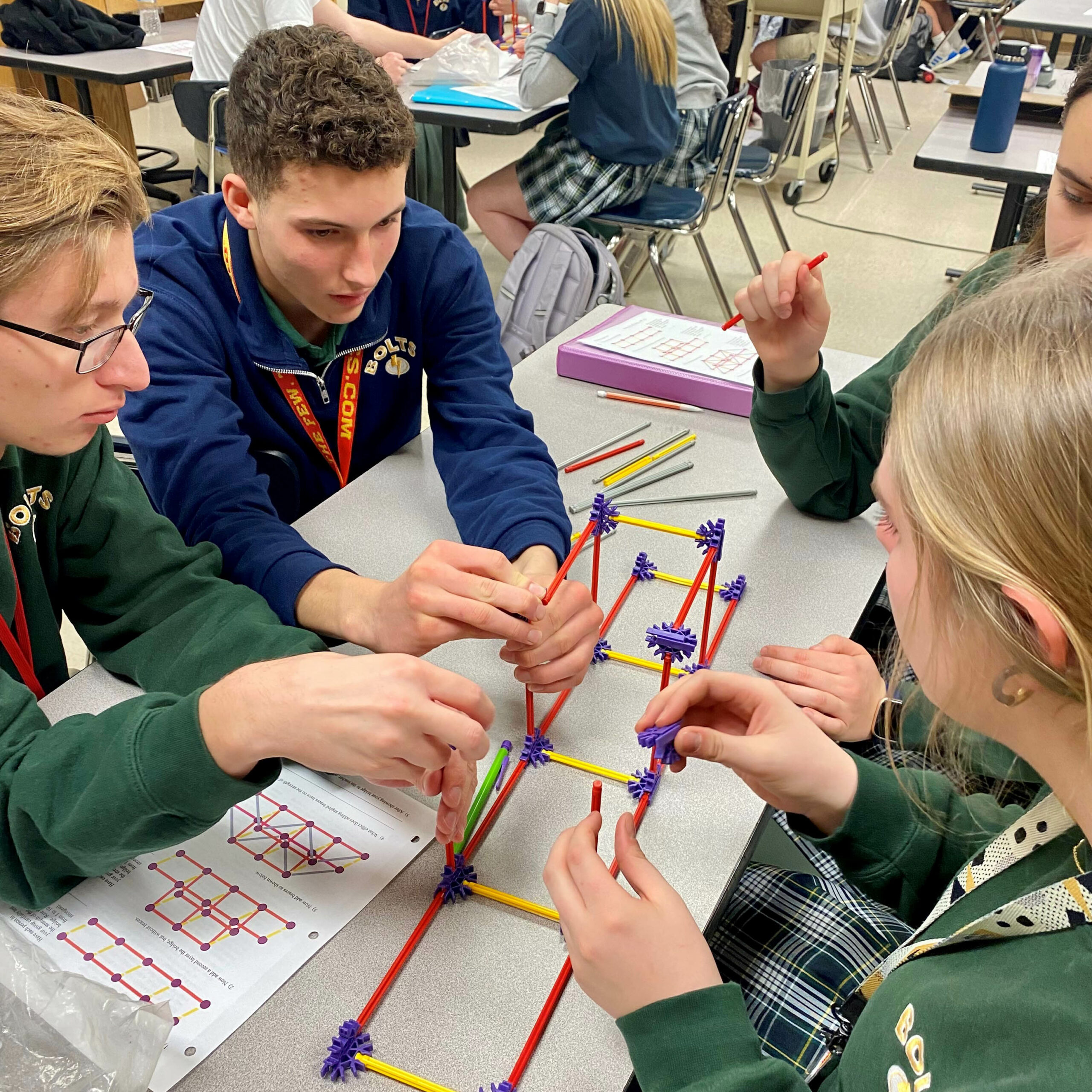
Hands-On Construction Challenge
Draw a net for a rectangular prism (8cm × 6cm × 4cm) Include accurate measurements and fold lines Cut out your net carefully Fold and assemble using tape or glue Test if your measurements were accurate

Reflection: What Did You Discover?
What was most challenging about creating your net? How did accurate measurement affect your final model? What adjustments would you make for thicker materials? Where do you see nets used in real life?
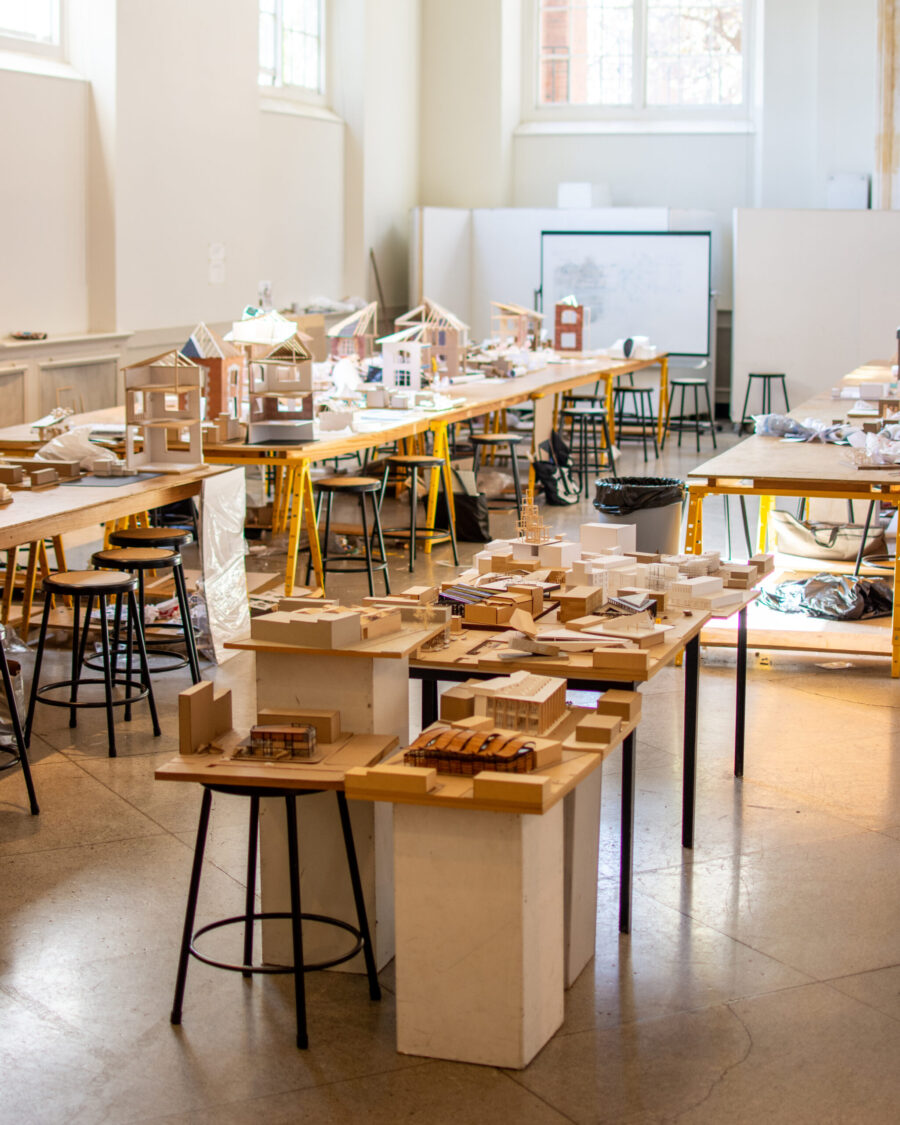
Key Takeaways and Next Steps
Nets are essential tools in both mathematics and technology design Accurate measurement and precision are crucial for successful construction Material properties affect real-world applications These skills apply to packaging design, architecture, and product development