
Voice Modulation Mastery for Character
Years 12-13 Drama 2.1/3.1 Drama techniques

WALT - We Are Learning To
Use voice modulation effectively in drama Convey character emotions through tone, pitch, and volume Apply vocal techniques to develop authentic characters Provide and receive constructive peer feedback

Success Criteria - How We'll Know We've Succeeded
Demonstrate understanding of tone, pitch, and volume changes Apply voice modulation techniques during character rehearsal Provide constructive peer feedback on vocal delivery Reflect on vocal choices and their impact on characterisation

Curriculum Links & School Values
NZ Curriculum Arts Level 7-8: Voice and movement create character NCEA AS91340: Acting to Communicate Character Manaakitanga: Respectful peer feedback Whanaungatanga: Collaborative learning experiences Rangatiratanga: Self-management in voice control
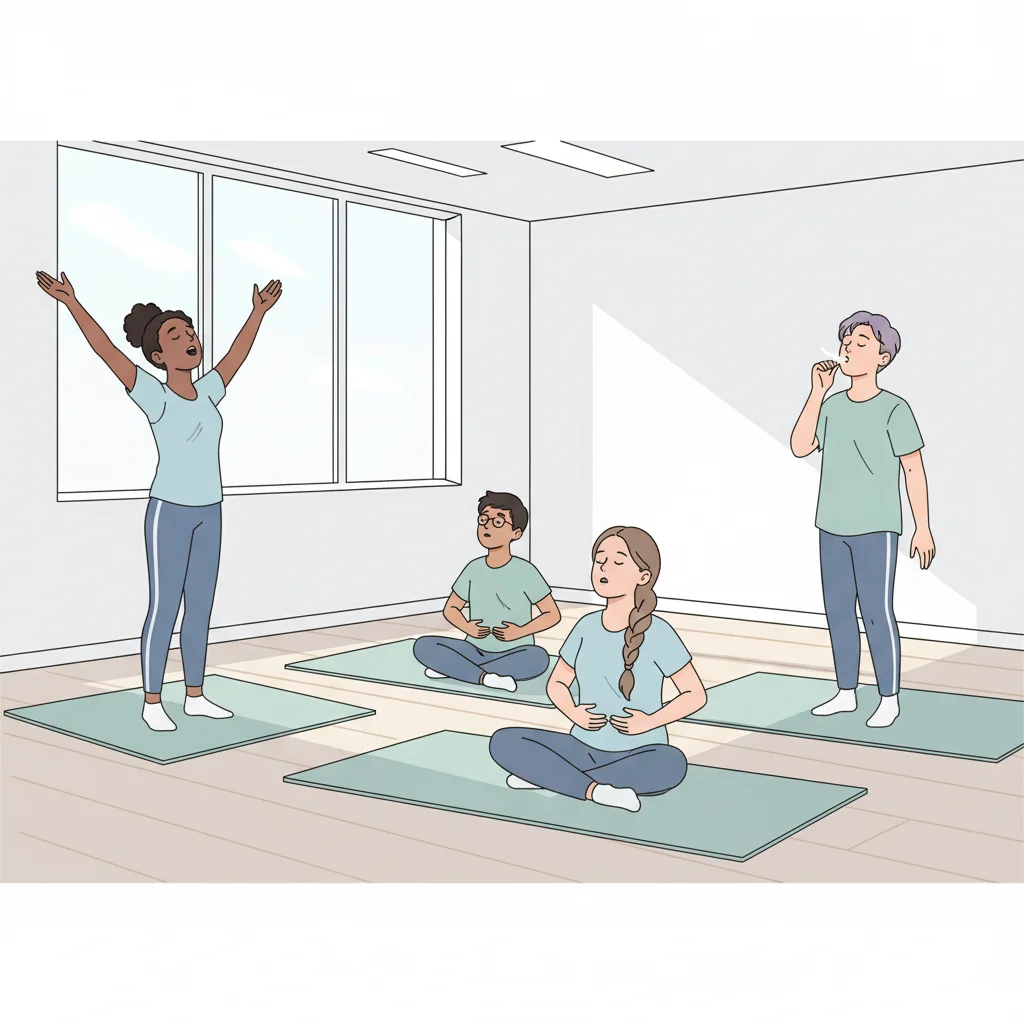
Physical & Vocal Warm-up
Shake out limbs and stretch (2 minutes) Deep breathing exercises for voice preparation Vocal sirens: low to high pitch and back Lip trills and humming for airflow control Mind-body connection focus
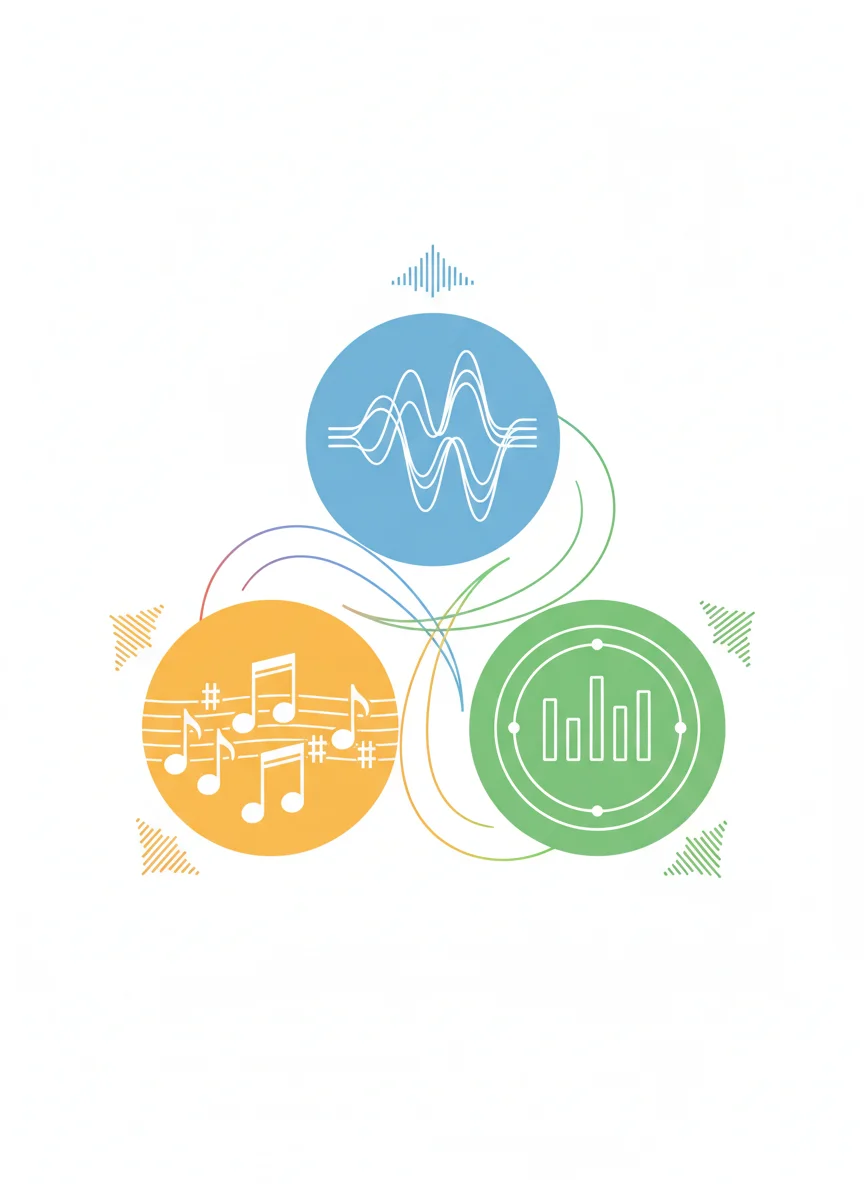
Voice Modulation: The Three Elements
TONE: The emotional quality of voice (angry, happy, sad, scared) PITCH: How high or low the voice sounds VOLUME: How loud or soft the voice is These work together to create character and meaning

Exercise 1: Tone Practice
Practice sentence: 'I can't believe this is happening!' Say it with different emotions: Angry tone Excited tone Sad tone Scared tone Work individually, then share with a partner

Exercise 2: Pitch Exploration
Choose a short line or monologue Practice with HIGH pitch (excited, surprised) Practice with LOW pitch (serious, mysterious) Practice with RISING pitch (questioning) Practice with FALLING pitch (conclusive) Notice how pitch affects meaning
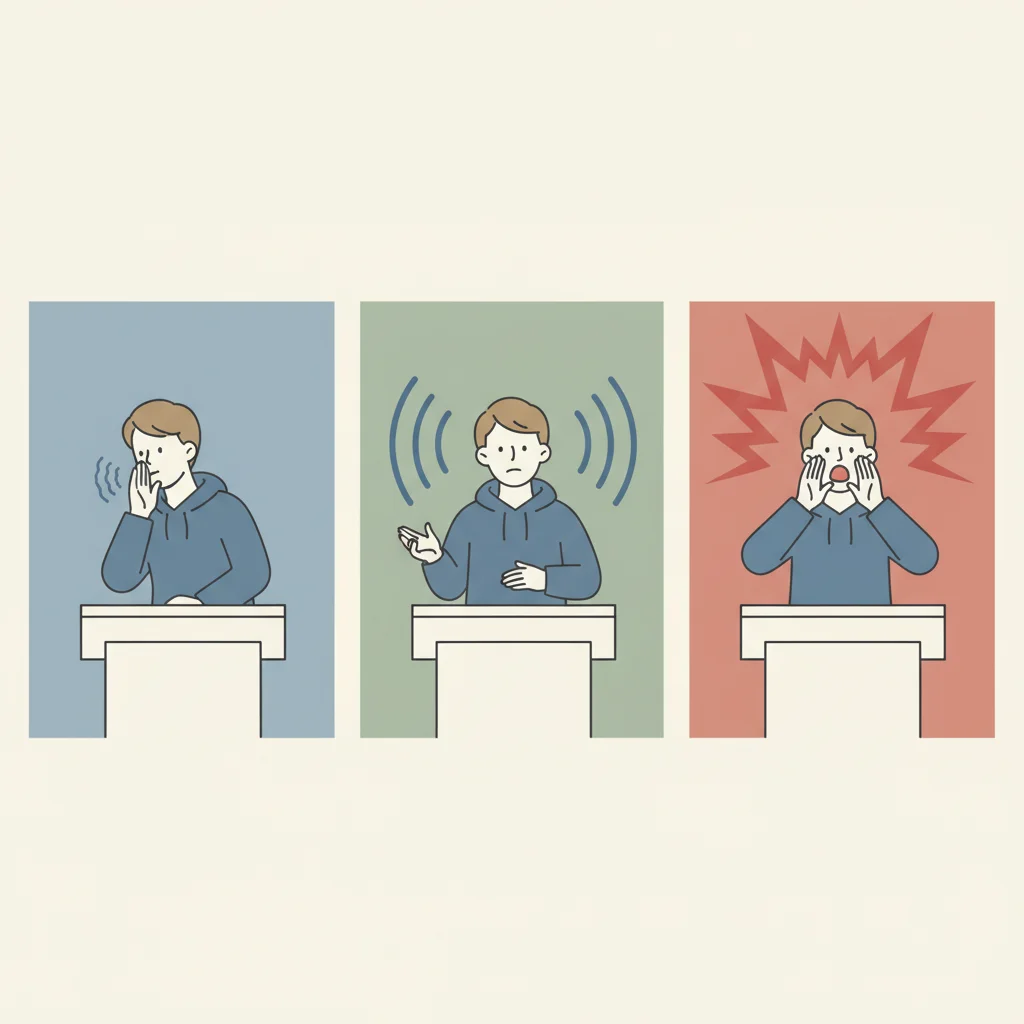
Exercise 3: Volume Control
Practice the same line at different volumes: WHISPER: Create intimacy or secrecy NORMAL: Everyday conversation LOUD: Show anger, excitement, or distance Focus on intention behind each volume choice Volume must match the emotion and situation

Character Development Through Voice
Voice reveals character personality and emotions Consider your character's background and motivation How would they speak when happy? Angry? Afraid? Voice modulation should support the character's story Practice makes permanent - rehearse vocal choices
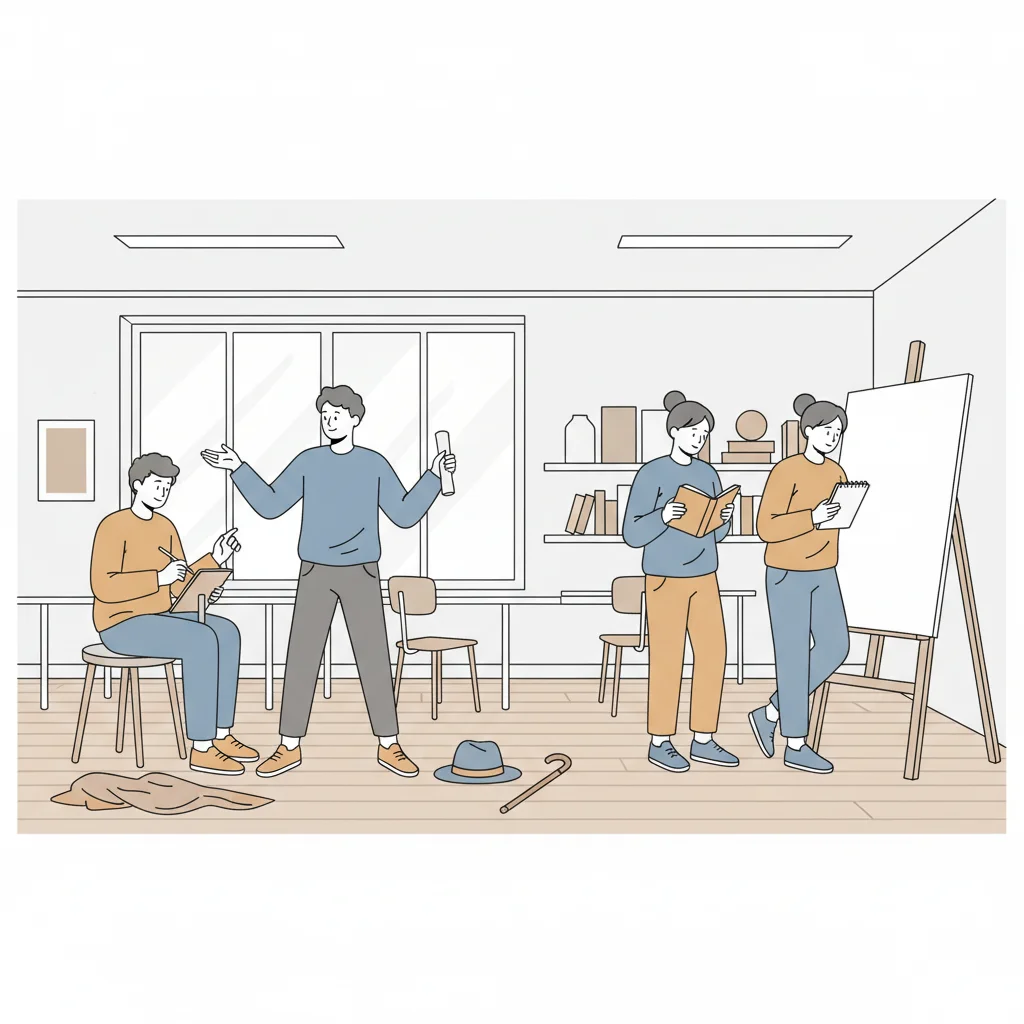
Character Rehearsal with Voice Modulation
Using your character scenario Apply tone, pitch, and volume to develop your character Integrate vocal choices with physical movement Focus on character's emotions and intentions Rehearse your scenes Miss Hamer will circulate to provide guidance
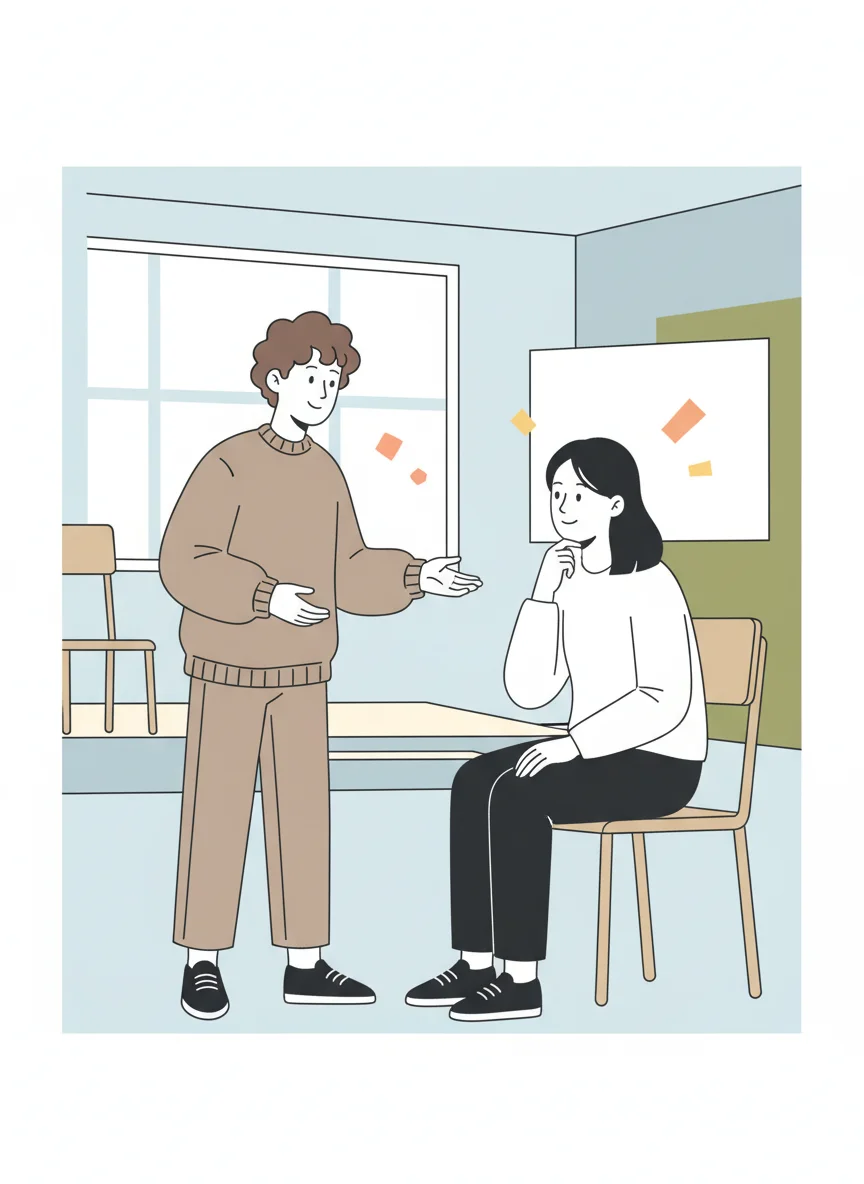
Peer Feedback Guidelines
Using your character scenario Apply tone, pitch, and volume to develop your character Integrate vocal choices with physical movement Focus on character's emotions and intentions Practice short scenes or monologues Teacher will circulate to provide guidance
3 more slides available after you open the deck.
Download all 15 slidesMore Drama slide decks
Other ready-to-teach drama decks for New Zealand classrooms.


