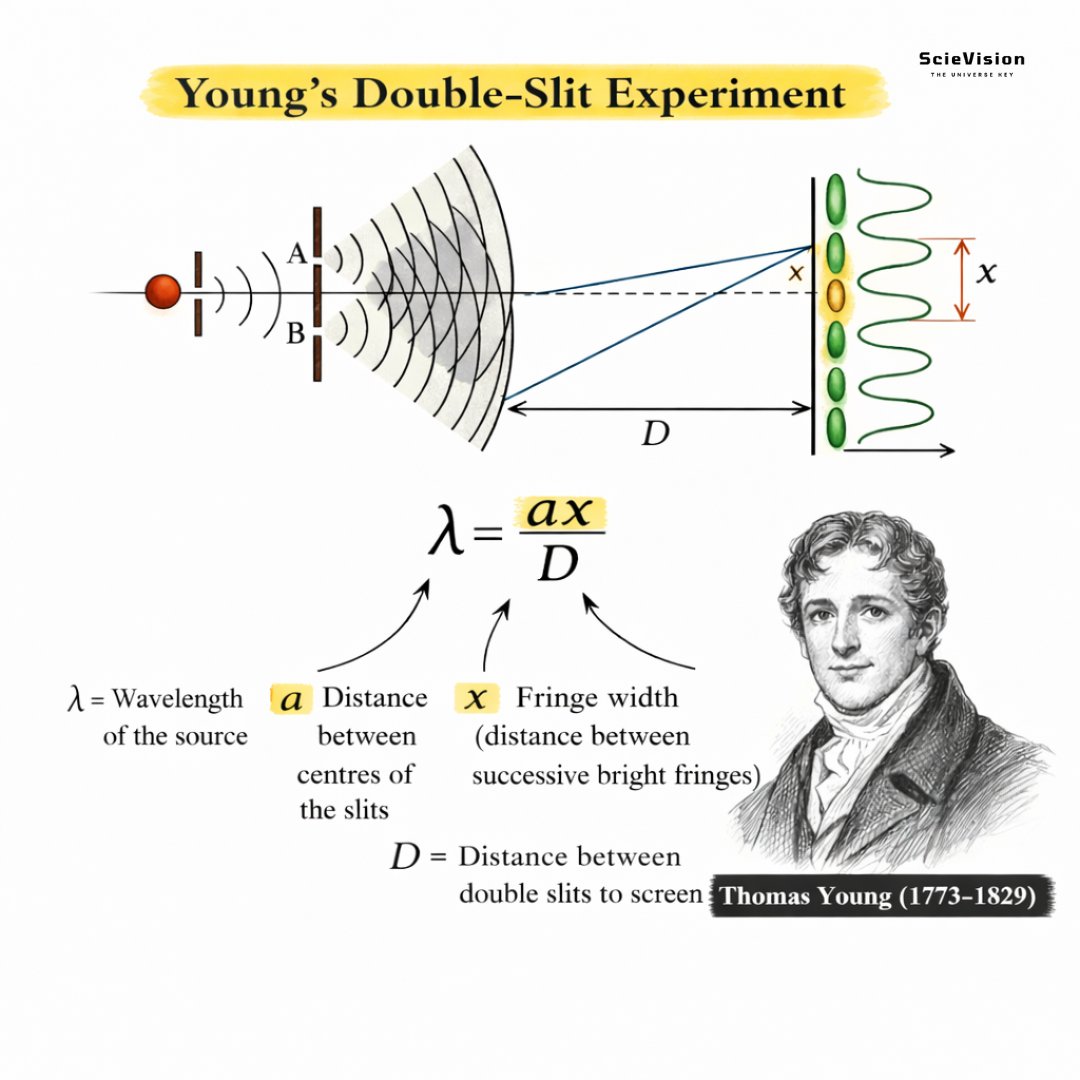
Wave Optics and Diffraction Fundamentals
Physics Level 3 Year 13 - NCEA Understanding light as a wave

WALT (We Are Learning To)
Understand the small angle approximation Analyze multiple point source interference Calculate diffraction grating patterns Investigate white light diffraction effects Explore diffraction through square apertures

Success Criteria
I can apply the small angle approximation correctly I can explain interference from multiple sources I can solve diffraction grating calculations I can describe white light dispersion effects I can analyze square slit diffraction patterns

What do you already know about light?
Think about: How does light travel? What happens when light passes through small openings? Have you seen rainbow patterns from CDs or soap bubbles?

Light as a Wave
Light exhibits wave properties Wavelength (λ) determines color Frequency (f) and speed (c) are related c = fλ (speed of light equation) Visible light: 400-700 nm wavelength

The Electromagnetic Spectrum

Small Angle Approximation
Used when θ is small (< 10°) sin θ ≈ tan θ ≈ θ (in radians) θ = s/D (for small angles) s = distance from center D = distance to screen
Small Angle Practice
Calculate θ for: s = 2.5 cm, D = 150 cm Convert to degrees Check if approximation is valid Extension: Compare sin θ, tan θ, and θ
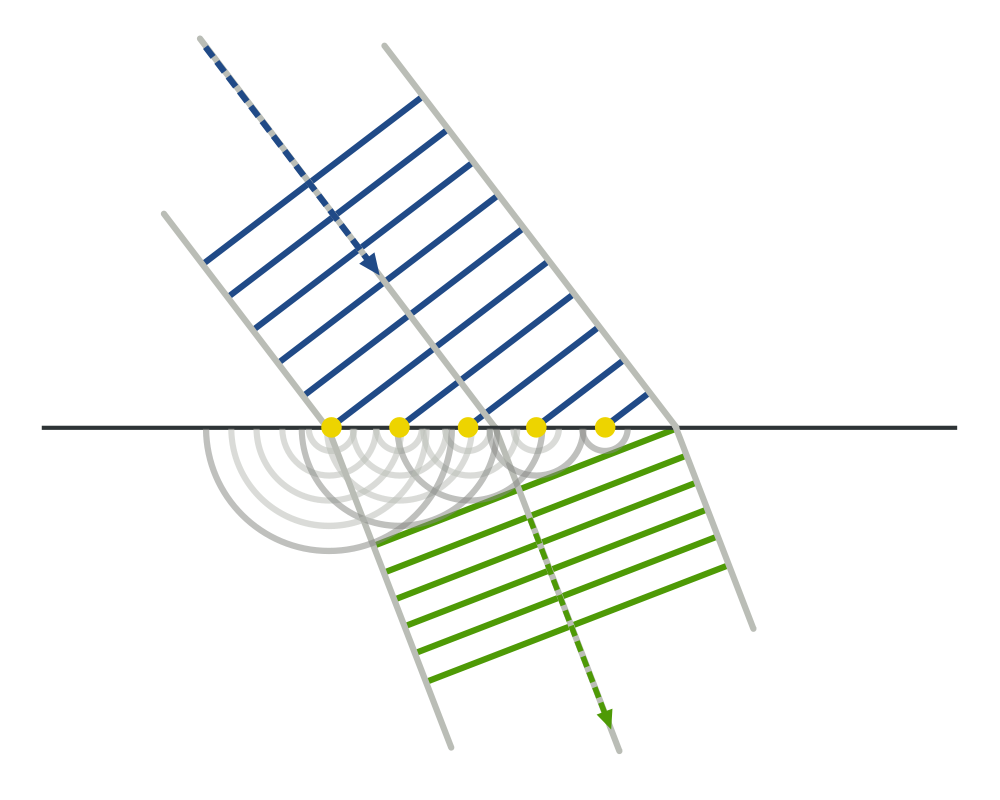
Single Slit Diffraction
Light spreads out after passing through narrow slit Central maximum is brightest First minimum: a sin θ = λ a = slit width Creates pattern of bright and dark fringes
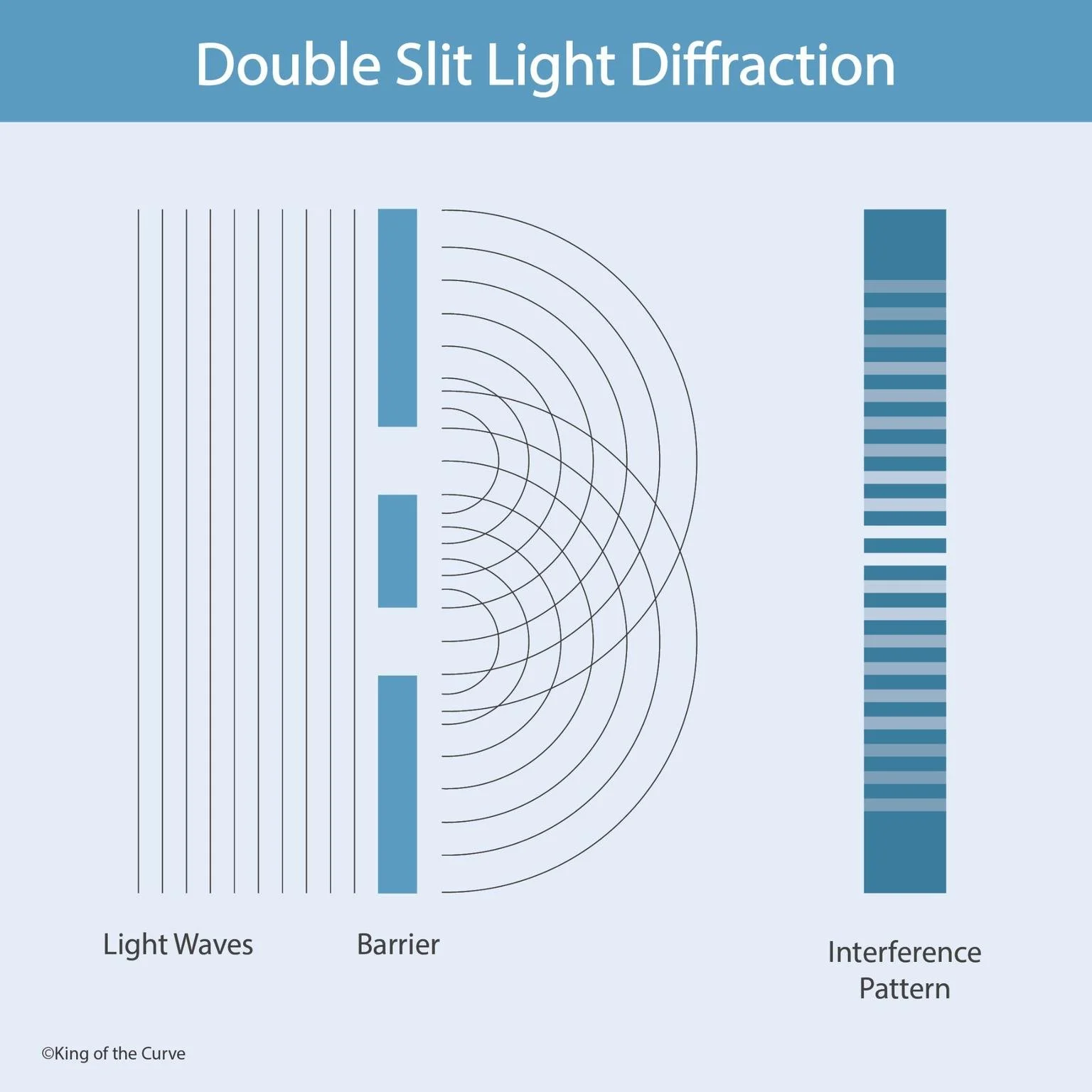
Double Slit Interference
{"left":"Two coherent sources\nPath difference determines interference\nConstructive: path difference = nλ","right":"Destructive: path difference = (n+½)λ\nBright fringes: d sin θ = nλ\nDark fringes: d sin θ = (n+½)λ"}

Multiple Point Source Interference
Three or more coherent sources More complex interference patterns Sharper maxima, additional minima Principal maxima: d sin θ = nλ Secondary maxima between principal ones
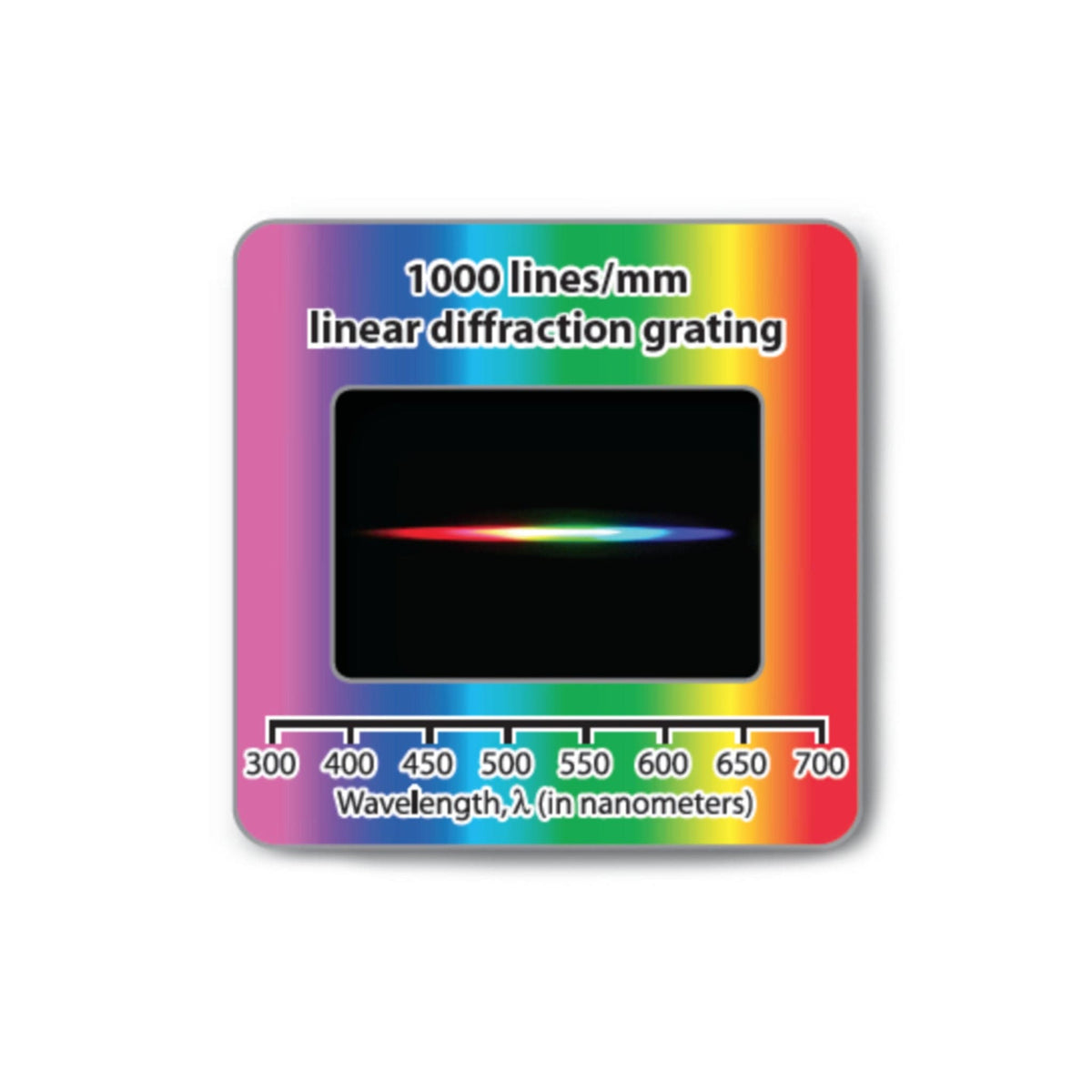
What happens with 1000 slits?
Predict: How would the pattern change? Would maxima be brighter or dimmer? Would they be sharper or broader?
9 more slides available after you open the deck.
Download all 21 slidesMore Physics slide decks
Other ready-to-teach physics decks for New Zealand classrooms.

