
Weaving Culture: Exploring Tukutuku Panels
Understanding Māori Cultural Heritage Through Traditional Weaving Year 9 Social Sciences 60-minute exploration
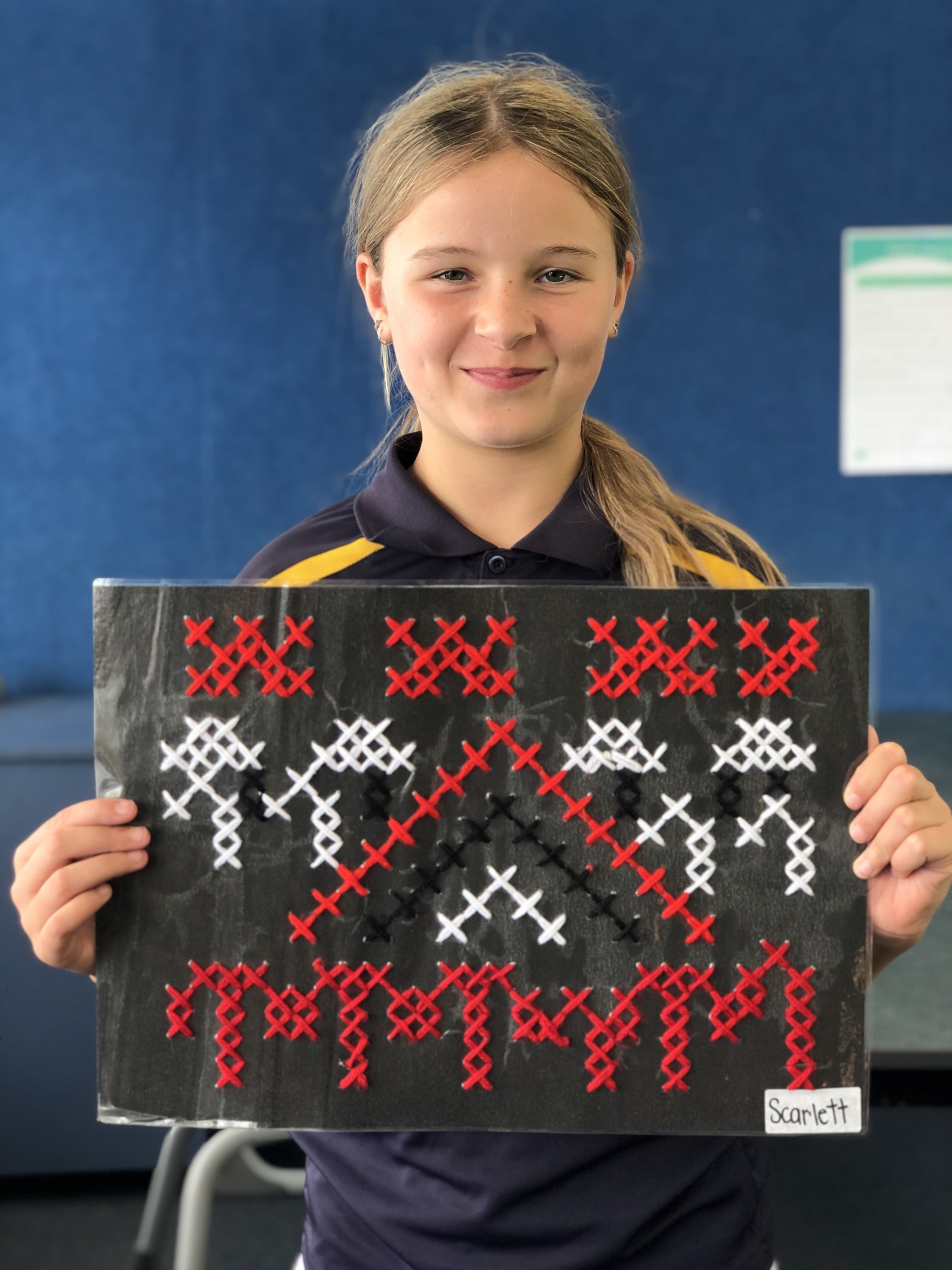
What Are Tukutuku Panels?
Traditional Māori woven panels Found inside wharenui (meeting houses) Made from harakeke (flax) and wooden frames Each pattern tells a story Sacred cultural treasures (taonga)

Inside a Wharenui: Where Tukutuku Lives
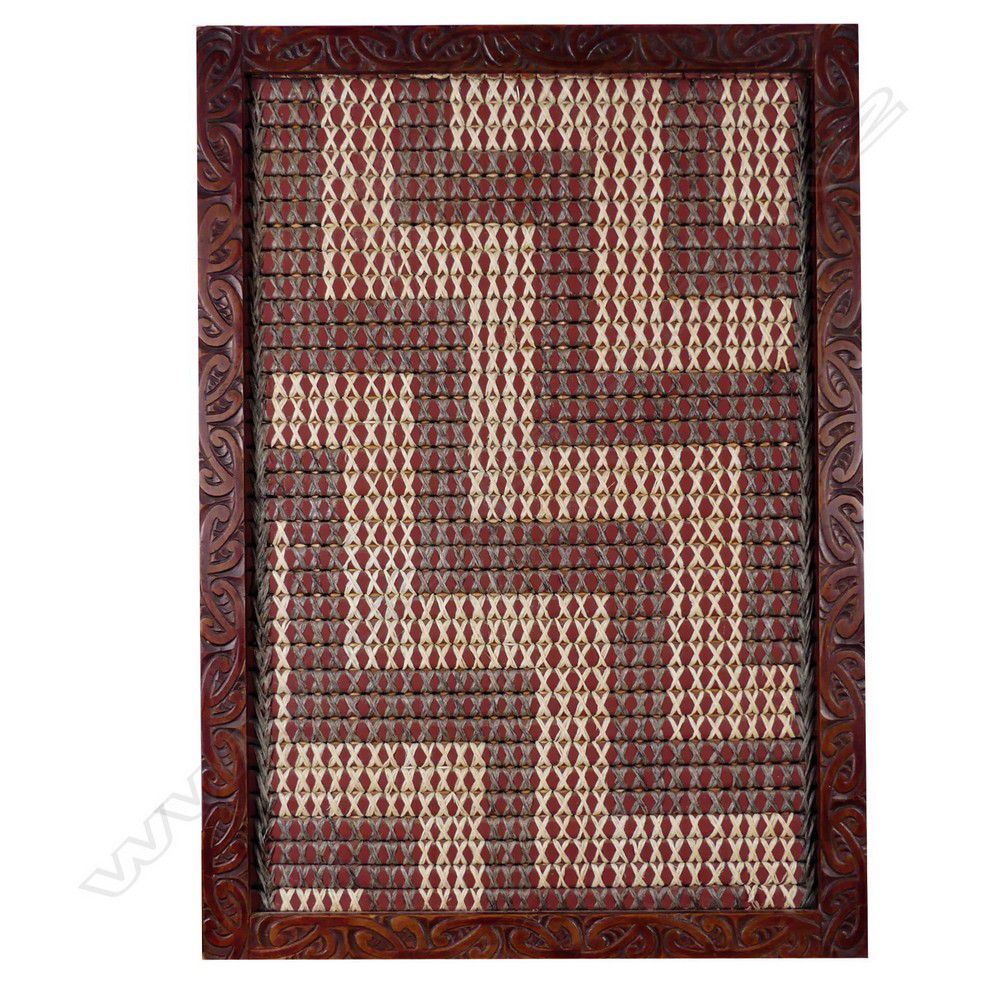
Traditional Tukutuku Patterns and Their Meanings
{"left":"Poutama - stairway to heaven, representing spiritual growth and achievement\nKaokao - ribs of the ancestor, symbolizing strength and protection\nPatiki - flounder fish pattern, representing hospitality and abundance","right":"Roimata toroa - albatross tears, symbolizing grief and remembrance\nNiho taniwha - teeth of the taniwha, representing strength and power\nPurapura whetu - stars scattered across the sky, representing hope and guidance"}

Reflection Question
How do you think tukutuku panels help preserve Māori culture and pass on knowledge to future generations? Think about: stories, values, skills, identity

Creating Your Own Tukutuku Panel
Work in pairs or small groups Choose a traditional pattern (poutama, kaokao, or patiki) Use colored paper strips and wooden skewers Follow the step-by-step instructions Remember to work with respect and care

The Cultural Values in Tukutuku
Whakapapa - genealogy and family connections Manaakitanga - hospitality and caring for others Whakatōhea - working together as a community Kaitiakitanga - guardianship and protection of culture Māuriora - cultural well-being and identity
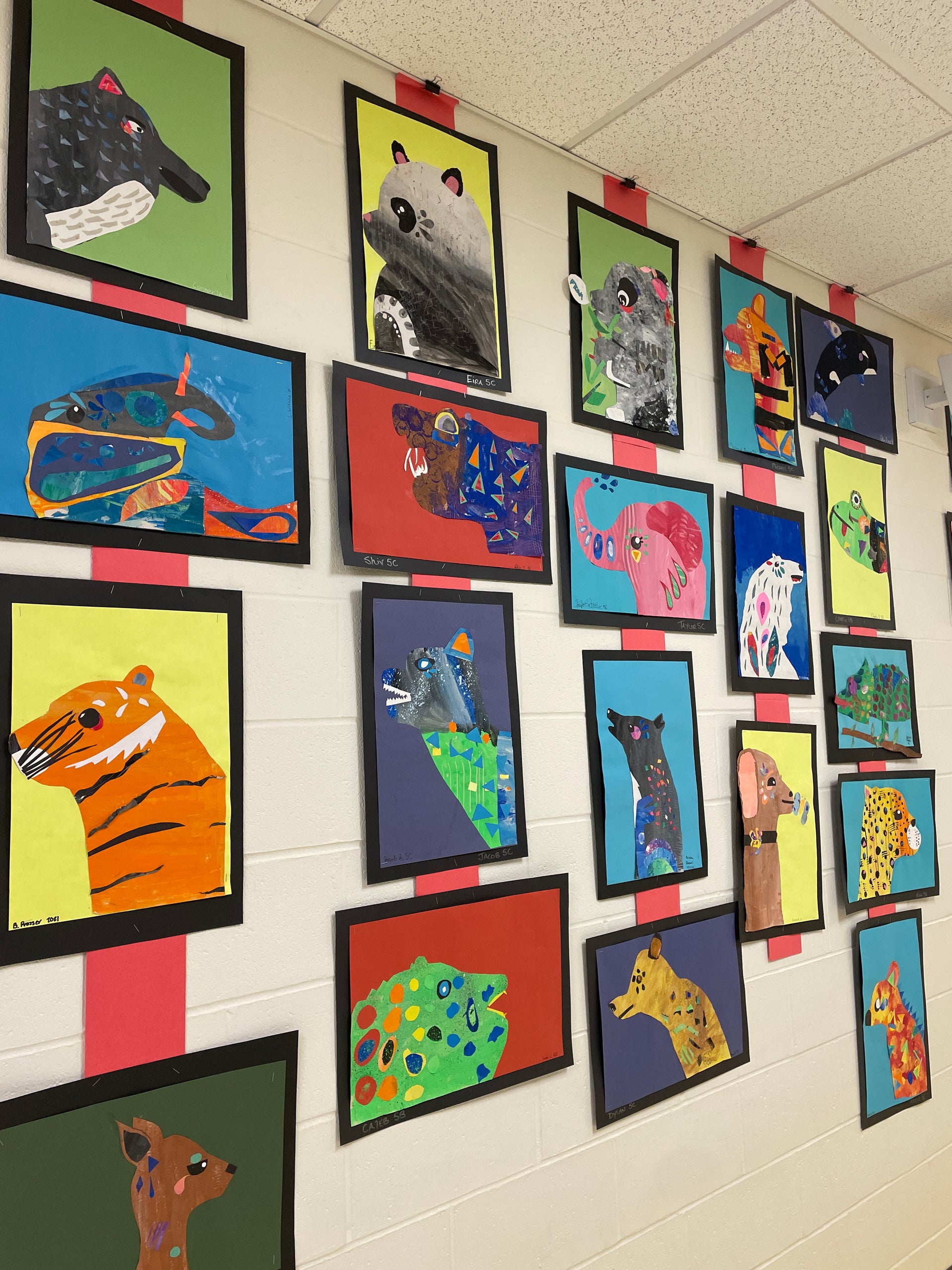
Reflecting on Our Cultural Journey
What pattern did you choose and why? What does your pattern symbolize? How did working together enhance your understanding? What did you learn about Māori culture today? How can we show respect for tukutuku as taonga (treasures)?