
Writing Poetry Through Rain's Eyes
Exploring Waipuna-ā-rangi through Free Verse Poetry Year 7-8 English Using Literary Devices to Bring Rain to Life

Recap: What We Know About Waipuna-ā-rangi
Rain as a life-giving force in nature Physical properties: sound, touch, movement Symbolic meanings in different cultures Connection to emotions and moods
What is Free Verse Poetry?
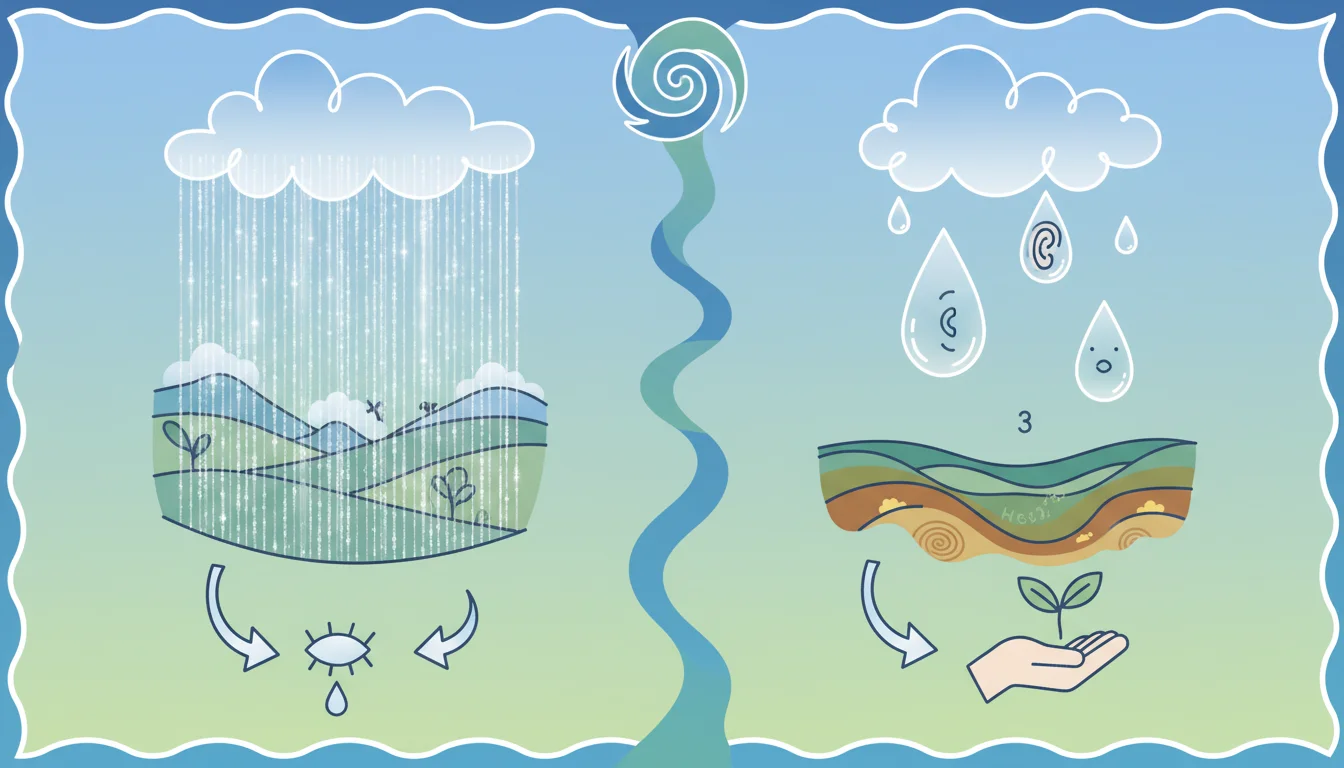
Poetry without fixed rhyme or meter Focuses on natural speech rhythms Uses line breaks for emphasis and effect Perfect for expressing thoughts and feelings about nature
Literary Devices: Metaphor and Personification
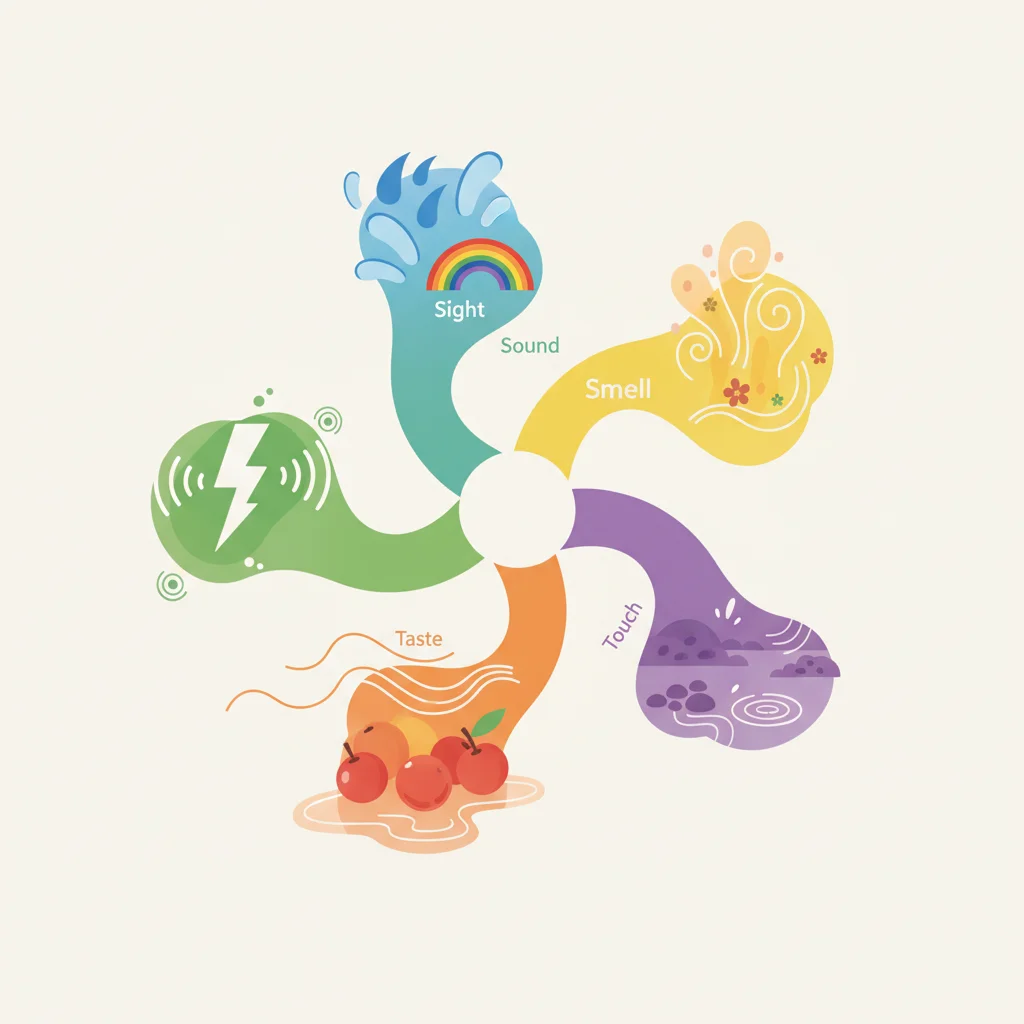
Sensory Brainstorm: Rain Through Our Senses
SIGHT: What does rain look like? SOUND: What sounds does rain make? TOUCH: How does rain feel? SMELL: What scents come with rain? TASTE: Can you taste the rain?
Turning Sensory Words into Literary Devices
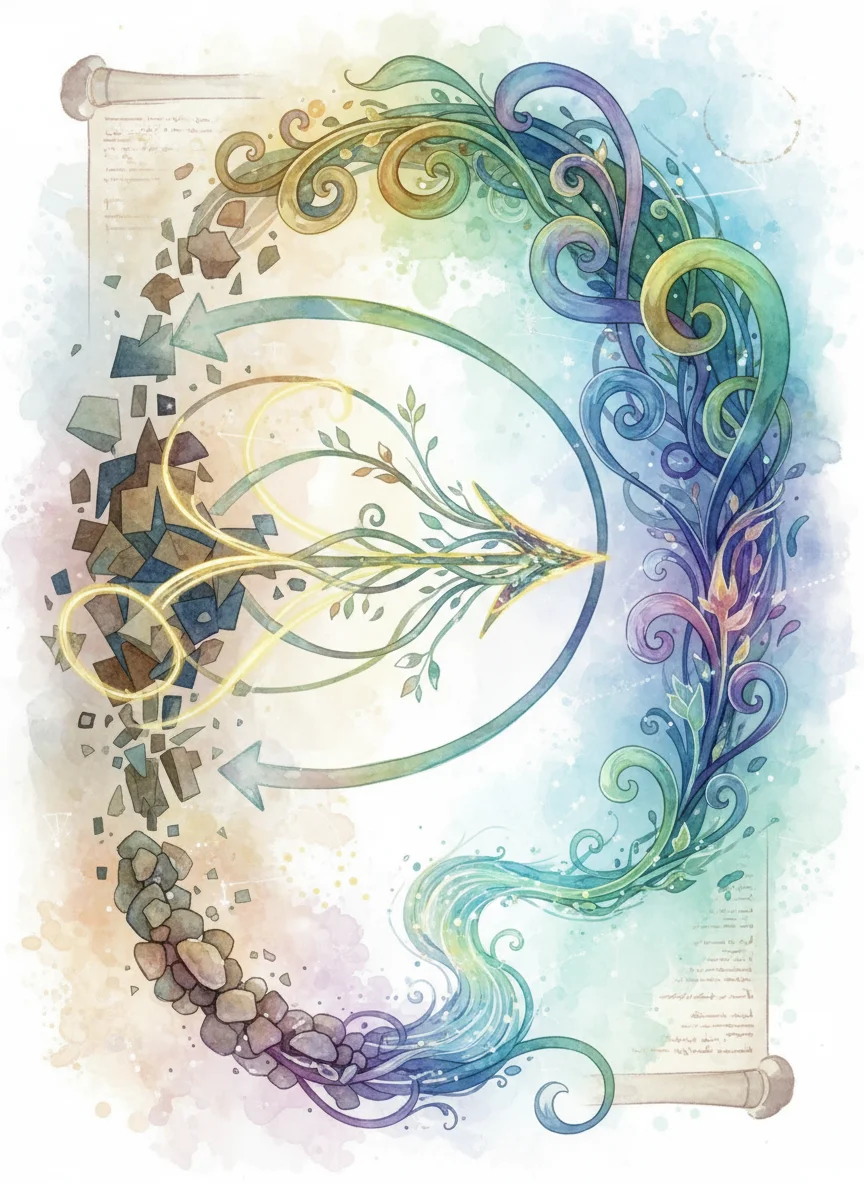
Sensory word: 'patter' → Metaphor: 'I am nature's drumbeat' Sensory word: 'gentle' → Personification: 'I caress the sleeping flowers' Sensory word: 'silver' → Metaphor: 'I am liquid moonlight' Practice: Transform your brainstormed words

Example: Rain's Voice
'I am the whisper that soothes the thirsty earth, A silver curtain drawn across the morning sky. I dance on rooftops with a thousand tiny feet, And sing lullabies to sleeping gardens.'

Writing Time: 'I Am the Rain'
Start with 'I am the rain...' Use question prompts to guide your thinking Include metaphors and personification Create a simple visual to accompany your poem Write for 15-20 minutes

Sharing Our Rain Poems
Volunteers share their poems aloud Listen for effective use of literary devices Offer positive, specific feedback Notice how each poet gives rain a unique voice

Reflection & Goal Setting
What was challenging about writing from rain's perspective? What did you enjoy most about this activity? Which literary device felt most natural to use? Set one writing goal for our next poetry lesson