
Algorithms, Decomposition, and Abstraction
AQA GCSE Computer Science (3.1.1 – Focus Concepts)

Topic Overview
What this lesson covers: algorithms, decomposition, and abstraction Why these concepts matter in problem-solving and computing Essential skills for breaking down complex problems Foundation concepts for all programming and system design
Algorithm - Definition
Algorithm = a sequence of steps to complete a task Must be clear and unambiguous Steps must be in logical order Can be understood by humans or computers

Algorithm - Key Characteristics
Unambiguous - each step is clearly defined Finite - the algorithm must eventually end Inputs and outputs (both optional) Steps are in logical, sequential order

Algorithm - Language Independence
Algorithms describe logic, not specific programming languages Same algorithm can be expressed in different ways Focus is on the problem-solving approach Can be written in plain English, diagrams, or code

Algorithm - Everyday Example
Making a cup of tea: 1. Fill kettle with water 2. Switch on kettle 3. Put tea bag in cup 4. Wait for kettle to boil 5. Pour hot water into cup 6. Let tea brew for 3-5 minutes 7. Remove tea bag
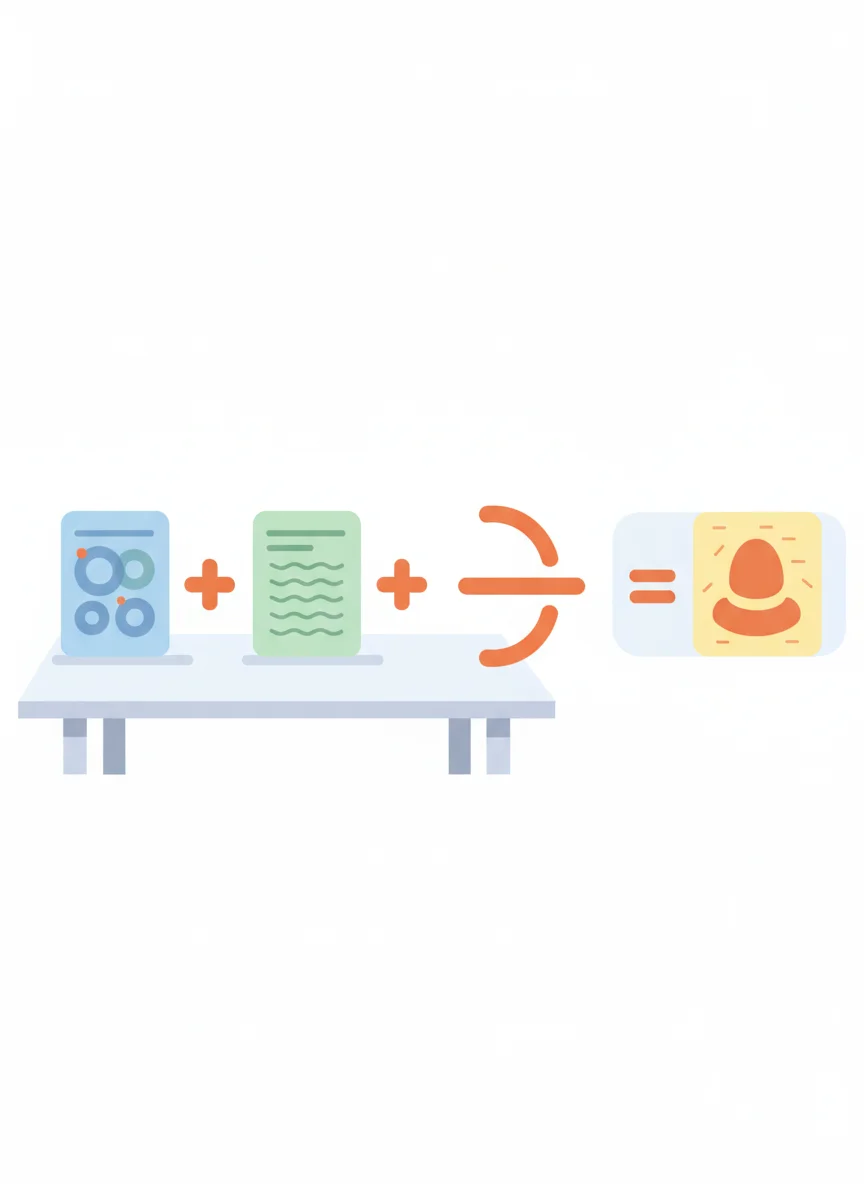
Algorithm - Computing Example (Non-Code)
Calculate average of three test scores: 1. Take three test score numbers as input 2. Add the three numbers together 3. Divide the sum by 3 4. Present the result as the average

Algorithm vs Program (Concept Only)
{"left":"Algorithm = plan/steps\nDescribes what to do\nLanguage independent\nHuman readable","right":"Program = implementation\nActual working code\nLanguage specific\nComputer executable"}
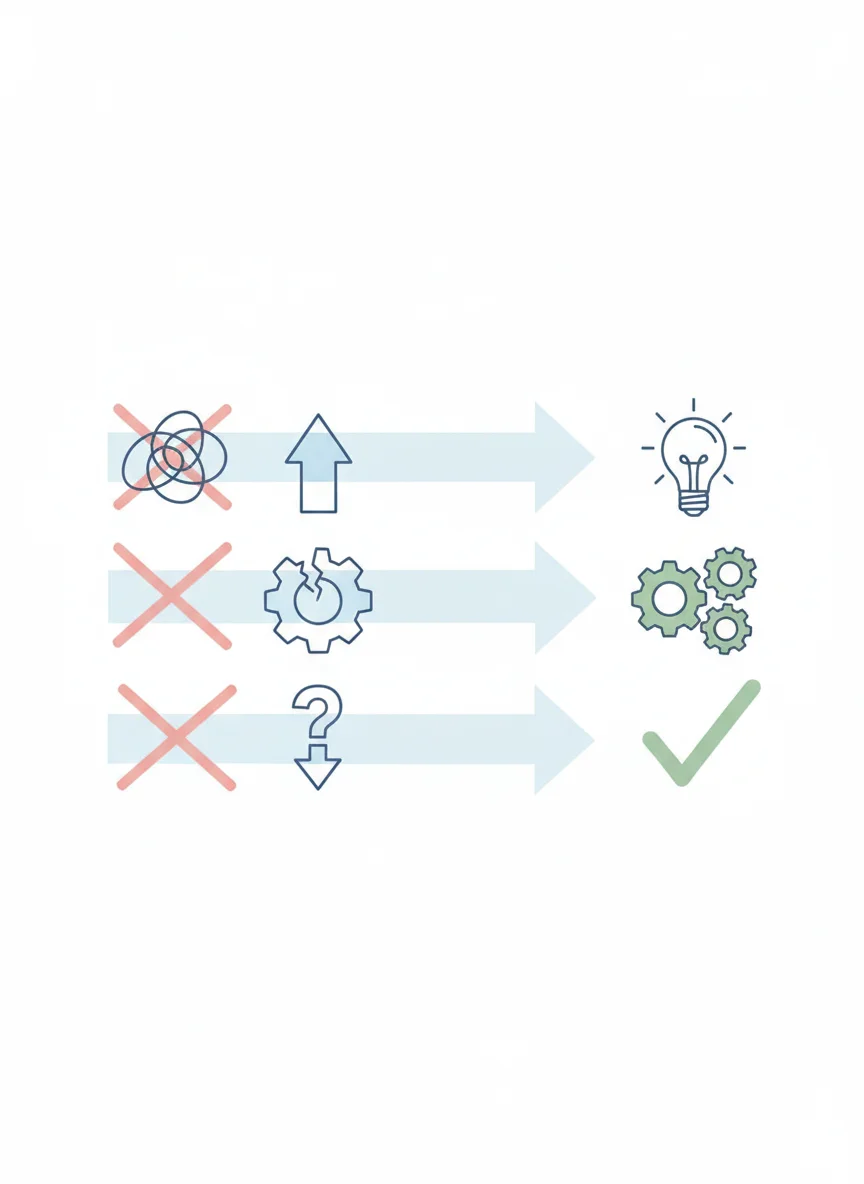
Common Misconceptions About Algorithms
❌ 'An algorithm is code' → ✅ Algorithm is the plan, code is implementation ❌ 'Algorithms must be complicated' → ✅ Many algorithms are simple steps ❌ 'Algorithms are only for computers' → ✅ We use algorithms daily in life

Decomposition - Definition
Break a complex problem into smaller sub-problems Each sub-problem is an identifiable, manageable task Sub-problems may be broken down further if needed Makes large problems less overwhelming

Why Decomposition is Useful
Reduces complexity - easier to understand smaller parts Easier planning and organisation of work Easier testing and fixing problems Supports teamwork - different parts can be worked on separately

Decomposition - Example (School Context)
Problem: Create a revision timetable system Sub-tasks: • Gather all subjects that need revision • Gather important dates and deadlines • Allocate revision sessions to time slots • Output the final timetable
8 more slides available after you open the deck.
Download all 20 slidesMore Computer Science slide decks
Other ready-to-teach computer science decks for UK classrooms.