
Anaerobic Respiration in Sports Science
Year 8 Science Understanding energy production without oxygen Applications in sports and exercise

Quick Recall: What Do You Remember?
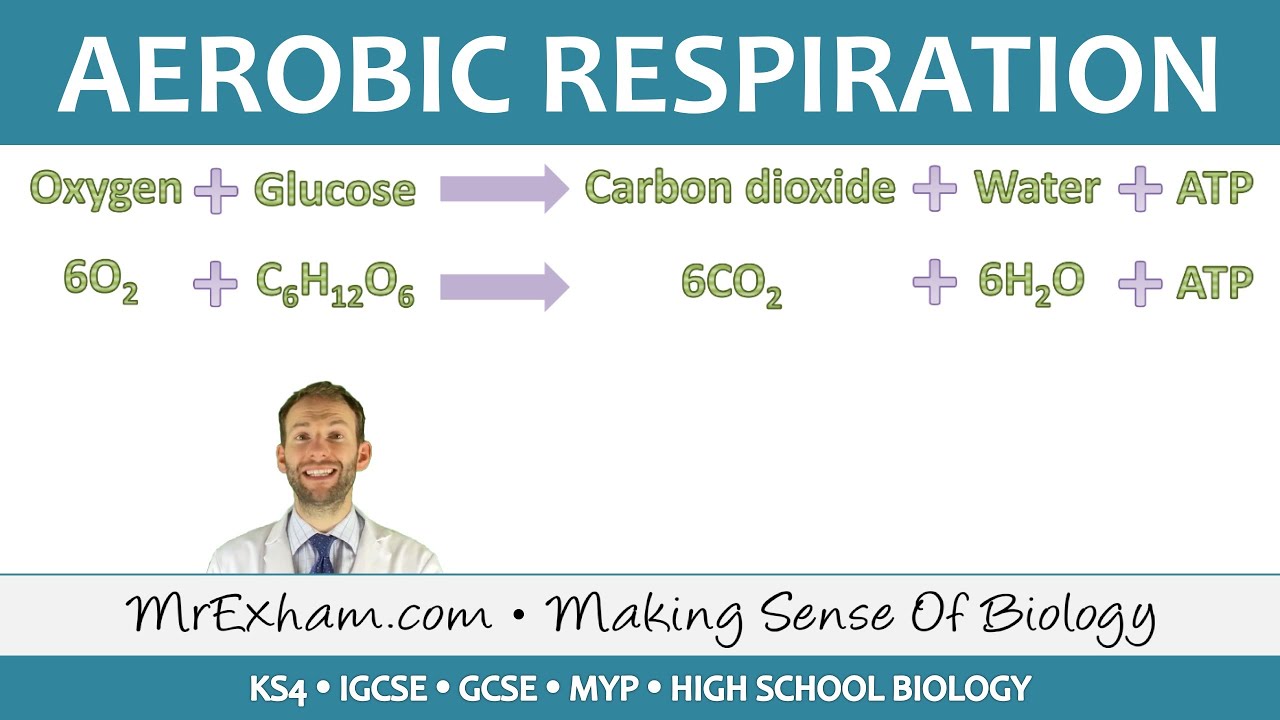
What is the word equation for aerobic respiration? What gas do our muscles need for aerobic respiration? What happens during intense exercise when muscles work really hard?
What is Anaerobic Respiration?
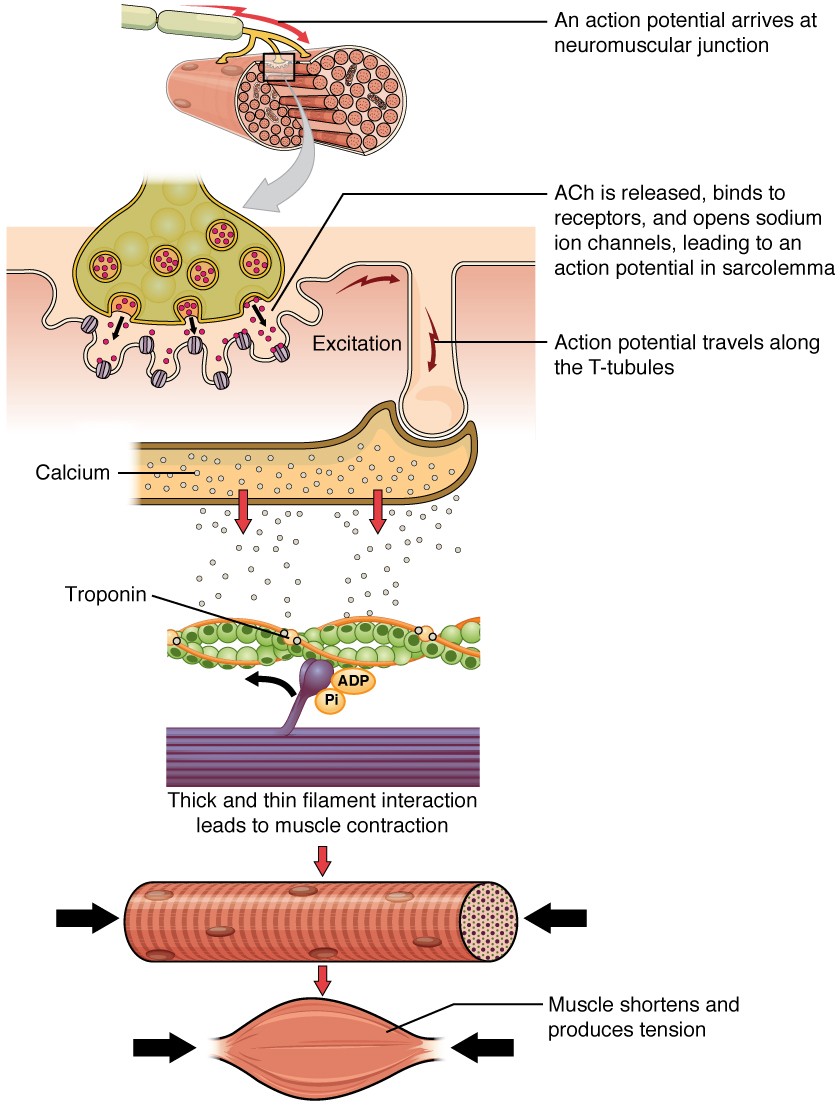
'Ana' means 'without' - so without oxygen Happens when muscles don't get enough oxygen Occurs during intense exercise like sprinting Still produces energy, but less than aerobic respiration Creates lactic acid as a waste product
The Chemical Equation

Aerobic vs Anaerobic Respiration
{"left":"Needs oxygen\nProduces lots of energy\nWaste products: CO₂ and water\nCan continue for long periods","right":"No oxygen needed\nProduces less energy\nWaste product: lactic acid\nCannot continue indefinitely"}

Feel Your Own Anaerobic Respiration!
30-second high-knee running on the spot Notice your breathing and muscle feelings Discuss what you experience Why do your muscles start to feel tired? What happens to your breathing after you stop?
Oxygen Debt and Recovery
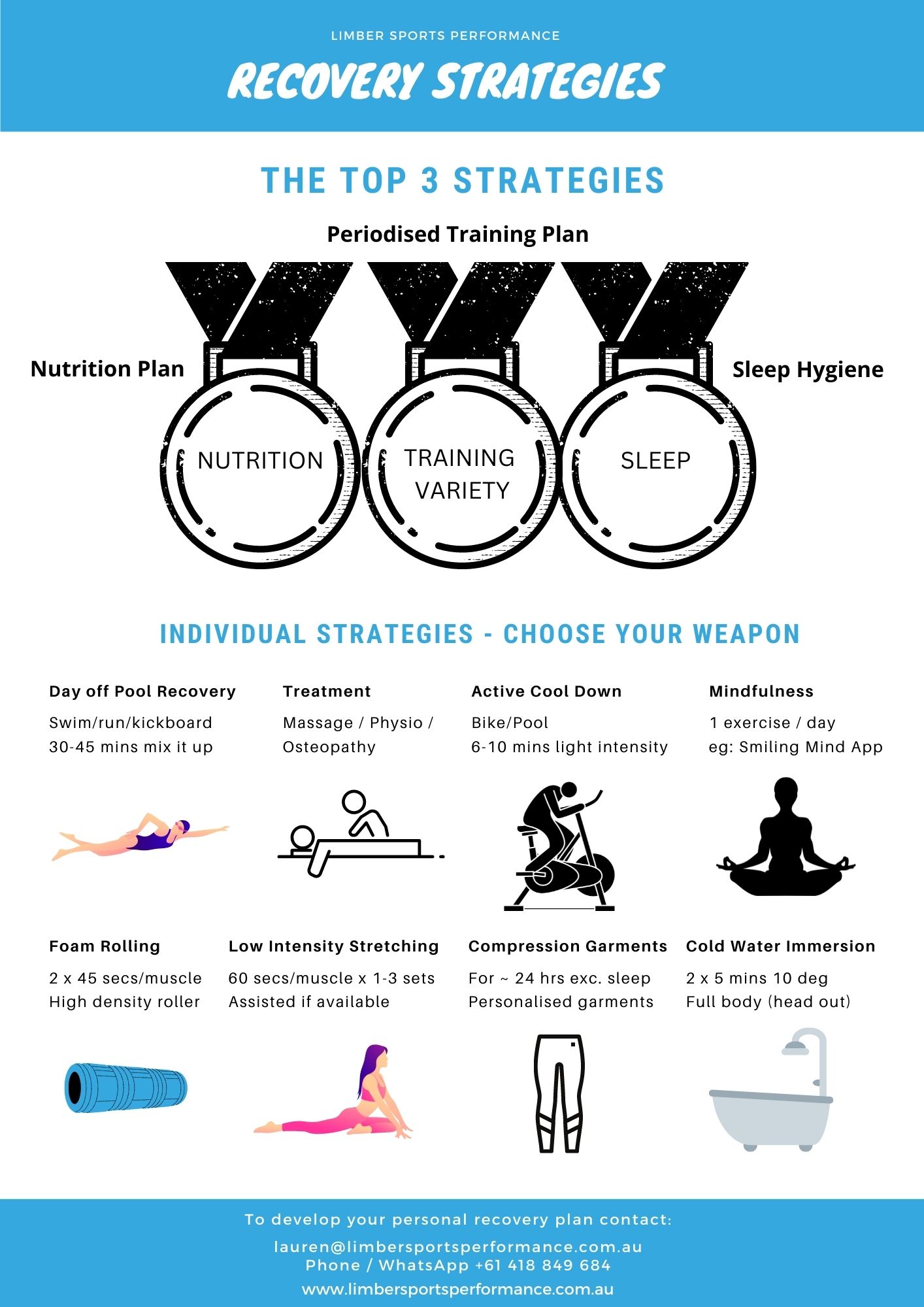
After intense exercise, you breathe heavily This extra oxygen helps break down lactic acid Called 'oxygen debt' - paying back what you owe Lactic acid causes muscle fatigue and soreness Recovery time depends on fitness level
Recovery Rates and Fitness Levels
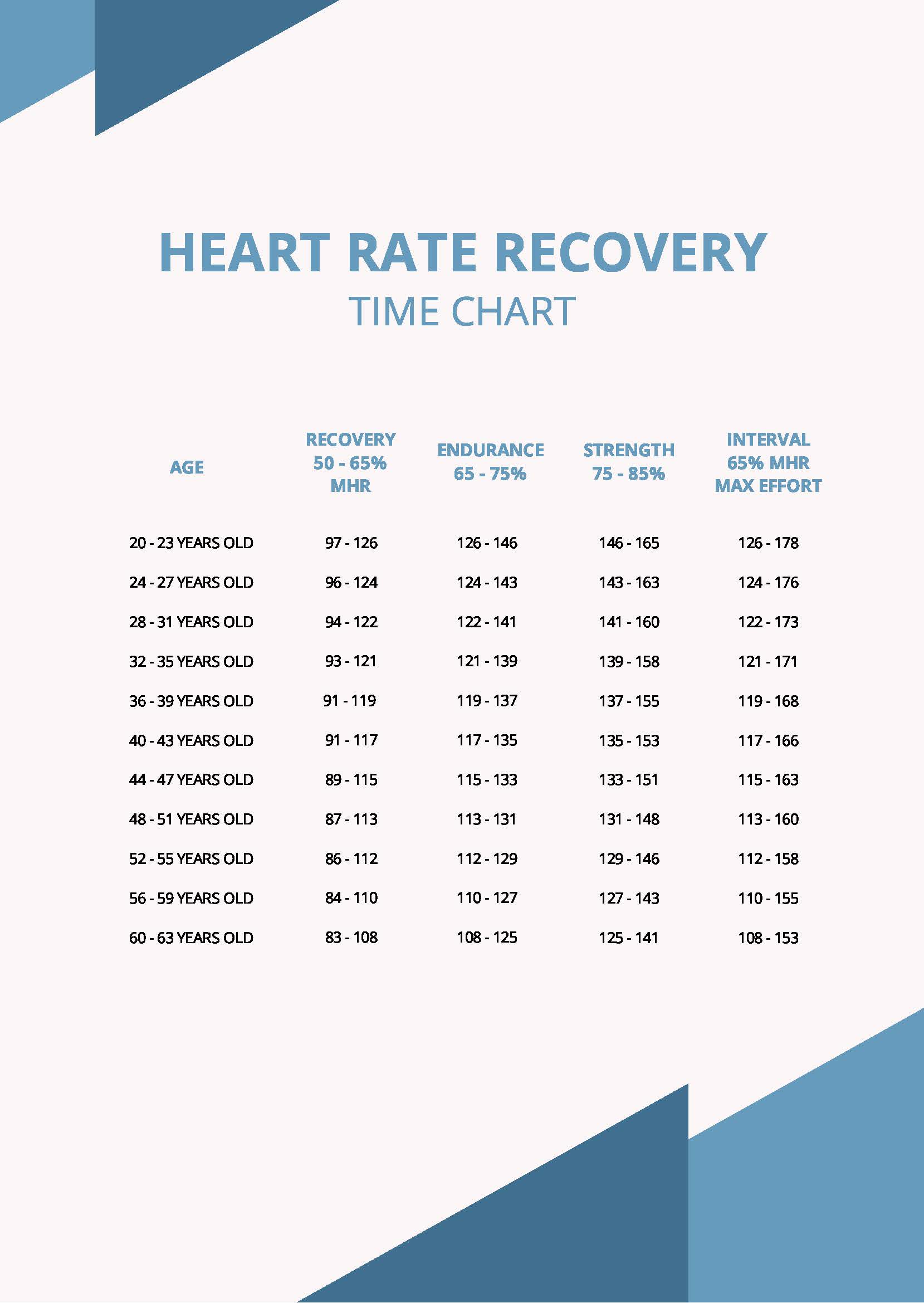
Fitter athletes recover faster after anaerobic exercise Heart rate returns to normal more quickly Less lactate buildup in trained muscles Better oxygen delivery speeds up recovery Training improves the body's recovery systems

Key Takeaway
Anaerobic respiration is our body's emergency energy system - it keeps us going when oxygen runs low, but we can't rely on it forever!