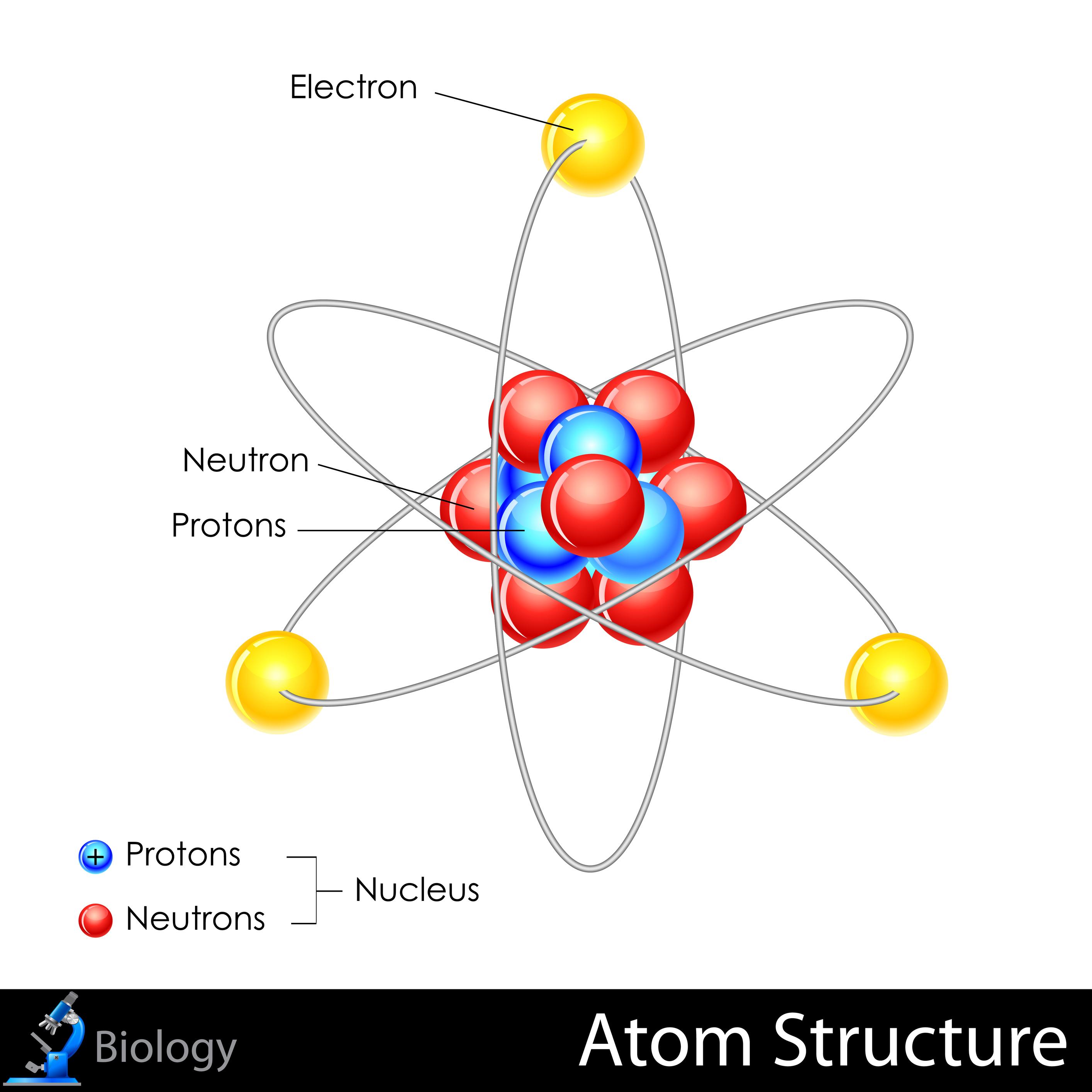
Atoms, Elements, Compounds and Mixtures
Year 9 Science Understanding the Building Blocks of Matter 30-minute lesson
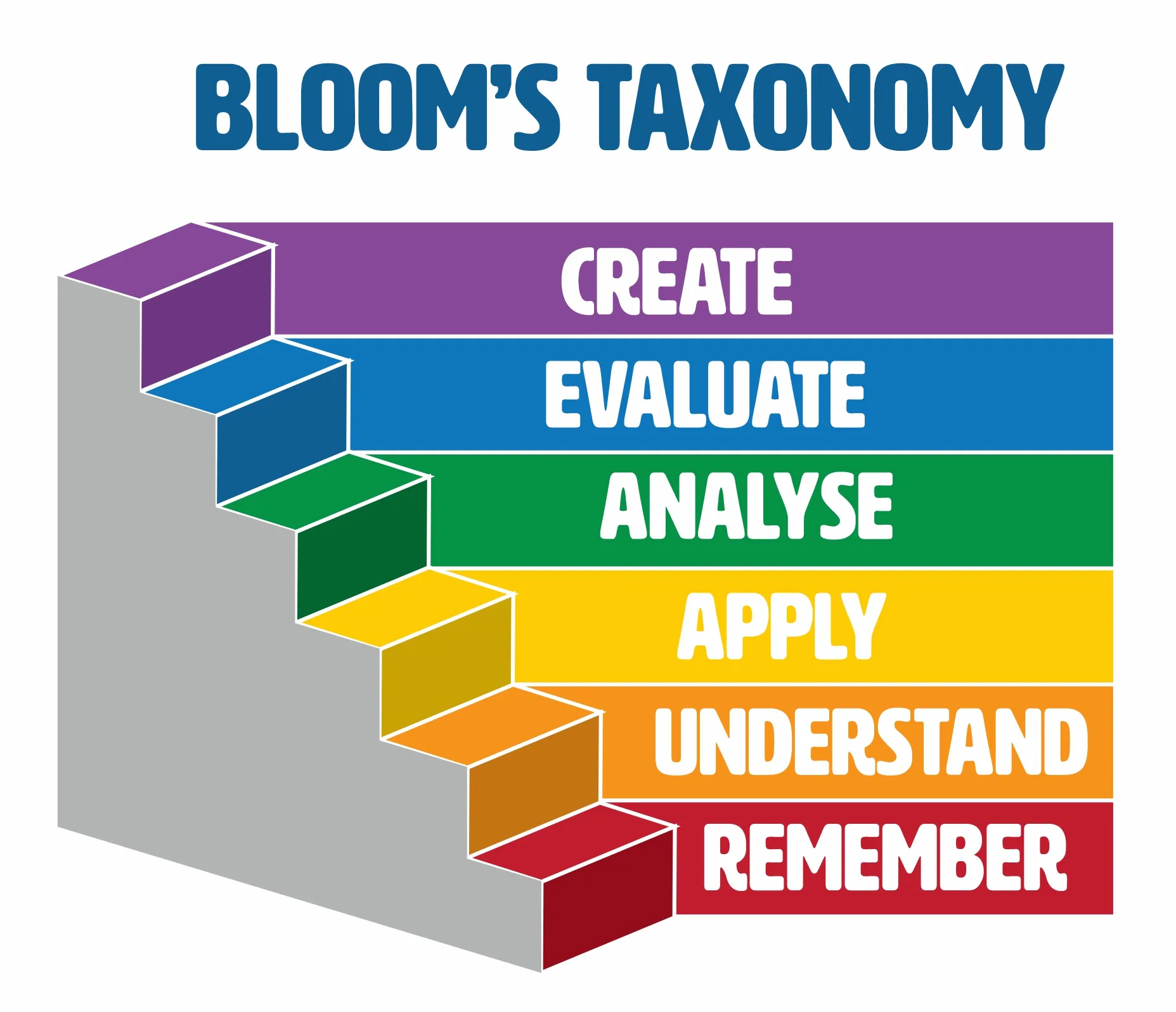
WALT (We Are Learning To)
Understand the basic structure of atoms Identify the differences between elements, compounds and mixtures Use chemical symbols and formulae correctly Explain how substances combine and separate

Build an Atom - Starter Activity
Work in pairs Use model kits or cut-outs Build a basic atom showing protons, neutrons, electrons Remember: protons define the element!

What is an Element?
Made of only ONE type of atom Cannot be broken down into simpler substances Each element has a unique chemical symbol Examples: Hydrogen (H), Oxygen (O), Carbon (C)

Compounds vs Mixtures
{"left":"Compounds: Atoms of different elements chemically bonded together\nFixed ratios and properties\nCannot be easily separated\nExamples: Water (H₂O), Carbon dioxide (CO₂)","right":"Mixtures: Two or more substances physically mixed\nVariable ratios\nCan be separated by physical methods\nExamples: Salt water, air, fruit salad"}

Sorting Challenge
Work in groups of 3-4 Sort substance cards into: Elements, Compounds, Mixtures Explain your reasoning to the class Use sentence starters if helpful: 'This is a compound because...'
Quick Check - Can You Identify?
Is water (H₂O) an element, compound, or mixture? What particles are found in ALL atoms? Give an example of a mixture you might find in your kitchen Why can mixtures be separated but compounds cannot?

Success Criteria - Can You Now...
Describe the parts of an atom: protons, neutrons, electrons Define elements, compounds and mixtures in simple terms Use chemical symbols (H, O) and formulae (H₂O, CO₂) Explain the difference between compounds and mixtures with examples