
Budgeting & Saving: Take Control
KS5 PSHE Lesson Financial Literacy for Year 12 Building Your Financial Future

Starter Activity: Money Mindset Check
Write down 3 things you spent money on this week Rate each purchase: Essential (E) or Want (W) Share one example with your partner Discuss: What surprised you about your spending?
Learning Objectives
Understand the importance of budgeting and saving Learn practical budgeting techniques and tools Identify different types of savings accounts Create a personal budget plan Develop strategies for achieving financial goals

Why Budget?
Think-Pair-Share: Why do you think budgeting is important? What happens when people don't budget? Share your thoughts with the class
The Benefits of Budgeting
Control over your money Avoid debt and financial stress Save for future goals Make informed spending decisions Build financial confidence Prepare for emergencies

Needs vs Wants
{"left":"Rent/Accommodation\nFood and groceries\nTransportation\nUtilities (gas, electric)\nInsurance\nMinimum debt payments","right":"Entertainment\nDining out\nLatest gadgets\nDesigner clothes\nSubscription services\nImpulse purchases"}
The 50/30/20 Budget Rule
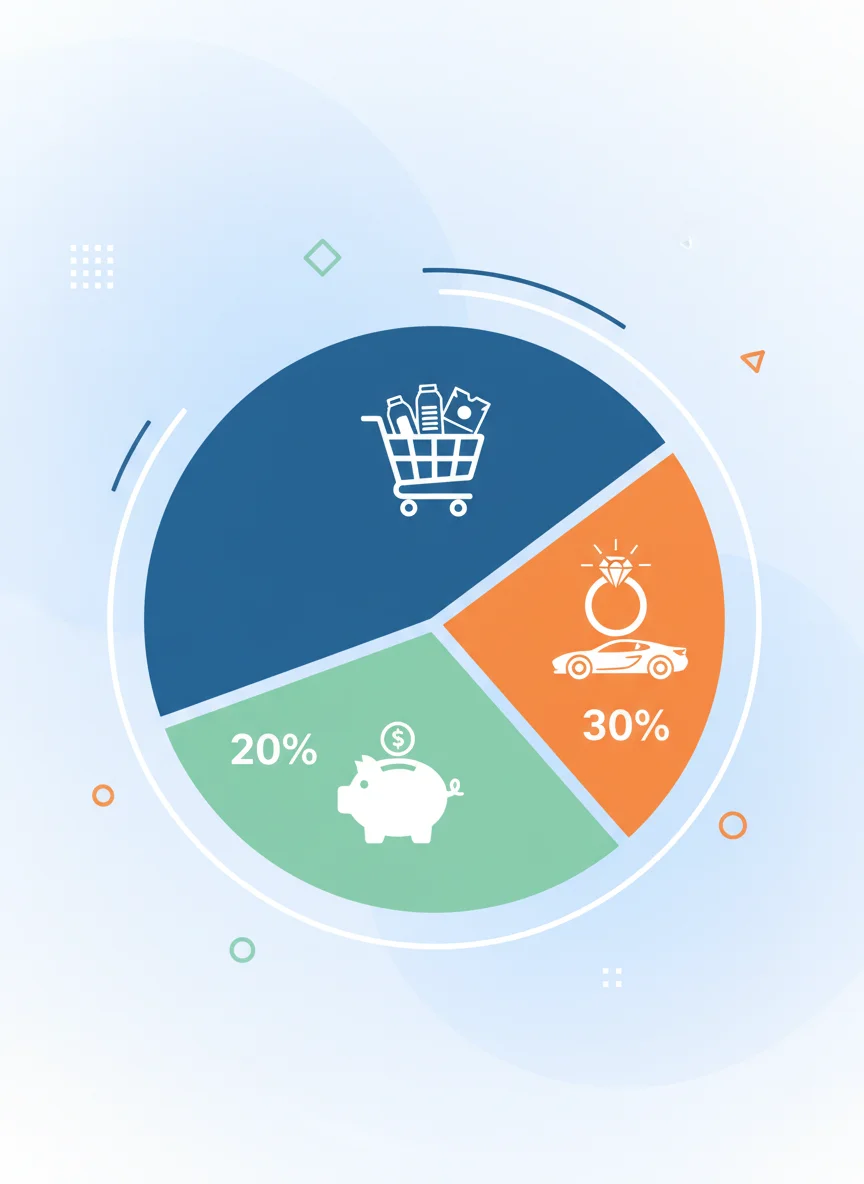
50% - Needs (essentials) 30% - Wants (discretionary spending) 20% - Savings and debt repayment Simple and flexible approach Good starting point for beginners Adjust percentages based on your situation
Budget Calculation Activity
Monthly income: £800 (part-time job) Calculate your 50/30/20 budget Needs (50%): £____ Wants (30%): £____ Savings (20%): £____ Discuss: Is this realistic for a student?
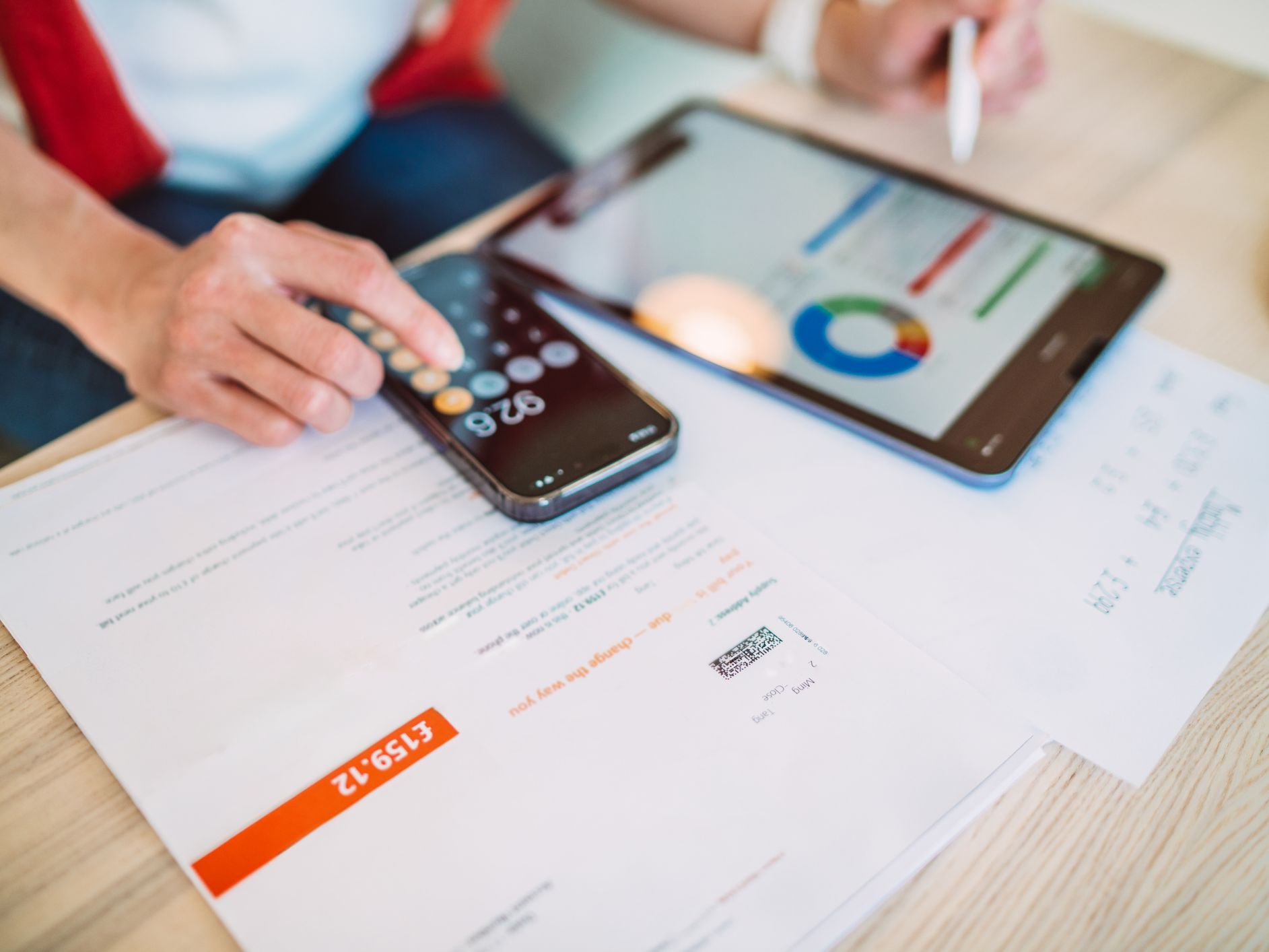
Budgeting Tools and Apps
YNAB (You Need A Budget) - youneedabudget.com Mint - mint.com PocketGuard - pocketguard.com Goodbudget - goodbudget.com Bank apps (Monzo, Starling, NatWest) Simple spreadsheets (Google Sheets/Excel)
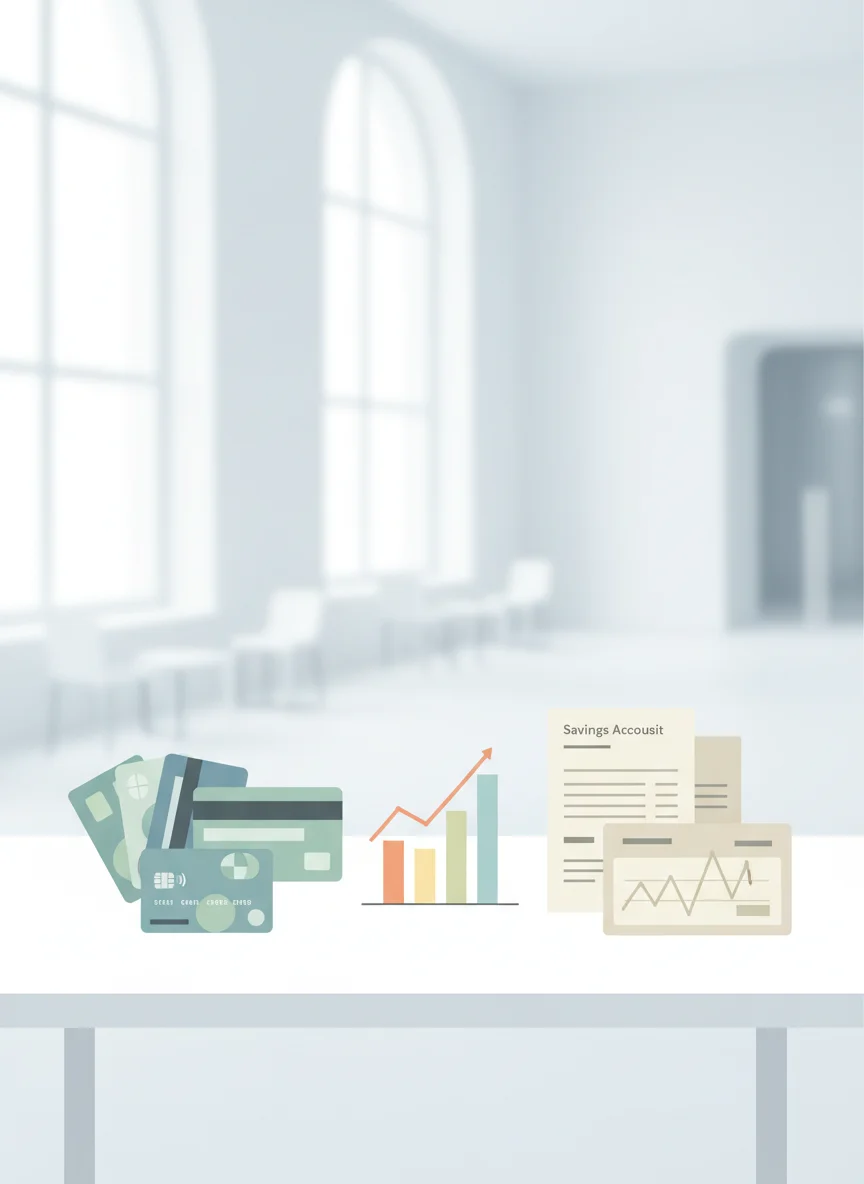
Types of Savings Accounts
Current Account - daily transactions, low/no interest Instant Access Savings - easy withdrawal, low interest Notice Accounts - higher interest, withdrawal restrictions Fixed-Term Bonds - highest interest, money locked away ISAs - tax-free savings up to £20,000/year Compare rates at moneysupermarket.com
Savings Goals Quiz
Quick Quiz: 1. What's the recommended emergency fund size? 2. What does ISA stand for? 3. Name one advantage of a fixed-term savings account Write your answers down!
Building Your Emergency Fund
Start with £500-£1000 goal Aim for 3-6 months of expenses eventually Keep in instant access savings account Use for true emergencies only Car repairs, medical bills, job loss NOT for holidays or shopping!
4 more slides available after you open the deck.
Download all 16 slidesMore Art slide decks
Other ready-to-teach art decks for UK classrooms.


