
Building Healthy Friendships and Communication
Year 7 PSHE Understanding friendship qualities Developing communication skills Handling peer pressure
Learning Intentions
L.I. by the end of this lesson I can: List 3 qualities of a good friend and why they matter. Describe strategies to handle peer pressure effectively. Share a personal friendship experience for reflection.
What Makes a Good Friend?
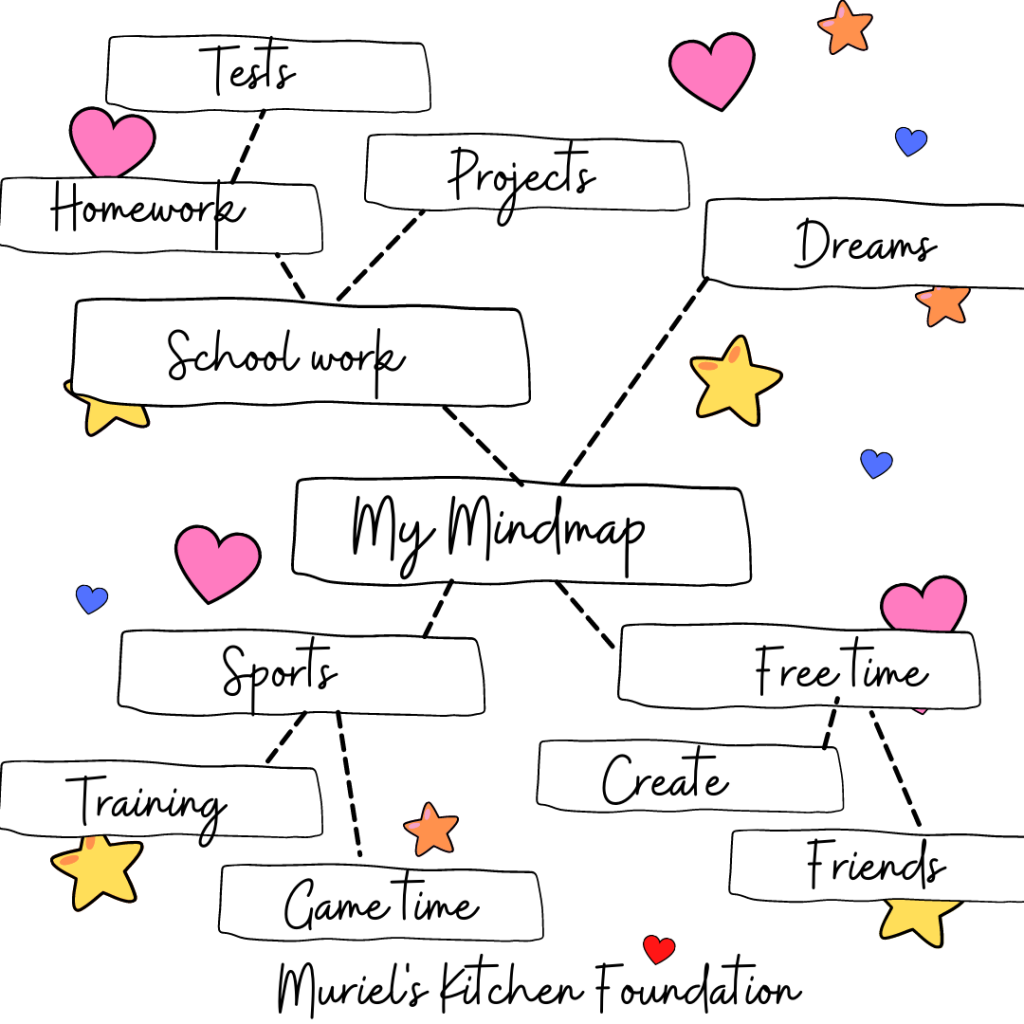
Think about your best friend What qualities do they have? Share one word that describes a good friend We'll create a class mind map together
Key Qualities of Healthy Friendships
Trust - keeping secrets and being reliable Respect - accepting differences and boundaries Support - being there during good and difficult times Communication - listening actively and sharing honestly Fun - enjoying time together and making positive memories
Discussion Question
Have you ever been in a situation where a friend pressured you to do something you weren't comfortable with? How did it make you feel? What could you have said or done differently?
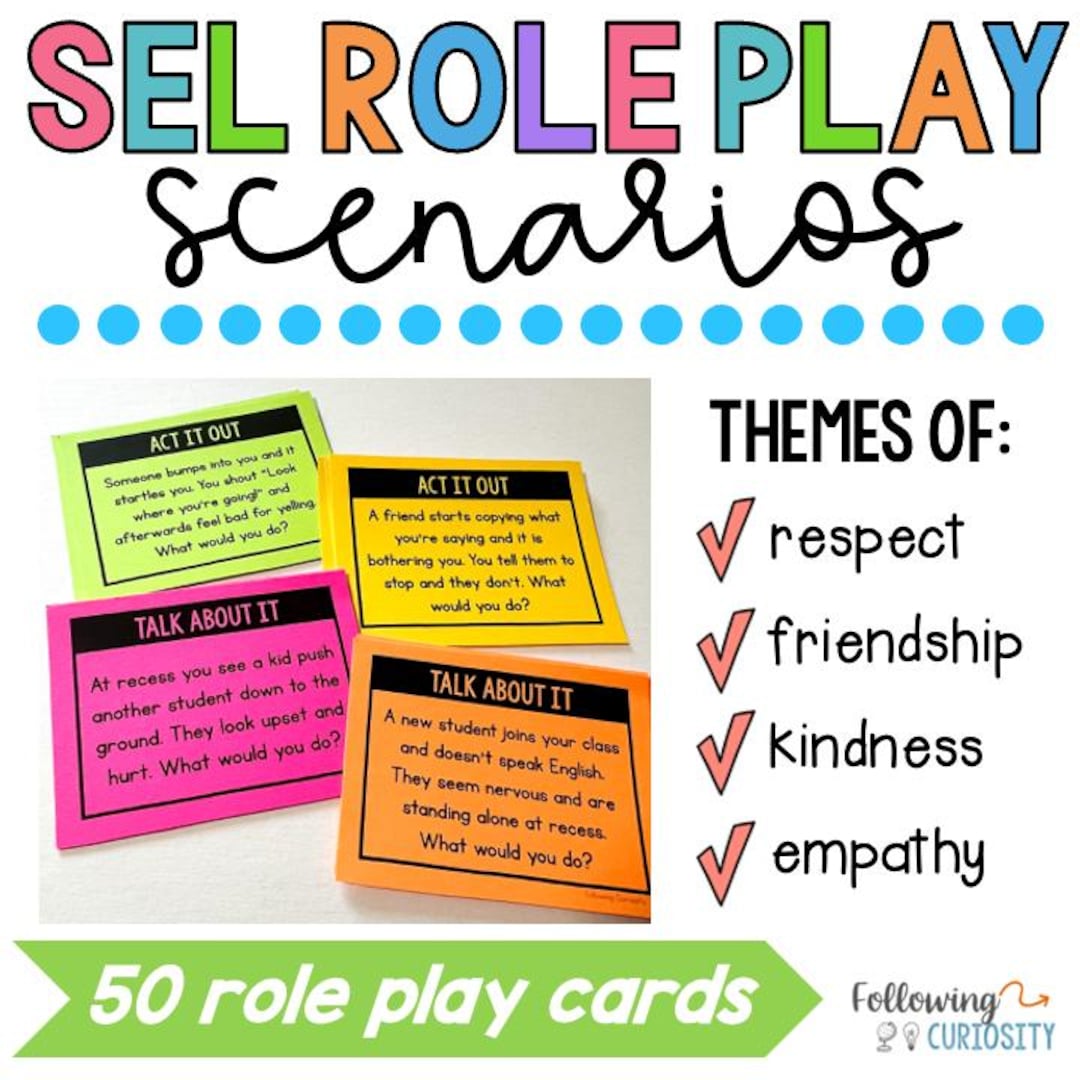
Role-Play: Communication & Peer Pressure
Work in pairs Each pair gets a scenario card Practice assertive communication Focus on saying 'no' respectfully but firmly Show how good friends support each other
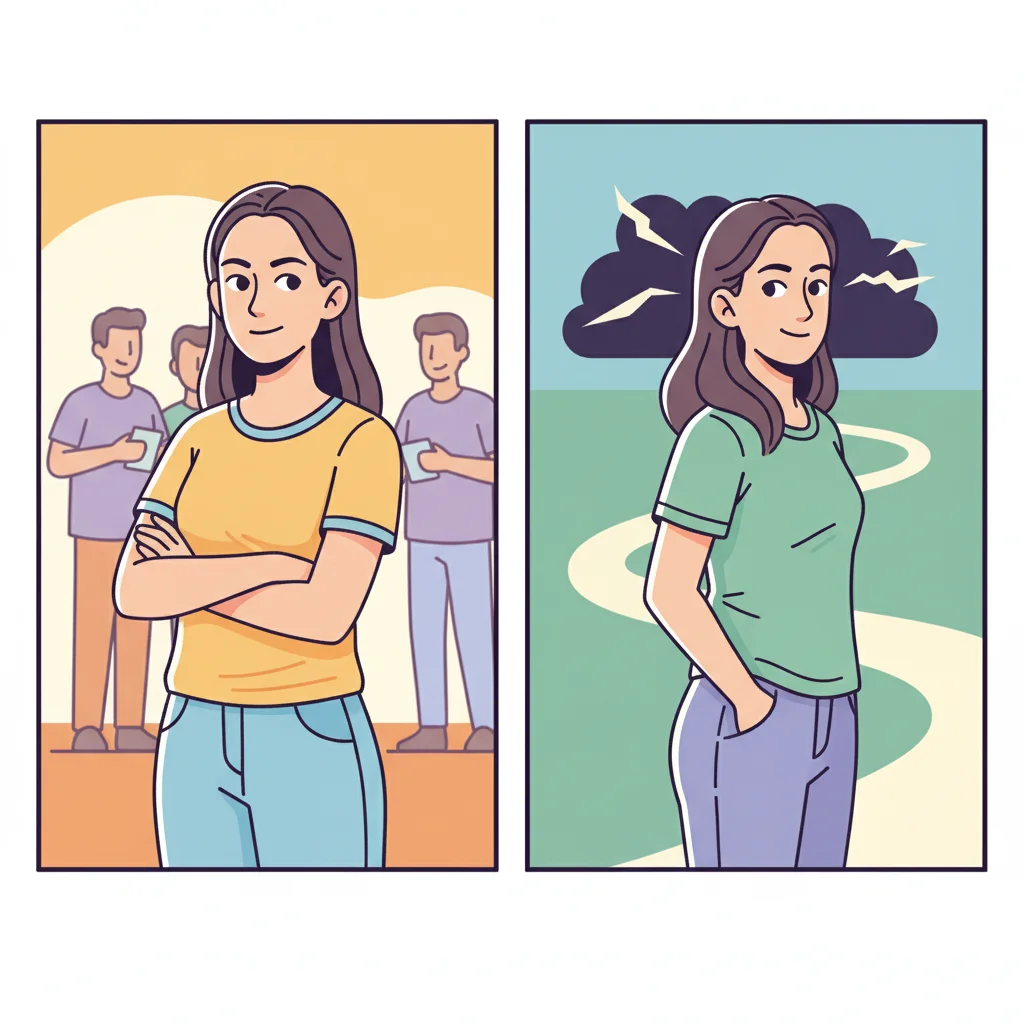
Strategies for Handling Peer Pressure
{"left":"Use 'I' statements to express your feelings\nSuggest alternative activities you're comfortable with\nFind friends who respect your values","right":"Practice saying no in a calm, confident voice\nWalk away if the pressure continues\nTalk to a trusted adult when needed"}

Reflection Time
Think about a friendship challenge you've faced What qualities do you most appreciate in your friends? How can you be a better friend to others? Write or draw your thoughts - you can share if you want to
Remember
'Healthy friendships are built on trust, respect, and communication. Good friends support each other's growth and respect each other's boundaries.'