Cardiovascular Disease: Heart Health Essentials
Year 12 Medical Science Understanding Heart Health and Disease Prevention

The Cardiovascular System: Structure and Function
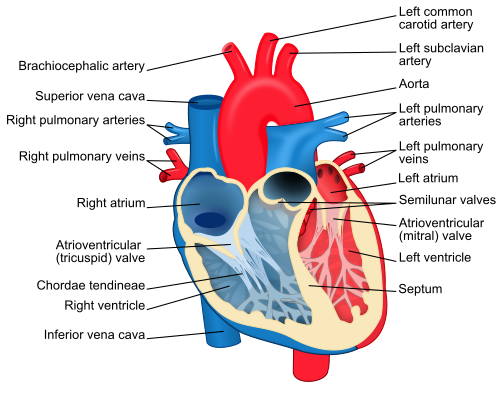
Heart: Four-chambered muscular pump Blood vessels: Arteries, veins, and capillaries Blood: Transport medium for oxygen and nutrients Circulatory pathways: Pulmonary and systemic circulation

Blood Flow Through the Heart
Major Cardiovascular Diseases
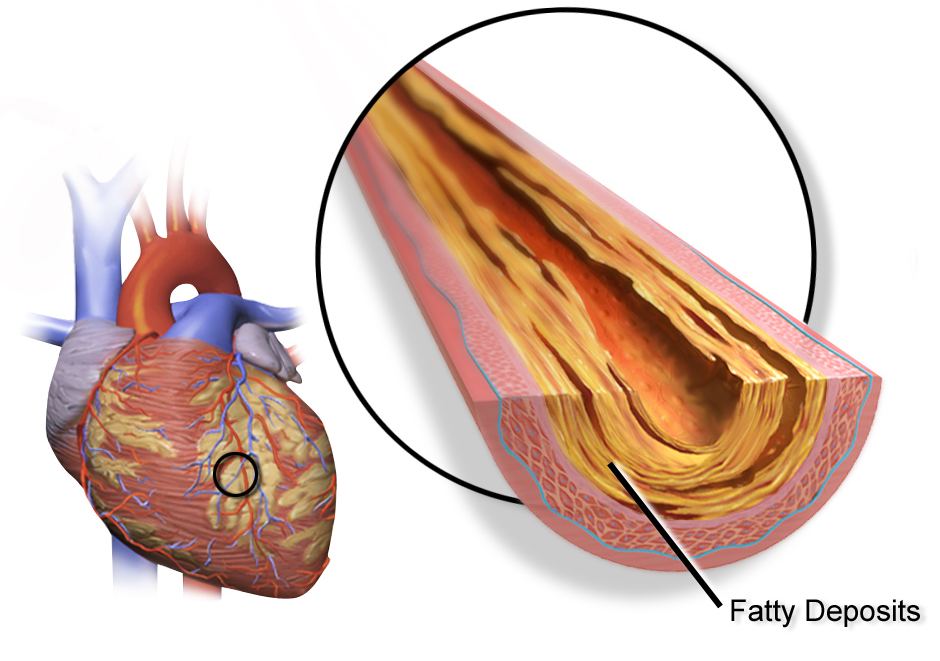
Coronary Artery Disease (CAD): Narrowing of coronary arteries Hypertension: Persistently high blood pressure Heart Failure: Heart cannot pump blood effectively Arrhythmias: Irregular heart rhythms Stroke: Blocked or ruptured blood vessel in brain

Risk Factors for Cardiovascular Disease
{"left":"Modifiable Risk Factors\nSmoking and tobacco use\nPoor diet high in saturated fats\nPhysical inactivity\nObesity\nExcessive alcohol consumption\nStress and poor mental health","right":"Non-Modifiable Risk Factors\nAge (risk increases with age)\nGender (males at higher risk)\nFamily history and genetics\nEthnicity\nPrevious cardiovascular events"}

Signs and Symptoms to Recognize
Chest pain or discomfort (angina) Shortness of breath during activity or rest Fatigue and weakness Irregular heartbeat or palpitations Swelling in legs, ankles, or feet Dizziness or lightheadedness Pain in neck, jaw, throat, or back

Case Study Analysis
Patient: 55-year-old male, smoker, family history of heart disease Symptoms: Chest pain during exercise, shortness of breath Test results: High cholesterol, elevated blood pressure Task: Work in pairs to identify risk factors and recommend diagnostic tests

Diagnostic Methods and Tests
Electrocardiogram (ECG): Records electrical activity of heart Echocardiogram: Ultrasound imaging of heart structure Stress testing: Heart function during physical activity Cardiac catheterization: Direct visualization of coronary arteries Blood tests: Cholesterol, troponins, BNP levels CT and MRI scans: Detailed imaging of heart and vessels

Treatment and Management Options
Medications: ACE inhibitors, beta-blockers, statins, antiplatelet drugs Surgical interventions: Angioplasty, bypass surgery, pacemakers Lifestyle modifications: Diet, exercise, smoking cessation Cardiac rehabilitation: Supervised recovery programs Emergency treatments: Thrombolysis, defibrillation

Prevention: The Best Medicine
"An ounce of prevention is worth a pound of cure" - Benjamin Franklin Regular exercise: 150 minutes moderate activity per week Heart-healthy diet: Mediterranean or DASH diet patterns Maintain healthy weight and blood pressure Avoid smoking and limit alcohol consumption Manage stress and get adequate sleep