Chemical Reactions: Types and Equations
Year 10 Chemistry Understanding Different Reaction Types Writing Word Equations

Do It Now: Retrieval Practice
Question 1: What is a word equation? Question 2: Name one reaction type from previous lessons Question 3: What happens during combustion? Discuss answers with your partner for 1 minute

WALT: We Are Learning To...
Identify and define key types of chemical reactions Distinguish between reversible and irreversible reactions Write word equations for different reaction types Apply understanding in practice questions
Displacement Reactions
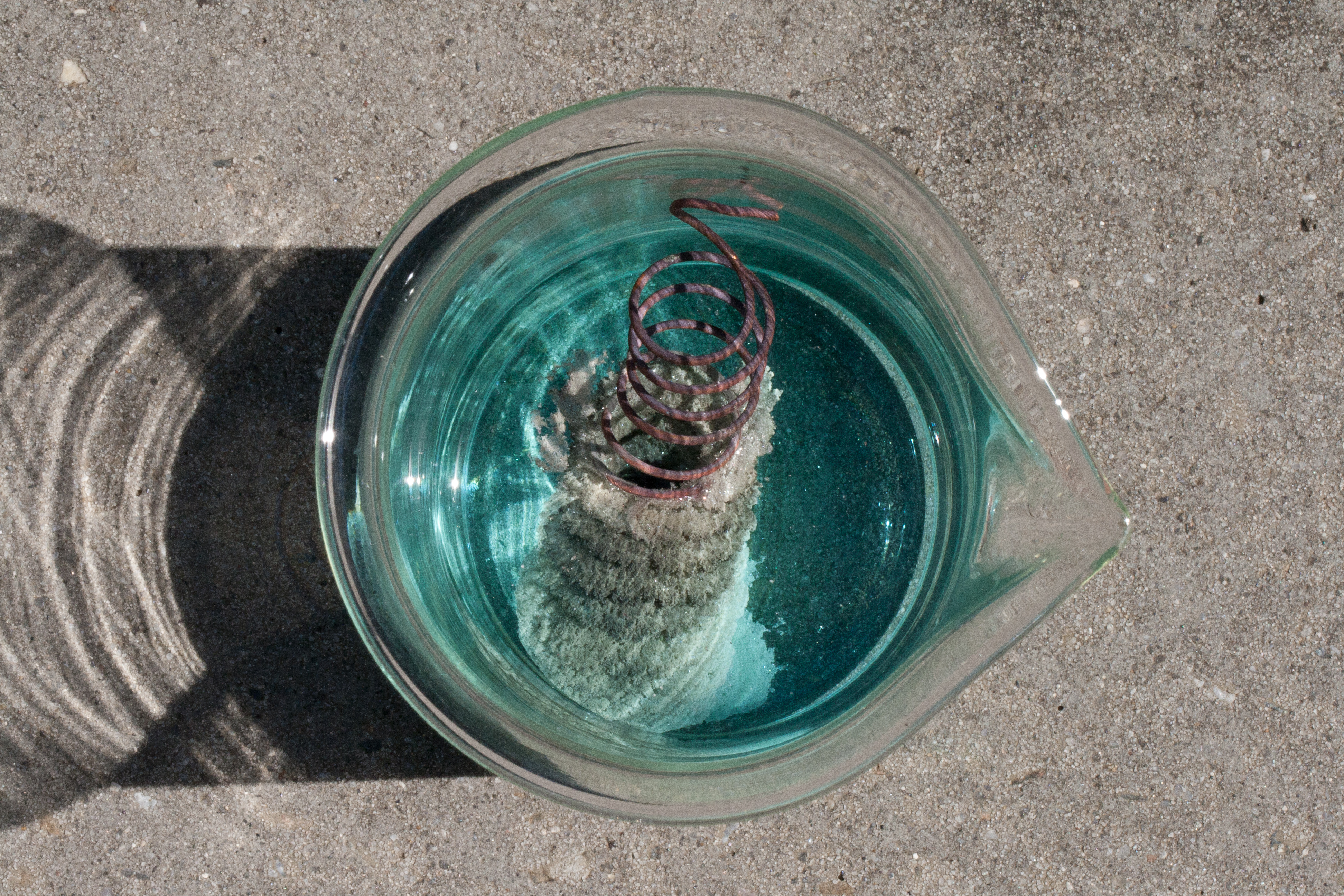
A more reactive metal displaces a less reactive metal from its compound Example: Zinc + Copper sulfate → Zinc sulfate + Copper The zinc 'pushes out' the copper because it's more reactive Always involves metals and metal compounds
Neutralisation Reactions
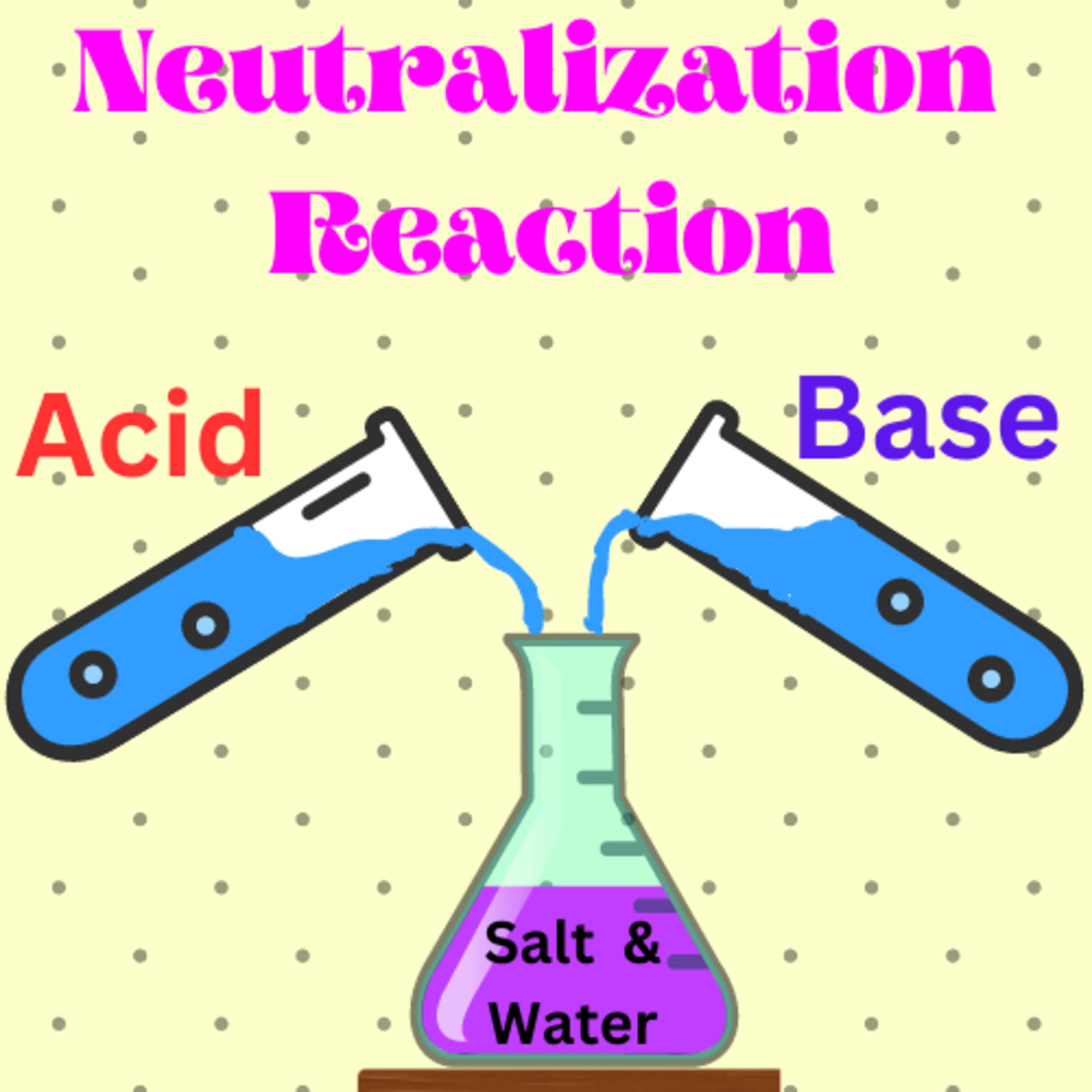
Acid + Base → Salt + Water The acid and base 'cancel each other out' Example: Hydrochloric acid + Sodium hydroxide → Sodium chloride + Water pH changes from acidic/basic to neutral (pH 7)
Combustion Reactions
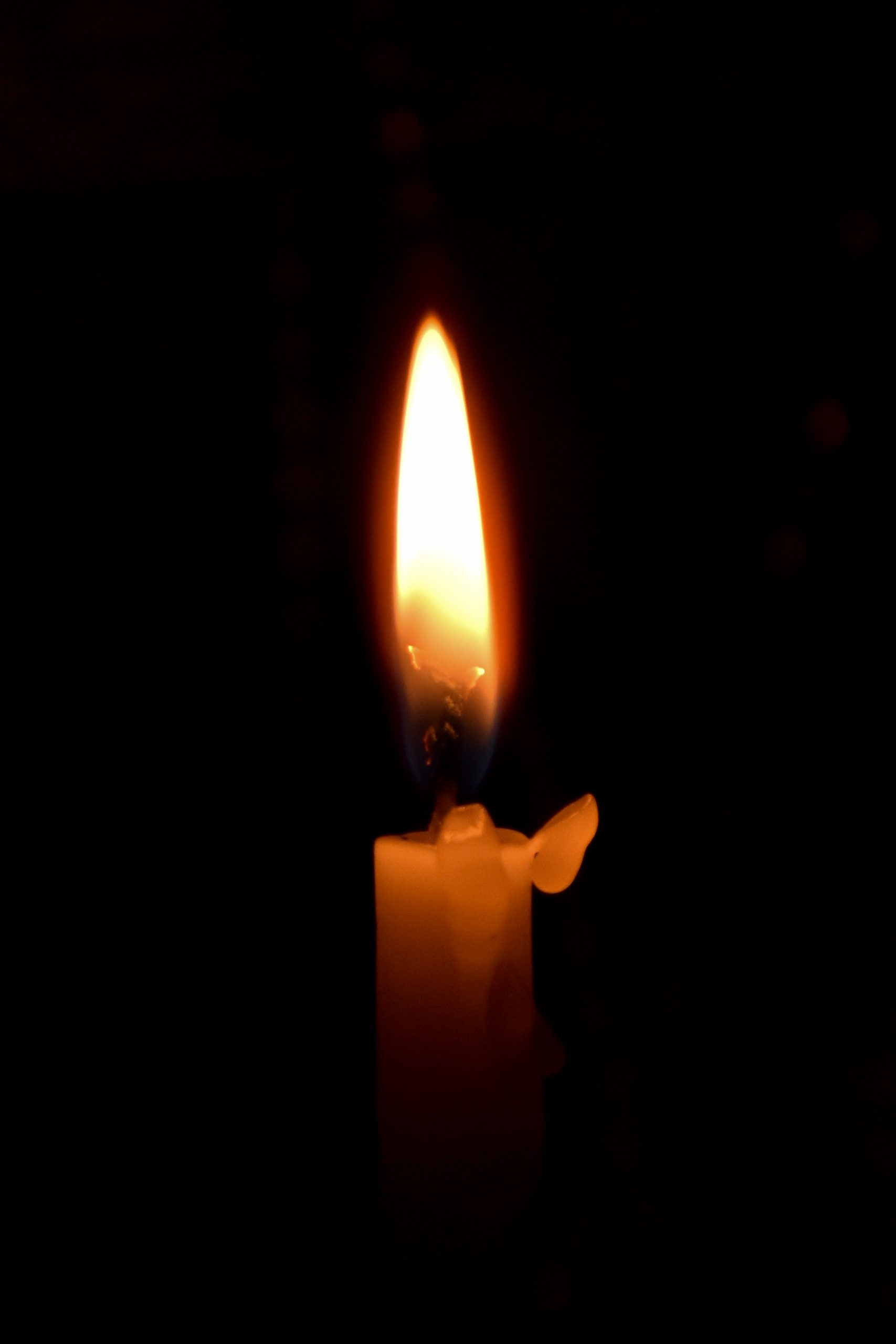
Fuel + Oxygen → Carbon dioxide + Water (+ Energy) Always involves burning and releasing energy Example: Methane + Oxygen → Carbon dioxide + Water Produces heat and light - think of a candle burning
Oxidation Reactions
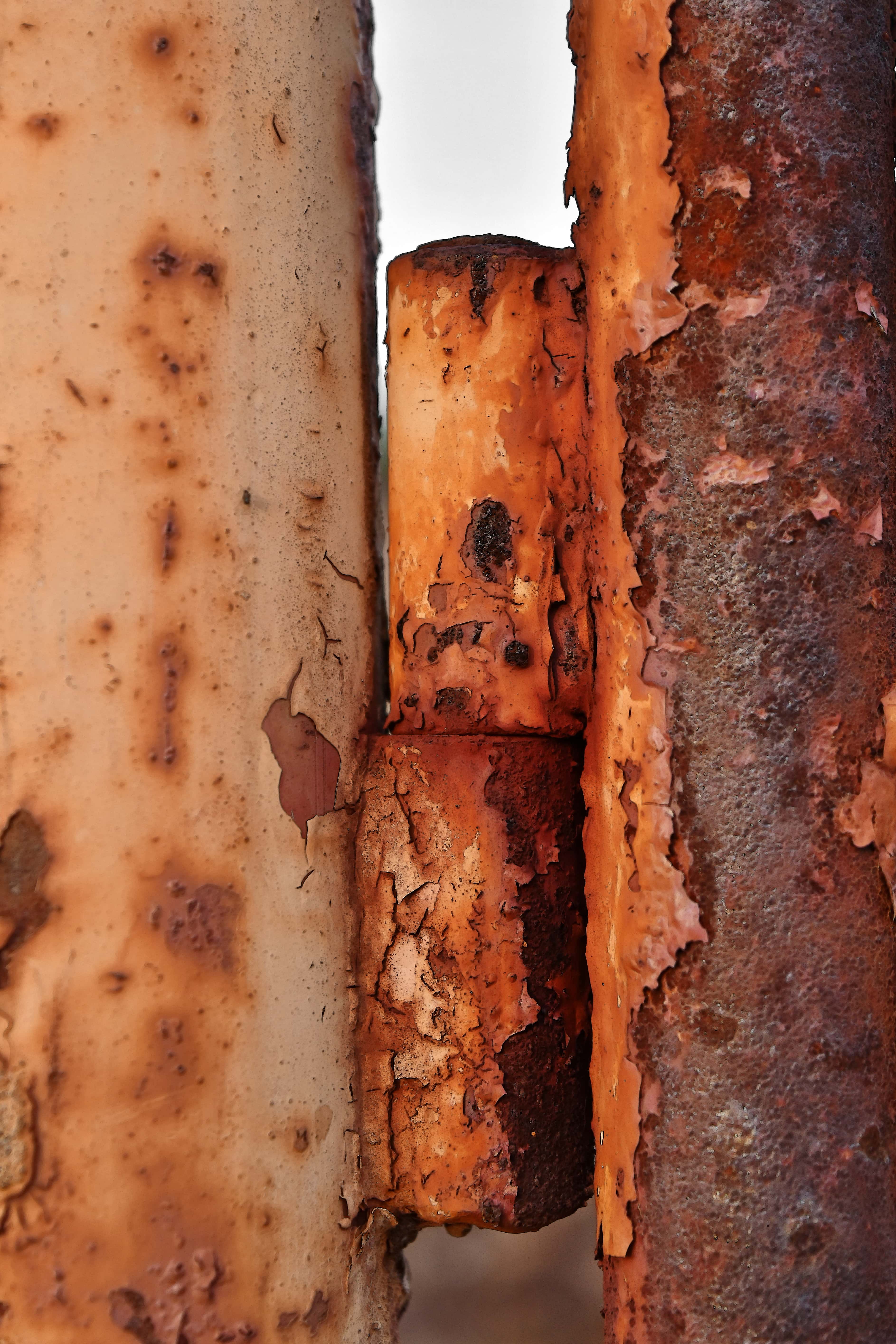
A substance gains oxygen or loses electrons Most common example: rusting of iron Iron + Oxygen + Water → Iron oxide (rust) Happens slowly over time - think of old cars rusting
Decomposition Reactions
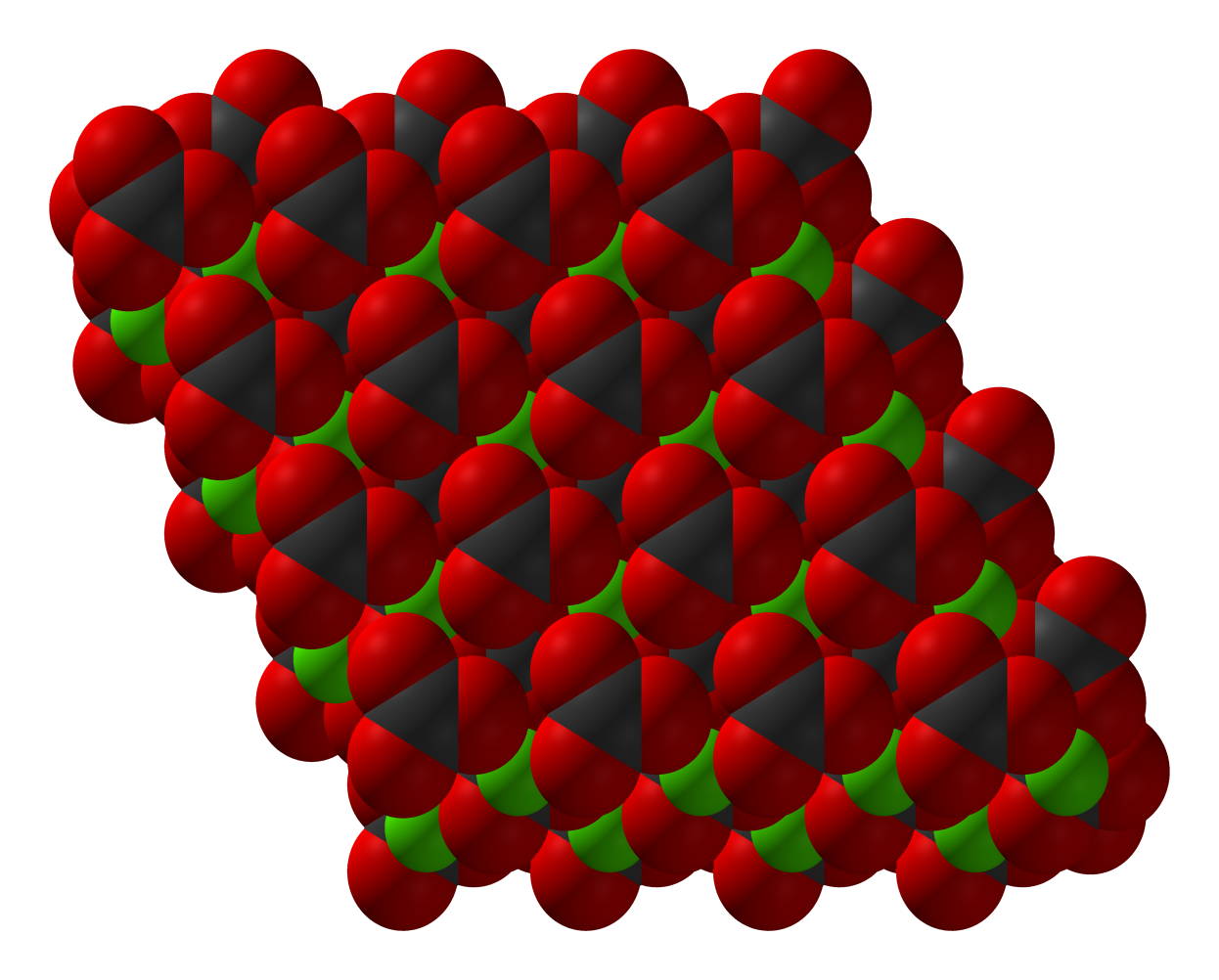
One compound breaks down into two or more simpler substances Often requires heat energy to break the bonds Example: Calcium carbonate → Calcium oxide + Carbon dioxide Think of it as the opposite of making a compound

Reversible vs Irreversible Reactions
{"left":"REVERSIBLE: Can go forwards and backwards\nProducts can change back to reactants\nExample: Heating copper sulfate crystals","right":"IRREVERSIBLE: Cannot be easily undone\nProducts cannot easily change back\nExample: Burning wood or cooking an egg"}
We Do: Guided Practice
Question 1: Magnesium + Hydrochloric acid → ? What type of reaction is this? Question 2: Iron + Oxygen → Iron oxide Is this reversible or irreversible? Why? Work with your partner - use mini whiteboards!
You Do: Independent Practice
Complete the worksheet independently Identify the reaction type Write the word equation Decide if it's reversible or irreversible Use word banks if you need help!
Plenary: Quick-Fire Quiz
What type of reaction is: Acid + Base → Salt + Water? Is combustion reversible or irreversible? Why? Complete: Zinc + Copper sulfate → ? Name one example of oxidation What do all combustion reactions produce?