
Coastal Geography: Types and Features
Exploring the amazing world of coastlines Year 6 Geography Understanding our shores

What is Coastal Geography?
The study of coasts and how they form Understanding the meeting place of land and sea Learning about coastal features and processes Discovering why coasts are important to people and wildlife
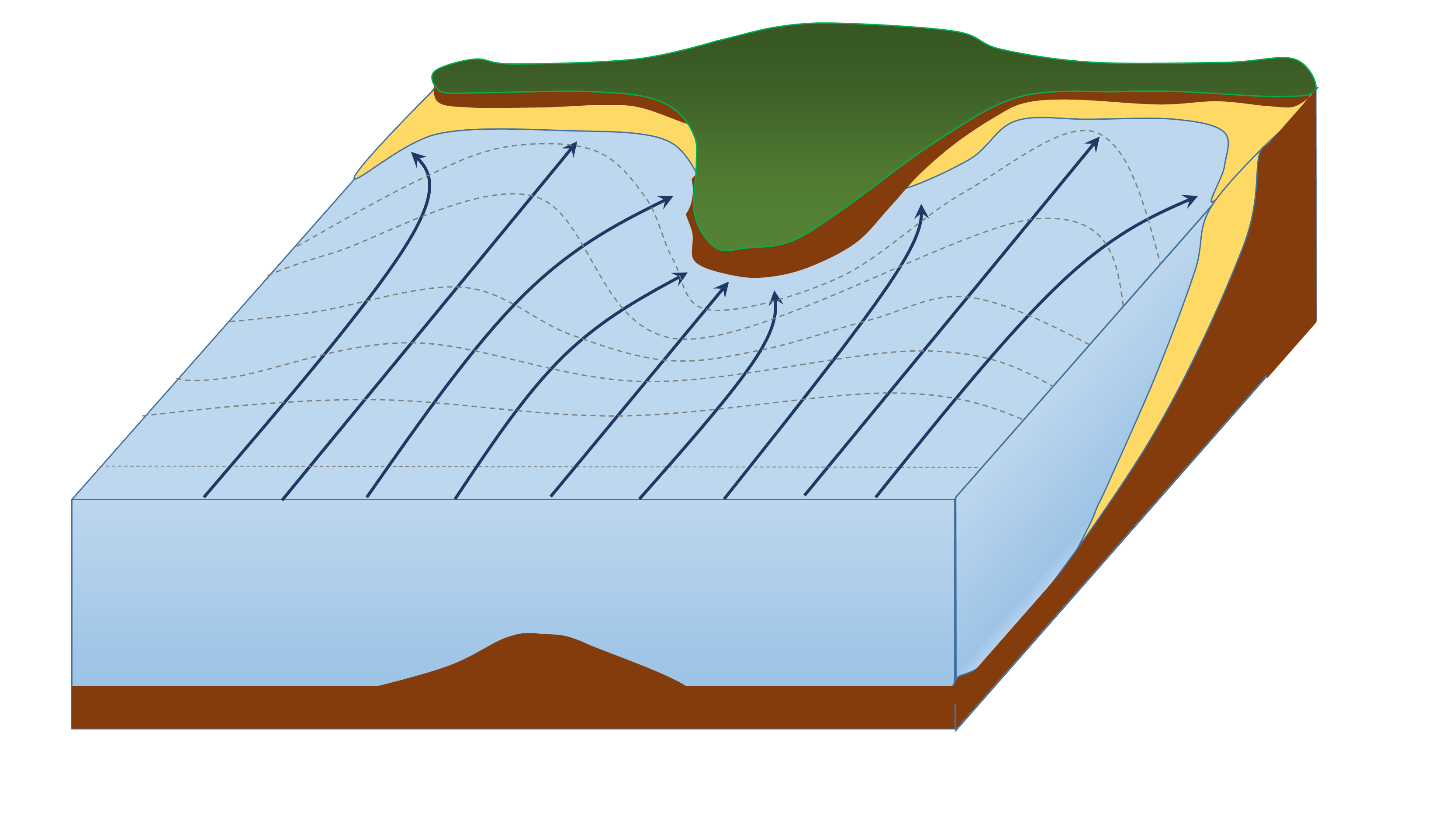
Key Coastal Features

Types of Coastlines
{"left":"Sandy Coastlines: Soft, golden beaches formed by deposited sand and sediment\nRocky Coastlines: Hard cliffs and headlands made of resistant rock formations","right":"Estuaries: Where rivers meet the sea, creating mudflats and salt marshes\nEach type has unique features and wildlife"}

Spot the Coastal Features!
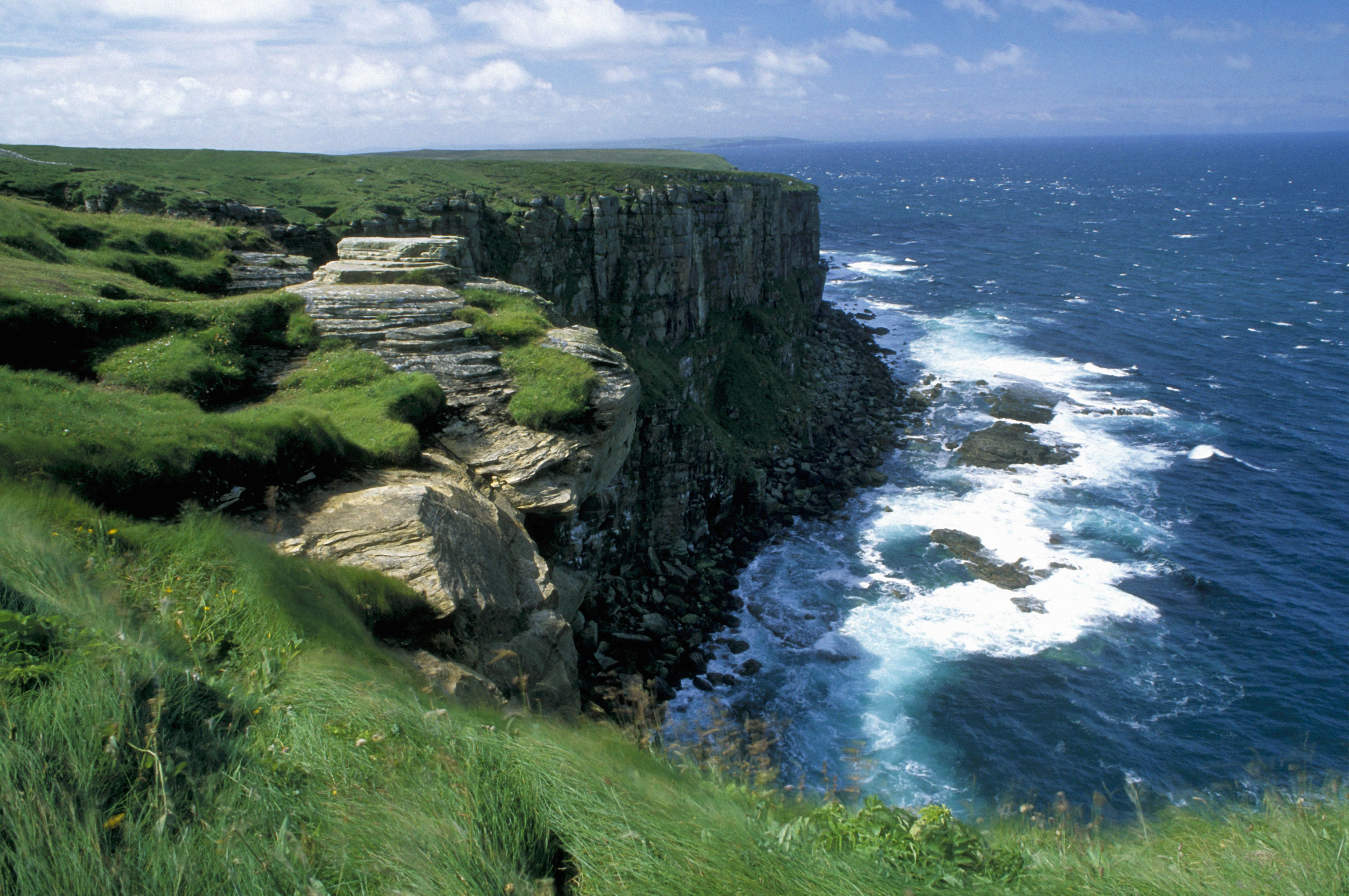
Look at the coastline image Can you identify: beach, cliff, bay, headland? Work with your partner Use your new vocabulary words

Why Are Coasts Important?
Homes for wildlife - seabirds, seals, marine life Places for people to live, work and visit Ports and harbours for shipping and trade Natural protection from storms and flooding Recreation - swimming, surfing, walking
Think and Discuss
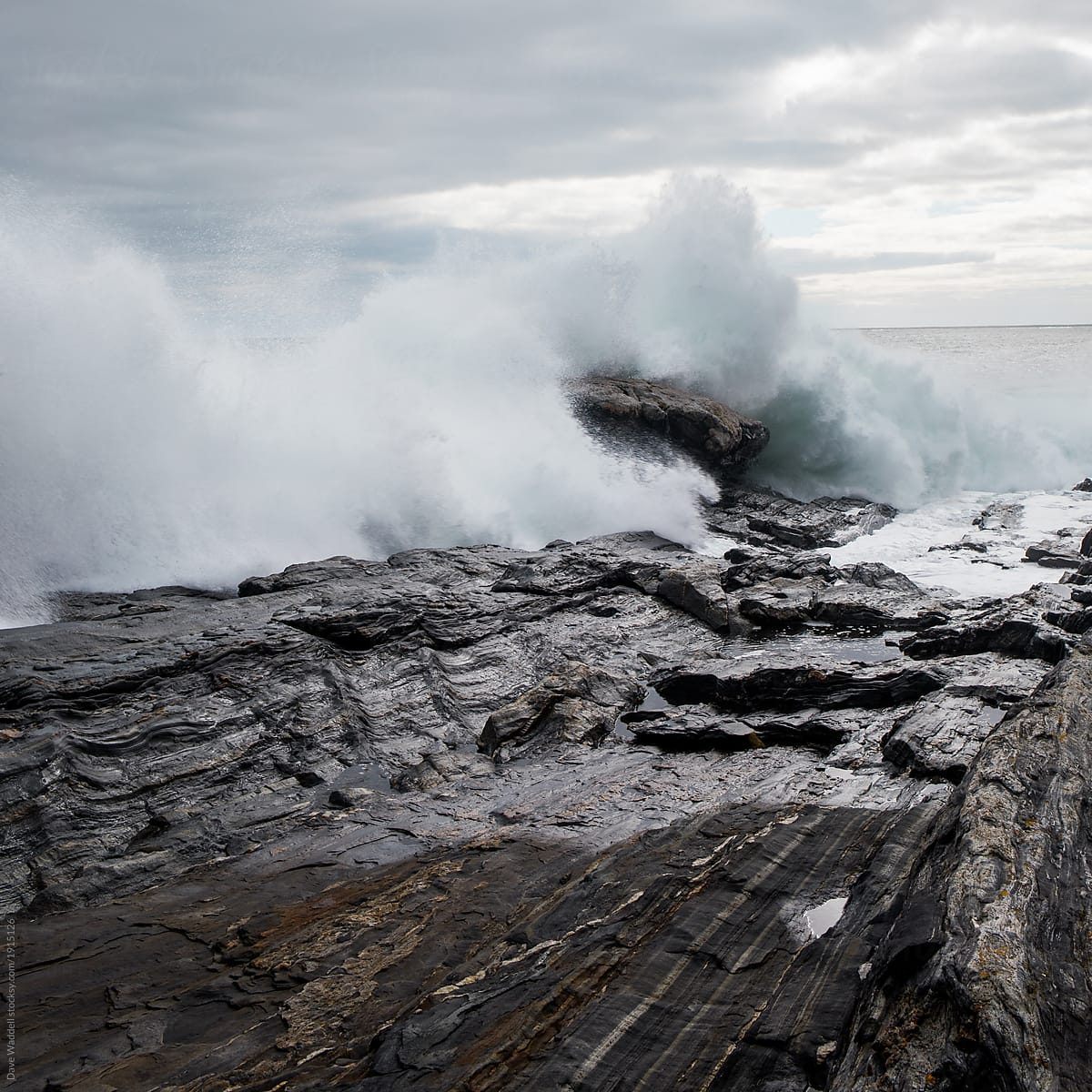
Why do you think some coasts have sandy beaches while others have rocky cliffs? What might happen to a coastline during a big storm? How do people use different types of coastlines?
What We've Learned Today
Coastal geography studies where land meets sea Three main types: sandy, rocky, and estuaries Key features: beaches, cliffs, bays, headlands Coasts are important for wildlife, people, and the economy Ready to explore more coastal wonders!