
Colonialism: Empire, Impact and Legacy
Understanding the historical impact of European expansion Exploring consequences for indigenous populations Examining the lasting effects on our modern world

What is Colonialism?
The practice of establishing colonies in foreign territories Political and economic control over another country Exploitation of resources and people Cultural domination and suppression of local traditions

Timeline of British Colonial Expansion

The British Empire at its Peak
Covered 25% of the world's land surface Ruled over 400 million people Spanned across six continents Known as 'the empire on which the sun never sets'

Case Study: British Rule in India
{"left":"East India Company established trading posts (1600s)\nBattle of Plassey gave British control (1757)\nDirect British rule after Indian Rebellion (1857)\nBritish Raj established with Queen Victoria as Empress","right":"Economic exploitation through taxation and trade\nIntroduction of railways and telegraph systems\nEnglish education system imposed\nIndependence movement led by Gandhi and others"}

The Scramble for Africa
Berlin Conference (1884-85) divided Africa among European powers No African representatives were present Artificial borders created without regard for ethnic groups Rich natural resources exploited Traditional societies disrupted
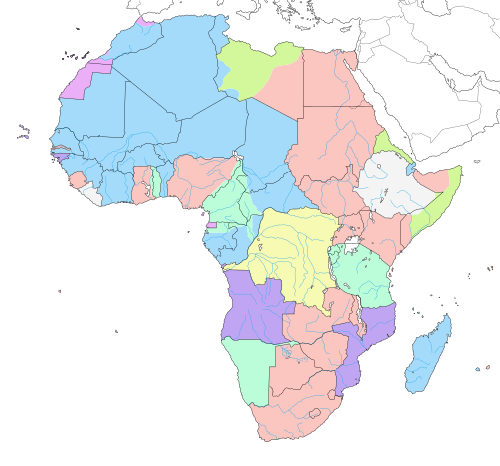
The Impact of Colonial Borders
'The boundaries of the new African states were drawn by Europeans for Europeans, with little regard for the peoples who lived there.' - Historian Basil Davidson
Impact on Indigenous Peoples
In pairs, research one indigenous group affected by colonialism Consider: population changes, cultural loss, land rights, language suppression Prepare a 2-minute presentation on your findings Examples: Aboriginal Australians, Native Americans, Maori people

Economic Impact of Colonialism
Raw materials extracted to benefit colonial powers Manufactured goods sold back to colonies at high prices Local industries destroyed or prevented from developing Wealth flowed from colonies to European capitals Created economic dependency that lasted after independence

Discussion: Cultural Impact
How did colonialism affect local cultures and traditions? What happened to indigenous languages and religions? Can you think of any positive cultural exchanges that occurred? How do we see colonial influence in culture today?

The Legacy of Colonialism Today
Political instability in some former colonies Economic inequality between developed and developing nations Ongoing debates about reparations and apologies Cultural renaissance and reclamation of indigenous identities Modern international institutions shaped by colonial history

Conclusion: Understanding Our World
Colonialism profoundly shaped the modern world Its effects continue to influence global politics and economics Understanding this history helps us make sense of current events We must learn from the past to build a more just future