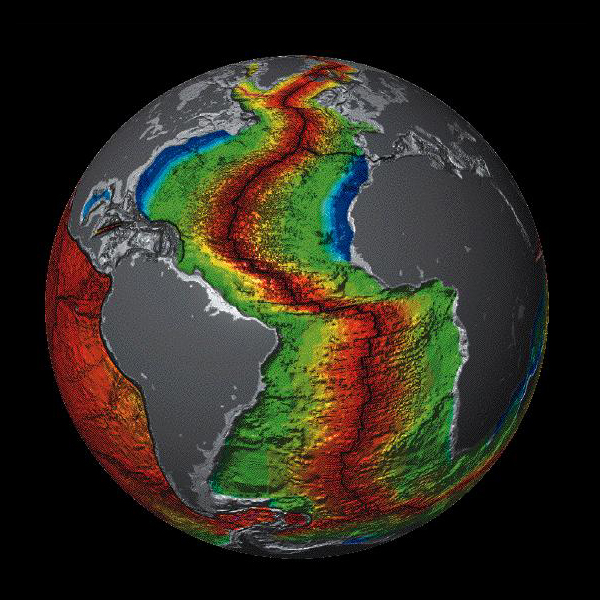
Constructive Plate Margins and Landforms
Year 9 Geography Exploring Earth's Features Understanding Divergent Boundaries

Starter Question
What happens when two tectonic plates move away from each other? Think about what might fill the gap between separating plates

What is a Constructive Plate Margin?
Also called divergent boundaries Two tectonic plates move away from each other New crust is created as magma rises to fill the gap Most common along mid-ocean ridges Can also occur on land as rift valleys

The Process of Seafloor Spreading
Landforms Created by Constructive Margins
{"left":"Mid-ocean ridges - underwater mountain ranges\nVolcanic islands - like Iceland and the Azores\nRift valleys - like the East African Rift","right":"New oceanic crust - expanding ocean floors\nHydrothermal vents - unique ecosystems\nSubmarine volcanoes - underwater volcanic activity"}

Modelling Activity
Work in pairs with modelling clay Create two 'plates' and slowly pull them apart Add red clay to represent rising magma Label your model: plates, magma, new crust Compare your model to real-world examples
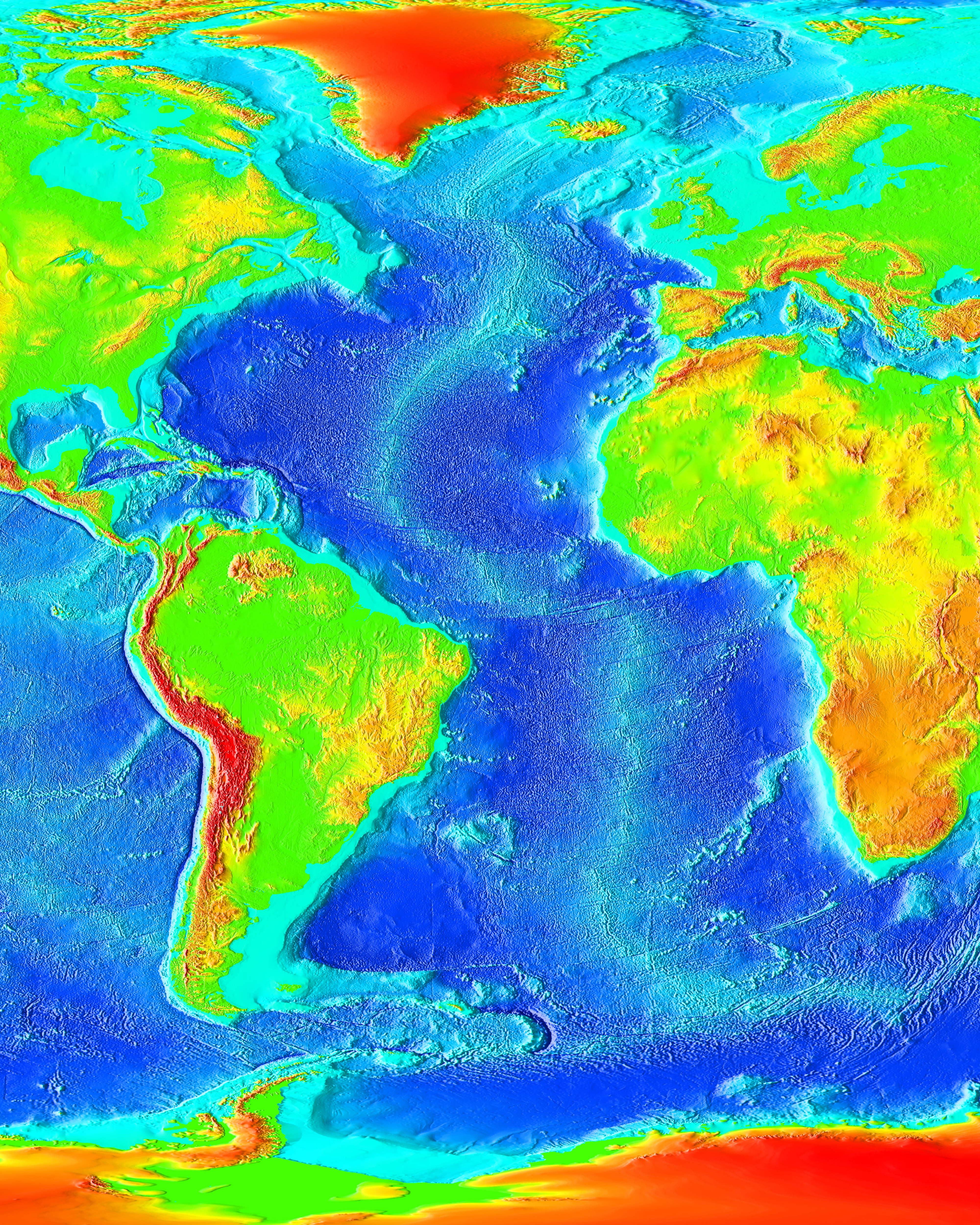
Real-World Examples
Mid-Atlantic Ridge - separates North America from Europe Iceland - sits directly on the ridge, volcanic activity East African Rift - continental constructive margin Red Sea - young ocean formed by divergence Galápagos Islands - volcanic islands from hotspot activity

Summary and Key Points
Constructive margins create new crust through seafloor spreading Magma rises to fill gaps between diverging plates Creates mid-ocean ridges, volcanic islands, and rift valleys Process is continuous and shapes Earth's surface Examples include Mid-Atlantic Ridge and East African Rift