Creative Writing Through Plot Structure
AQA English Language Paper One Year 10 Group Project: Story Planning & Writing
Learning Objectives
Understand the six-part plot structure framework Analyse how professional writers use this structure Plan and write a complete story in groups Apply techniques for AQA English Language Paper One

The Six-Part Plot Structure
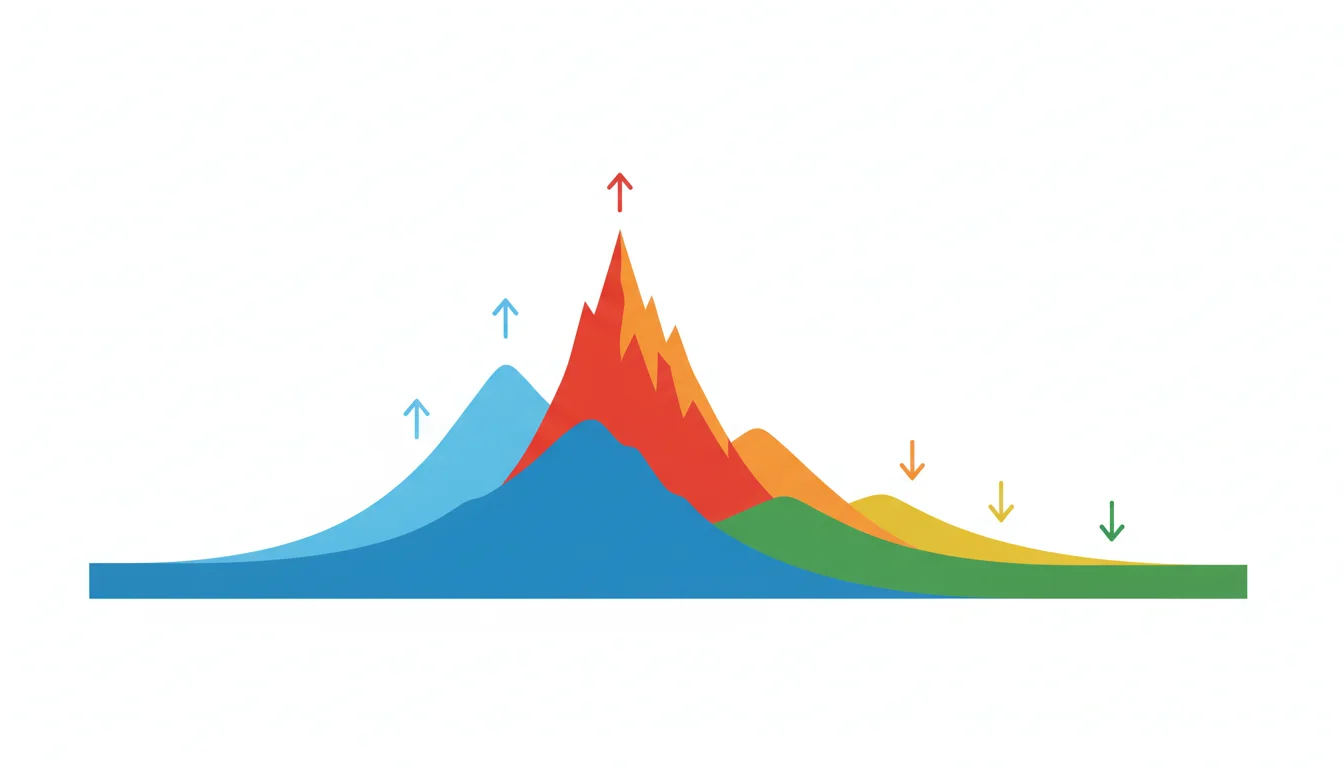
1. Wide perspective on the setting 2. Zoomed in detail 3. Introduction of tension 4. Shift in focus 5. The climax 6. The resolution
Plot Structure Visualised
Stage 1: Wide Perspective on Setting
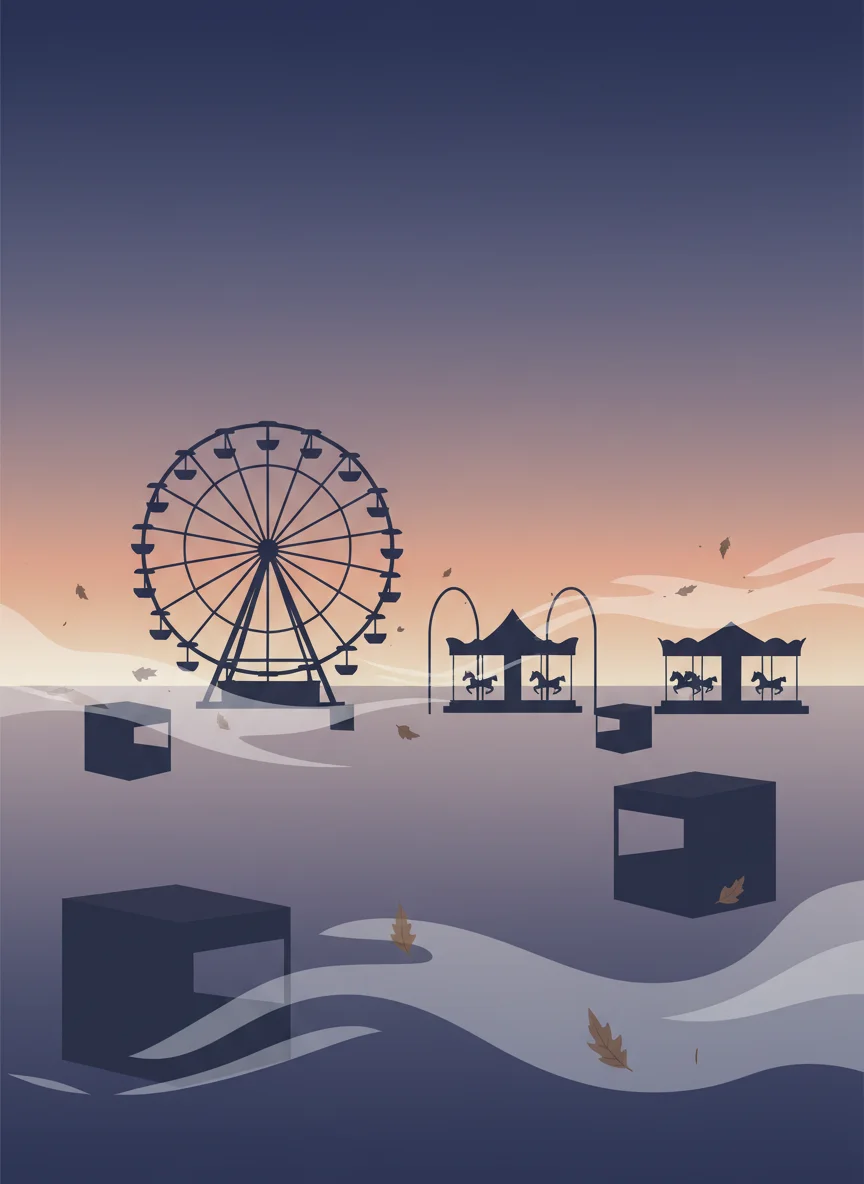
Establish the world of your story Give readers context and atmosphere Set the time, place, and general mood Example: 'The abandoned carnival stretched across the misty field, its rusted rides creaking in the autumn wind'

Stage 2: Zoomed In Detail
Focus on specific elements within the setting Use precise, vivid descriptions Engage the senses - sight, sound, smell, touch Example: 'Sarah's fingers traced the chipped paint of the carousel horse, its once-bright colours now faded to ghostly pastels'
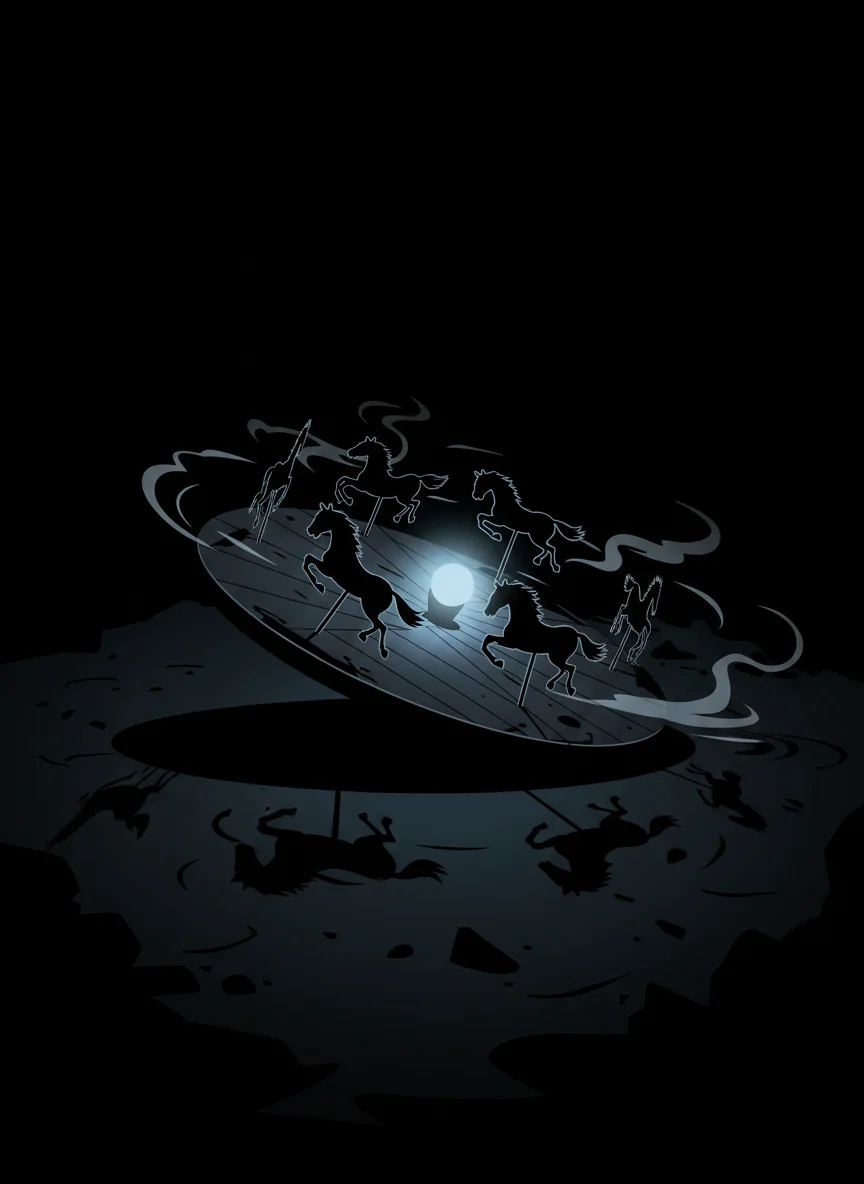
Stage 3: Introduction of Tension
Something changes or goes wrong Create unease or anticipation Introduce conflict or mystery Example: 'As Sarah stepped onto the carousel platform, the ancient mechanism groaned to life on its own'

Group Planning Activity
Form groups of 3 students Each group receives a scenario card Plan your story using the six-part structure Spend 15 minutes outlining each stage

Stages 4-6: Building to Resolution
Stage 4 - Shift in Focus: Change perspective or reveal new information Stage 5 - The Climax: Peak moment of tension or revelation Stage 6 - The Resolution: How things end or change
Reflection & Next Steps
How does this structure help create engaging stories? Which stage do you find most challenging to write? How will you apply this to your AQA exam preparation?