
Crime and Punishment Through History
Understanding how attitudes to crime and punishment have changed over time Year 7 History UK National Curriculum

What Are the Purposes of Punishment?
Retribution - 'An eye for an eye' - making criminals pay for their crimes Deterrence - Stopping others from committing crimes by showing consequences Reform - Helping criminals change their behaviour and become better citizens Which purpose do you think is most important today?

Think About This...
If you were designing a justice system, which purpose would you prioritize? Retribution - Making sure criminals 'get what they deserve' Deterrence - Scaring people away from crime Reform - Helping criminals become better people Be ready to explain your choice!

What Influences Attitudes to Punishment?
Government policies - Laws and political decisions Religious views - What different faiths teach about justice and forgiveness Social changes - How society develops and changes over time Prison reformers - People who campaigned to improve conditions Media influence - How newspapers and public opinion shape attitudes

Medieval Punishments Timeline

Medieval vs Modern Justice
{"left":"Public executions and humiliation\nTrial by ordeal - let God decide guilt\nPhysical punishments like branding\nCommunity-based justice","right":"Private trials in courtrooms\nEvidence-based legal system\nFocus on imprisonment\nProfessional police and courts"}
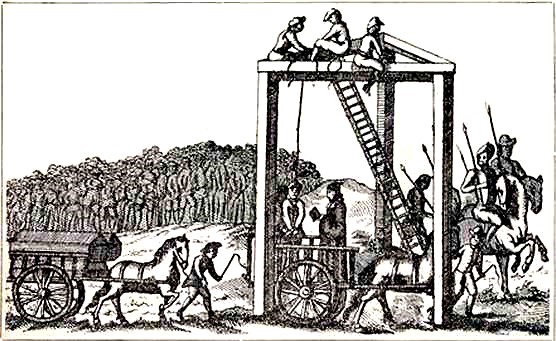
The Bloody Code (1700s-1800s)
Over 200 crimes punishable by death! Stealing goods worth more than 5 shillings = death penalty Even minor crimes like picking pockets could mean execution Designed to deter crime through fear But did it work? Crime rates actually increased! Many judges refused to convict because punishments were too harsh

Media Influence Activity
Imagine you're an 18th-century newspaper editor Write a headline about a public execution Consider: Would you support or criticize the Bloody Code? Think about how newspapers influenced public opinion Share your headline with the class!

Prison Reformers: Agents of Change
John Howard (1770s) - Visited prisons across Europe, exposed terrible conditions Elizabeth Fry (1810s) - Reformed women's prisons, introduced education and work Argued that prisons should reform criminals, not just punish them Their work led to the end of the Bloody Code Shifted focus from retribution to rehabilitation

Critical Thinking: What Works Best?
Based on what we've learned, which approach to punishment is most effective? Consider the evidence: - The Bloody Code's harsh deterrence failed - Medieval public shaming had mixed results - Prison reform showed rehabilitation could work What would you recommend for modern Britain?