
Data Types in Programming
AQA GCSE Computer Science (8525) Specification: 3.2.1 Data types
Lesson Purpose
Programs store and process data Different types of data exist Data types tell the computer how data should be handled
Learning Objectives
By the end of this lesson, you will be able to: Identify integer data Identify real data Identify Boolean data Identify character data Identify string data
What Is a Data Type?
A data type describes the kind of data being stored It determines: What values are allowed What operations can be performed Choosing the correct data type is essential
Why Data Types Matter
Prevent errors in programs Ensure calculations work correctly Make programs easier to understand Required for full marks in AQA exams

Overview of GCSE Data Types
AQA GCSE requires understanding of: Integer Real Boolean Character String
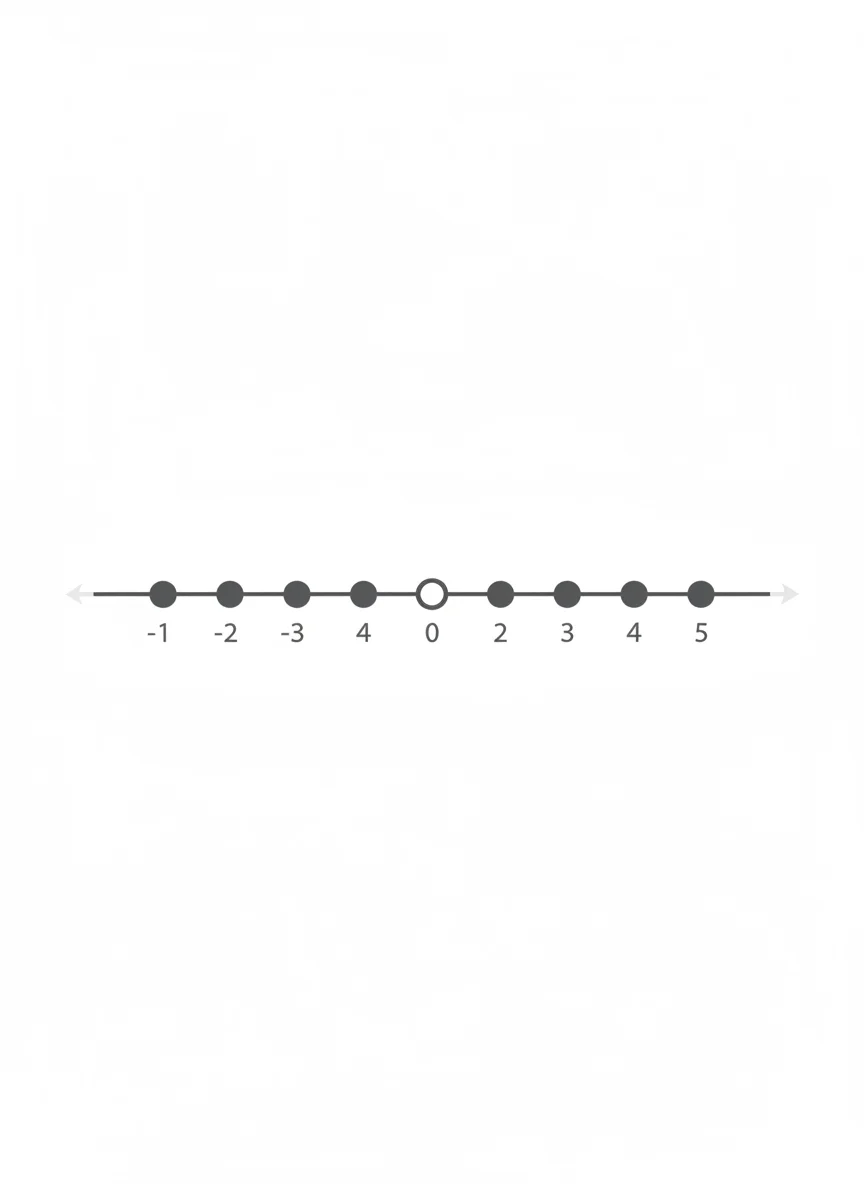
Integer Data Type
Stores whole numbers No decimal point Can be positive, negative, or zero Examples: 0 12 −45
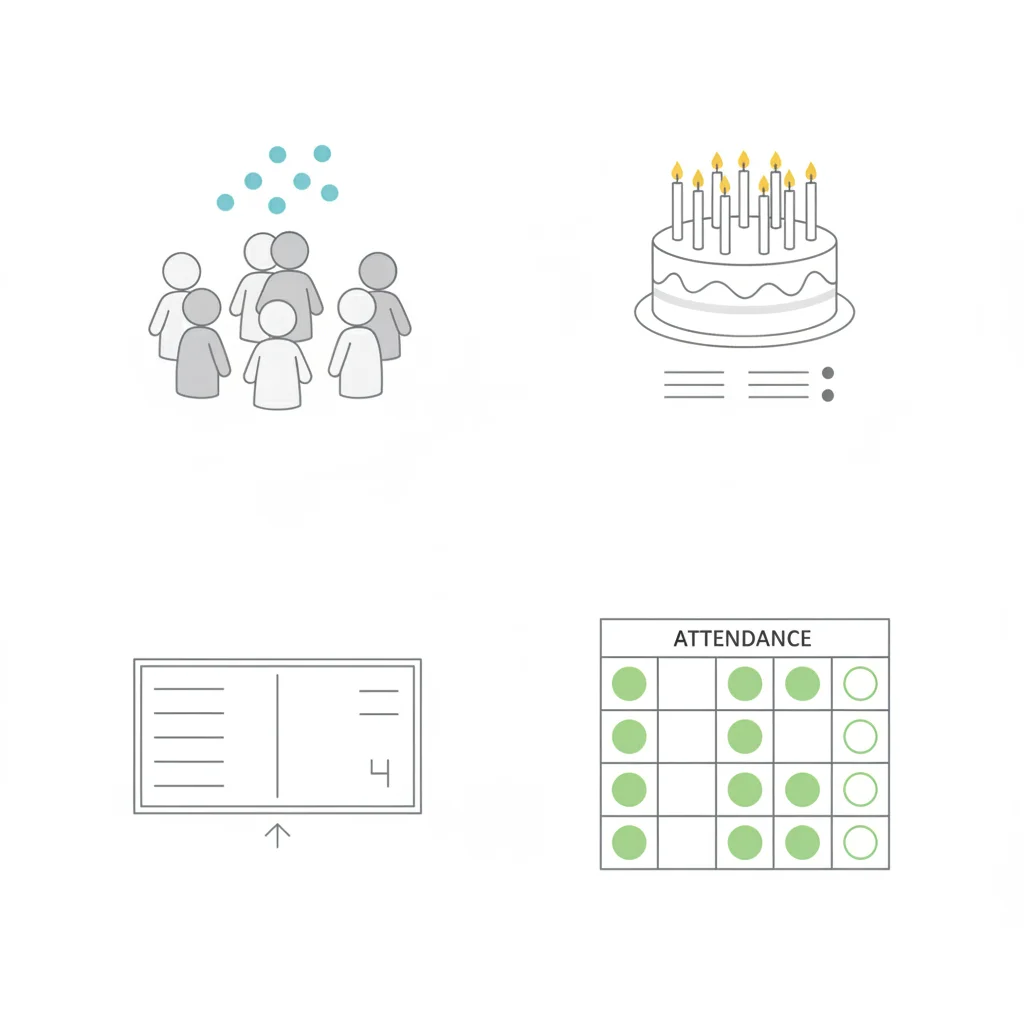
When to Use Integer
Counting items Storing ages Scores in a game Number of students
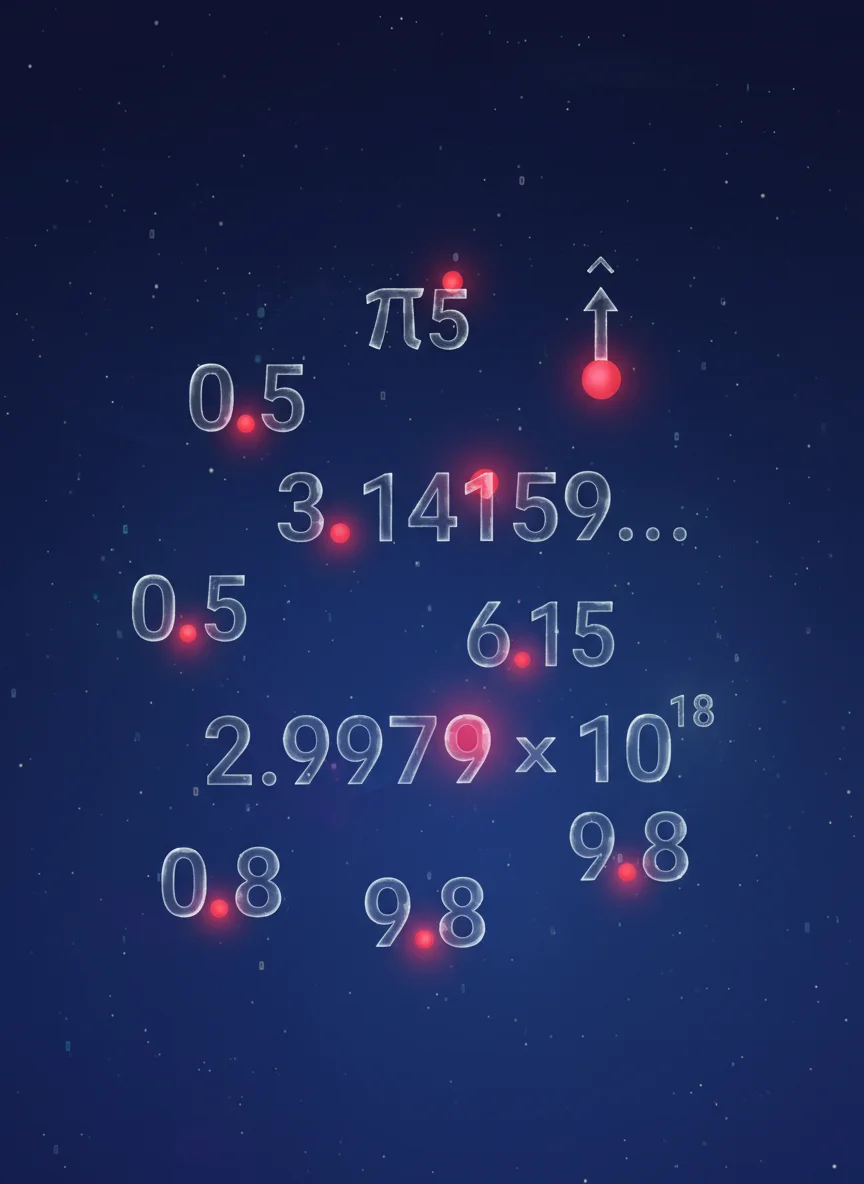
Real Data Type
Stores numbers with a decimal point Can also store whole numbers if needed Some languages call this float Examples: 3.14 0.5 −12.75

Integer vs Real
{"left":"Integer → whole numbers only\nReal → decimal values allowed","right":"Exam reminder:\nChoosing the wrong type can lose marks."}

Boolean Data Type
A Boolean has only two possible values True False Nothing else is allowed.
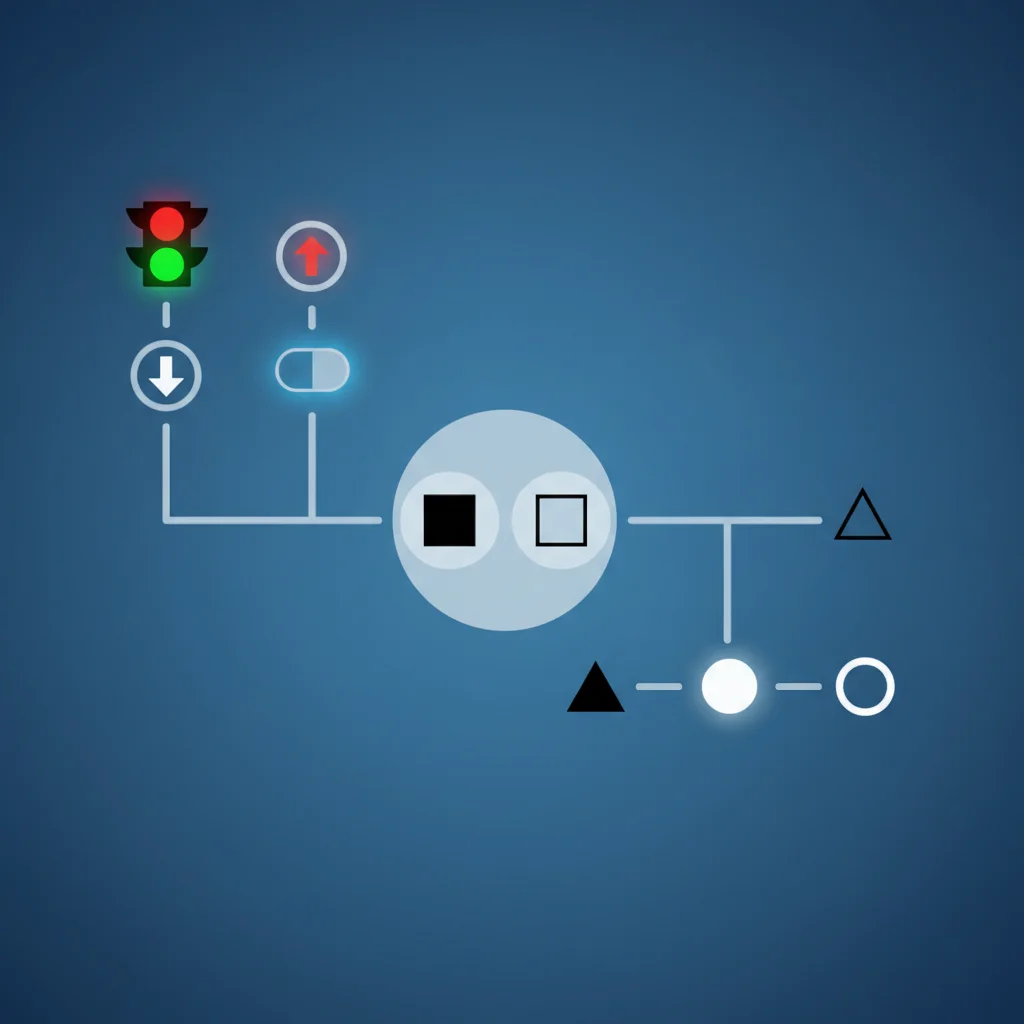
Boolean: Key Rule
Boolean values are: NOT numbers NOT text They represent yes/no, on/off, true/false
8 more slides available after you open the deck.
Download all 20 slidesMore Computer Science slide decks
Other ready-to-teach computer science decks for UK classrooms.
