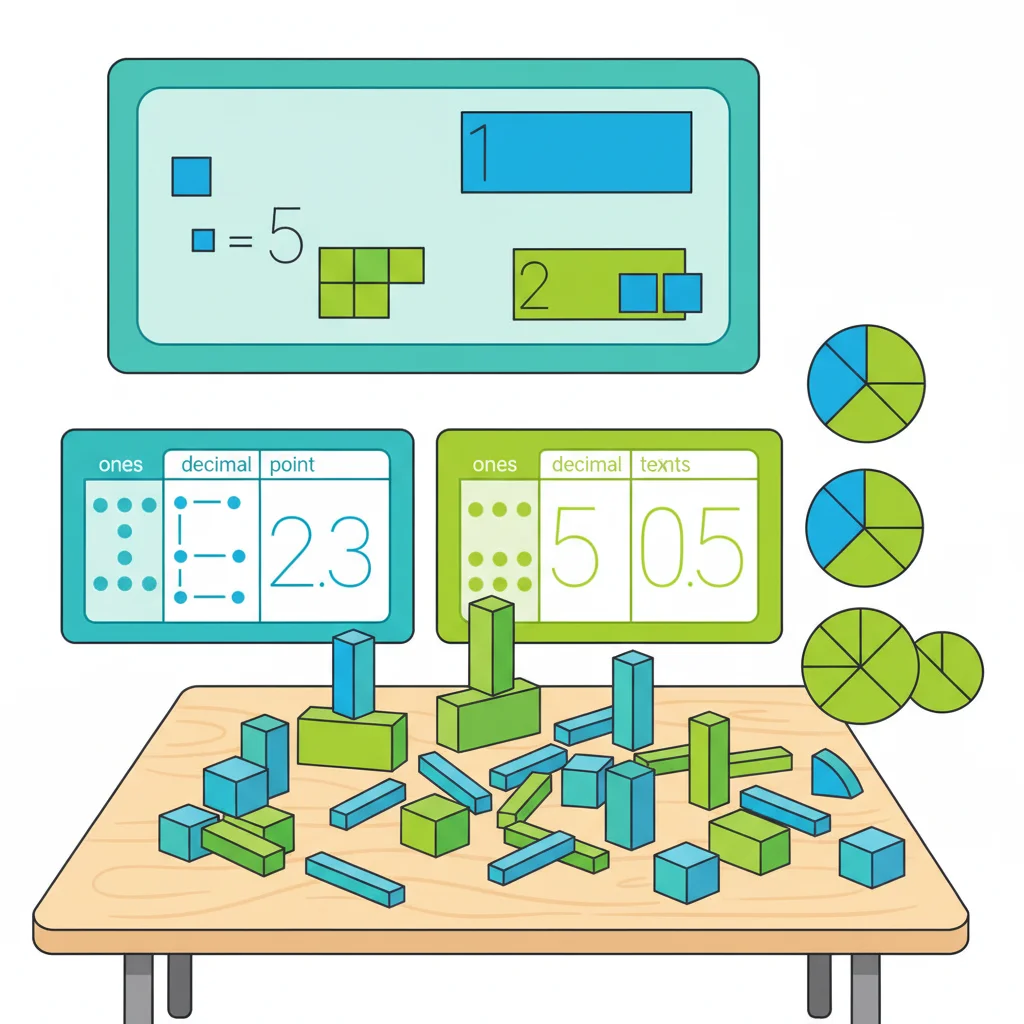
Decimals: Tenths and Place Value
Year 3 & 4 Mathematics Understanding decimal place value Working with tenths and hundredths
WALT - We Are Learning To
Understand place value with decimal numbers Identify the value of digits in decimal numbers Use part-whole models to represent decimals Recognise that ten tenths make one whole
What Are Decimals?
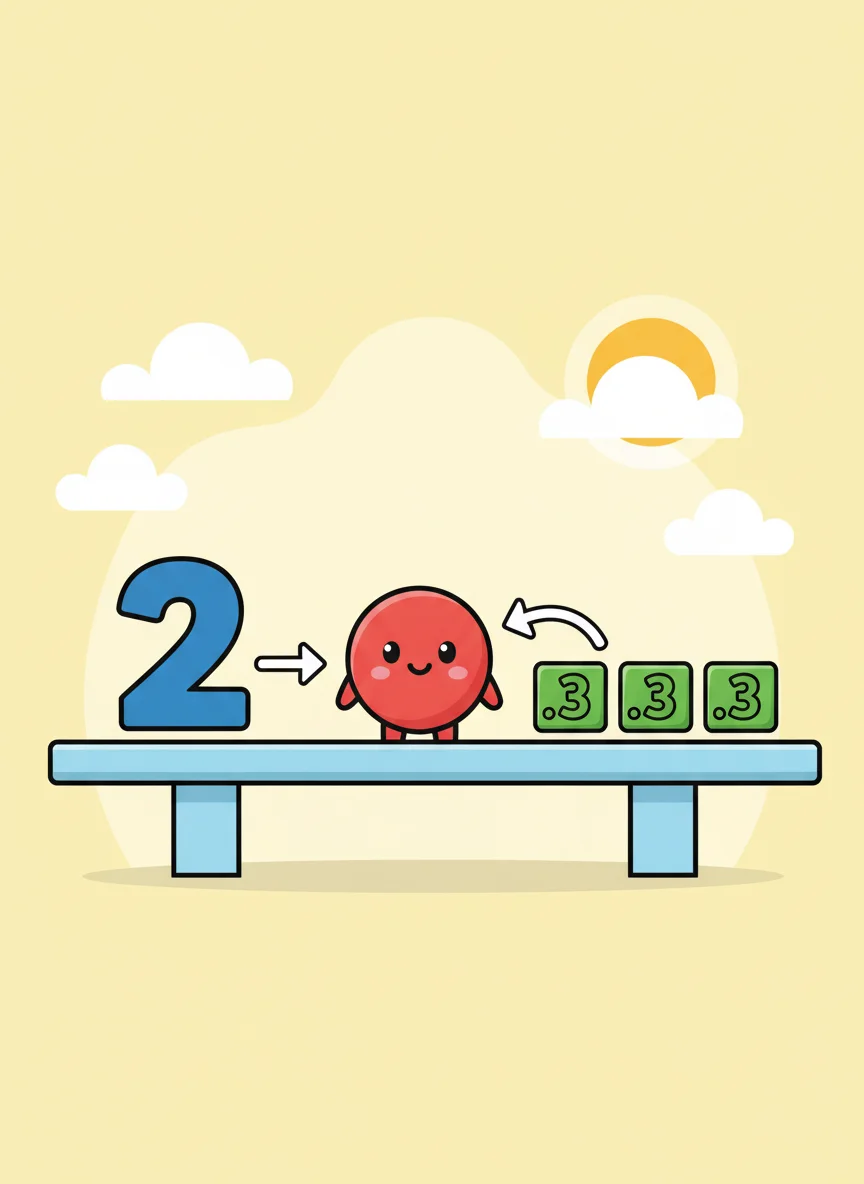
Decimals are numbers with parts smaller than one whole They use a decimal point (.) to separate wholes from parts The first place after the decimal point is called 'tenths' Examples: 0.3, 2.7, 15.9

Place Value Chart with Decimals
Understanding Tenths
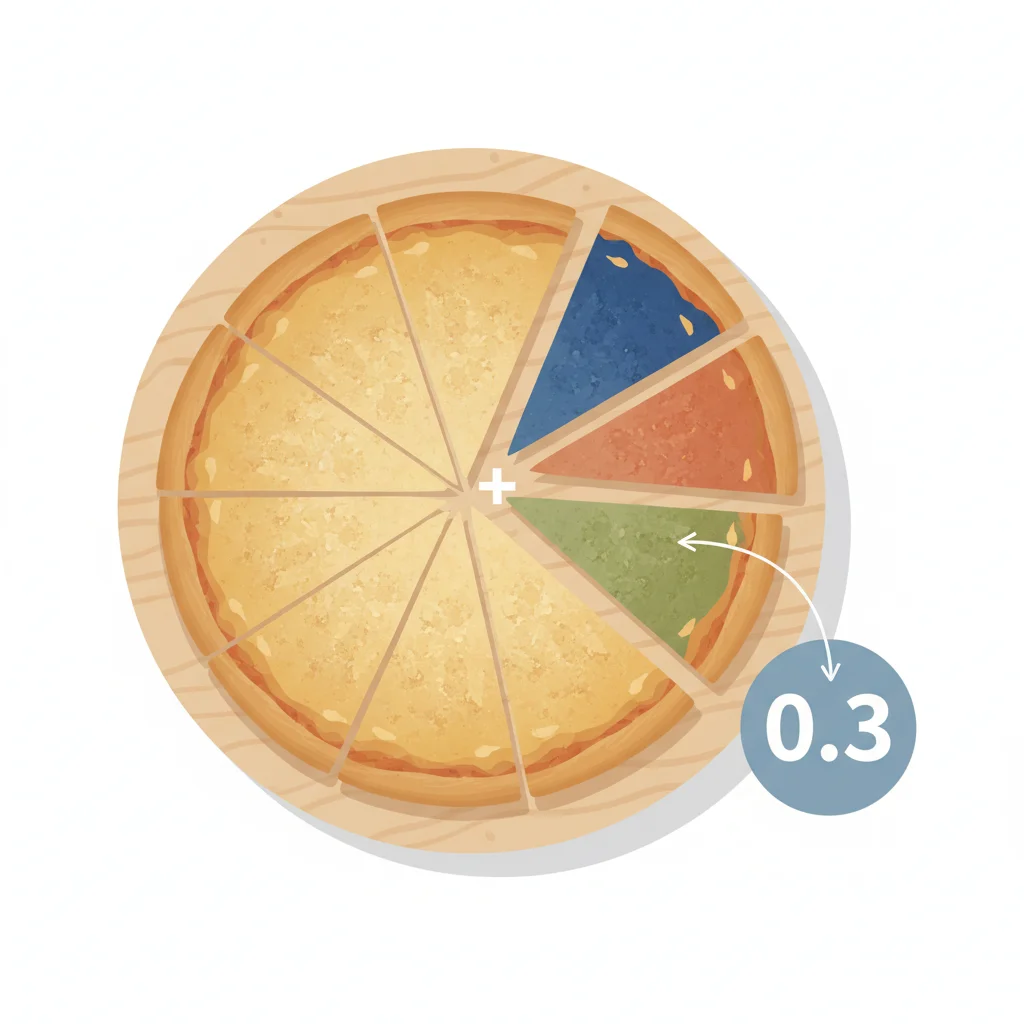
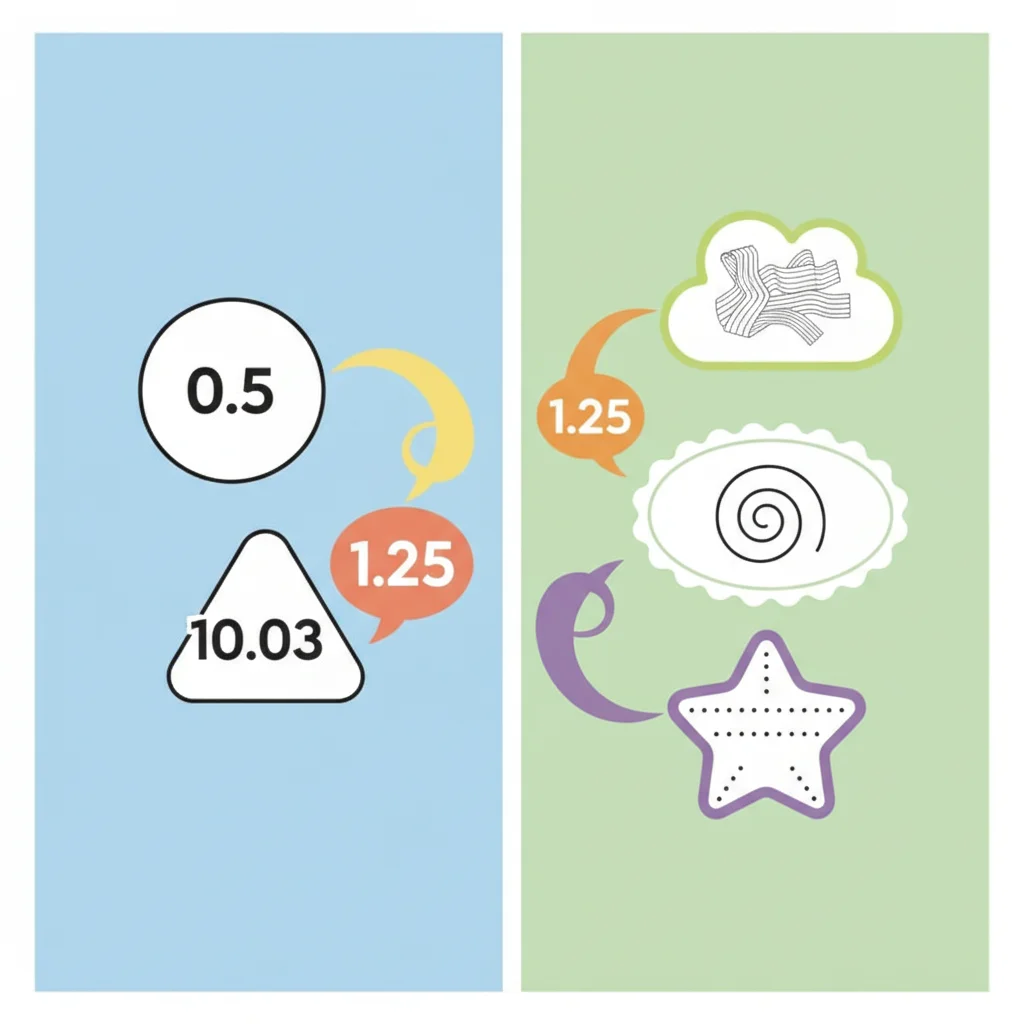
Cut a circle into 10 equal parts Each part is one tenth (1/10 or 0.1) 3 parts = 3 tenths = 0.3 7 parts = 7 tenths = 0.7
Reading Decimal Numbers
{"left":"2.3 = 'two point three' or 'two and three tenths'\n0.7 = 'zero point seven' or 'seven tenths'","right":"15.4 = 'fifteen point four' or 'fifteen and four tenths'\n0.1 = 'zero point one' or 'one tenth'"}
Quick Check: What's the Value?
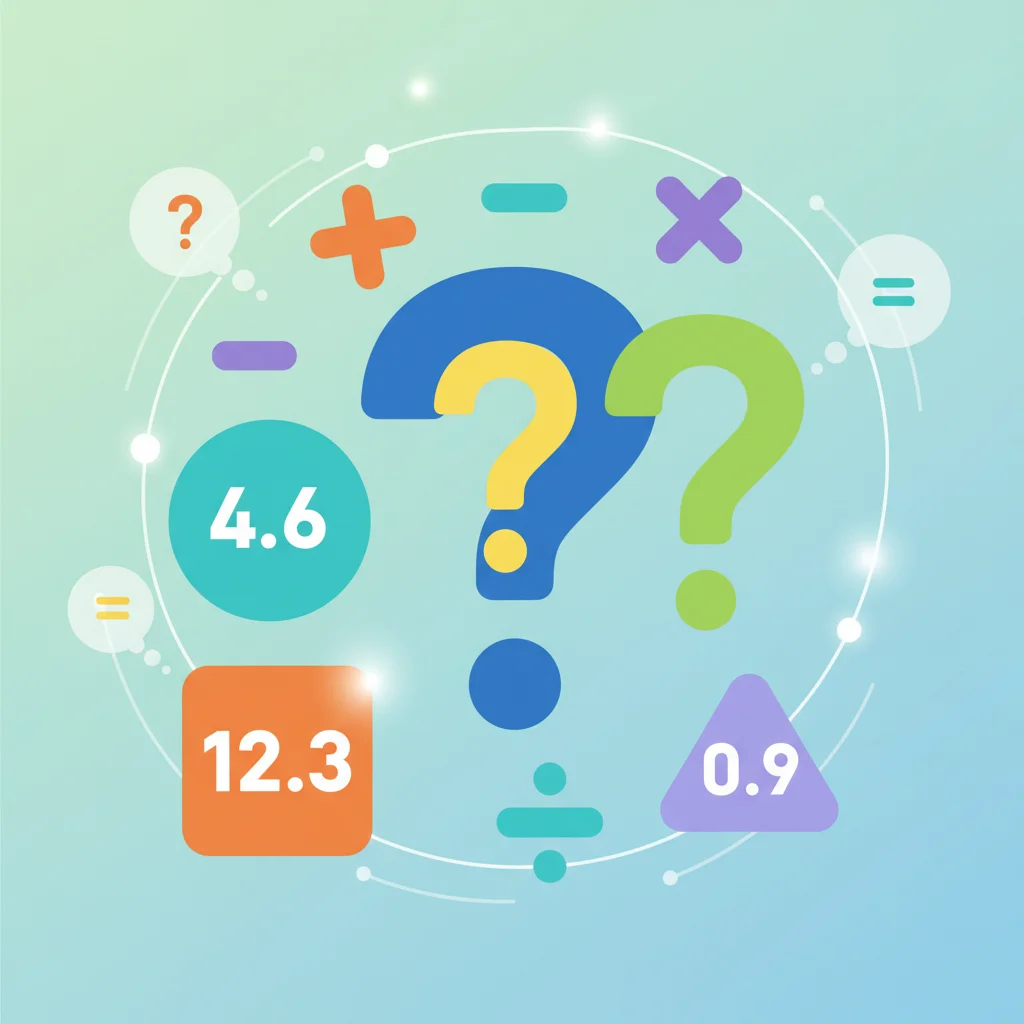
In the number 4.6, what is the value of the digit 6? In the number 12.3, what is the value of the digit 3? How would you say 0.9 in words?
Part-Whole Models
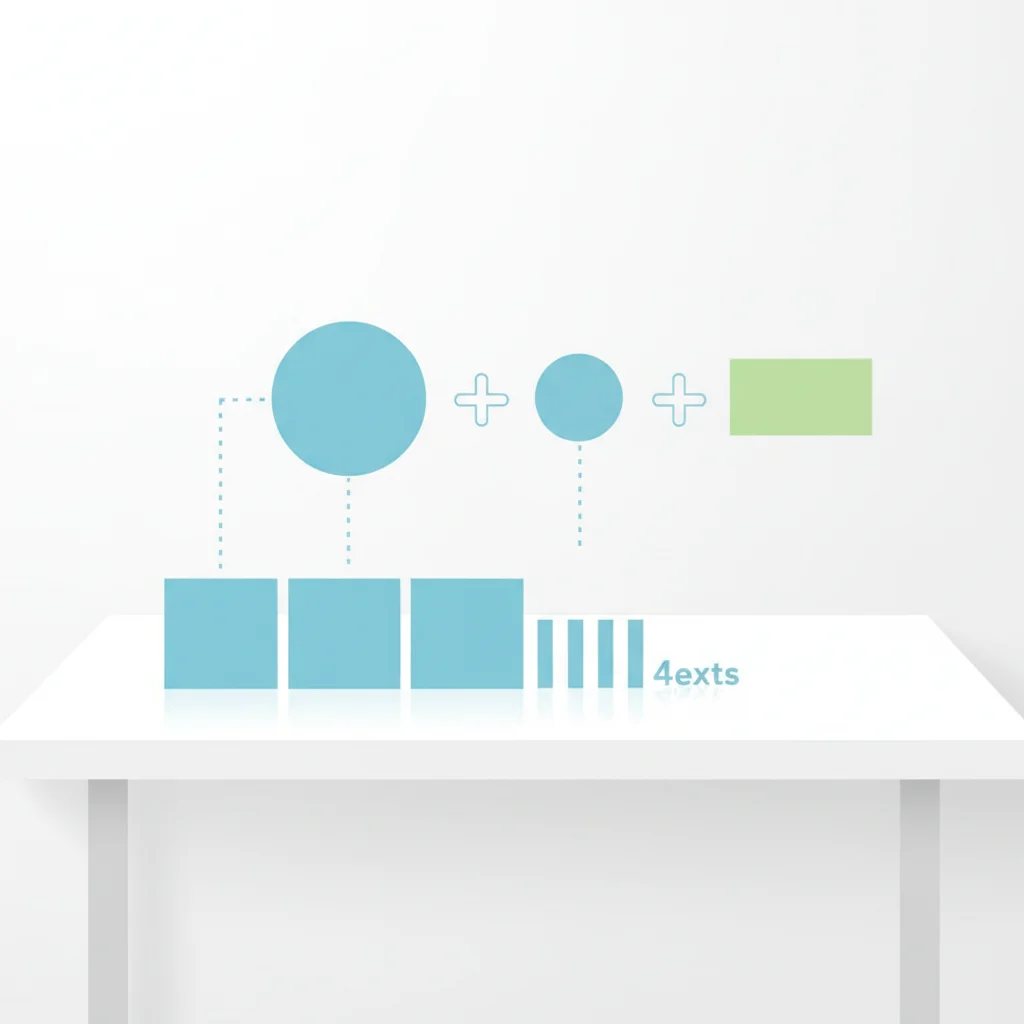
Break 3.4 into parts: 3 + 0.4 Break 7.8 into parts: 7 + 0.8 Build 2.5 from parts: 2 + 0.5 What parts make 6.3?
Ten Tenths Make One Whole
0.1 + 0.1 + 0.1 + 0.1 + 0.1 + 0.1 + 0.1 + 0.1 + 0.1 + 0.1 = 1.0 Ten tenths = 1 whole This is like 10 dimes = 1 pound 0.9 + 0.1 = 1.0
Success Criteria - Can You?
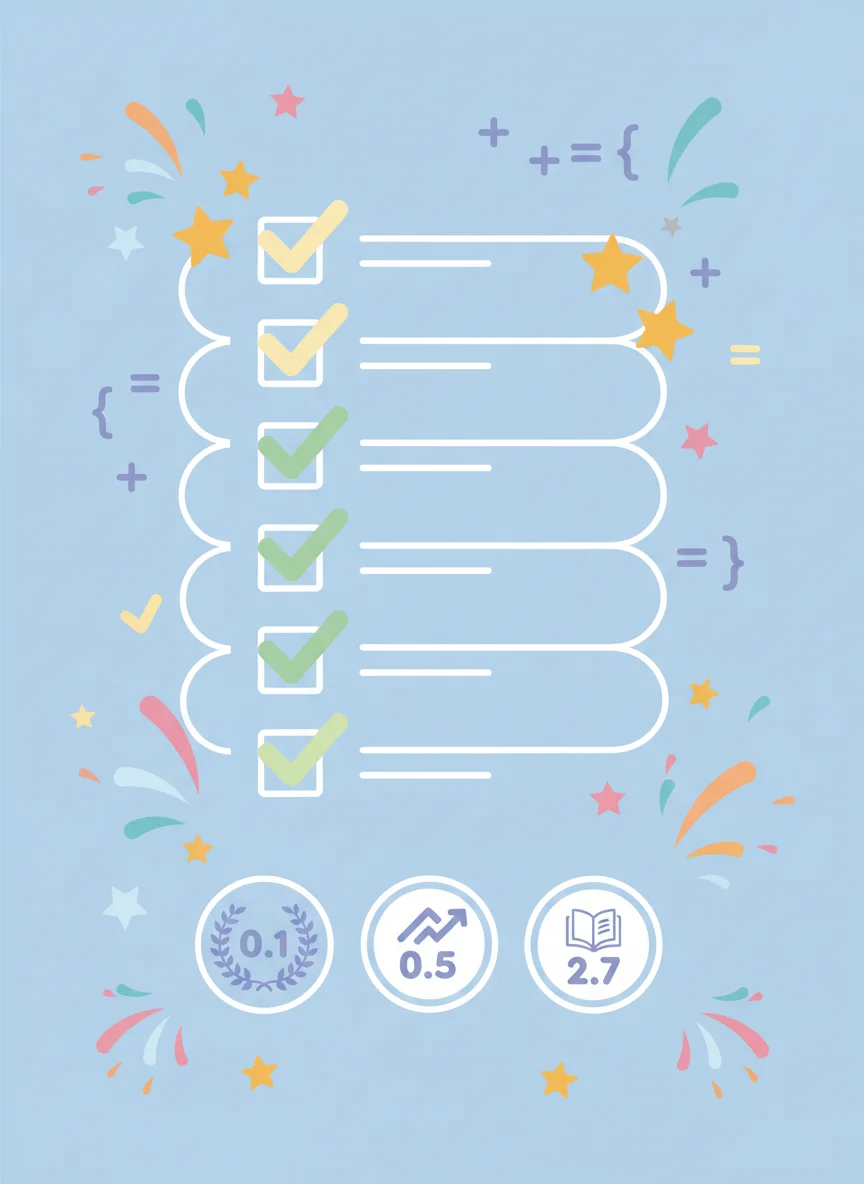
Use models to show decimals with tenths Say what value each digit has in decimal numbers Find missing parts in decimal numbers Write decimal numbers from given parts
More Mathematics slide decks
Other ready-to-teach mathematics decks for UK classrooms.
Prime Factor Decomposition: Year 10
Prime Factor Decomposition: Year 10

Fractions and Place Value PUMA Prep

Essential GCSE Maths Problem Practice
Essential GCSE Maths Problem Practice
