
Differentiating Algorithms for Every Learner
Supporting Year 8 Technology Students Effective Strategies for Algorithm Instruction Making Computing Accessible to All
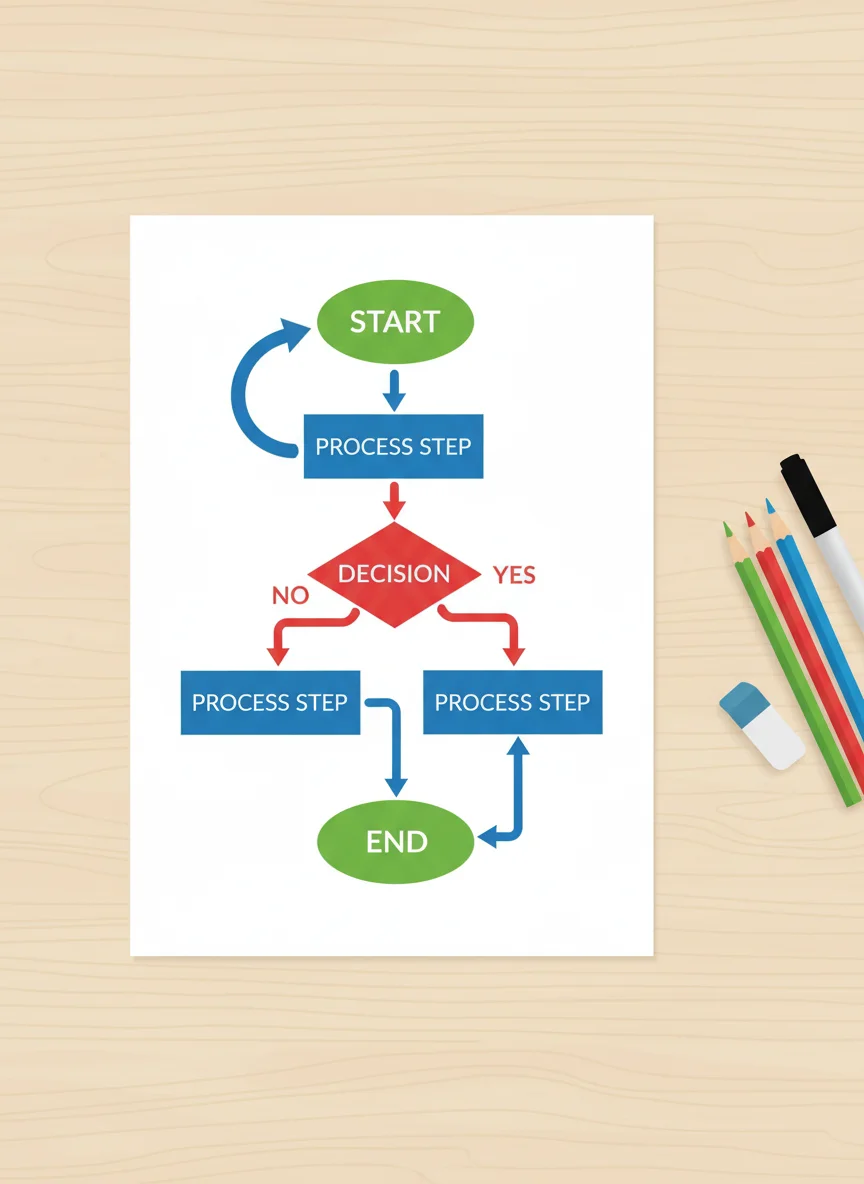
Visual Support Strategies
Provide flowchart templates with pre-drawn shapes Use colour-coded algorithm components (green for start/end, blue for processes, red for decisions) Display visual algorithm vocabulary wall with symbols and definitions Create step-by-step visual guides for pseudocode structure Use interactive whiteboards for collaborative flowchart building

Scaffolding Techniques for Different Learners
{"left":"Sentence starters: 'First, the algorithm will...', 'If the condition is true, then...', 'The loop will repeat until...'\nOral explanation opportunities before written work\nPeer buddy system pairing confident with struggling learners","right":"Breaking complex algorithms into smaller, manageable chunks\nProviding worked examples with annotations\nUsing real-world analogies (recipes, directions, game rules)"}

Extension Activities for Advanced Learners
Challenge: Convert pseudocode into working Python or Scratch code Design algorithms for real-world problems (traffic light systems, vending machines) Research and present famous algorithms (sorting, searching) Create algorithm tutorials for younger students Optimize existing algorithms for efficiency Explore recursive algorithms and advanced concepts

SEND Adaptations and Inclusive Practices
Provide algorithm steps on individual cards for physical manipulation Allow voice recording instead of written explanations Use larger fonts and clear spacing for visual processing Offer choice in representation: flowcharts, pseudocode, or verbal description Provide quiet spaces for students who need reduced stimulation Use assistive technology where appropriate Break tasks into smaller, timed segments with regular check-ins

Implementing Effective Peer Feedback
How can we structure peer feedback to maximize learning while building confidence? Use 'Two Stars and a Wish' feedback framework Provide feedback sentence starters: 'Your algorithm clearly shows...', 'One suggestion would be...' Model appropriate feedback language before peer activities Create feedback checklists focusing on algorithm criteria
More Technology slide decks
Other ready-to-teach technology decks for UK classrooms.

Building Vehicles With Wheels and Axles

Logic Gates & Truth Tables Unlocked
Logic Gates & Truth Tables Unlocked

Exploring Linear Search Algorithms
Exploring Linear Search Algorithms