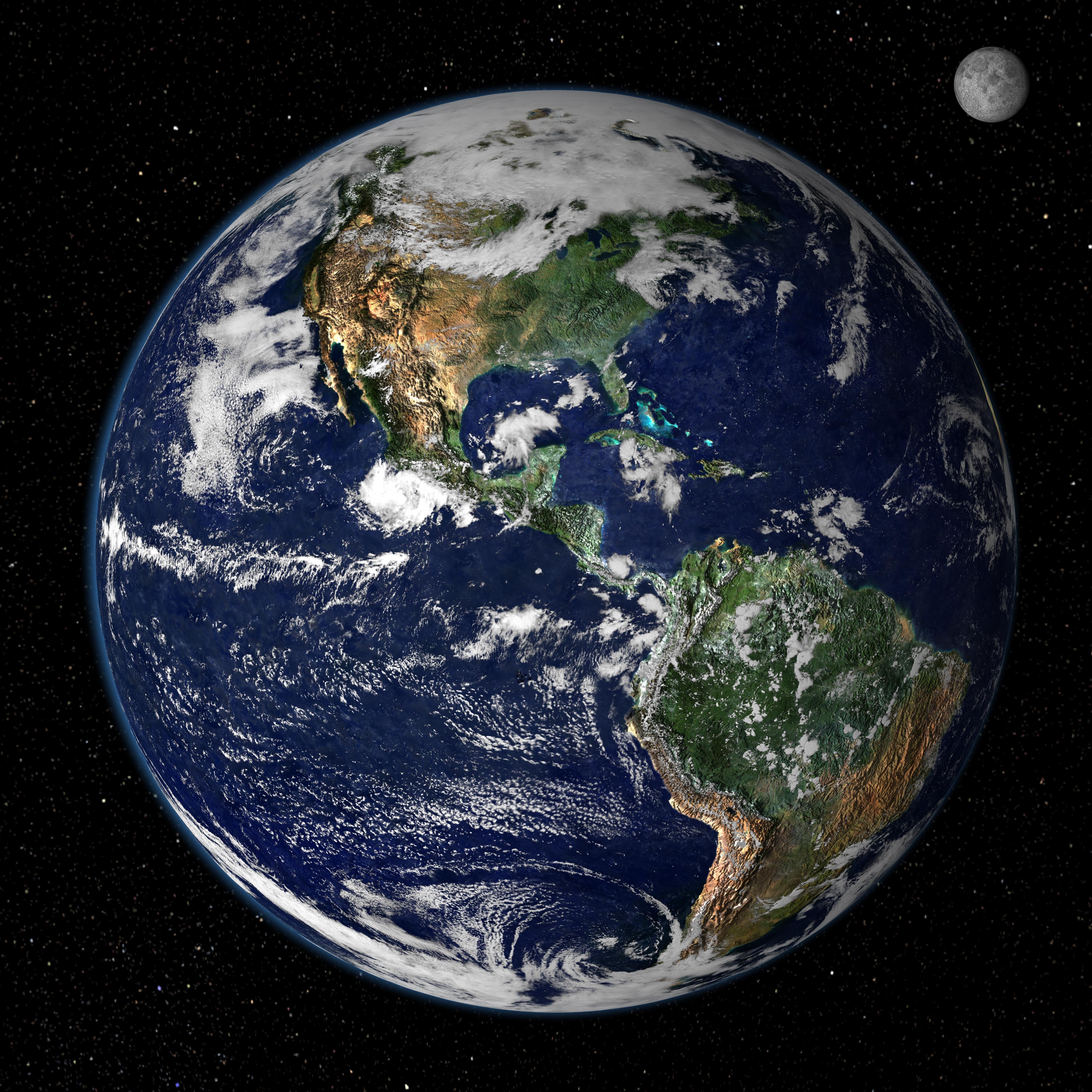
Earth's Atmosphere: Past to Present
A Journey Through 4.6 Billion Years From Volcanic Gases to Modern Air Year 9 Science - 60 Minutes

WALT - We Are Learning To
Describe how Earth's atmosphere changed over geological time Explain biological, chemical, and physical processes behind atmospheric changes Investigate the impact of human activities on modern atmosphere Understand how these changes affect life on Earth and temperature balance
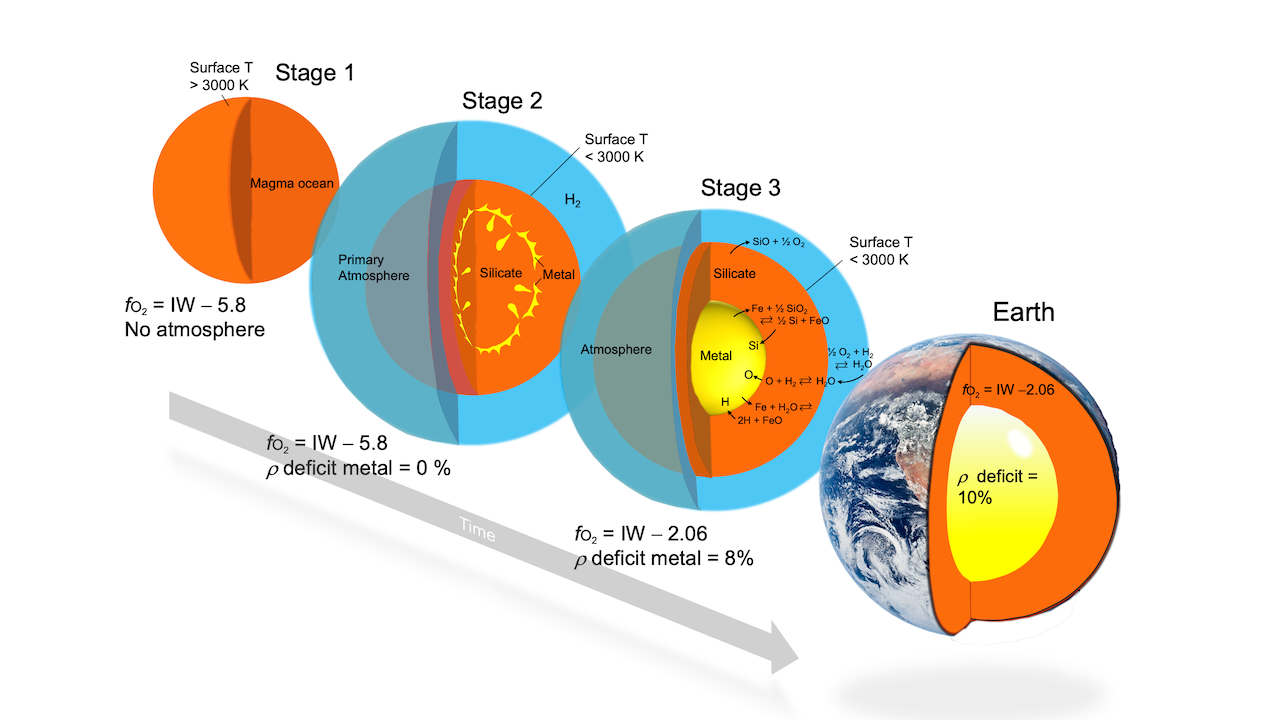
Timeline: Earth's Atmospheric Evolution

Early Earth vs Modern Earth Atmosphere
{"left":"Early Earth (4.6 billion years ago): Volcanic outgassing dominated, High carbon dioxide levels, Methane and ammonia present, No oxygen - toxic to most current life, No ozone layer protection","right":"Modern Earth: 78% nitrogen, 21% oxygen, 0.04% carbon dioxide, Trace amounts of other gases, Ozone layer protects from UV radiation, Supports complex life forms"}
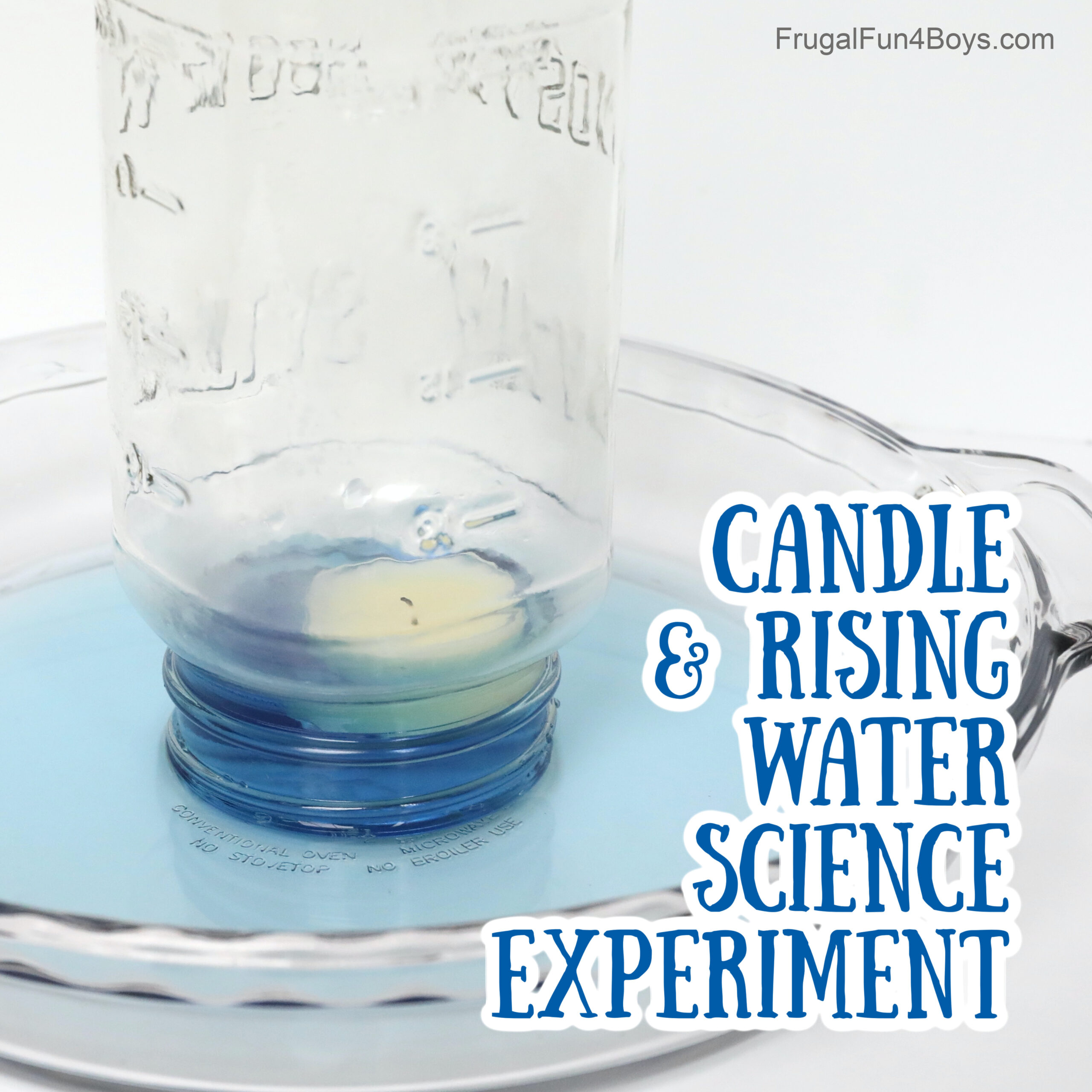
Practical Investigation: Oxygen and Candle Experiment
Groups of 4-5 students Three jars: Candle only, Candle + leaf, Control Measure burn time and observe differences Use sensors to detect gas changes Record observations and link to atmospheric history

The Great Oxygenation Event (2.4 billion years ago)
Cyanobacteria began photosynthesis on massive scale Oxygen levels rose dramatically Most early life forms went extinct (oxygen was toxic to them) Enabled evolution of complex, oxygen-breathing life Led to formation of protective ozone layer

Think-Pair-Share
How do human activities affect atmospheric composition today? What gases are we adding to the atmosphere? How might this impact Earth's temperature balance? What connections can you make to the greenhouse effect?

Success Criteria Check & Next Steps
Can you explain key stages of atmospheric development? Can you describe processes like photosynthesis and volcanic outgassing? Can you relate atmospheric changes to climate and life impacts? Extension: Research future atmospheric changes based on current trends