
Earth's Hot and Cold Places
A Geography Adventure for Year 3/4 Understanding our planet's position in space
What do you think?
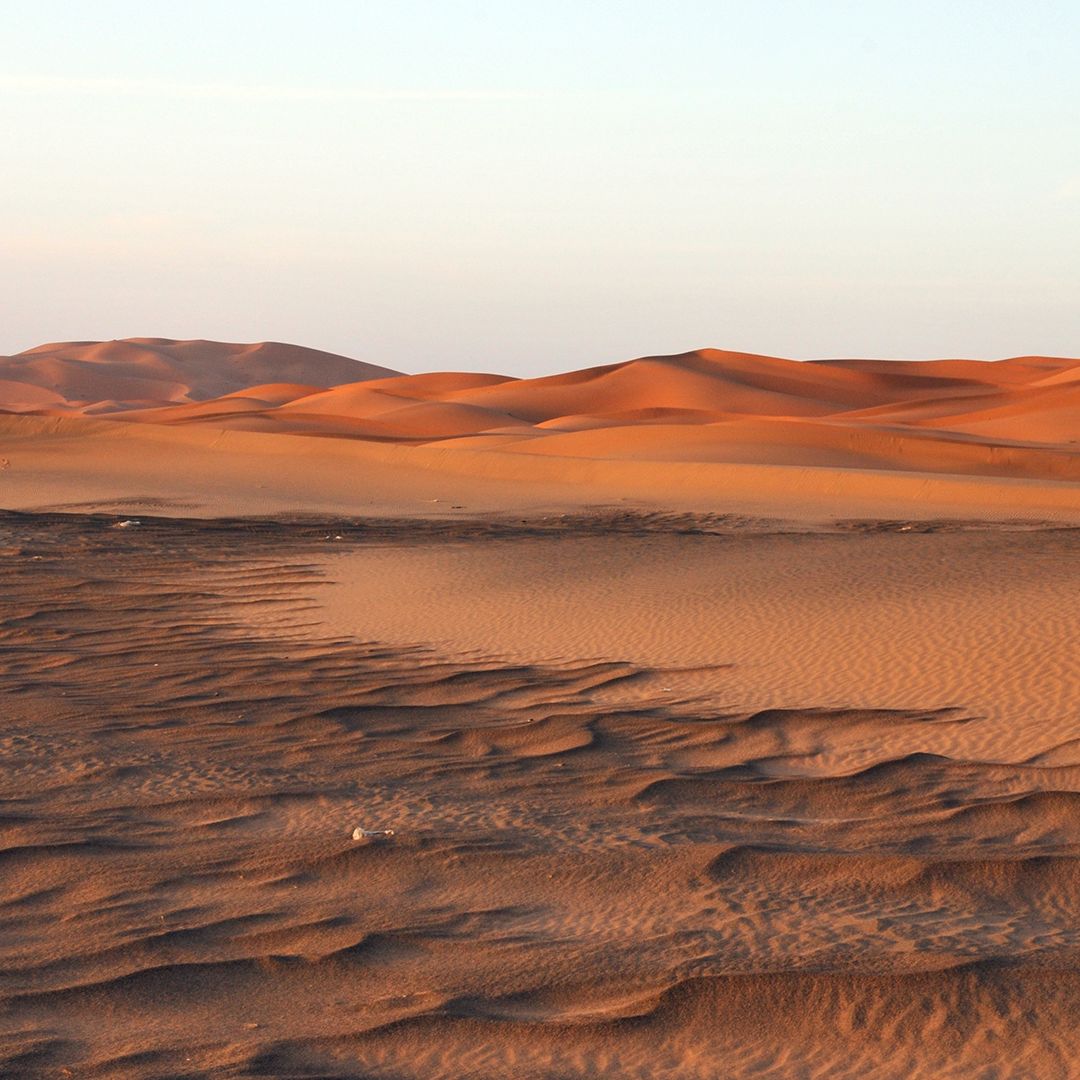
Look at these 5 places around the world Which do you think is the HOTTEST? Which do you think is the COLDEST? Can you put them in order from hottest to coldest?

Investigation Time!
We're going to be scientists today! Each group gets an orange and a torch Let's see what happens when we shine light on our 'Earth' What do you notice about the light?

Adding the Equator and Poles
Let's mark special lines on our orange-Earth Draw a line around the middle - this is the EQUATOR Mark the top and bottom - these are the POLES Now shine your torch again - what's different?
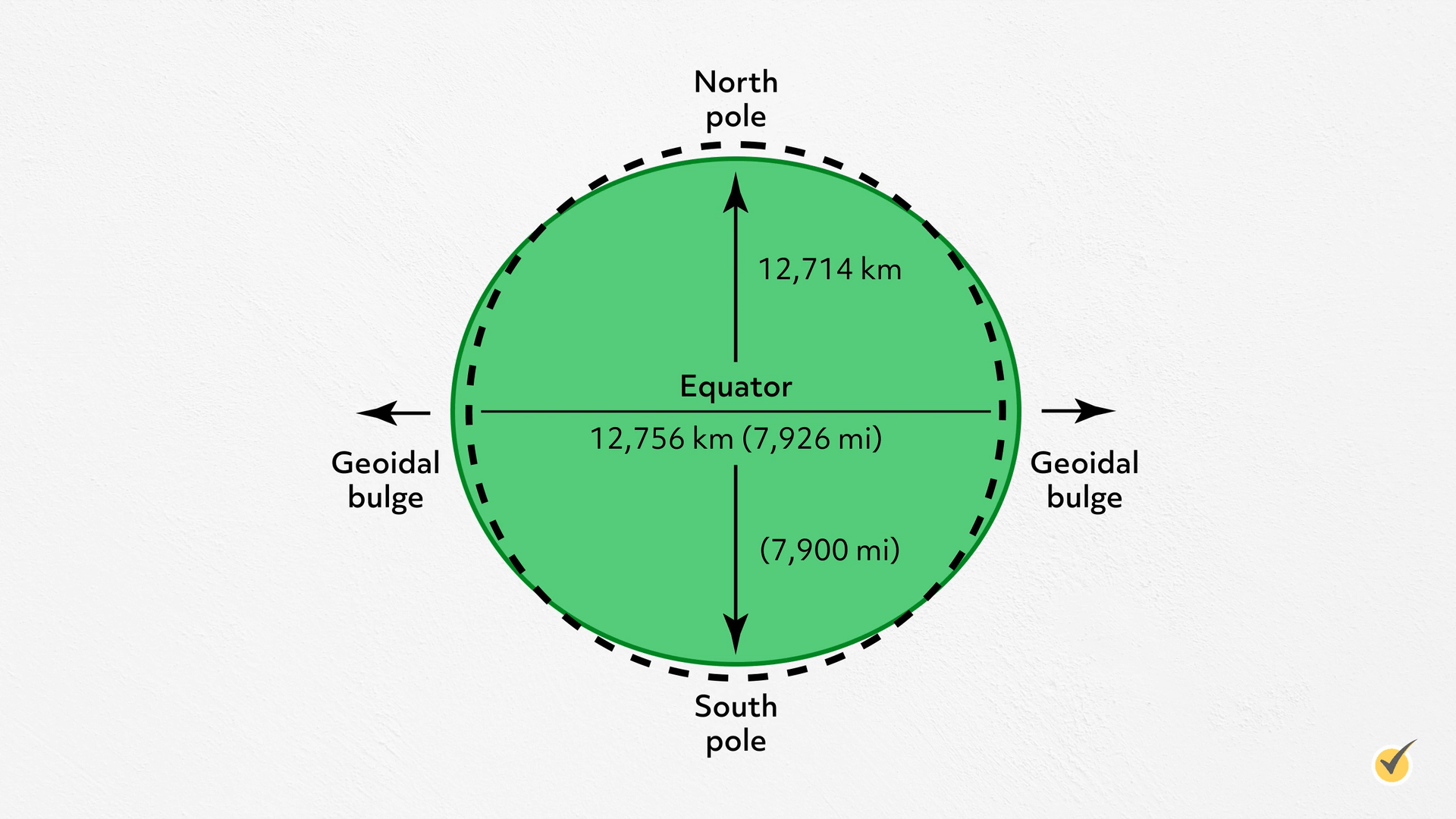
The Real Earth
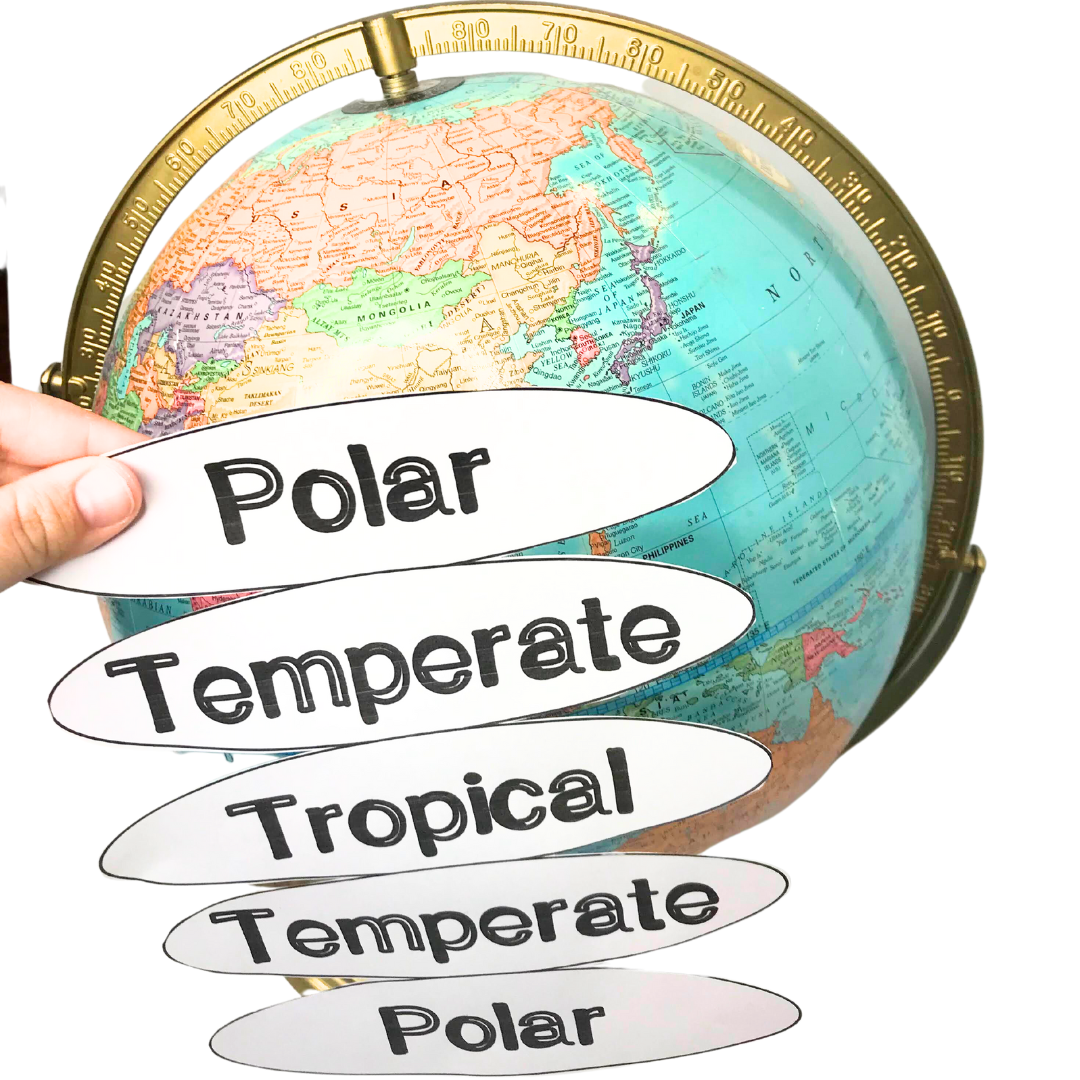
Hot Places vs Cold Places
{"left":"NEAR THE EQUATOR\nDirect sunlight\nVery hot temperatures\nTropical animals like monkeys\nRainforests and deserts","right":"FAR FROM THE EQUATOR\nAngled sunlight\nVery cold temperatures\nArctic animals like polar bears\nIce and snow"}
Sorting Challenge
Look at these pictures of different places Sort them into two groups: HOT places (near the equator) COLD places (far from the equator) Explain your choices to a partner
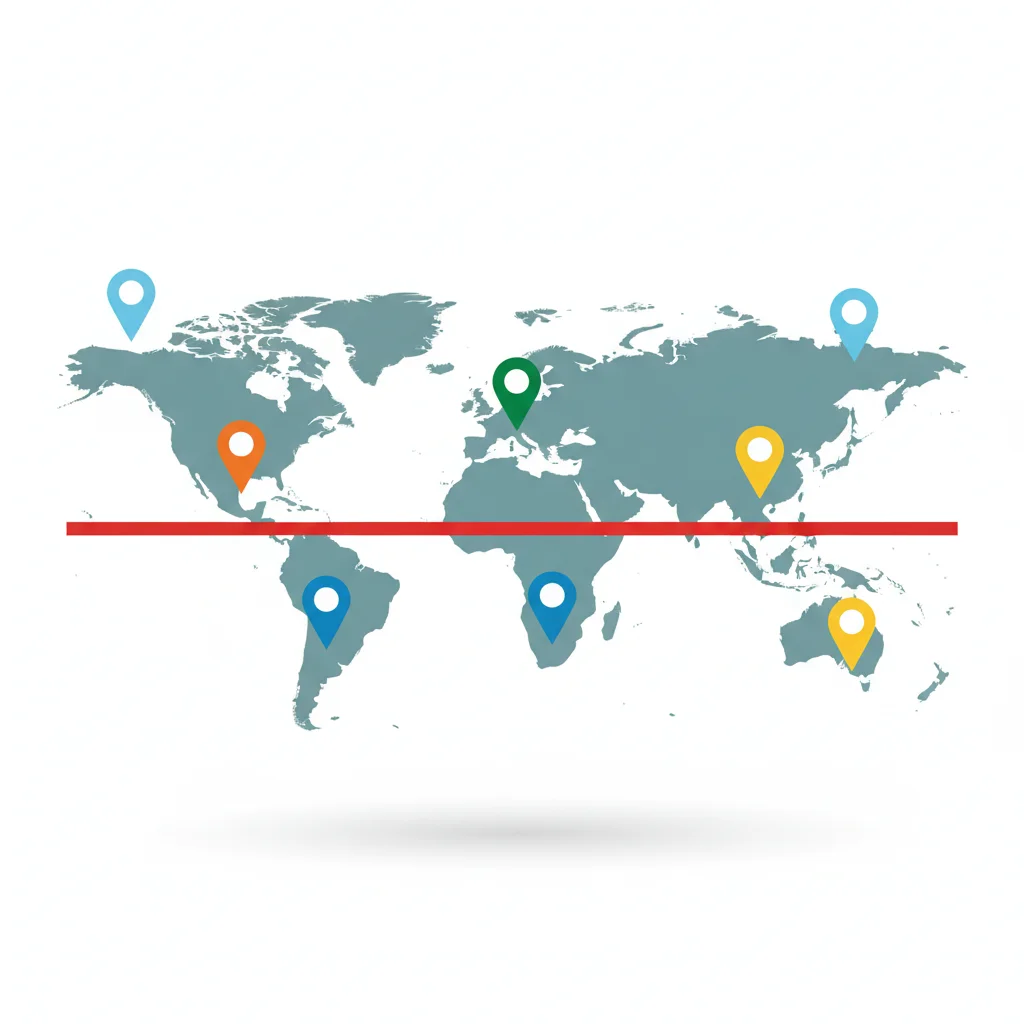
Let's Check Our Predictions
Remember our 5 places from the beginning? Now that we know about the equator and poles... Would you change your ranking? Which places are closest to the equator? Which places are closest to the poles?

The Amazing Pattern
The closer to the EQUATOR = the HOTTER The further from the EQUATOR = the COLDER This is because of how the sun's light hits our round Earth!

What We Discovered Today
Earth is round like a ball in space The sun shines on Earth from one direction Places near the equator get direct sunlight = HOT Places near the poles get angled sunlight = COLD We can predict if places are hot or cold by looking at a map!