
Earthquakes: Causes, Effects, and Mitigation
Understanding Earth's Most Powerful Natural Forces Year 9 Geography Lesson 29: Physical Processes and Natural Hazards

What Do You Already Know?
What causes earthquakes? Can you name a famous earthquake? What might happen after an earthquake occurs?

Tectonic Plates and Earthquake Zones

How Earthquakes Happen
Tectonic plates move at different speeds and directions Stress builds up along fault lines where plates meet When stress exceeds rock strength, sudden movement occurs Energy is released as seismic waves The focus is where the earthquake starts underground The epicentre is directly above the focus on Earth's surface

Measuring Earthquakes
Richter Scale measures earthquake magnitude (energy released) Scale ranges from 1-10, with each number being 10x stronger Magnitude 5: Minor damage to buildings Magnitude 7: Serious damage over large areas Magnitude 9: Devastating effects across vast regions Seismographs detect and record earthquake waves
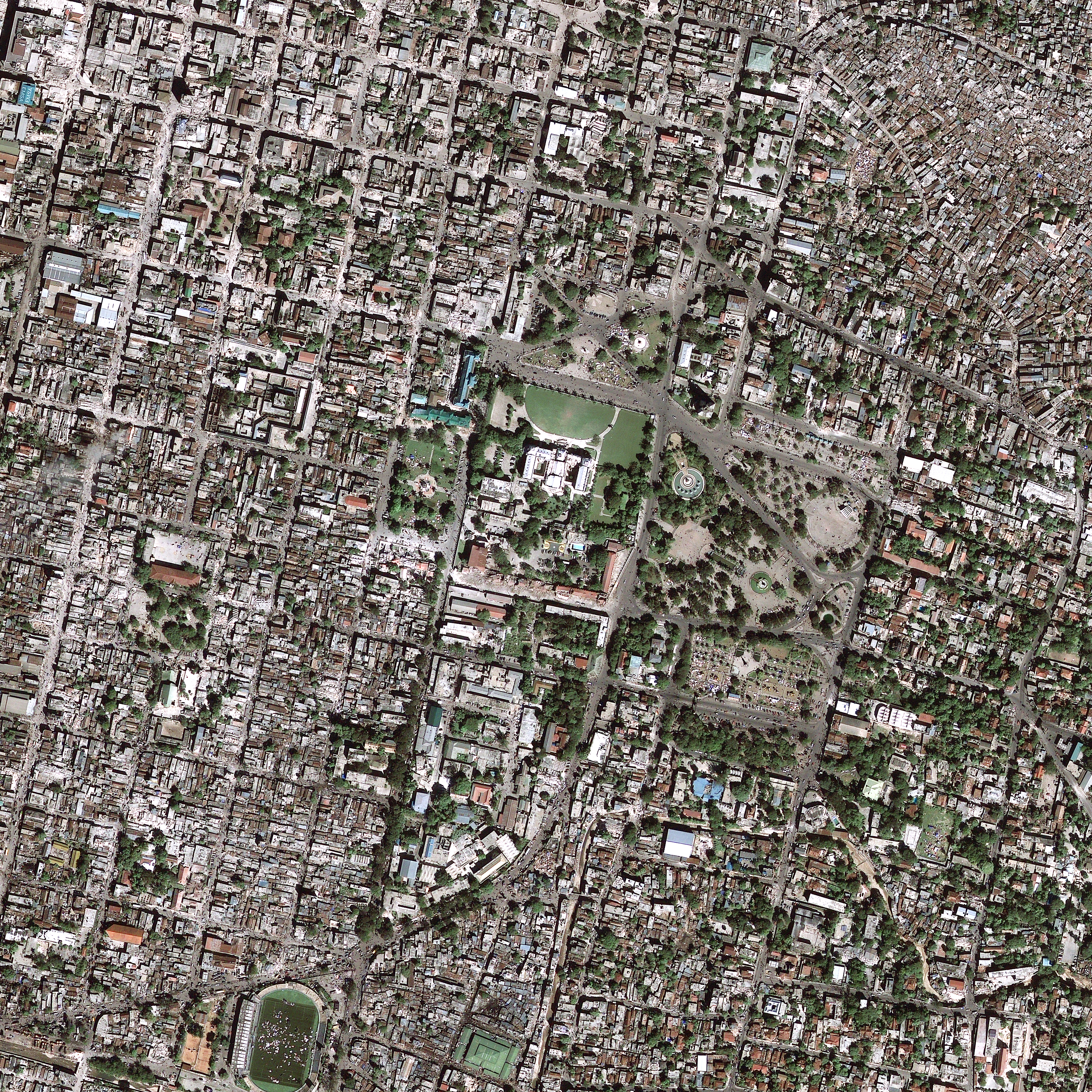
Comparing Two Major Earthquakes
{"left":"2011 Japan Earthquake\nMagnitude 9.0\nCaused devastating tsunami\nAdvanced building codes limited structural damage\nExcellent emergency preparedness\n2010 Haiti Earthquake","right":"Magnitude 7.0\nMassive building collapse\nPoor construction standards\nLimited emergency response\nOver 200,000 deaths"}

Effects Analysis Activity
Work in pairs to analyze earthquake effects Use your case study sheets for Japan and Haiti Complete the cause-effect worksheet Identify: Environmental effects, Social effects, Economic effects Think about: Why did similar magnitude earthquakes have different impacts?
Earthquake Mitigation Strategies
Building earthquake-resistant structures with flexible foundations Early warning systems to alert populations Emergency preparedness training and evacuation plans Land use planning to avoid high-risk areas International aid and disaster response coordination Public education about earthquake safety