
Earthquakes & Volcanoes Explained
Understanding Earth's Dynamic Forces Year 3 Geography
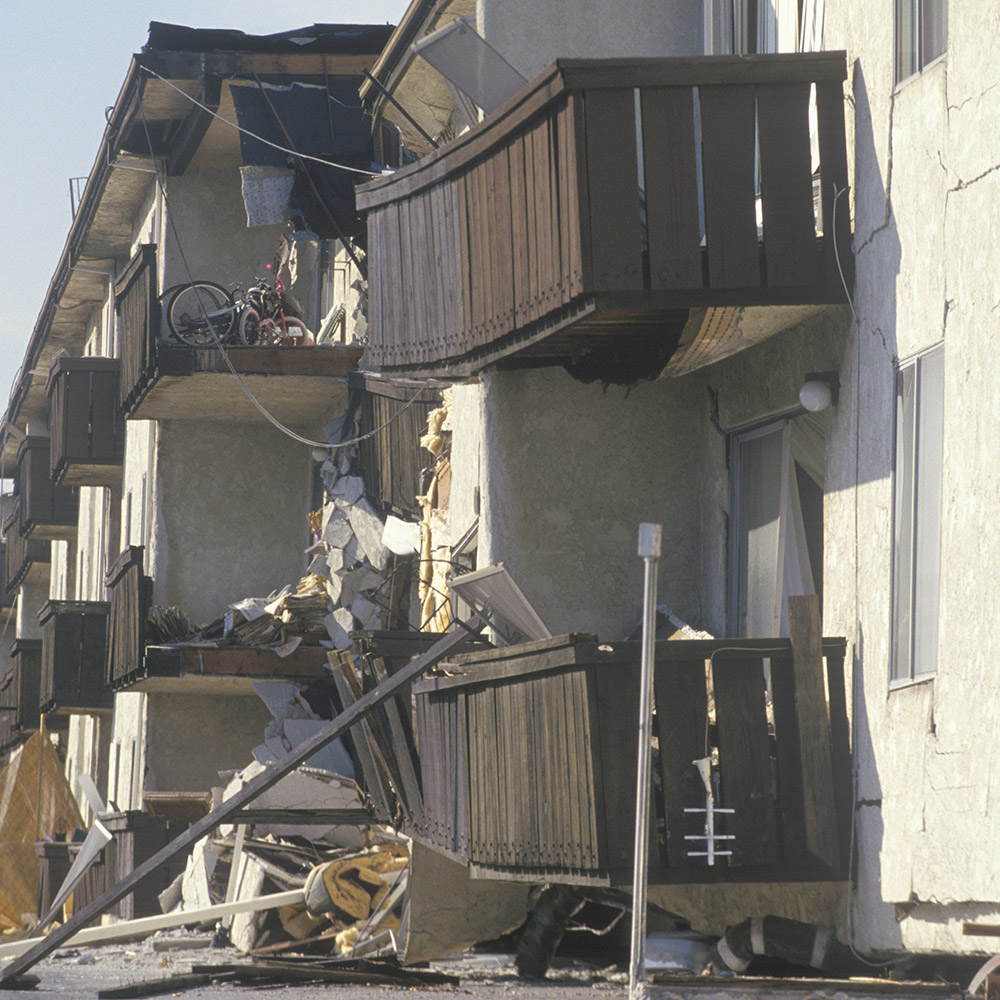
What Do You See?
Understanding Earth's Dynamic Forces Year 3 Geography
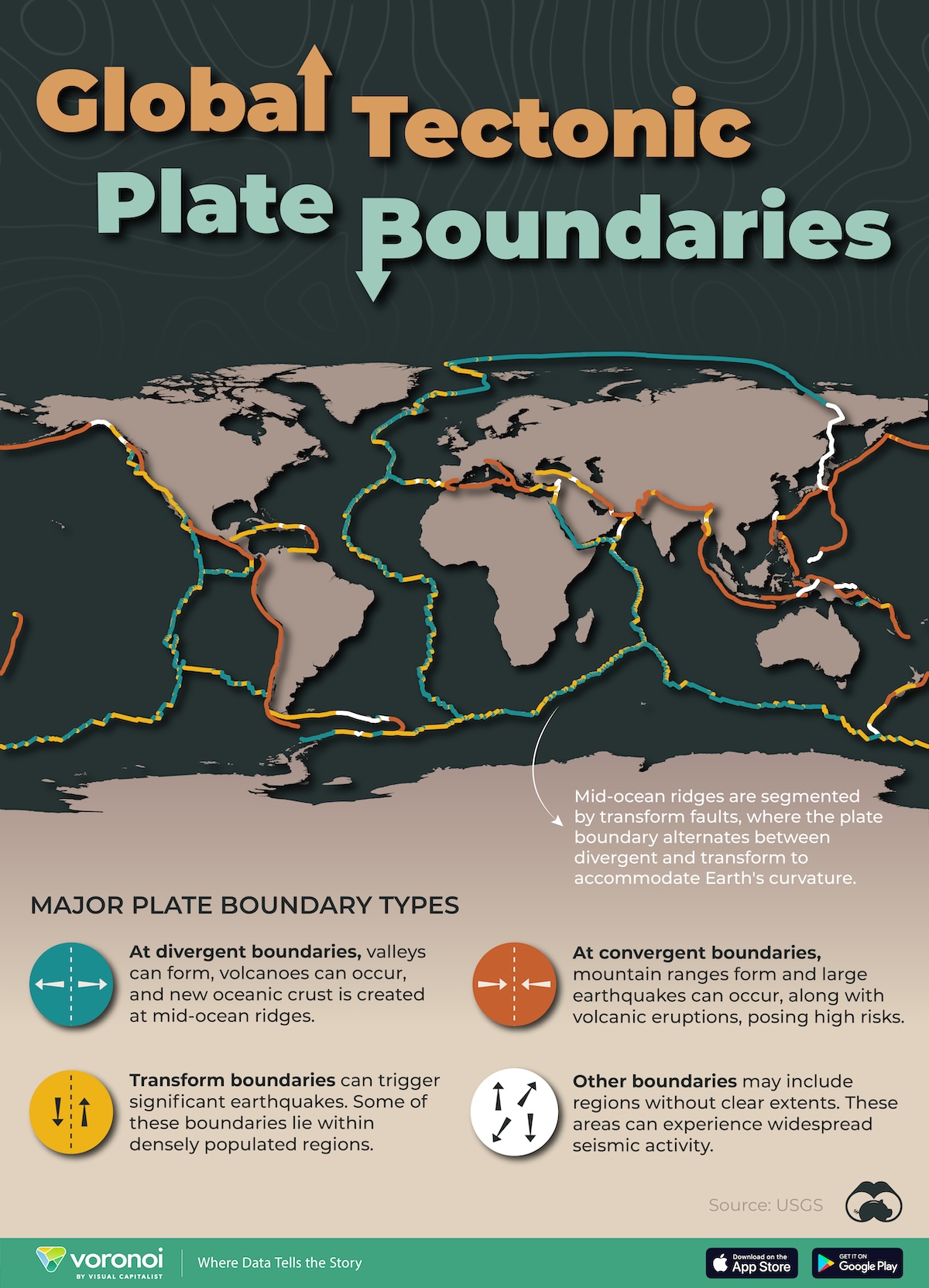
What Are Tectonic Plates?
Look at these amazing images What do you think is happening? Have you ever felt the ground shake? What questions do you have?
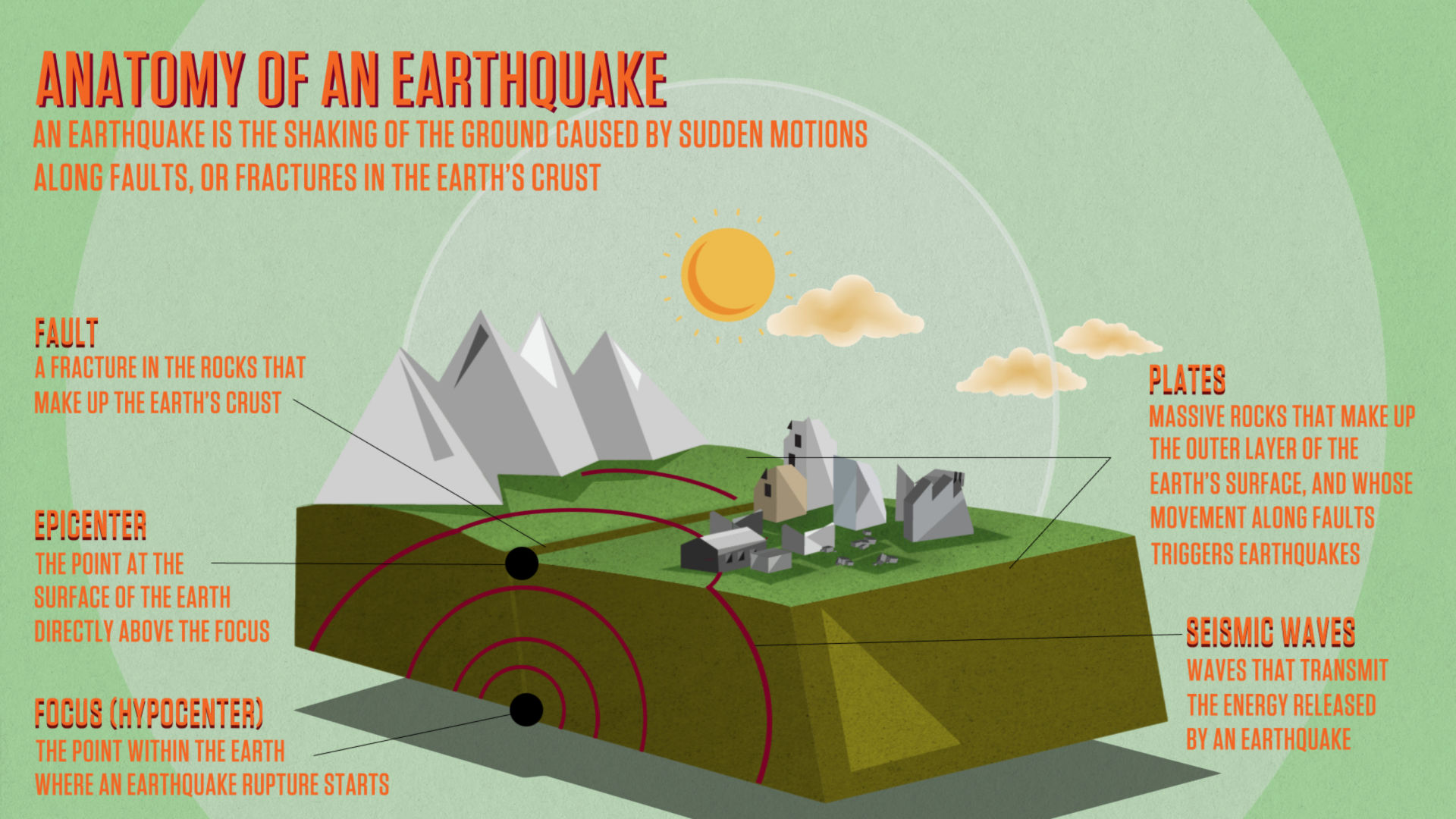
How Earthquakes Happen

Earthquake Strength Scale
The Moment Magnitude Scale measures earthquake strength 1-2: You can't feel it 3-4: Feels like a truck passing 5-6: Things fall off shelves - DANGEROUS! 7+: Buildings can collapse Let's practice! What would a magnitude 6 earthquake feel like?
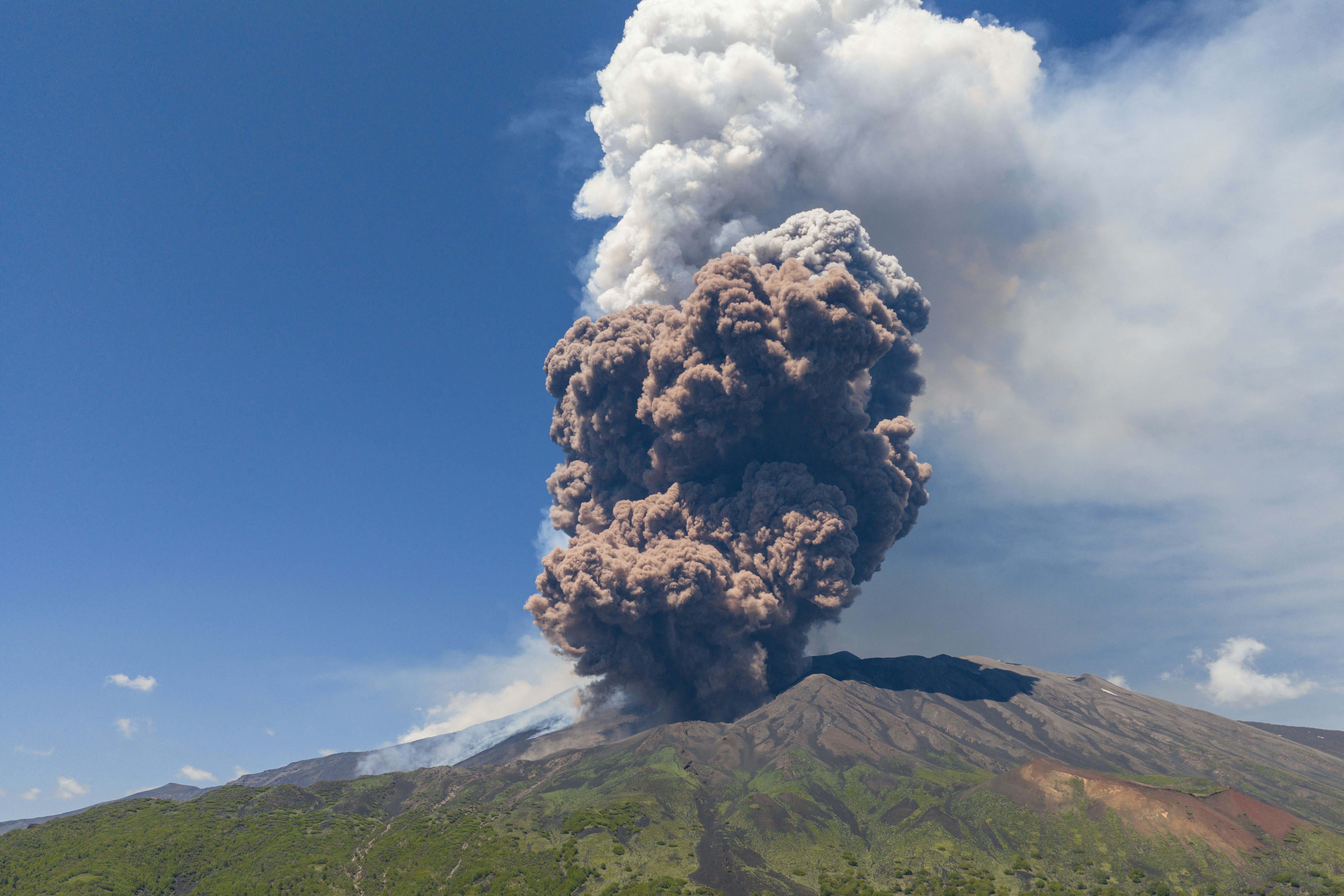
How Volcanoes Erupt
Deep underground, rock melts into hot magma Pressure builds up in the magma chamber Magma is forced up through cracks When it reaches the surface, it becomes lava! The eruption can shoot ash high into the sky
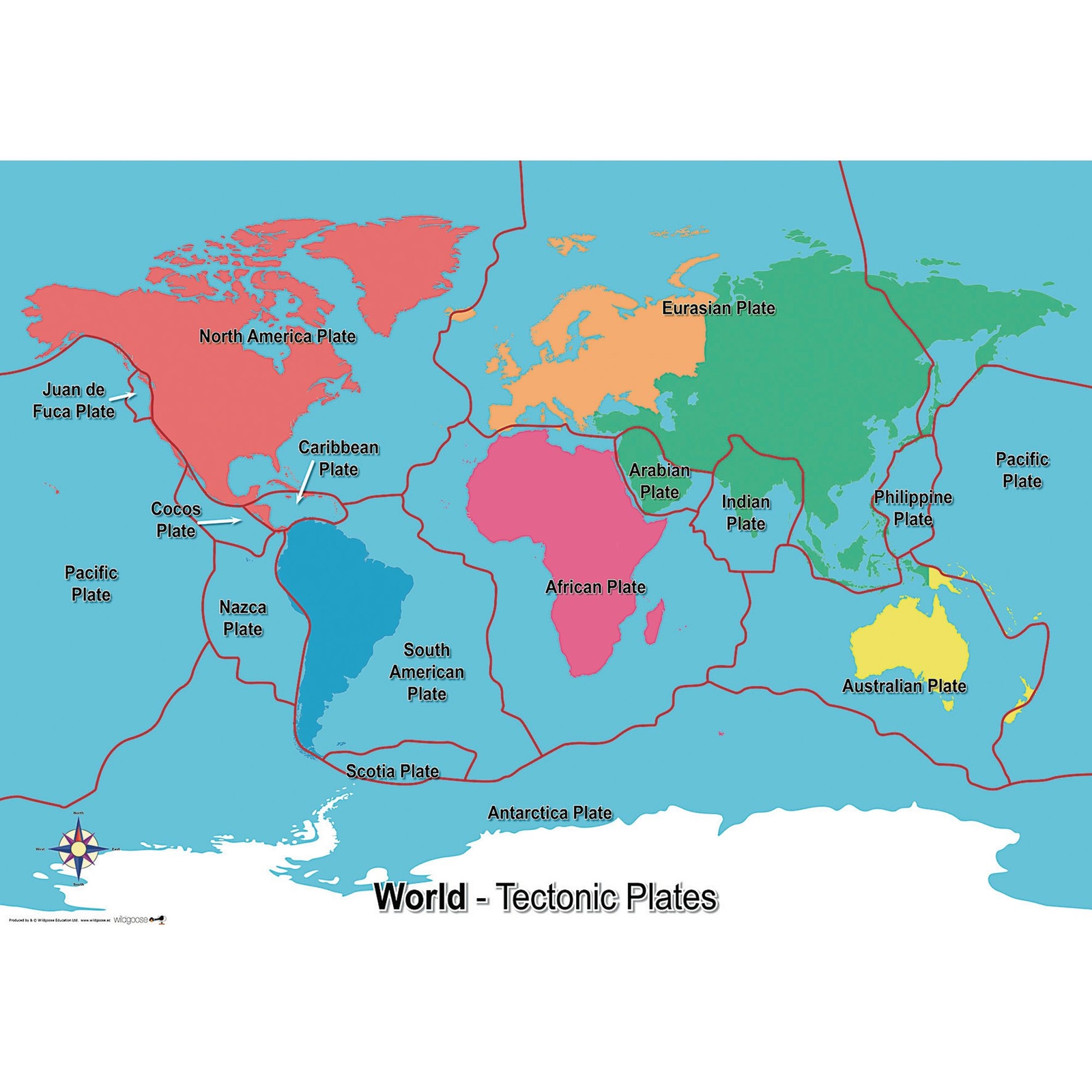
Why Doesn't the UK Have Big Earthquakes or Volcanoes?
{"left":"The UK is in the middle of a tectonic plate\nWe are far from plate boundaries\nPlate boundaries are where most earthquakes happen","right":"Active volcanoes are also near plate boundaries\nWe do have very small earthquakes sometimes\nBut nothing dangerous like in other countries"}
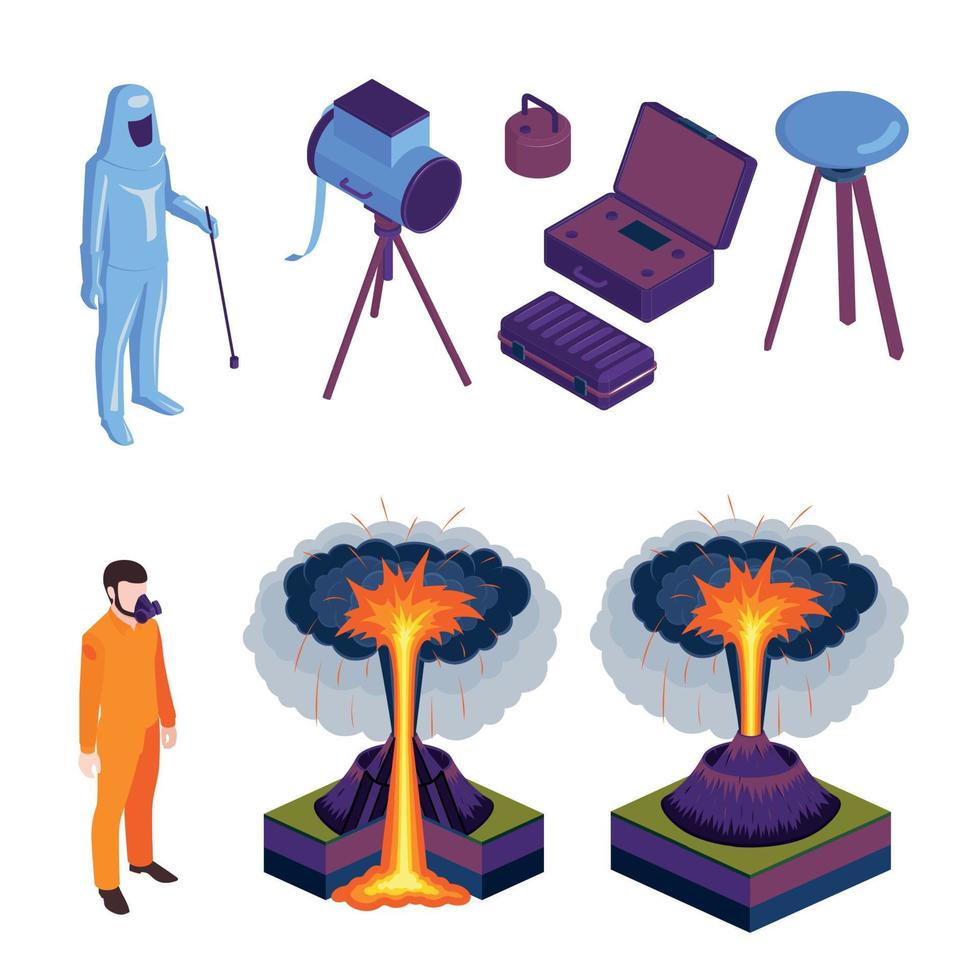
Scientists Are Earth Detectives!
Scientists can sometimes predict volcanic eruptions by watching for: • Small earthquakes near the volcano • Gases coming from the volcano • The volcano changing shape (bulging) But earthquakes are much harder to predict!