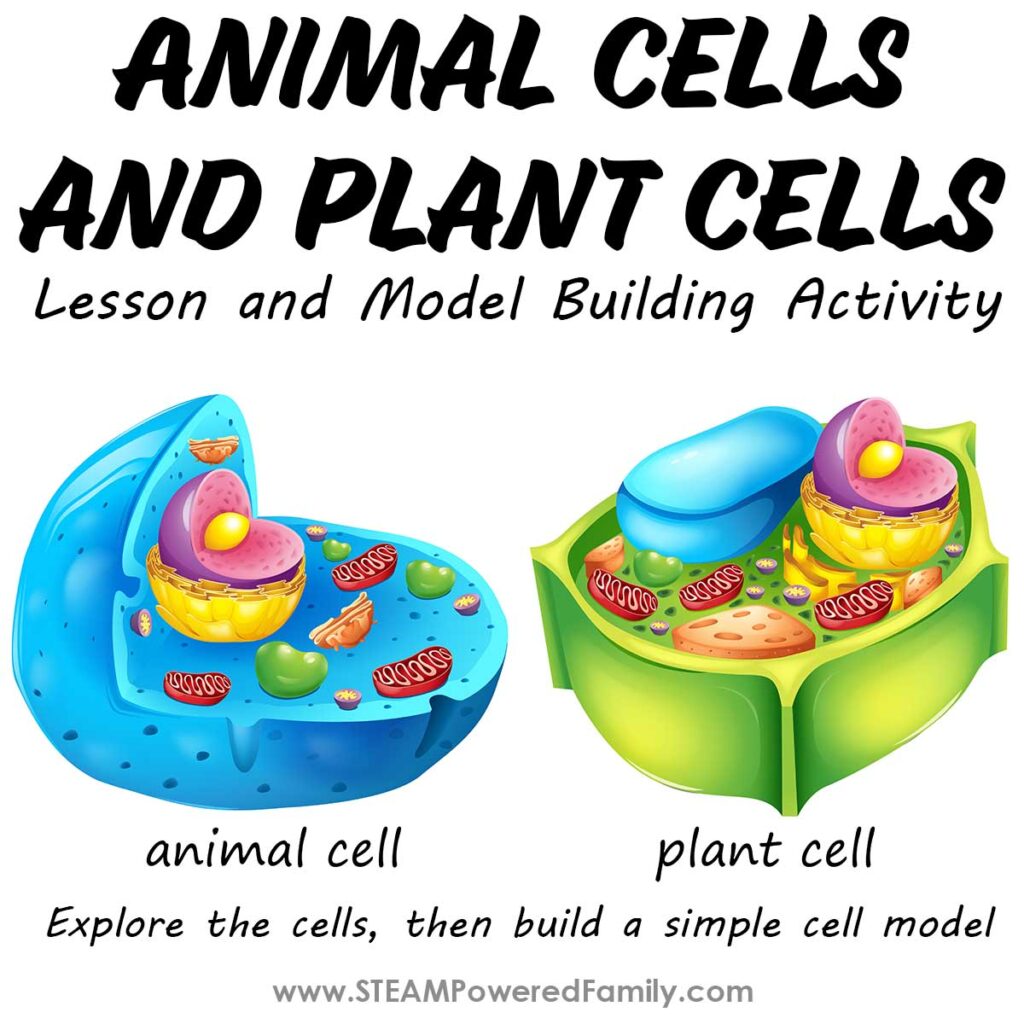
Edible Cell Models: Taste Biology
Year 8 Science Building 3D cell models with edible materials Exploring organelles through taste and texture
What Are Cells?
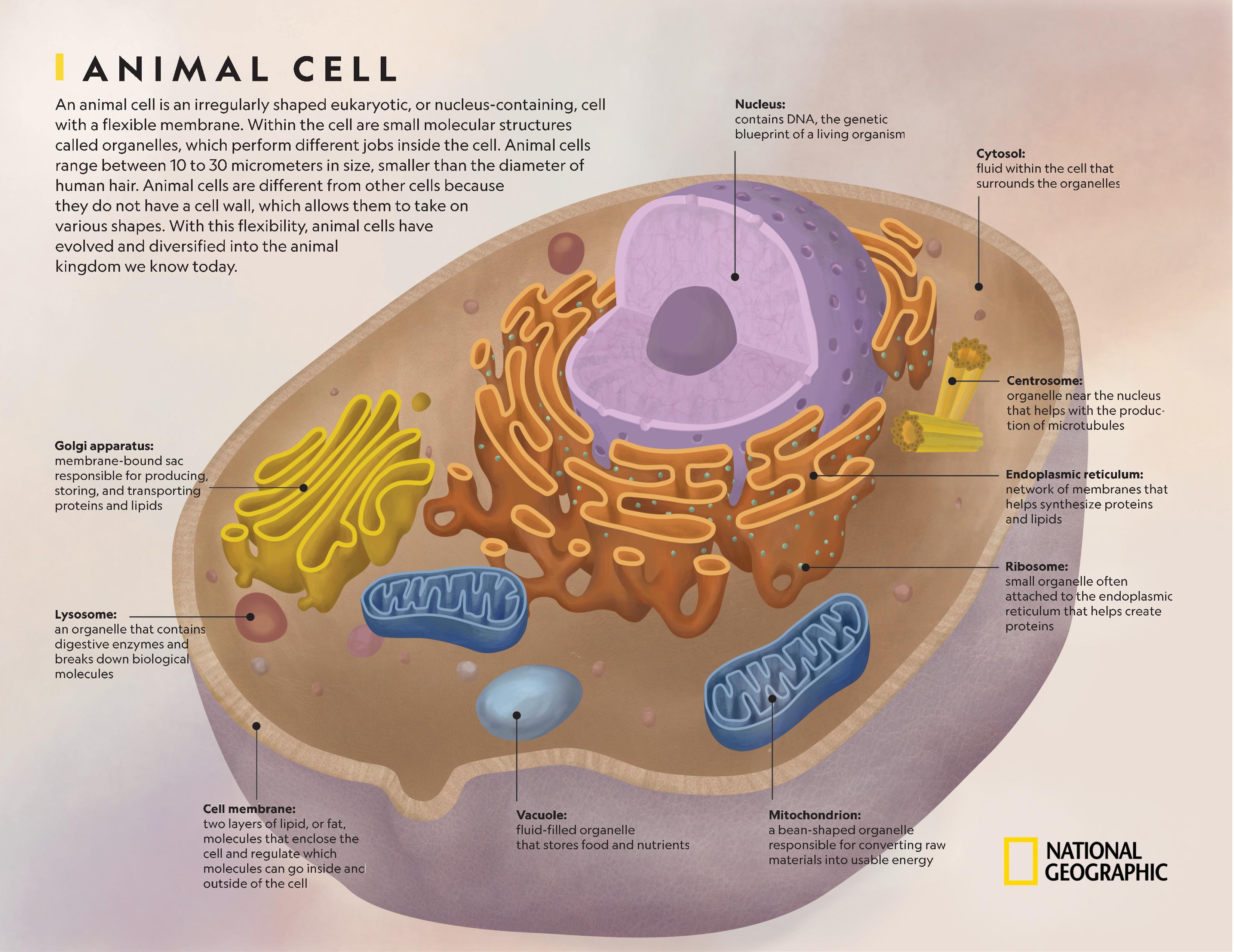
Basic unit of all living things Too small to see without a microscope Contains different parts called organelles Each organelle has a specific job Animal and plant cells have similarities and differences
Animal vs Plant Cells
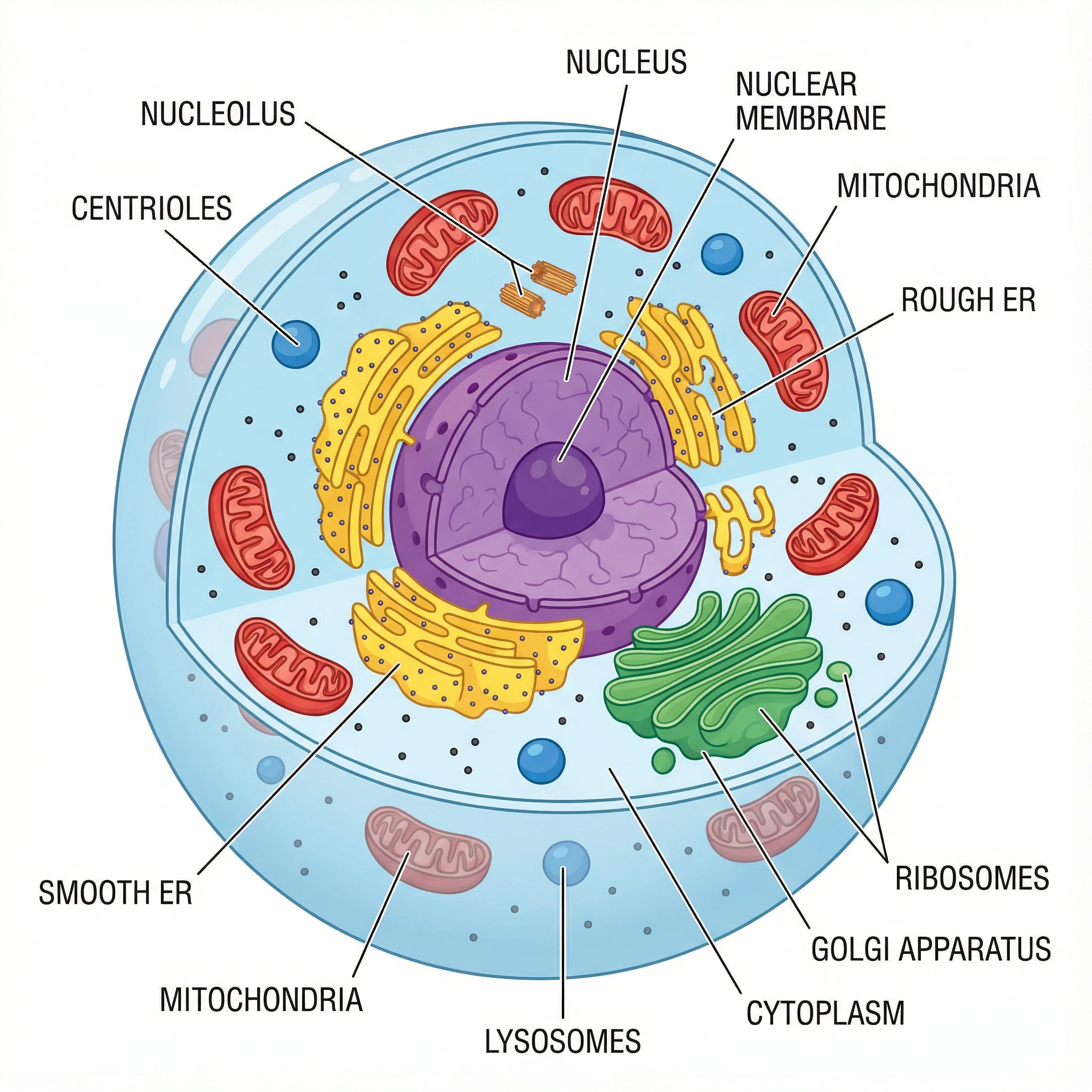
{"left":"Cell membrane controls what enters and exits\nNucleus controls cell activities\nCytoplasm is jelly-like substance inside\nMitochondria provide energy","right":"Cell wall gives structure and support\nChloroplasts make food from sunlight\nLarge vacuole stores water and maintains shape\nSmaller vacuoles for storage"}
Meet the Organelles
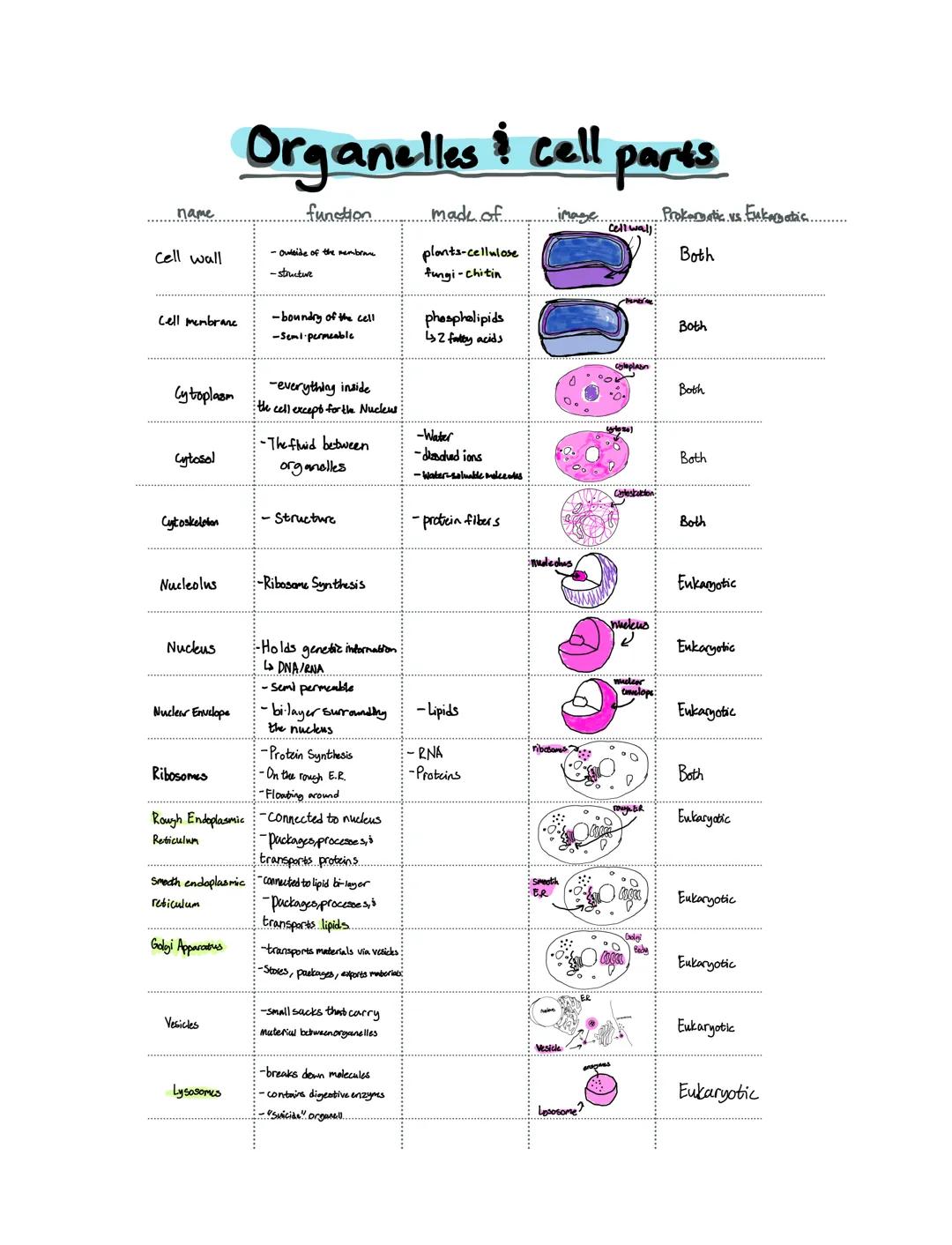
Nucleus - the control center (firm grape or large sweet) Cytoplasm - fills the cell (clear jelly) Cell membrane - protective barrier (jelly cup edge) Vacuole - storage space (bubble in jelly) Chloroplasts - food factories in plants (green sweets) Cell wall - plant protection (straw pieces)
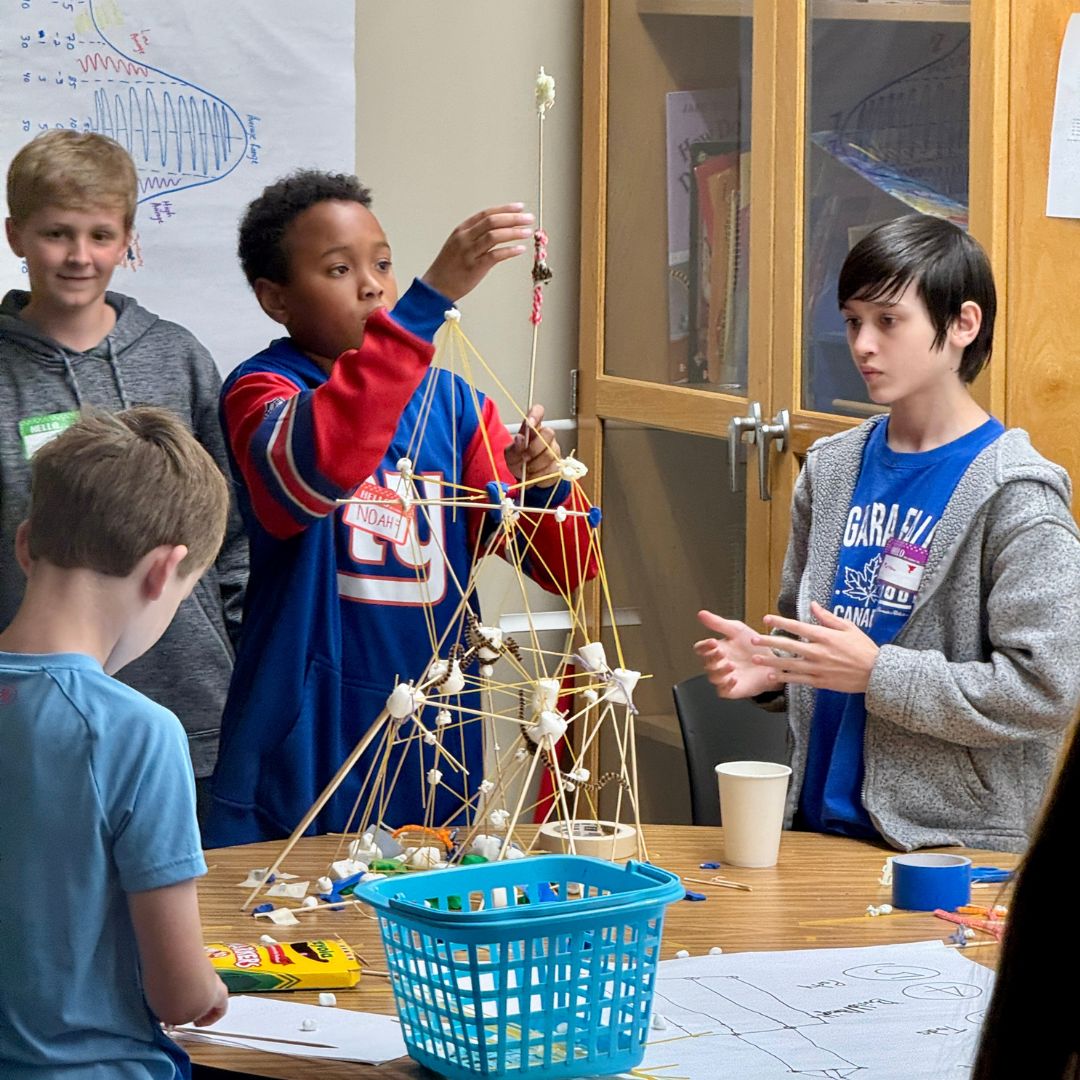
Build Your Edible Cell!
Work in groups of 4-5 students Choose animal OR plant cell to model Use jelly as your cytoplasm base Add organelles using edible materials Label each part with toothpick flags Discuss textures and why they match organelle functions Taste test different parts (safely!)
Think and Taste!
Why is the nucleus firm like a grape? How does the jelly texture relate to cytoplasm's job? What makes plant cells different when you build them? Which organelle would taste the sweetest and why?

Present Your Cell Models
Each group presents their edible cell Explain what each organelle does Describe the textures and why you chose them Answer questions from other groups Use scientific vocabulary in your explanations
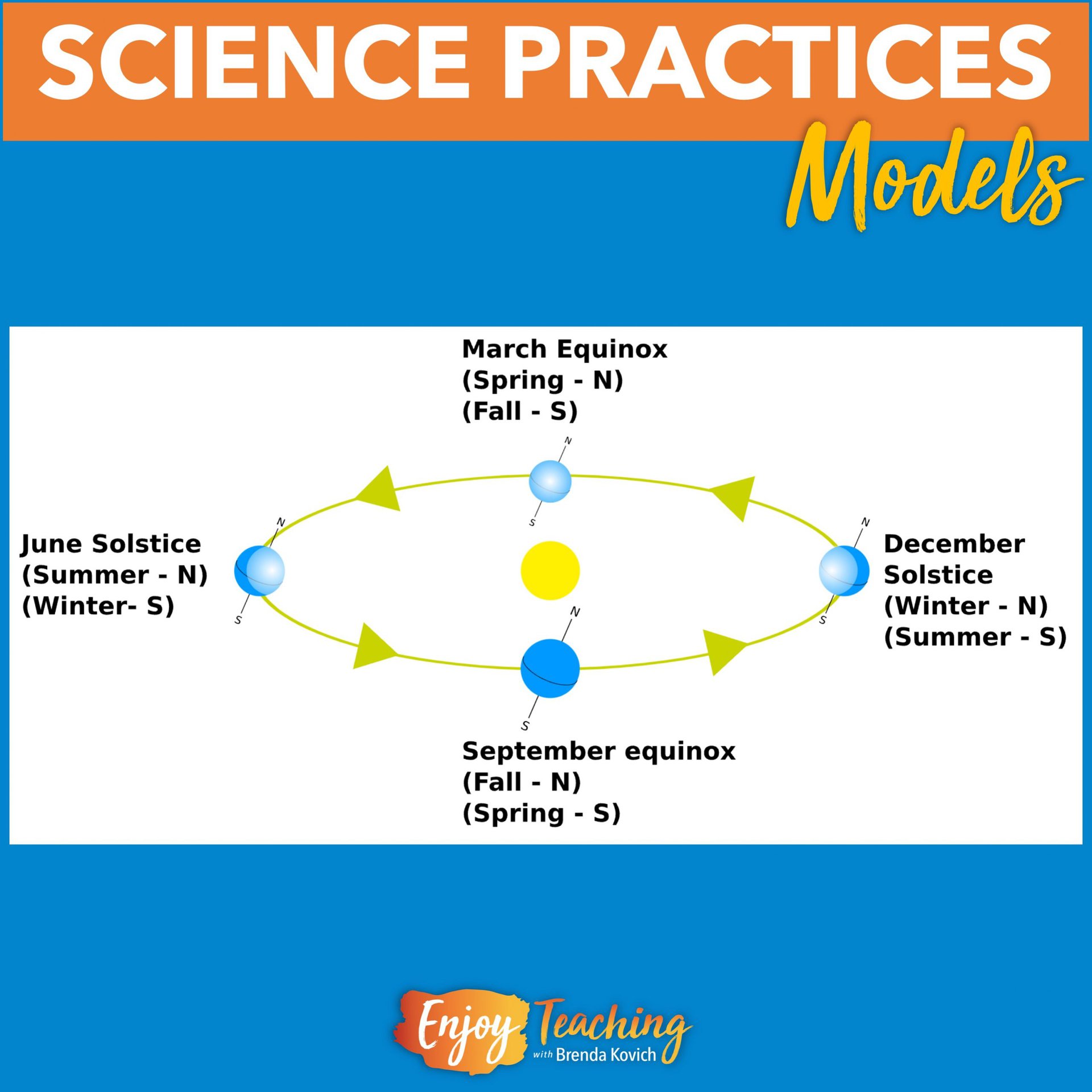
Models Help Us Understand
"The best way to learn about something is to build it yourself and experience it with all your senses."