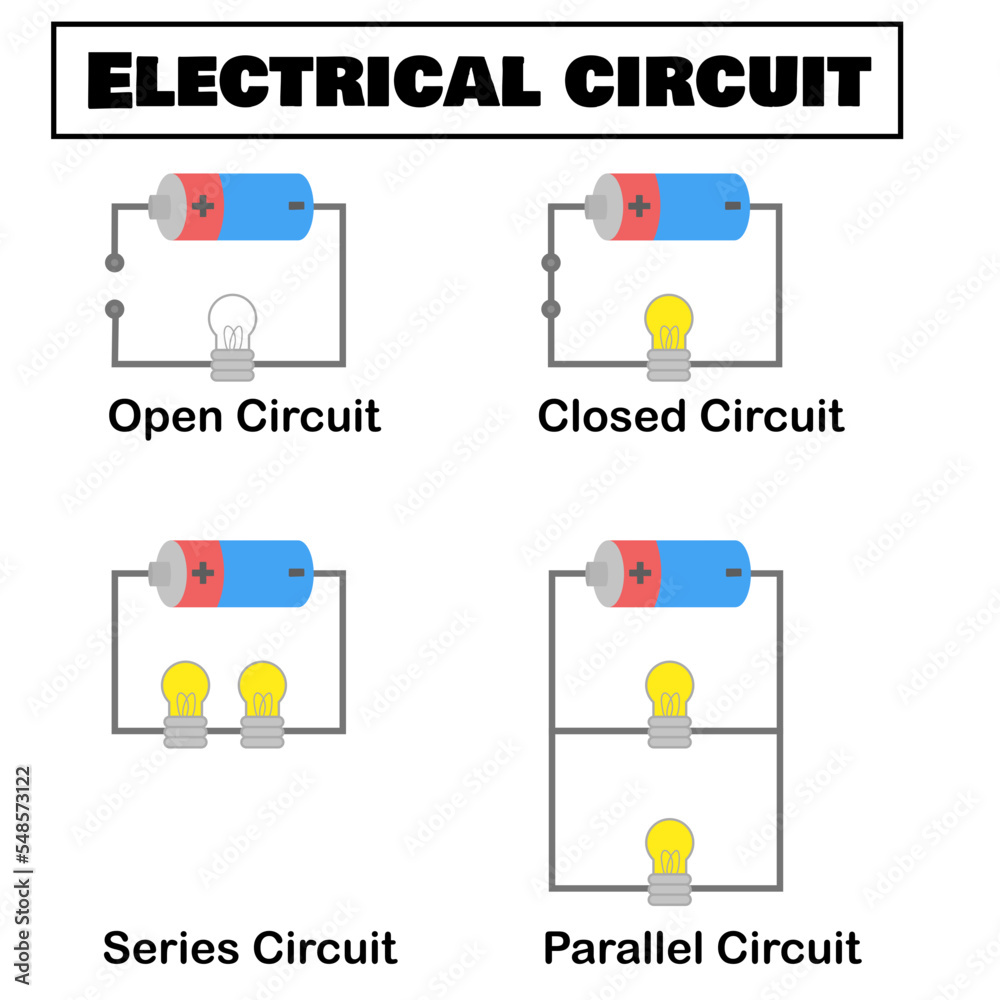
Electricity: Circuits, Components, and Symbols
A journey into electrical circuits Year 6 Science Understanding how electricity flows
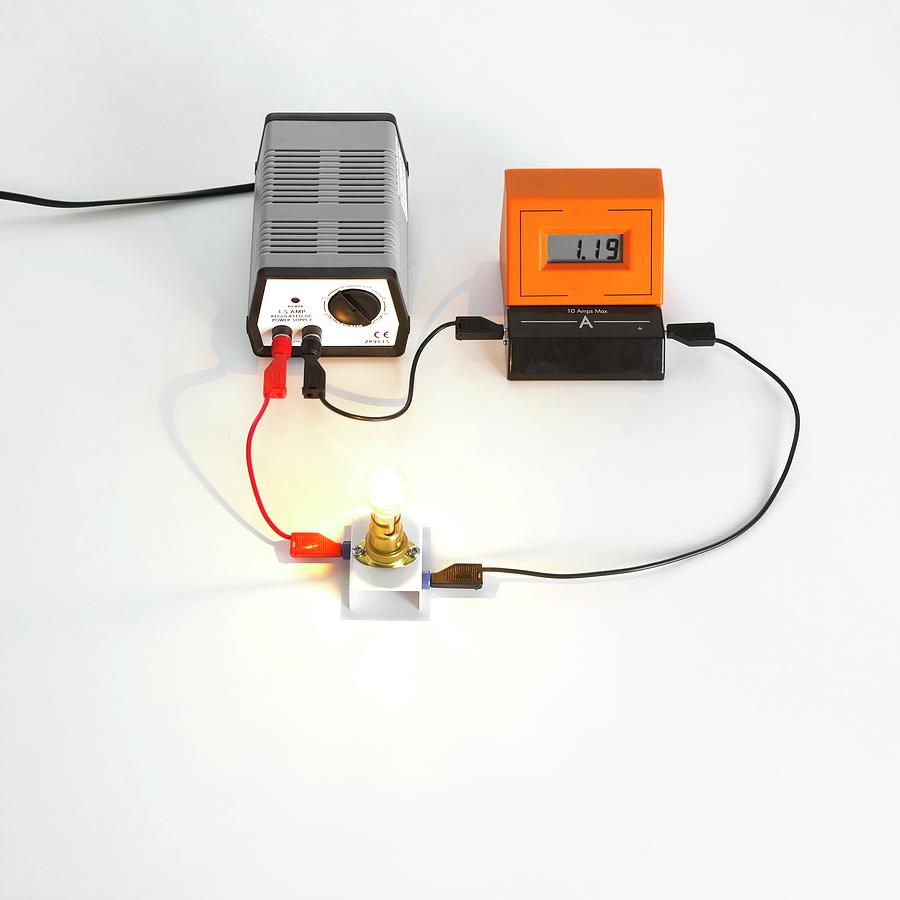
What happens when we add more batteries?
Look at this simple circuit One battery, one bulb What do you predict will happen if we add another battery?

Hands-On Investigation: Battery Power
Build a circuit with one battery and one bulb Observe and record the brightness Add a second battery - what changes? Discuss your observations with your group
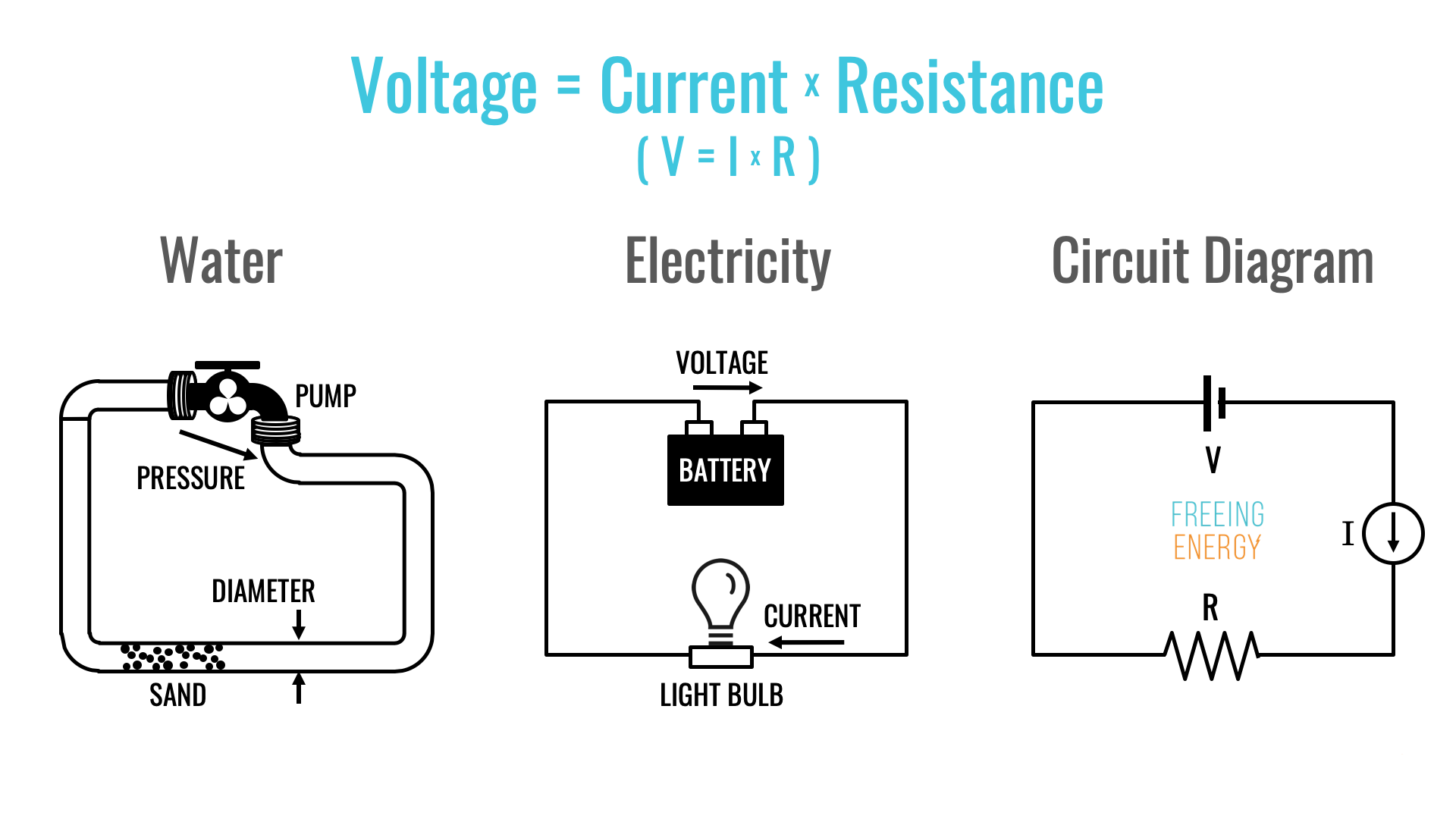
What We Discovered: More Batteries = Brighter Bulbs
More batteries provide more voltage Higher voltage pushes more current through the circuit More current makes the bulb brighter This is like having more energy flowing through the wires

Circuit Components and Their Jobs
{"left":"Battery - provides the electrical energy\nBulb - converts electrical energy to light\nWires - carry the electrical current","right":"Switch - controls the flow of electricity\nBattery holder - keeps battery secure\nBulb holder - connects bulb safely to circuit"}

Circuit Detective: Finding Faults
Build circuits with deliberate problems Loose wire - bulb won't light Open switch - circuit is broken Blown bulb - no current can flow Work together to diagnose and fix each fault
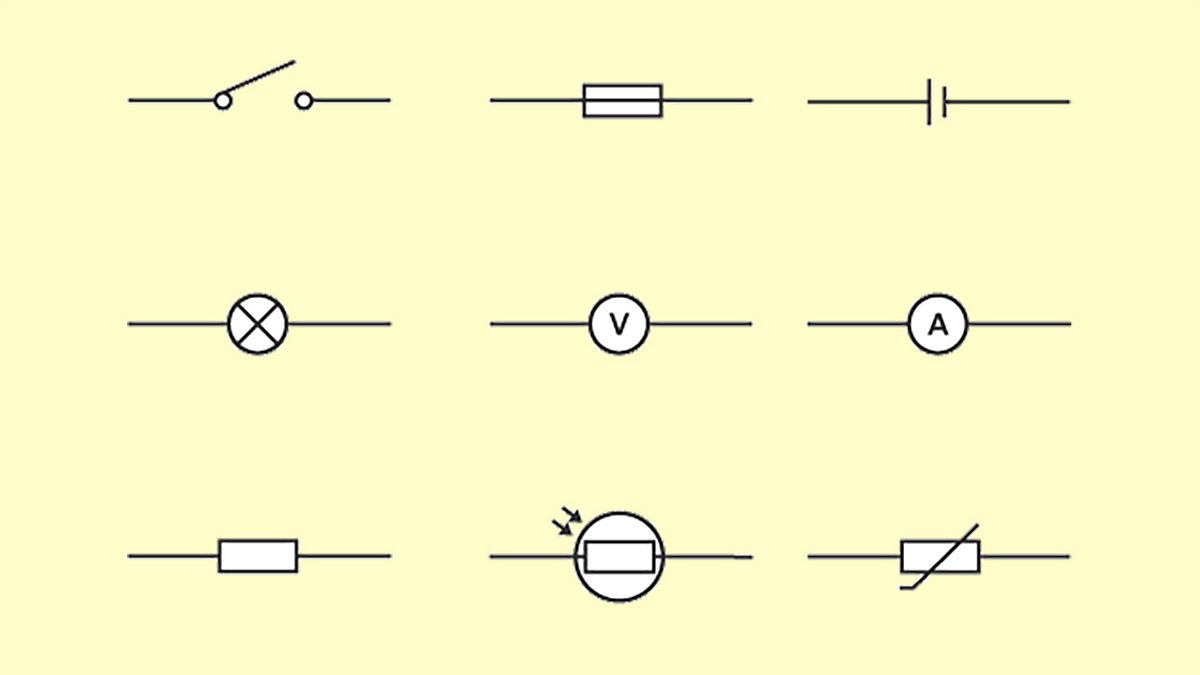
Circuit Symbols: The Language of Electricity

What We've Learned Today
More batteries make bulbs brighter by providing more voltage Each component has a specific job in the circuit Switches control whether electricity can flow Scientists use symbols to draw circuit diagrams Complete circuits are needed for electricity to flow