
Emotions and Executive Function: Building Skills
Understanding how emotions affect our thinking Building stronger executive function skills Year 9-10 Health and Psychology
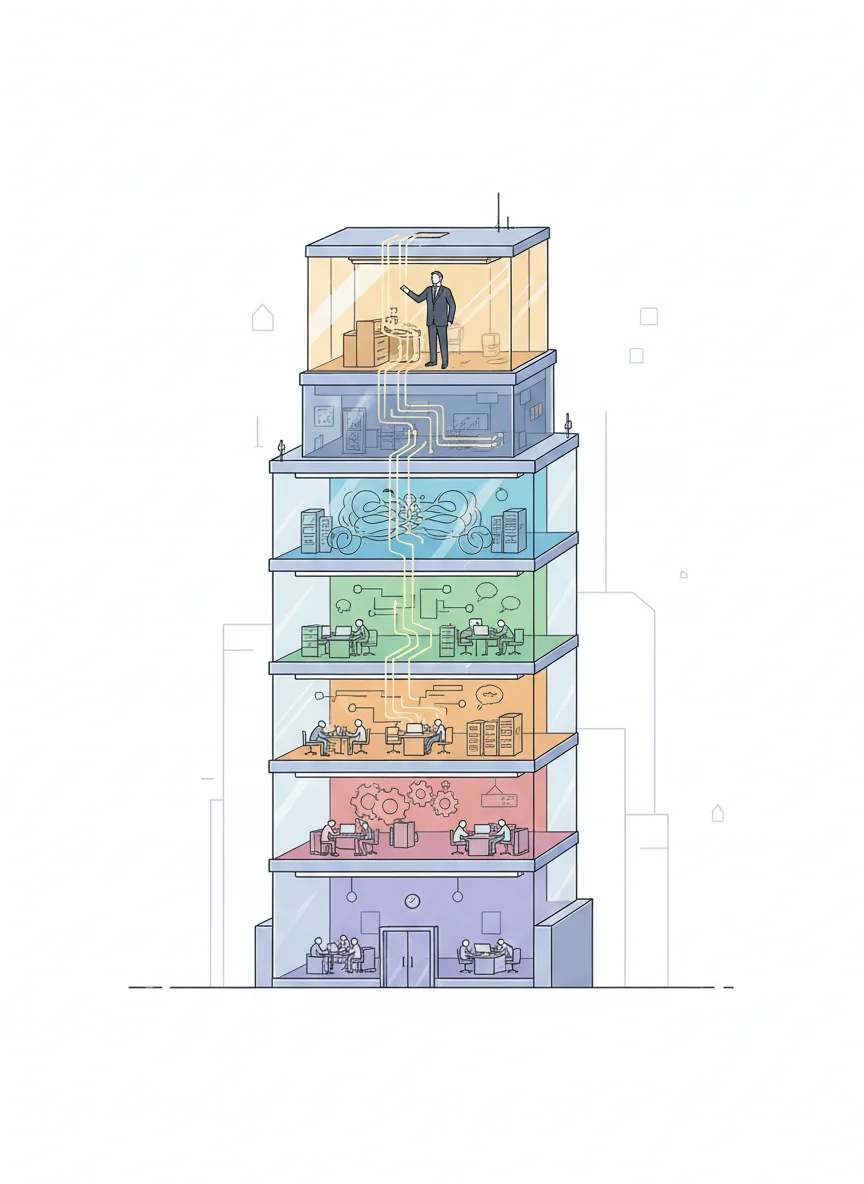
What is Executive Function?
The 'CEO' of your brain - managing thoughts and actions Three core skills: Working Memory, Cognitive Flexibility, Inhibitory Control Like having a personal assistant for your mind Develops throughout adolescence and into early twenties

The Three Pillars of Executive Function
{"left":"Working Memory: Holding information in mind while using it (like remembering instructions while completing a task)\nCognitive Flexibility: Switching between different concepts or adapting to new rules (like changing study strategies when one isn't working)","right":"Inhibitory Control: Resisting impulses and staying focused (like not checking your phone during homework time)"}
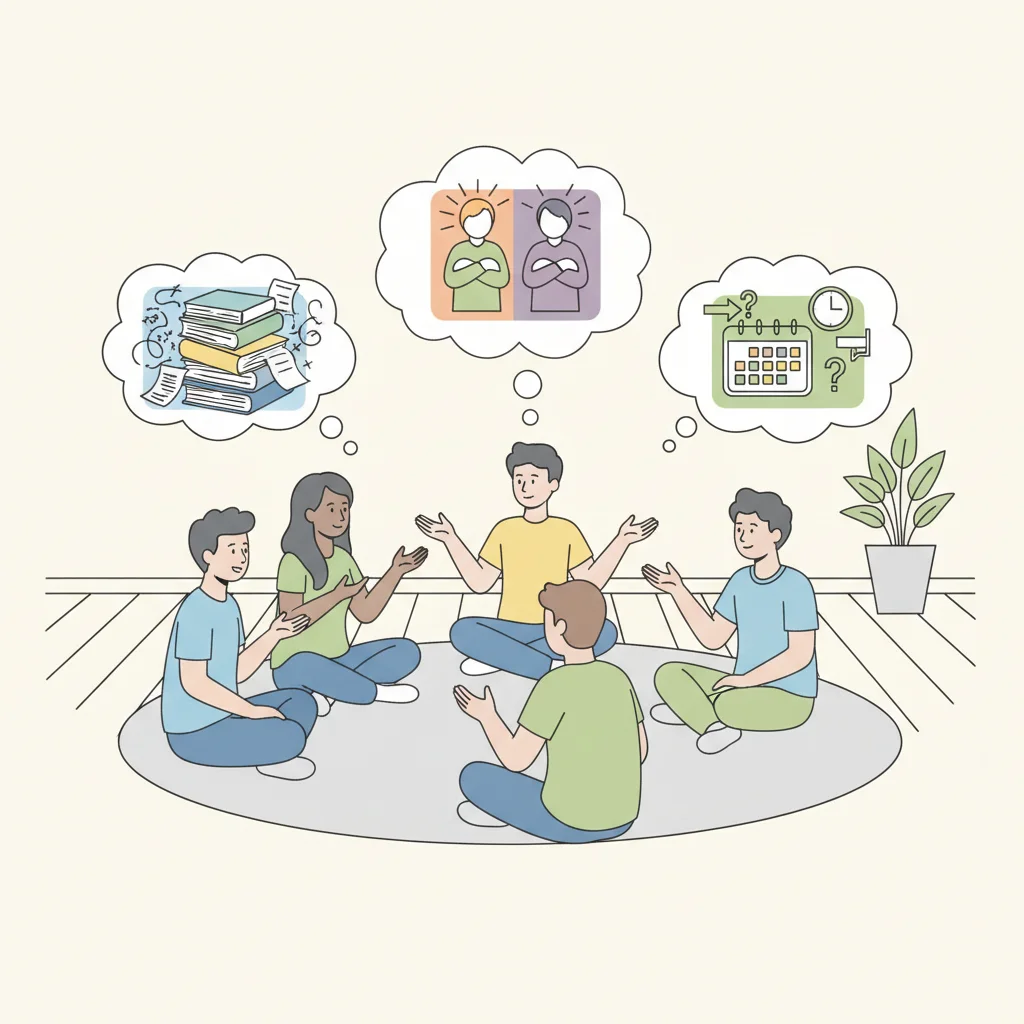
EF in Action: Real-Life Scenarios
Scenario 1: Planning a group project with conflicting schedules Scenario 2: Studying for multiple exams in one week Scenario 3: Dealing with a friendship conflict during class Which EF skills are needed in each situation?

Building Your EF Toolkit
Break large tasks into smaller, manageable steps Use external aids: calendars, reminders, checklists Practice mindfulness and self-awareness Create routines and consistent environments Get enough sleep and exercise - your brain needs fuel!

The Emotion-Cognition Connection
"Emotions are not the enemy of reason, but essential to it. They help us navigate the world by signaling what matters most."
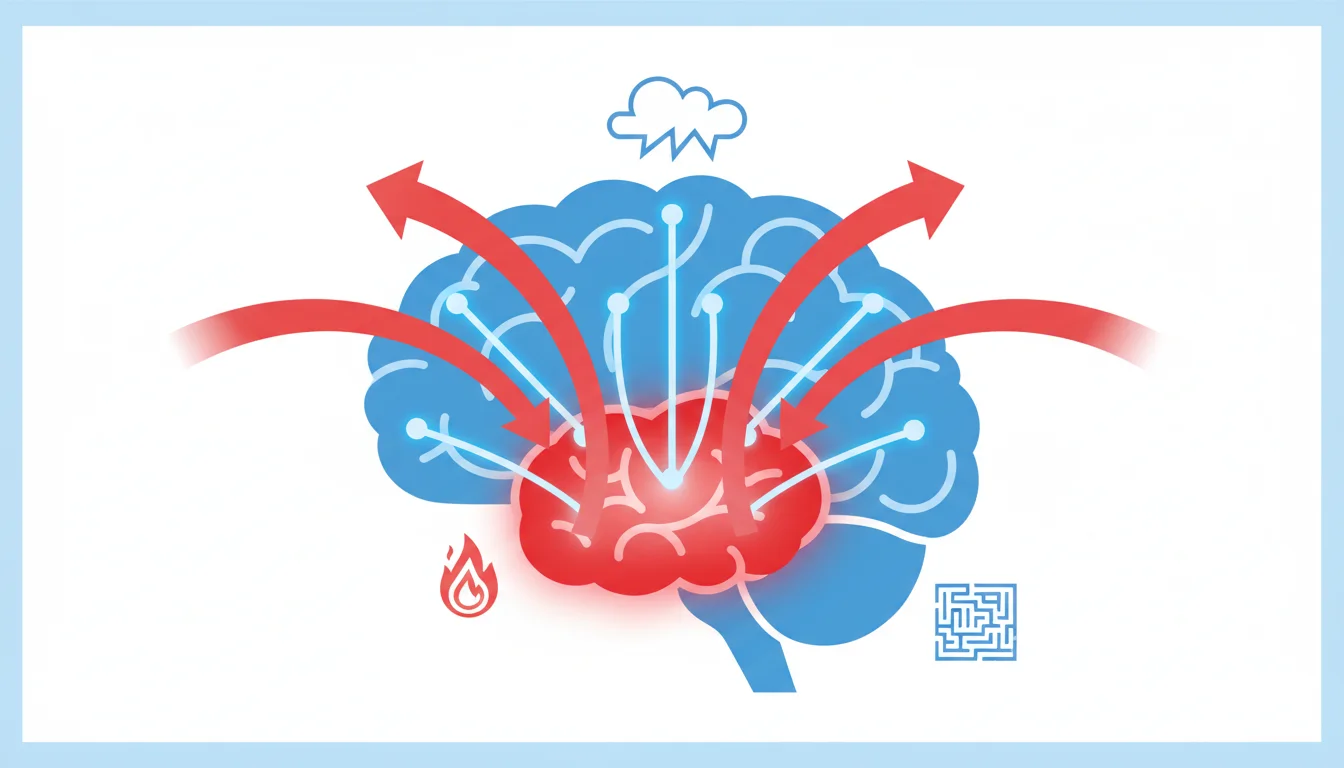
How Emotions Hijack Executive Function
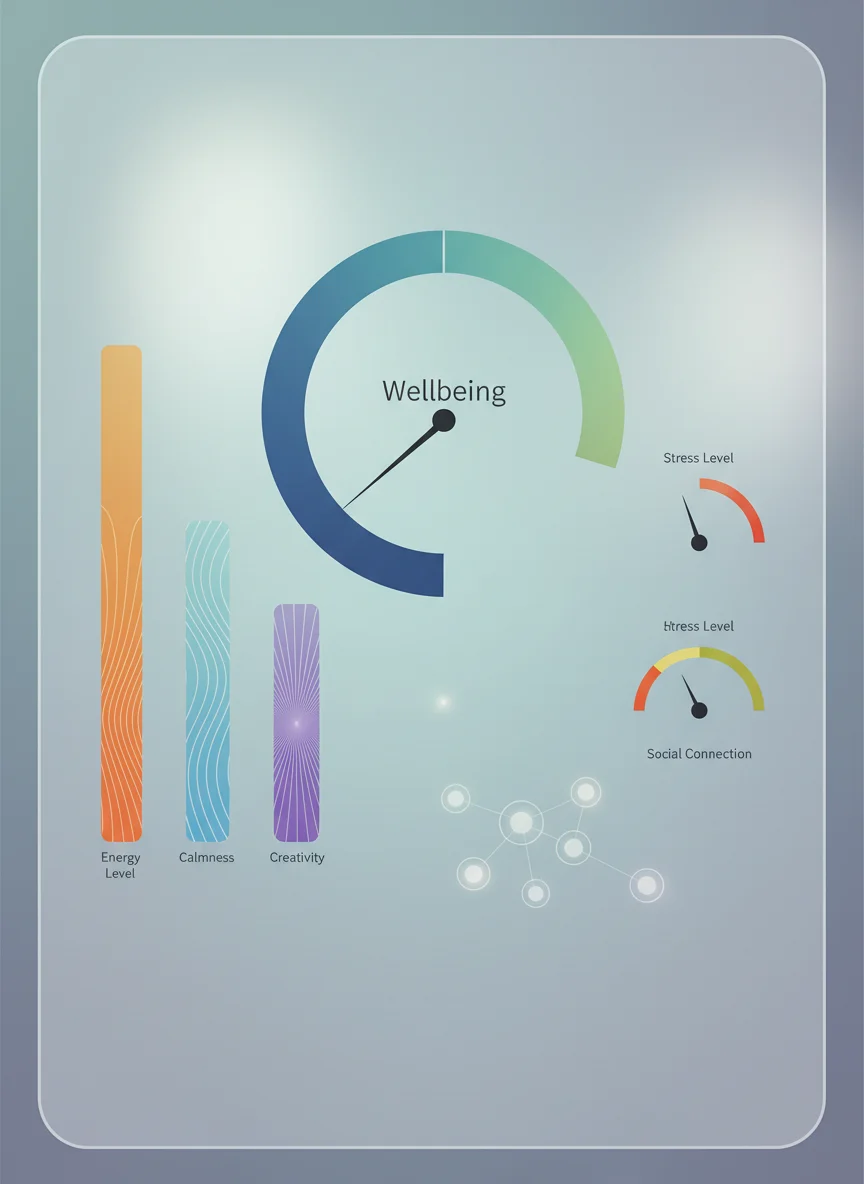
Emotions as Information
Emotions signal what's important to us They provide valuable data about our environment Different emotions serve different purposes Anxiety might signal we need to prepare more Anger might signal a boundary has been crossed Learning to 'read' our emotions improves decision-making

The STOP Technique
S - STOP what you're doing T - TAKE a breath (or three!) O - OBSERVE your emotions and thoughts P - PROCEED with intention Practice scenario: You just received a disappointing test grade
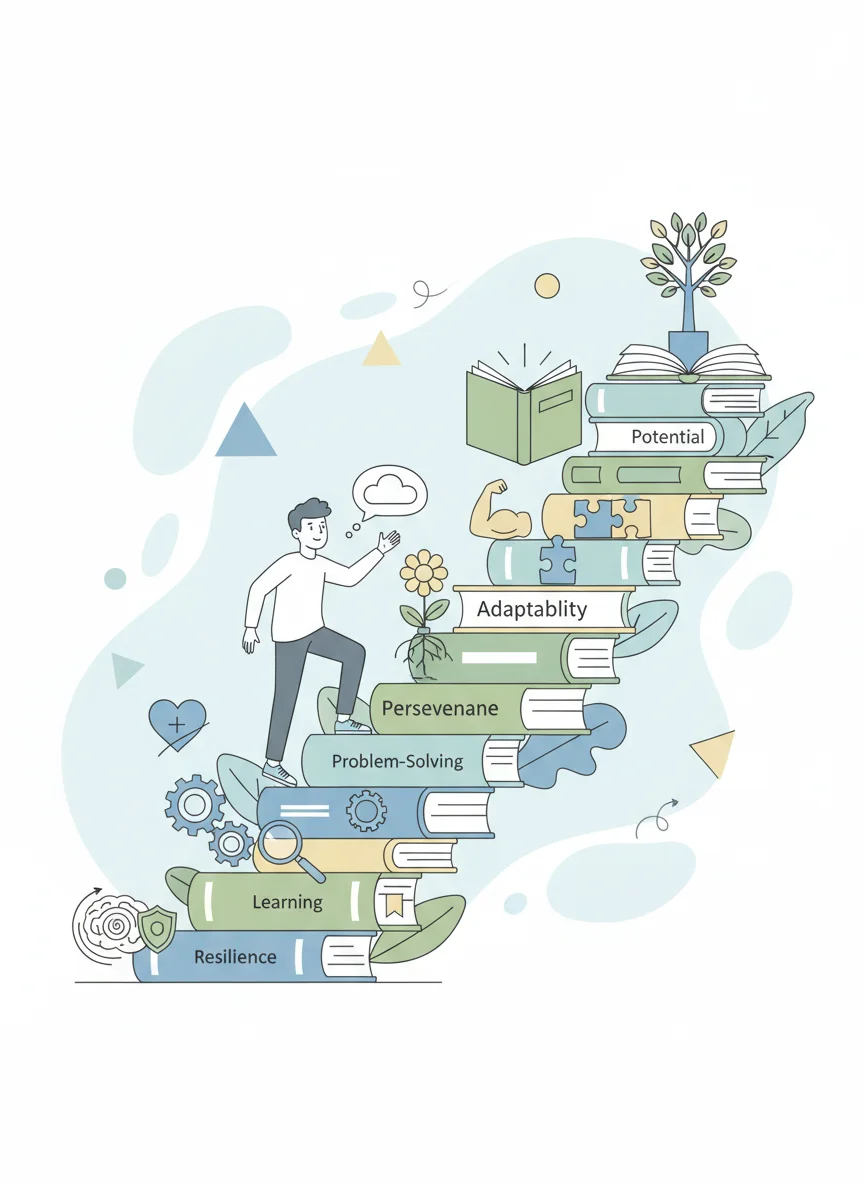
Building Your Emotional-Executive Function Skills
Develop emotional vocabulary - name it to tame it Practice the pause - create space between feeling and action Use positive self-talk and reframing Build stress management routines Seek support when needed - asking for help is a strength Remember: these skills develop over time with practice