Essential Music Terms for Beginners
Year 7 Music Understanding Musical Language Building Your Musical Vocabulary

A Capella
Singing without instrumental accompaniment Voices only - no instruments Examples: Pentatonix, barbershop quartets From Italian meaning 'in the style of the chapel'
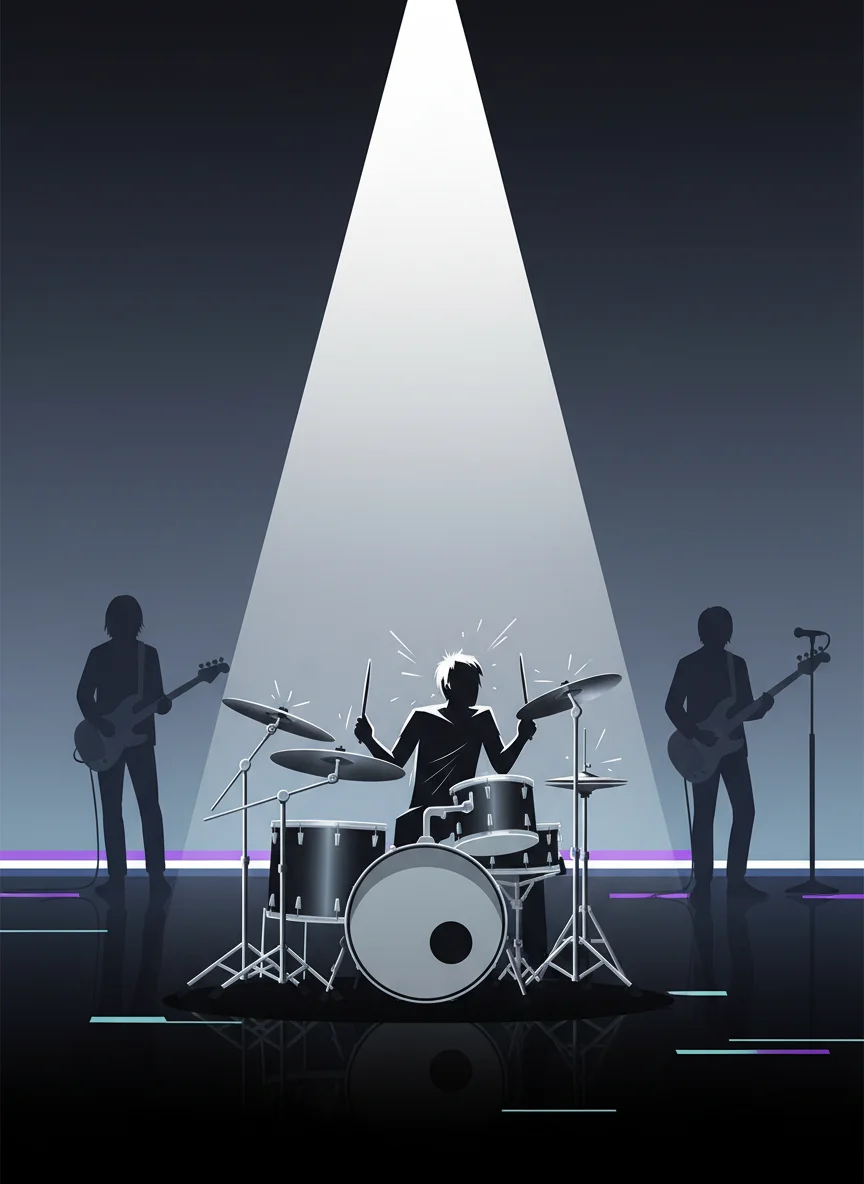
Break
A section where most instruments stop playing Usually features drums or a solo instrument Creates contrast and excitement Common in hip-hop, funk, and pop music
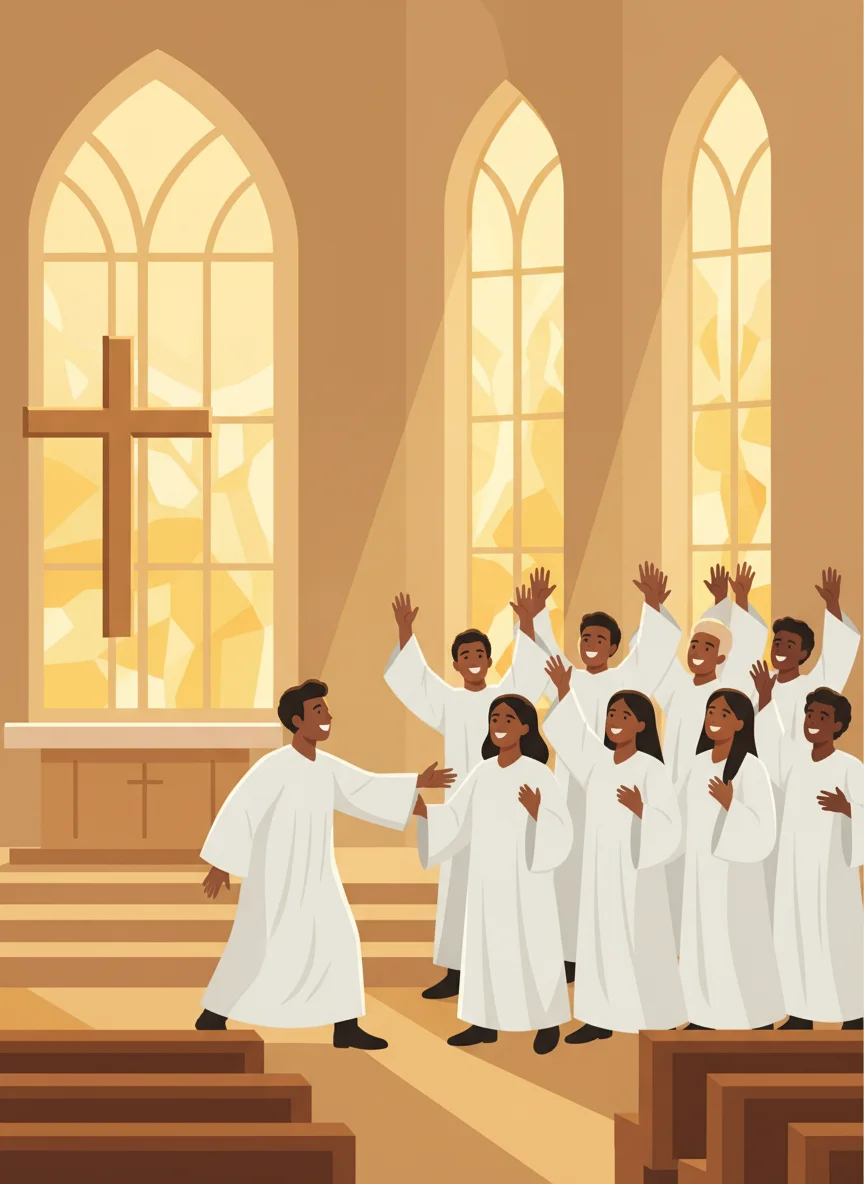
Call and Response
Musical conversation between performers One person/group 'calls', others 'respond' Found in blues, gospel, folk music Creates interaction and engagement

Chords
Three or more notes played together Create harmony and support melody Basic types: major, minor, diminished Foundation of most Western music
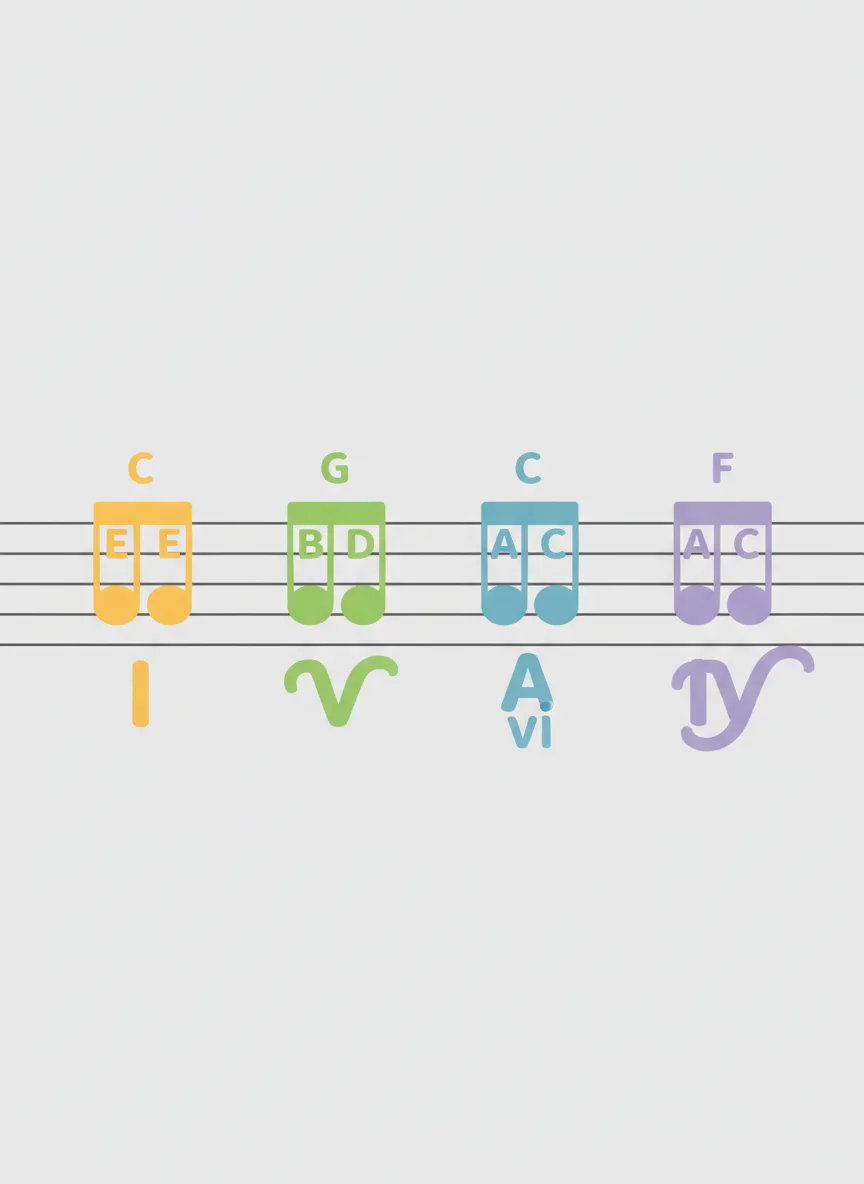
Chord Progression
Sequence of chords in a song Creates the harmonic structure Common progressions: I-V-vi-IV Determines the song's emotional journey
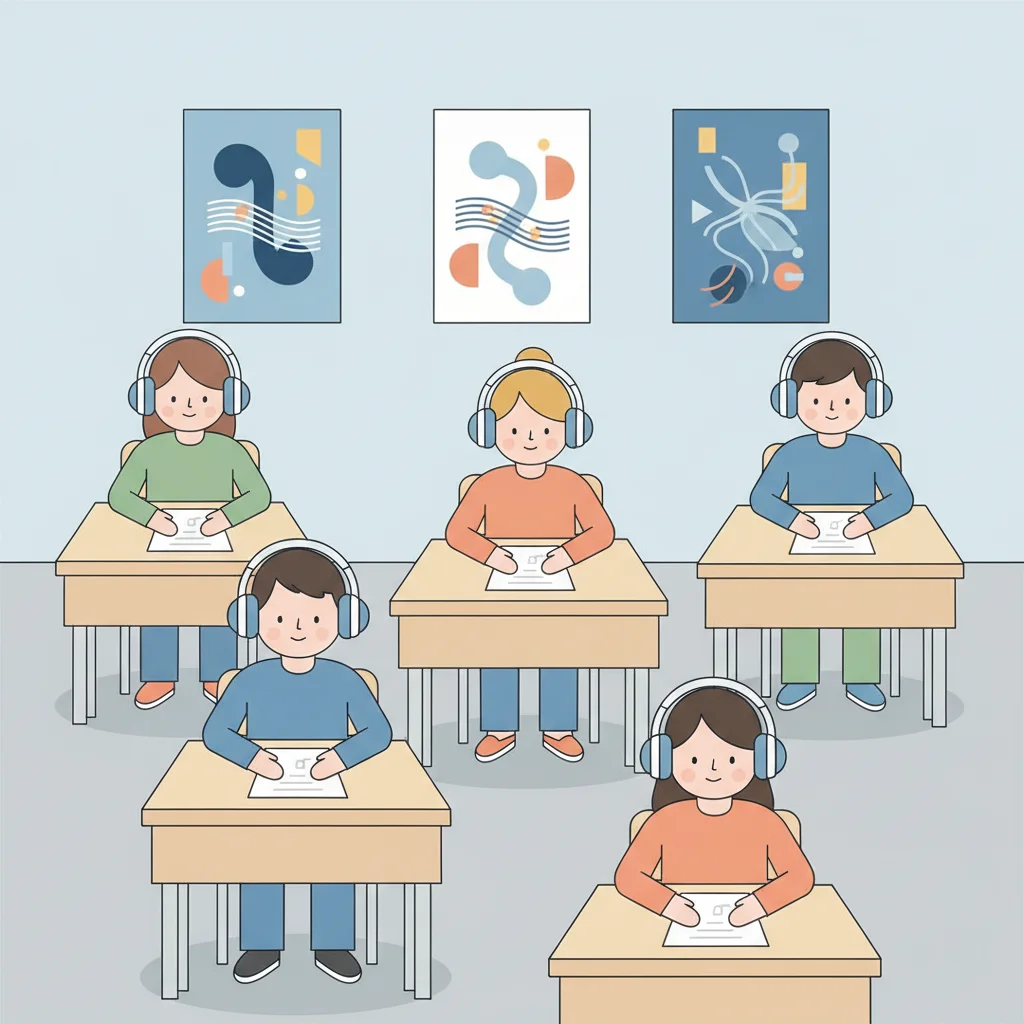
Listening Challenge
Listen to three song excerpts Identify: A capella, breaks, or call and response Write your answers on paper Discuss as a class
Diction
Clear pronunciation of words when singing Essential for audience understanding Involves consonants, vowels, and articulation Professional singers practice diction exercises
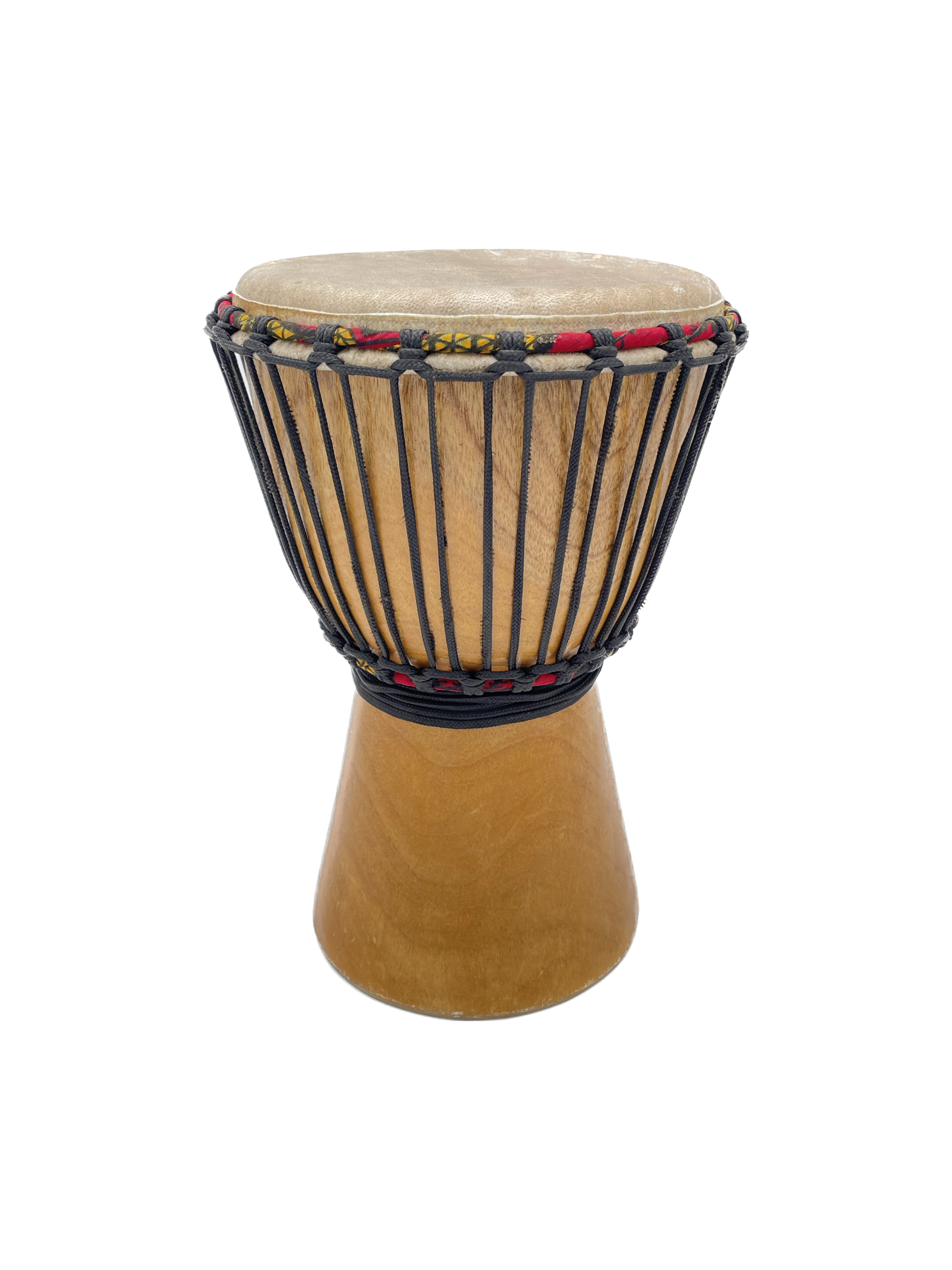
Djembe
Traditional West African drum Goblet-shaped with animal skin head Played with hands, not sticks Important in African music and culture

Duo
Musical group of two performers Can be singers, instrumentalists, or both Examples: Simon & Garfunkel, The White Stripes Allows for intimate musical conversations
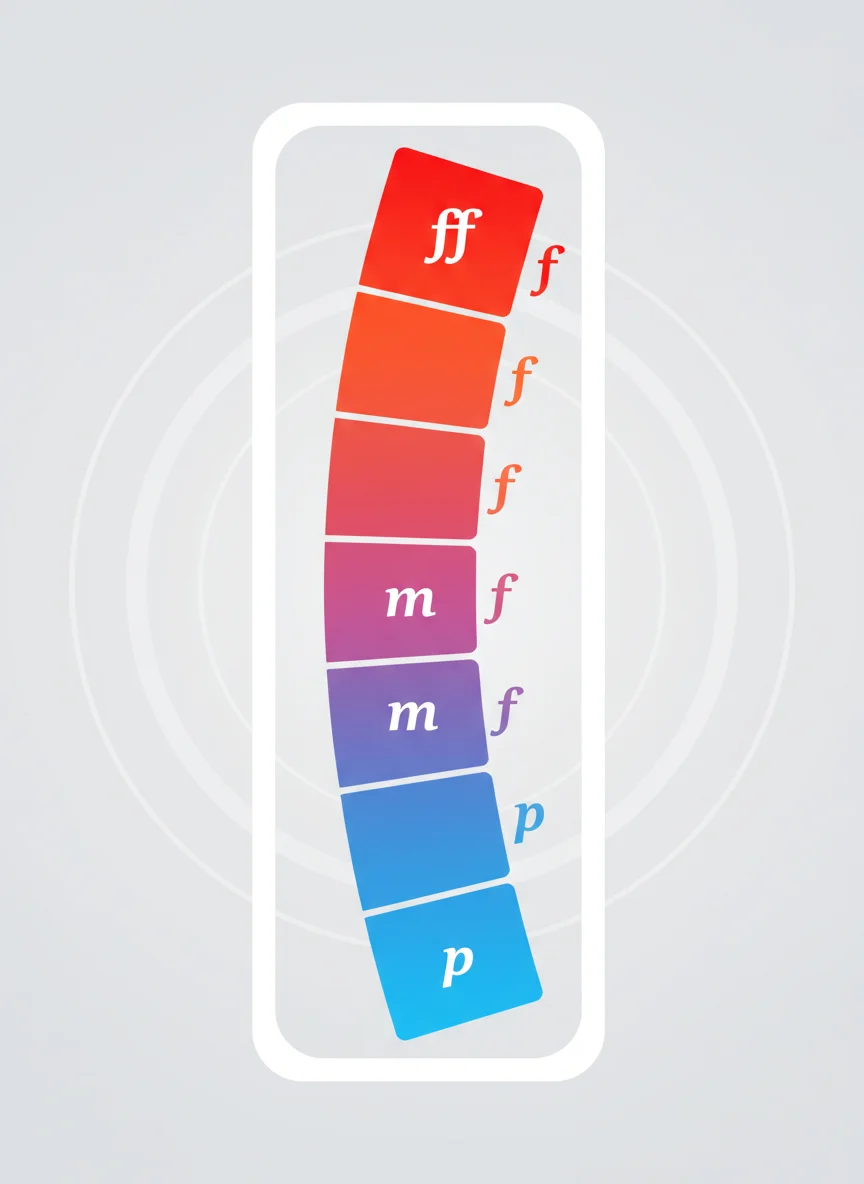
Dynamics
Volume levels in music Soft (piano) to loud (forte) Creates emotion and interest Examples: pp, p, mp, mf, f, ff
Quick Check
What's the difference between a chord and a chord progression? Can you name one example of call and response in music? Why is diction important for singers?
9 more slides available after you open the deck.
Download all 21 slides