Exercise and Respiration Investigation
Year 8 Science Exploring how exercise affects our breathing and heart rate A practical investigation
Think About This...
Why do you think your heart beats faster when you exercise? What happens to your breathing during physical activity? How might this connect to what your cells need?

The Respiration Equation
Glucose + Oxygen → Carbon dioxide + Water + Energy (ATP) Our cells need energy for everything we do Exercise increases energy demand More energy needed = more oxygen required
What Happens During Exercise?
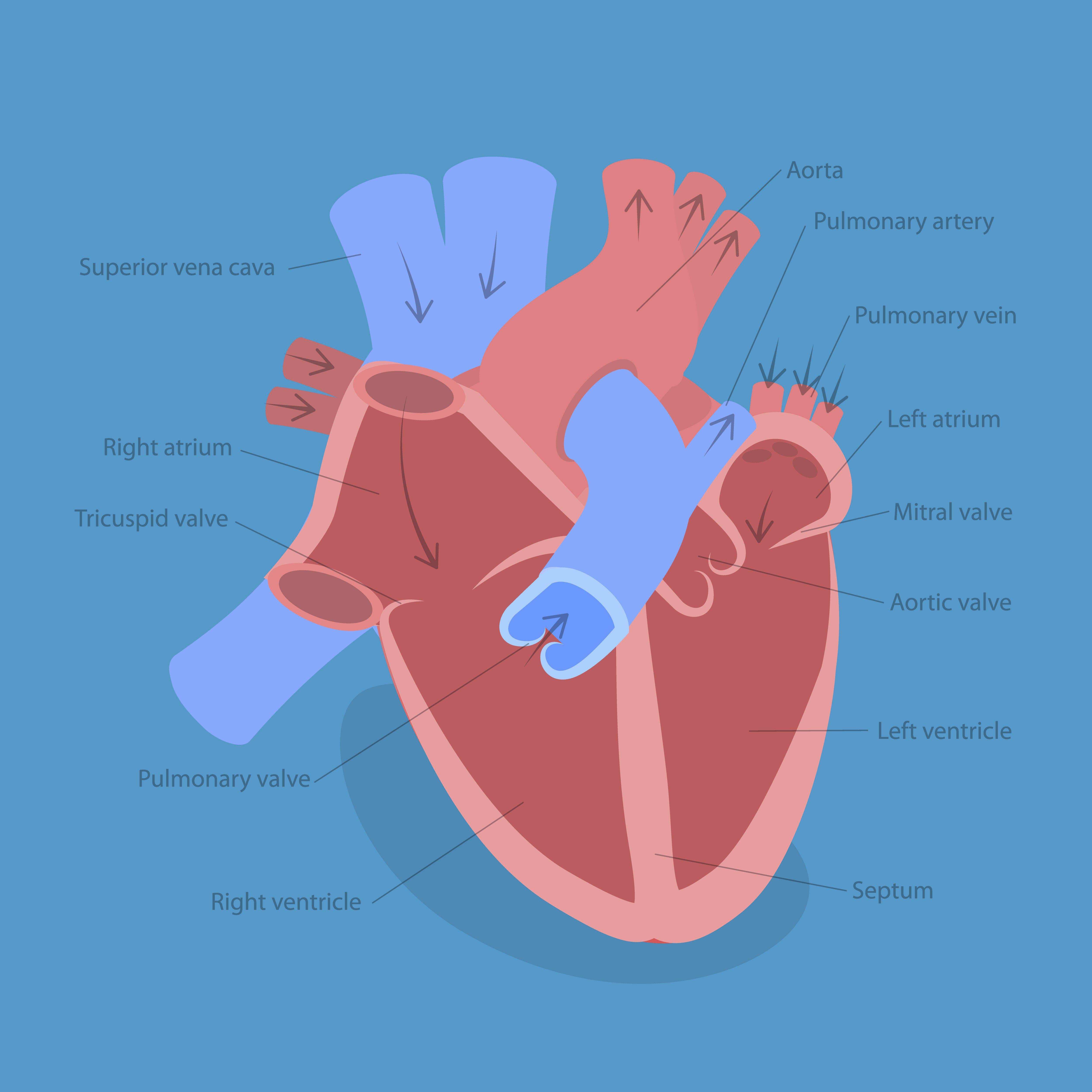
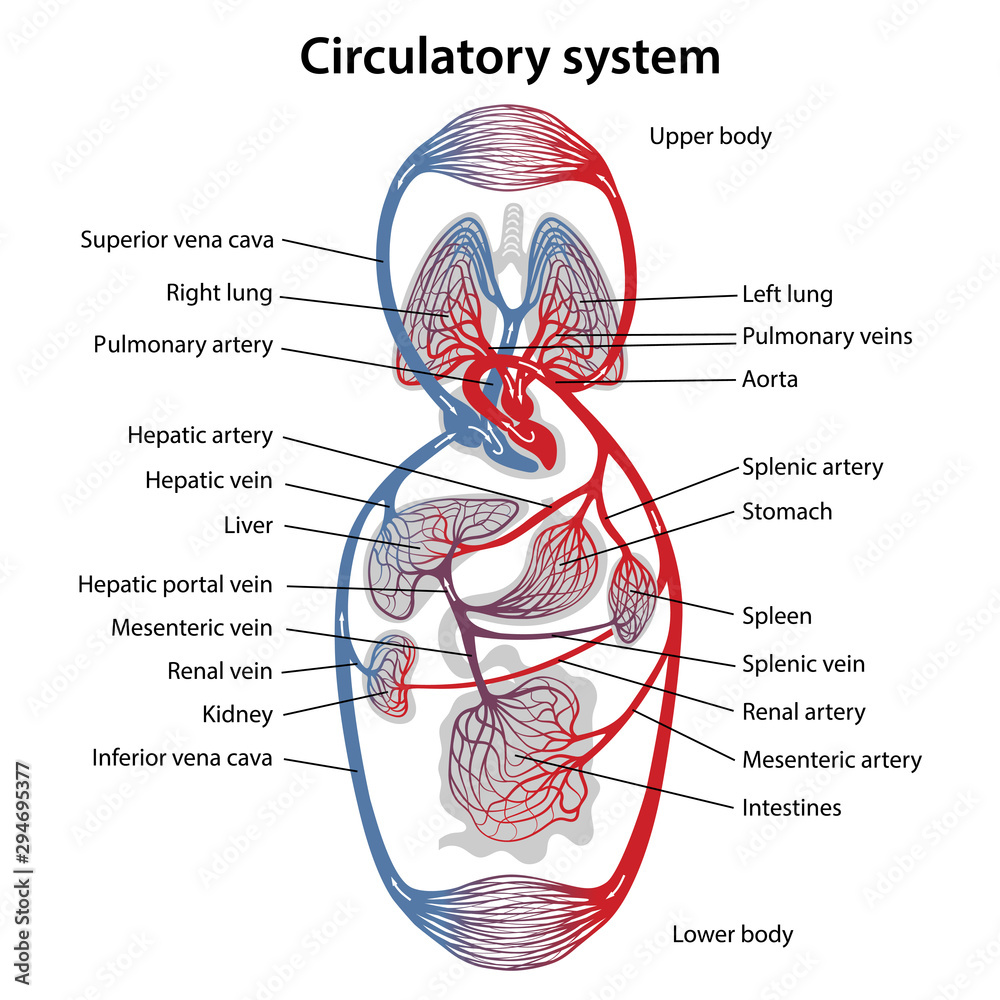
{"left":"Heart pumps faster to deliver oxygen to muscles\nBreathing rate increases to take in more oxygen\nBlood carries oxygen from lungs to working muscles","right":"Muscles use oxygen for cellular respiration\nMore carbon dioxide is produced as waste\nWe breathe faster to remove excess CO₂"}

Planning Our Investigation
Independent variable: Exercise (rest vs. after 2 minutes) Dependent variables: Heart rate and breathing rate Control variables: Same person, same method, same duration Hypothesis: Exercise will increase both heart and breathing rates
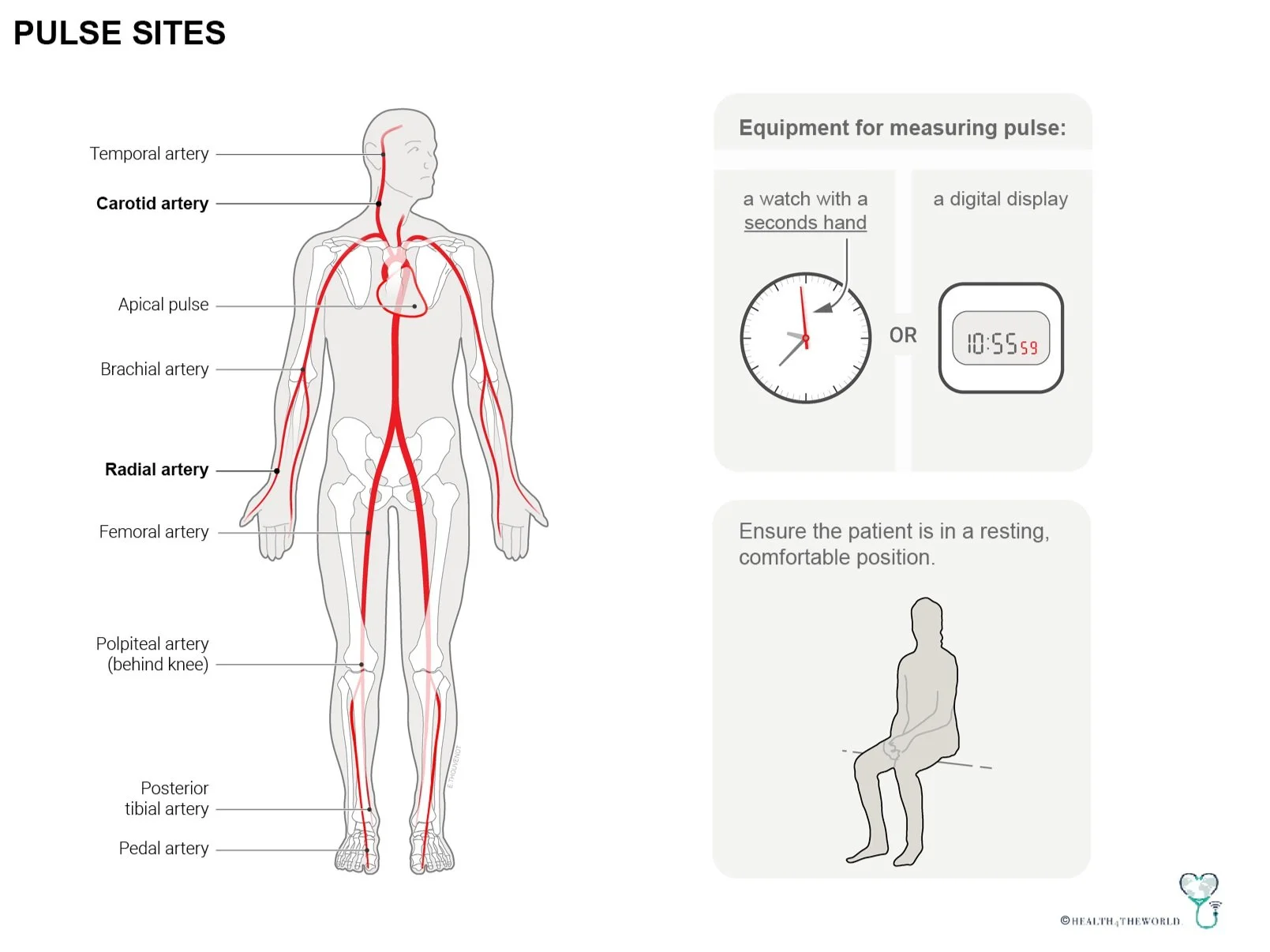
Measurement Methods
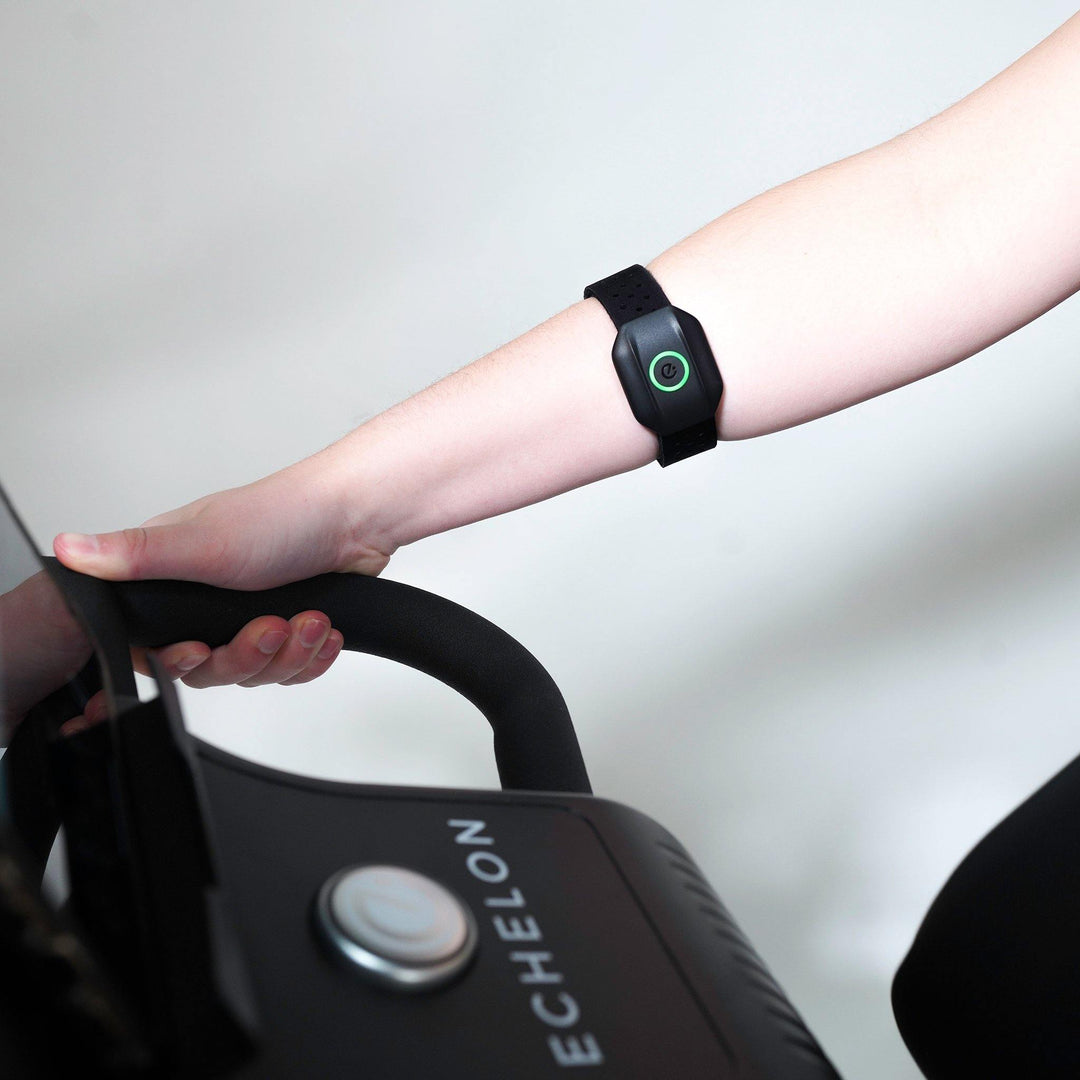
Heart rate: Count pulse for 15 seconds × 4 Find pulse at wrist or neck Breathing rate: Count breaths for 30 seconds × 2 One breath = chest rise and fall Exercise: 2 minutes of stepping or star jumps
Conducting the Experiment
Step 1: Measure resting heart and breathing rates Step 2: Record baseline data Step 3: Exercise for exactly 2 minutes Step 4: Immediately measure rates again Step 5: Record post-exercise data