Exercise and Respiration Rate Investigation
Year 8 Science Understanding how exercise affects breathing and heart rate Lesson 2: Exploring Respiration Processes

Quick Starter Question
What happens to your breathing when you run up the stairs? Why do you think this happens? How does your heart feel after exercise?
Recap: What is Respiration?
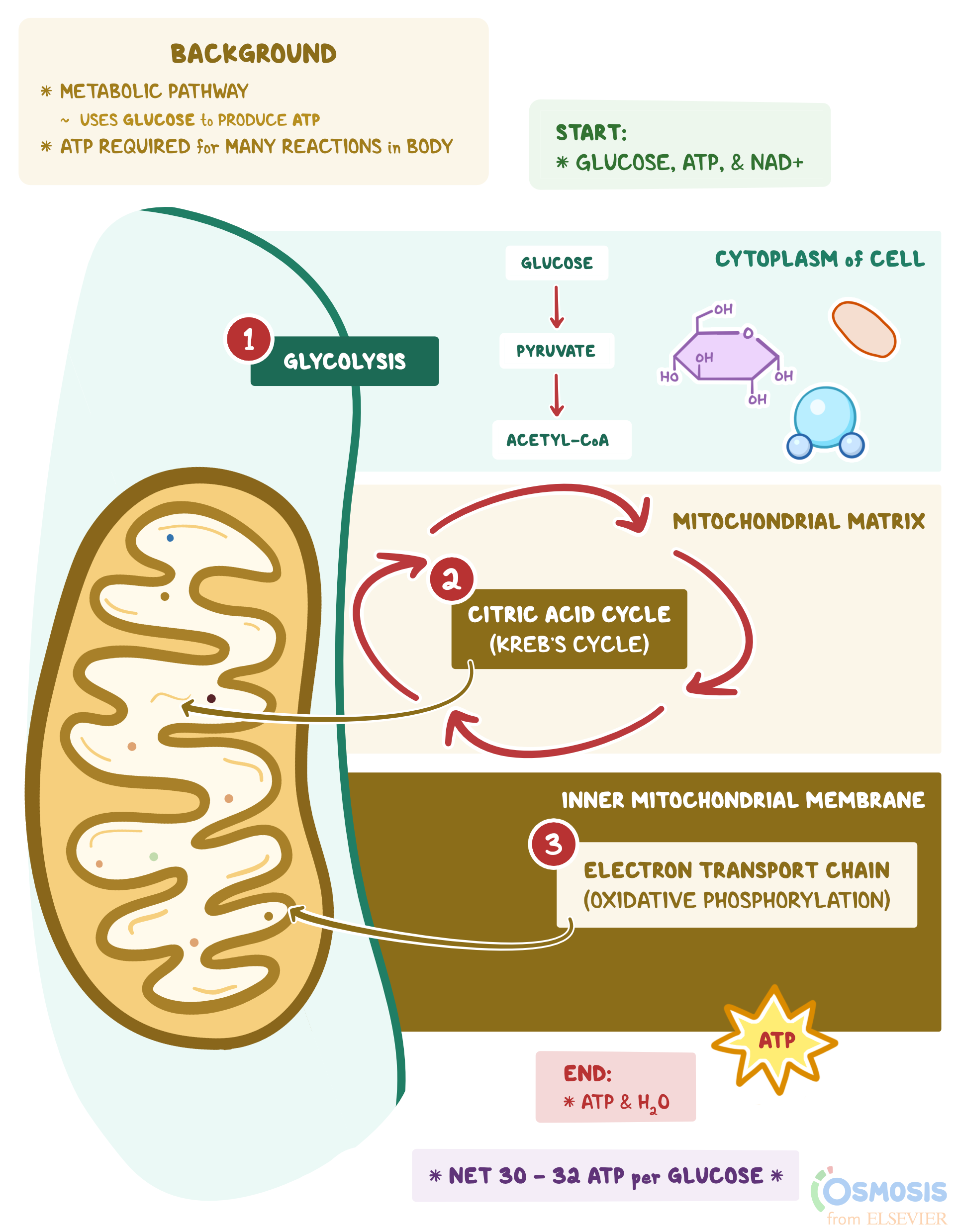
Cellular respiration releases energy from glucose Glucose + Oxygen → Energy + Carbon dioxide + Water Every cell in your body needs this energy Oxygen is essential for this process
How Exercise Affects Your Body
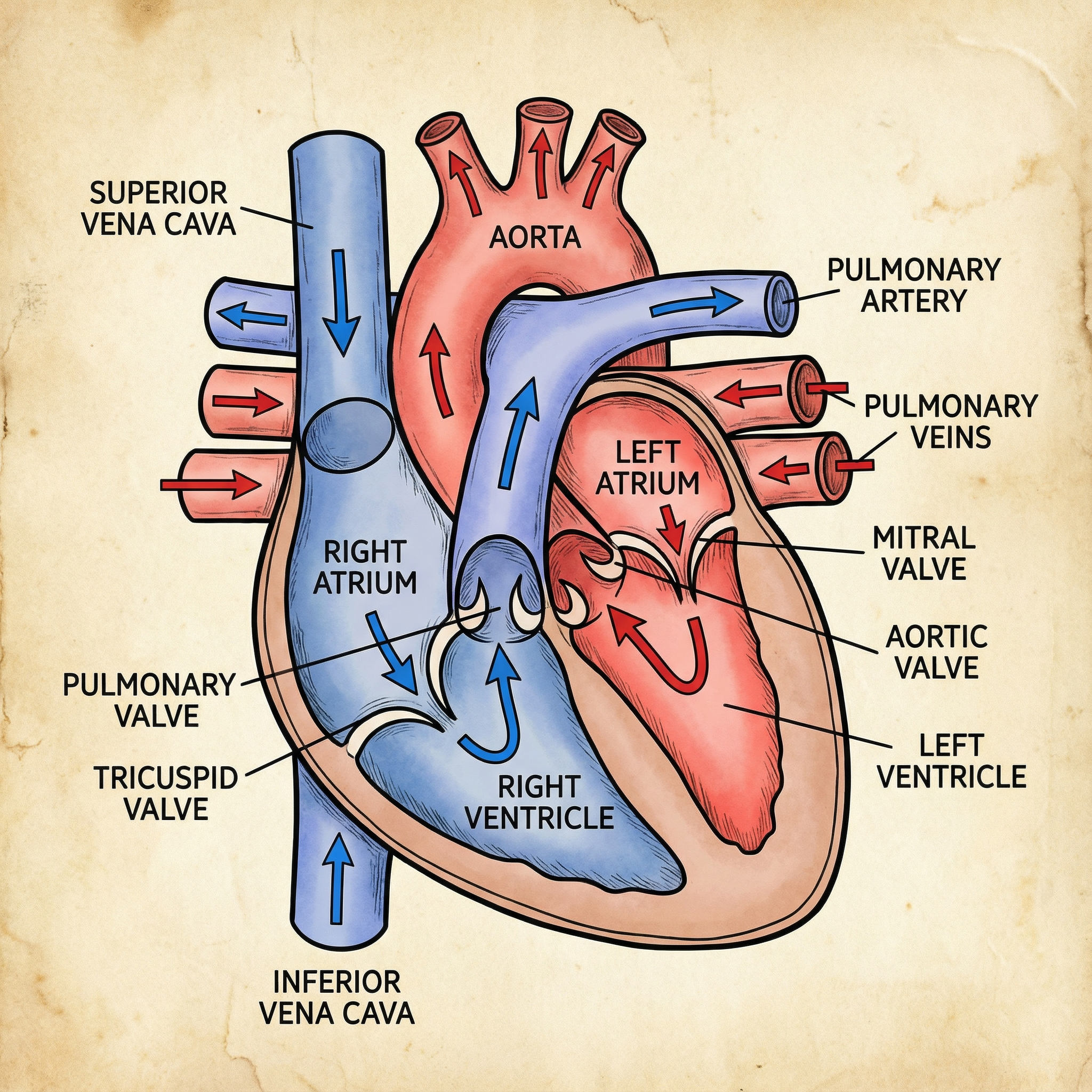
Muscles need MORE energy during exercise Heart pumps faster to deliver oxygen Breathing rate increases to take in more oxygen More oxygen = more energy production
Our Investigation Plan
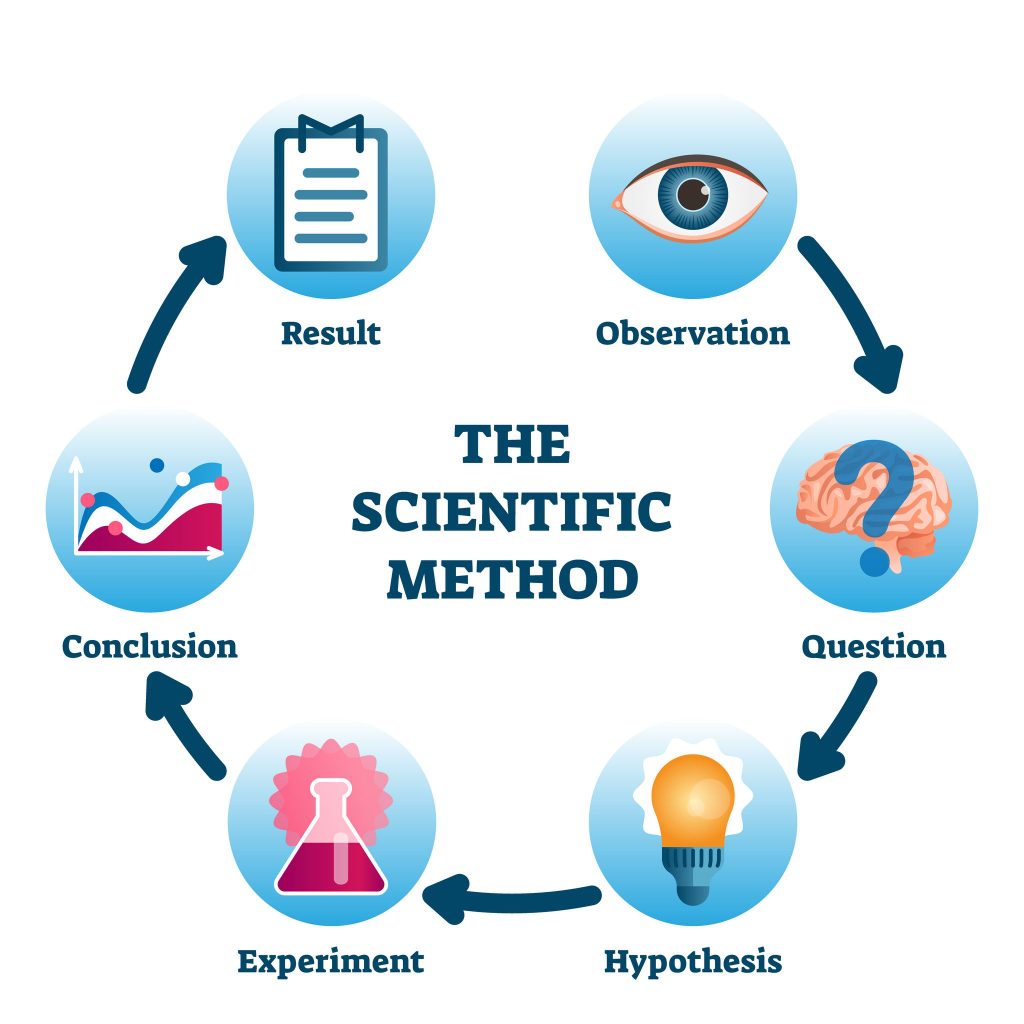
Question: How does exercise affect heart and breathing rates? Independent variable: Exercise (before vs after) Dependent variables: Heart rate and breathing rate Controlled variables: Rest time, exercise type, measurement method
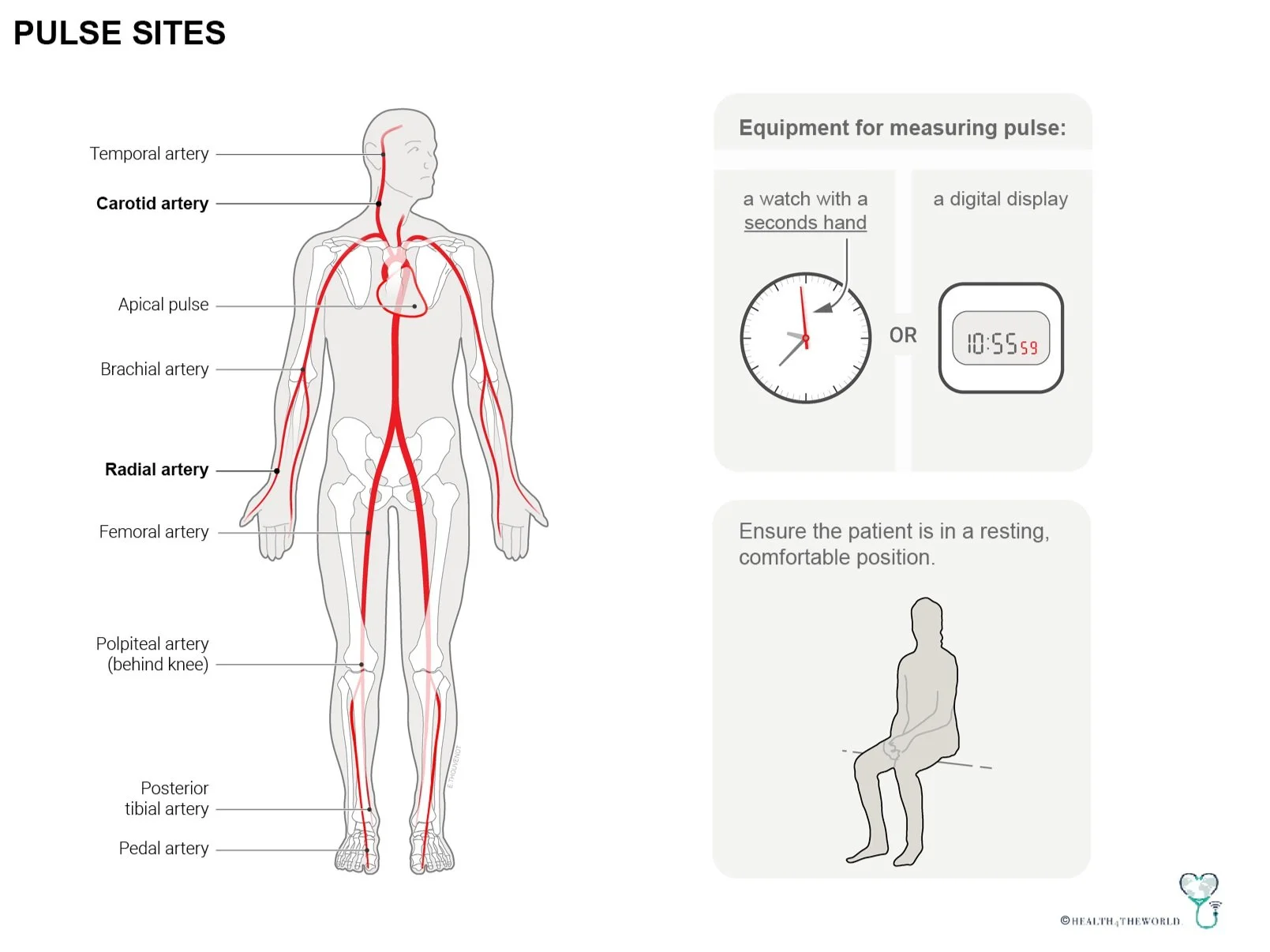
Measuring Techniques
Heart rate: Find pulse on wrist or neck Count beats for 15 seconds, multiply by 4 Breathing rate: Watch chest rise and fall Count breaths for 1 minute Record resting rates BEFORE exercise
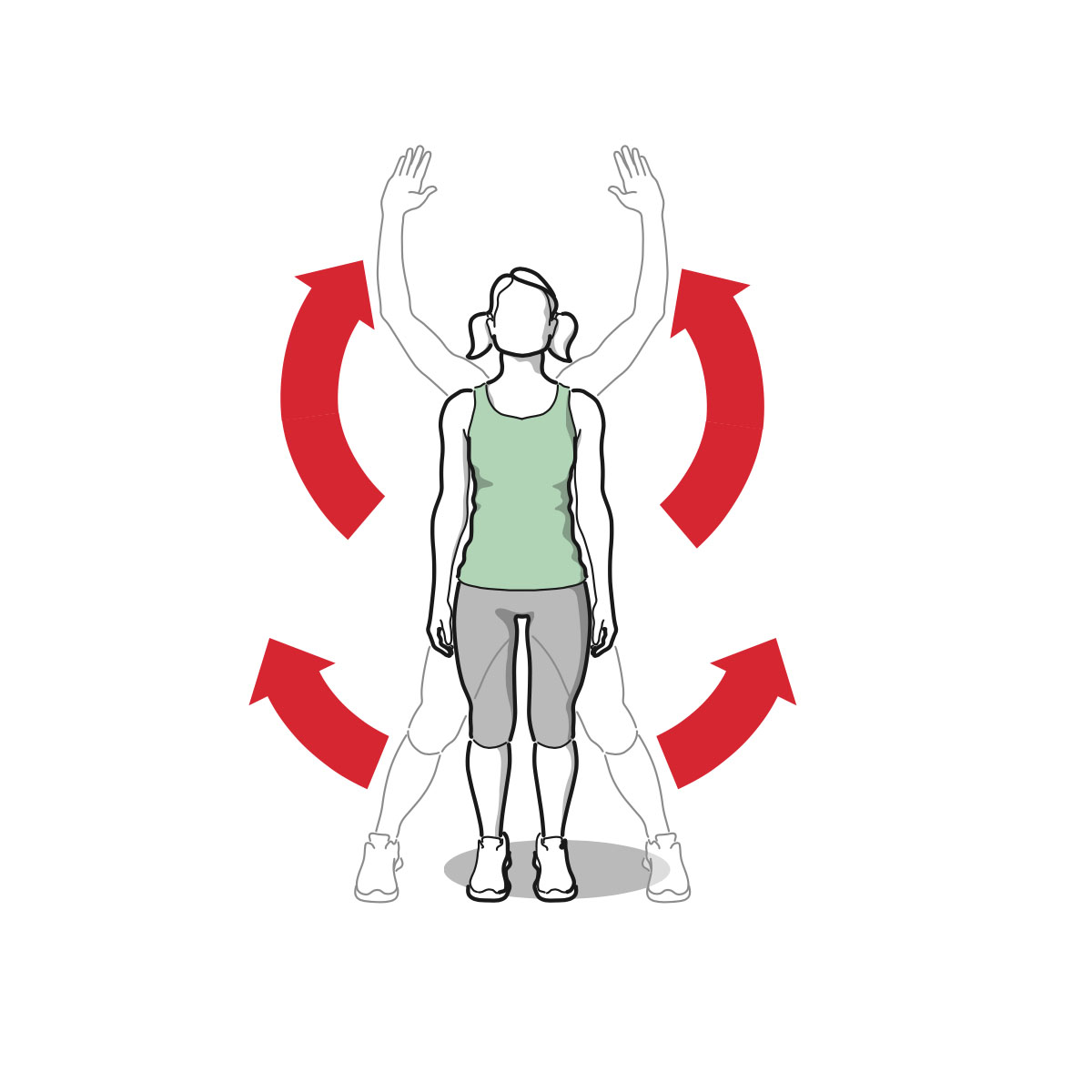
Time for Our Investigation!
Step 1: Measure resting heart and breathing rates Step 2: Exercise for 2 minutes (star jumps or running on spot) Step 3: IMMEDIATELY measure rates after exercise Step 4: Record all data on your worksheet
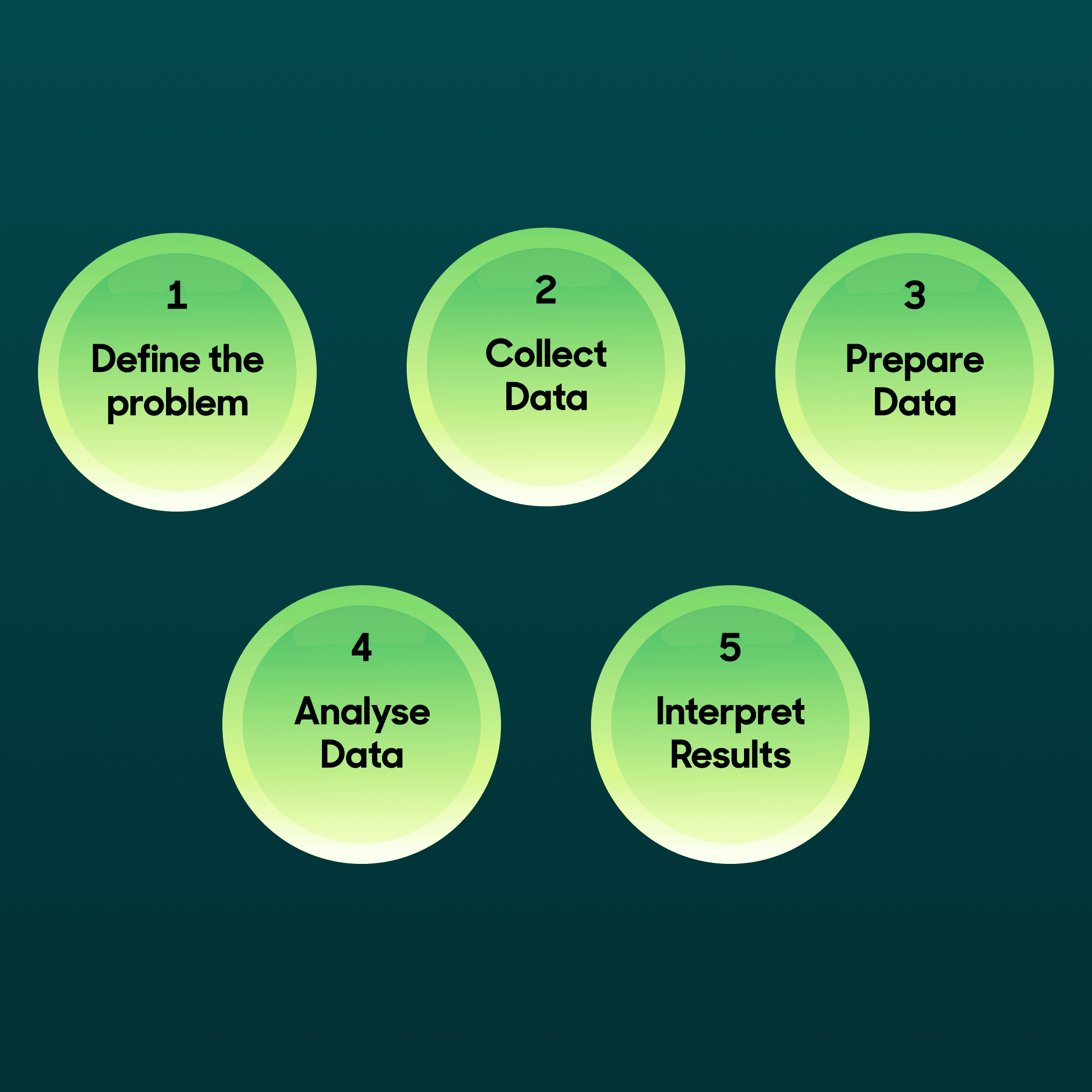
Results and Conclusions
What patterns did you observe? Heart rate and breathing rate both increased This supplies more oxygen to working muscles More oxygen enables more energy production Your body is amazing at adapting to exercise!