
Exploring Ecosystems: Biotic vs Abiotic
Year 7 Science Understanding the Living and Non-Living World Lesson 1 of 8
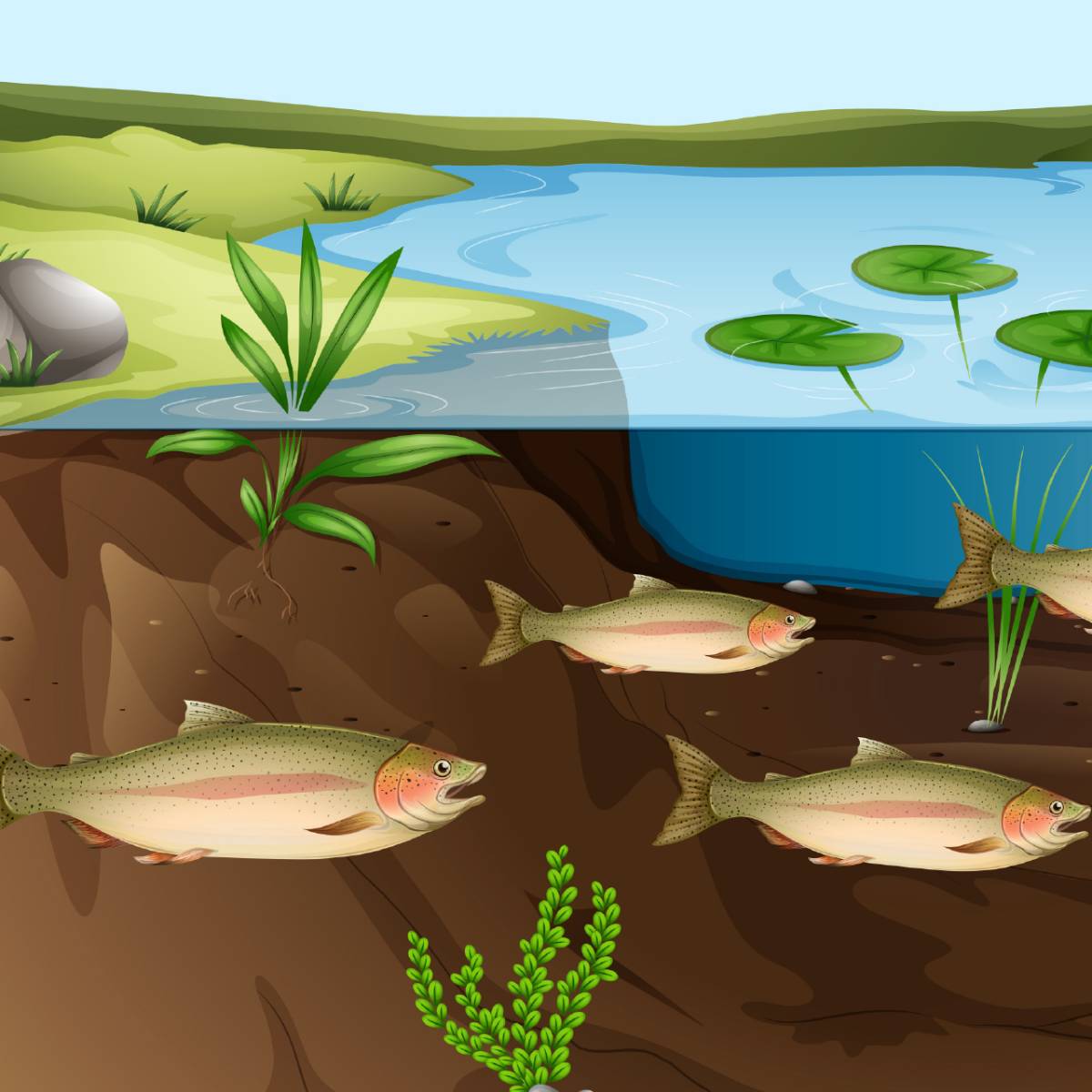
What Do You See in Nature?
Look at this ecosystem carefully What living things can you identify? What non-living things do you notice? How might they all work together?

What is an Ecosystem?
A community of living things interacting with each other Living things interact with their non-living environment Includes plants, animals, microorganisms Also includes air, water, soil, and climate Everything is connected and depends on each other

Biotic Factors - The Living Components
BIOTIC = Living things in an ecosystem Plants (producers) - make their own food Animals (consumers) - eat other organisms Decomposers - break down dead material Bacteria and fungi are also biotic factors
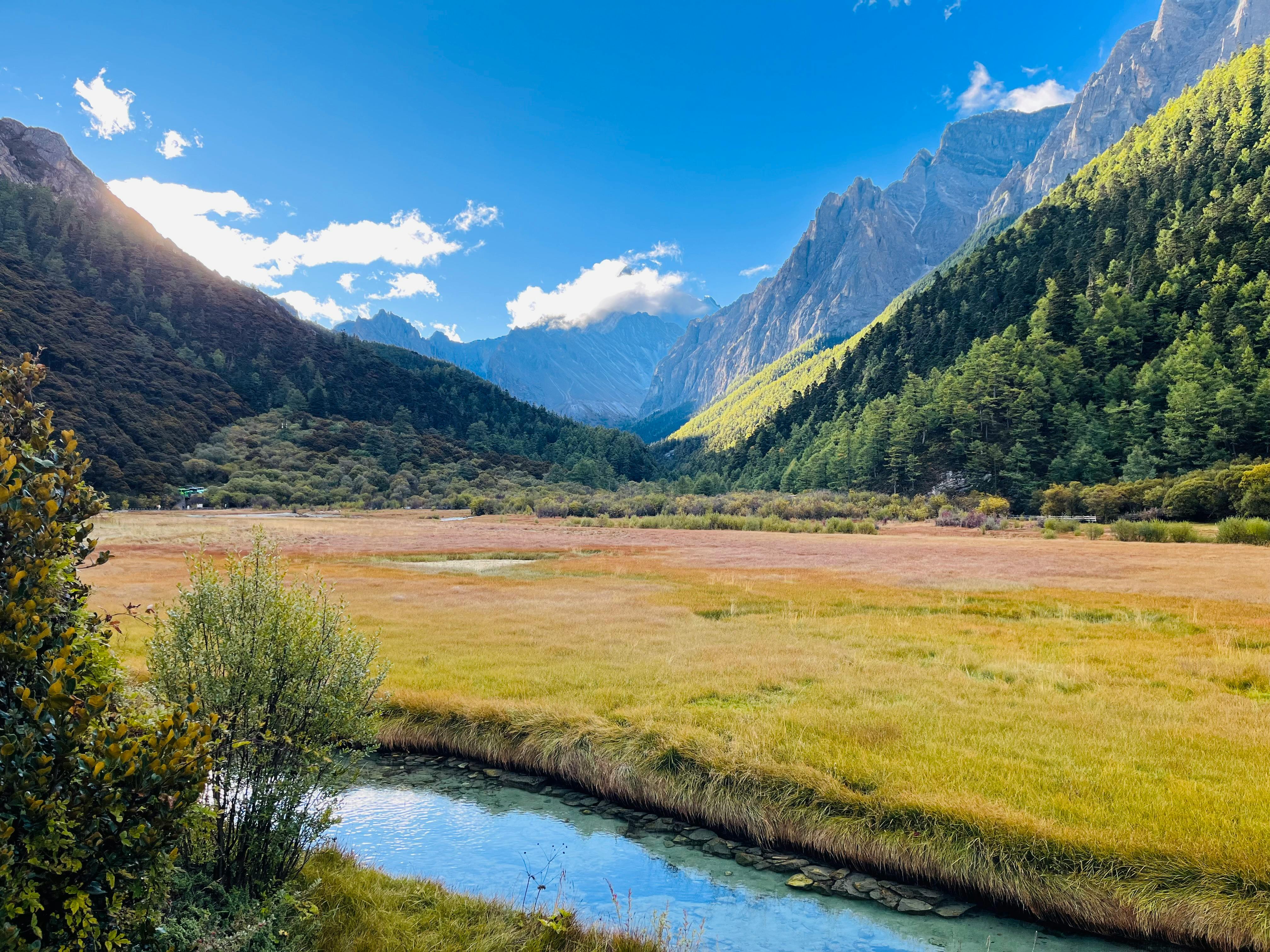
Abiotic Factors - The Non-Living Components
ABIOTIC = Non-living things in an ecosystem Sunlight - provides energy for plants Water - essential for all life Soil - provides nutrients and support Temperature and weather conditions Air and gases like oxygen and carbon dioxide
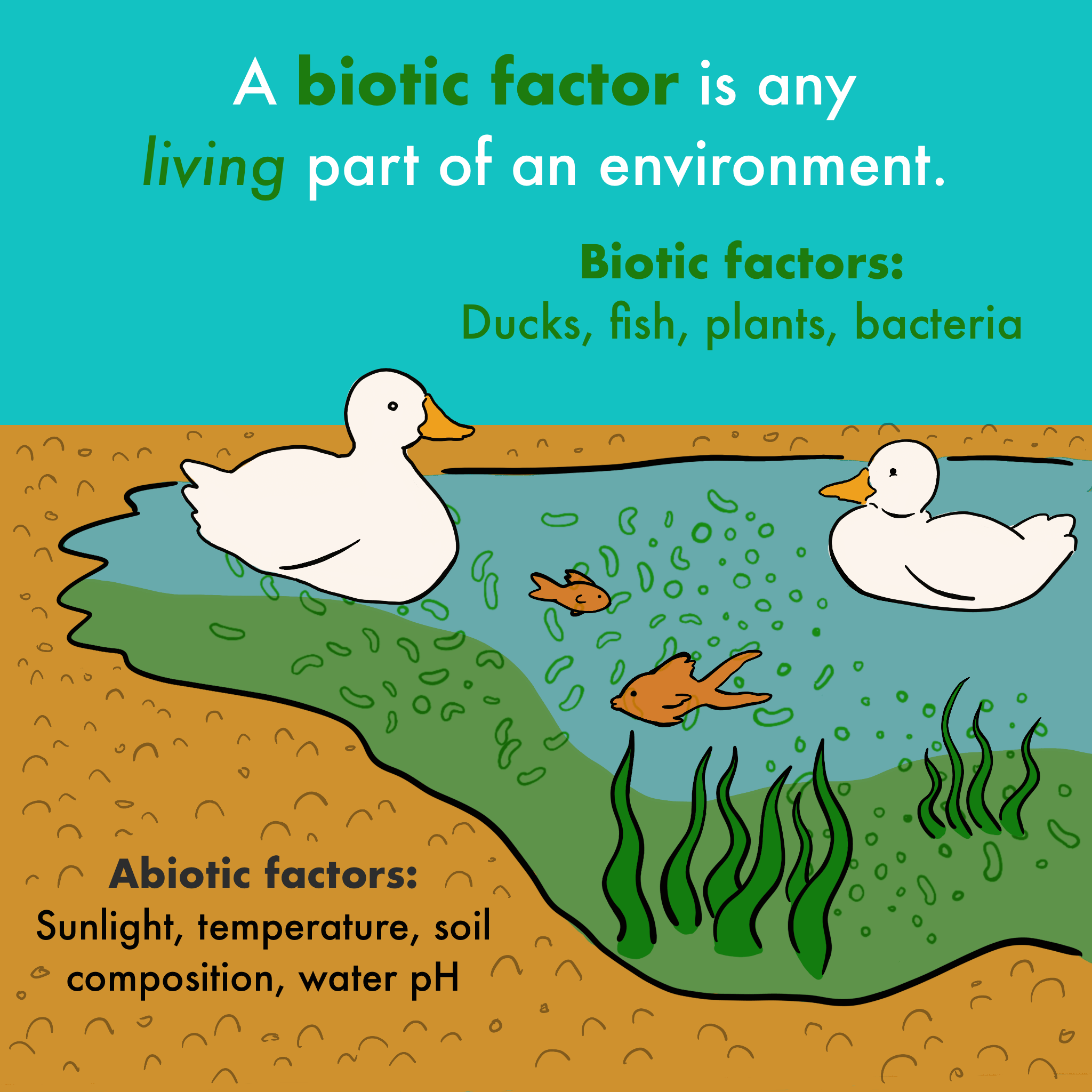
Biotic vs Abiotic: Can You Tell the Difference?
{"left":"Trees and plants\nSunlight and temperature\nBirds and insects\nWater and air","right":"Fish and frogs\nRocks and soil\nBacteria and fungi\nWind and rain"}

Ecosystem Jigsaw Challenge
Work in groups of 5-6 students Fill in your ecosystem diagram worksheet Identify biotic and abiotic factors Draw arrows showing interactions Think: What happens if one factor changes?
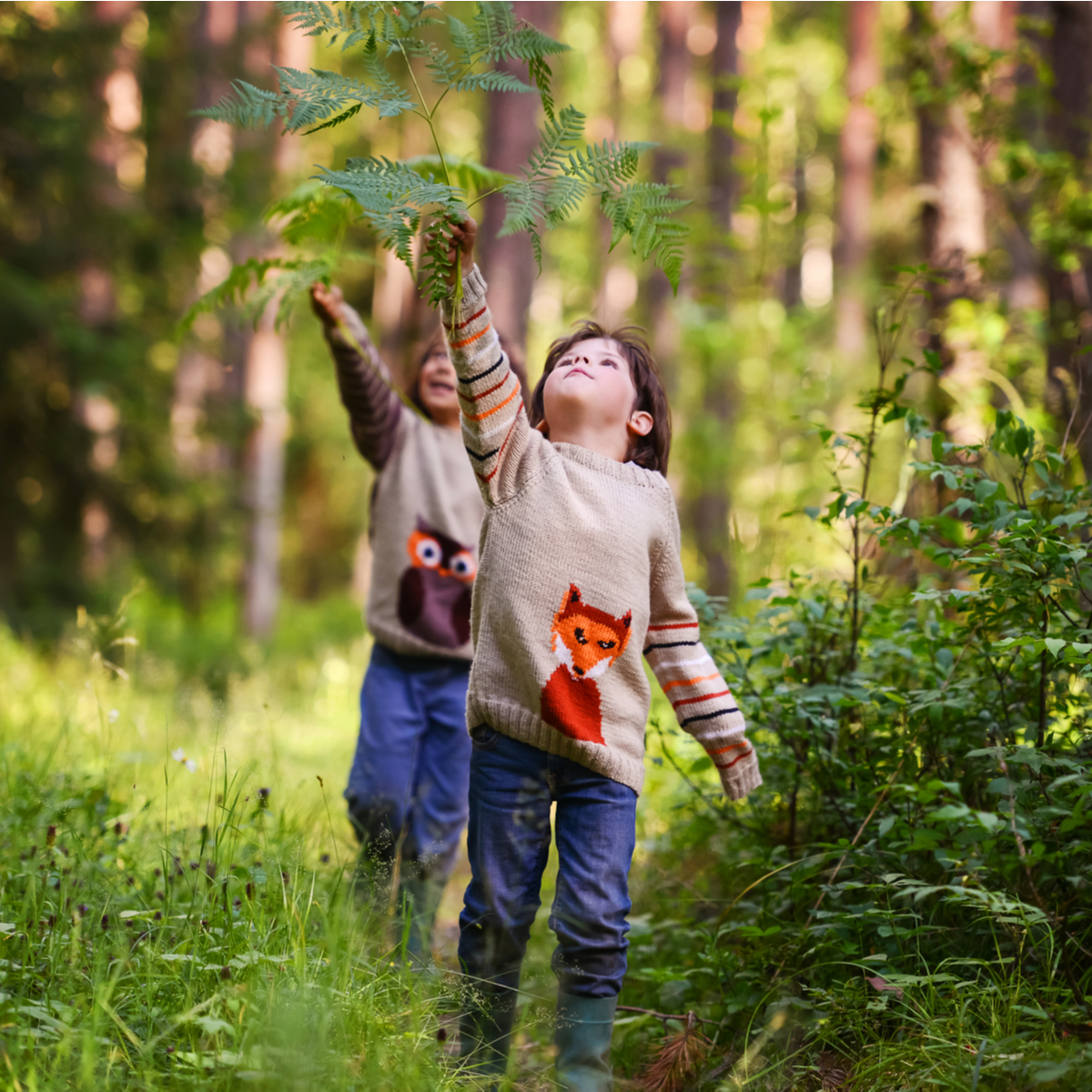
Remember: Everything is Connected!
In an ecosystem, when one factor changes, it affects everything else. This delicate balance keeps nature healthy and thriving.