
Exploring Sound Properties
Volume and Pitch Year 4 Science Hands-on Investigation
What We Learned Last Time
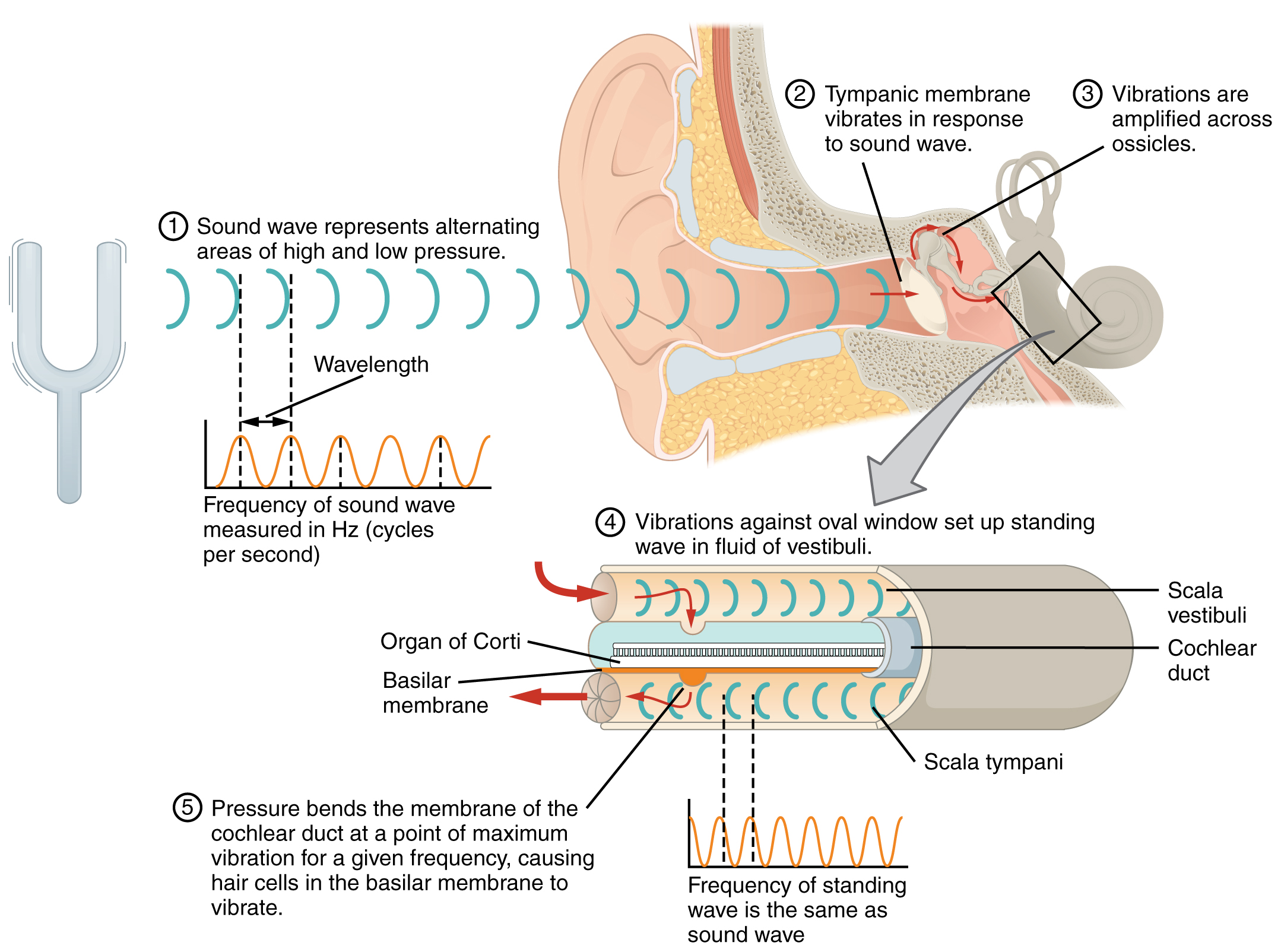
Sound is made by vibrations Vibrations travel through air to our ears Different objects make different sounds We can feel vibrations when we touch speakers
Think About This...
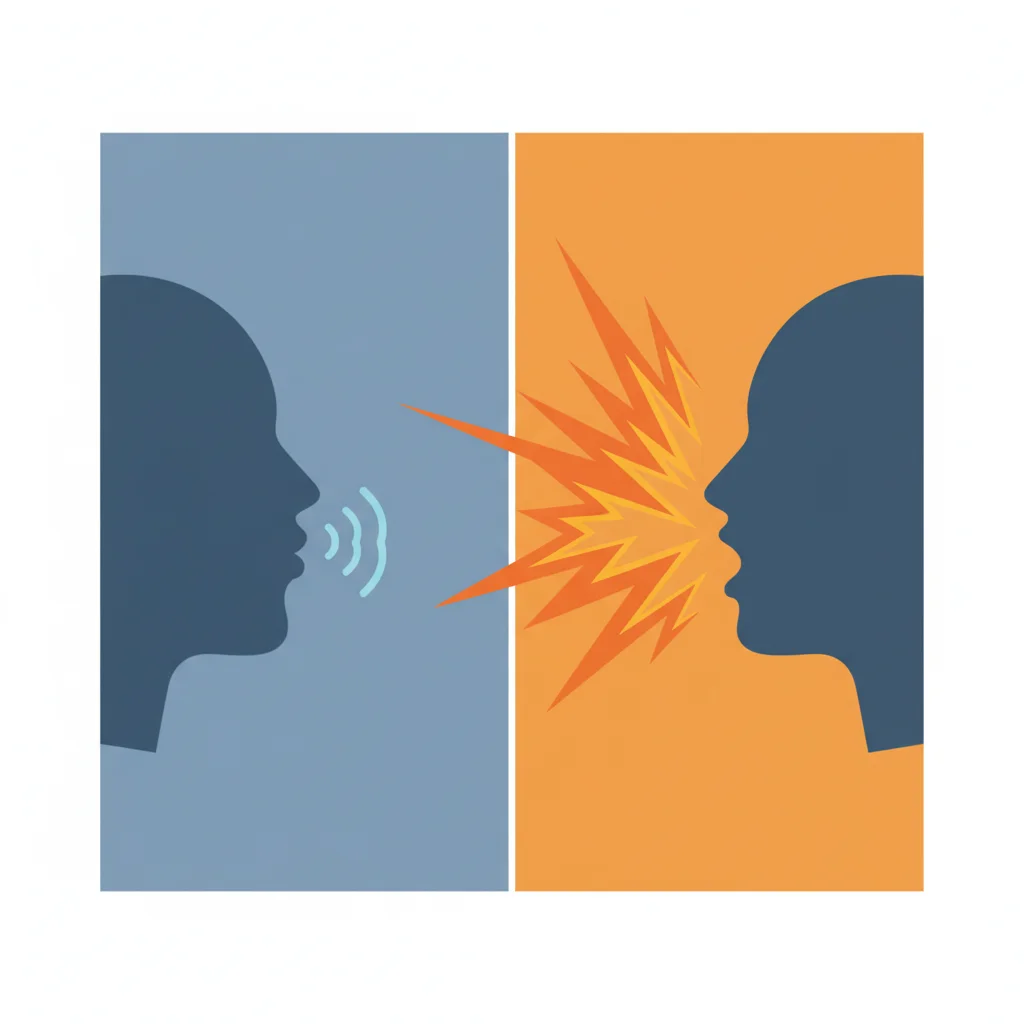
What makes some sounds LOUD and others quiet?
Volume: How Loud or Quiet
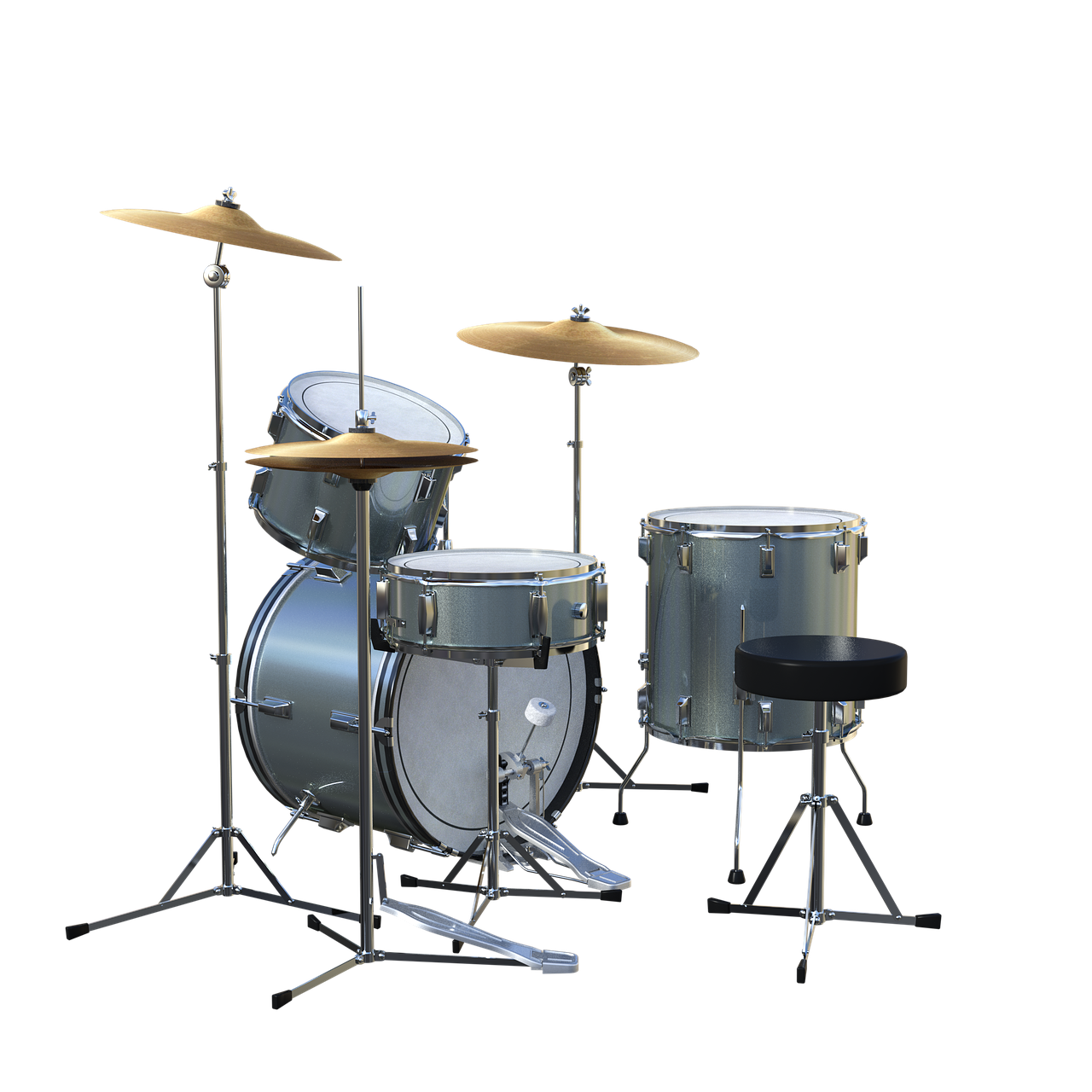
Volume = how LOUD or QUIET a sound is Loud sounds need MORE ENERGY Quiet sounds need LESS ENERGY We can control volume by changing the energy we use
Volume Investigation
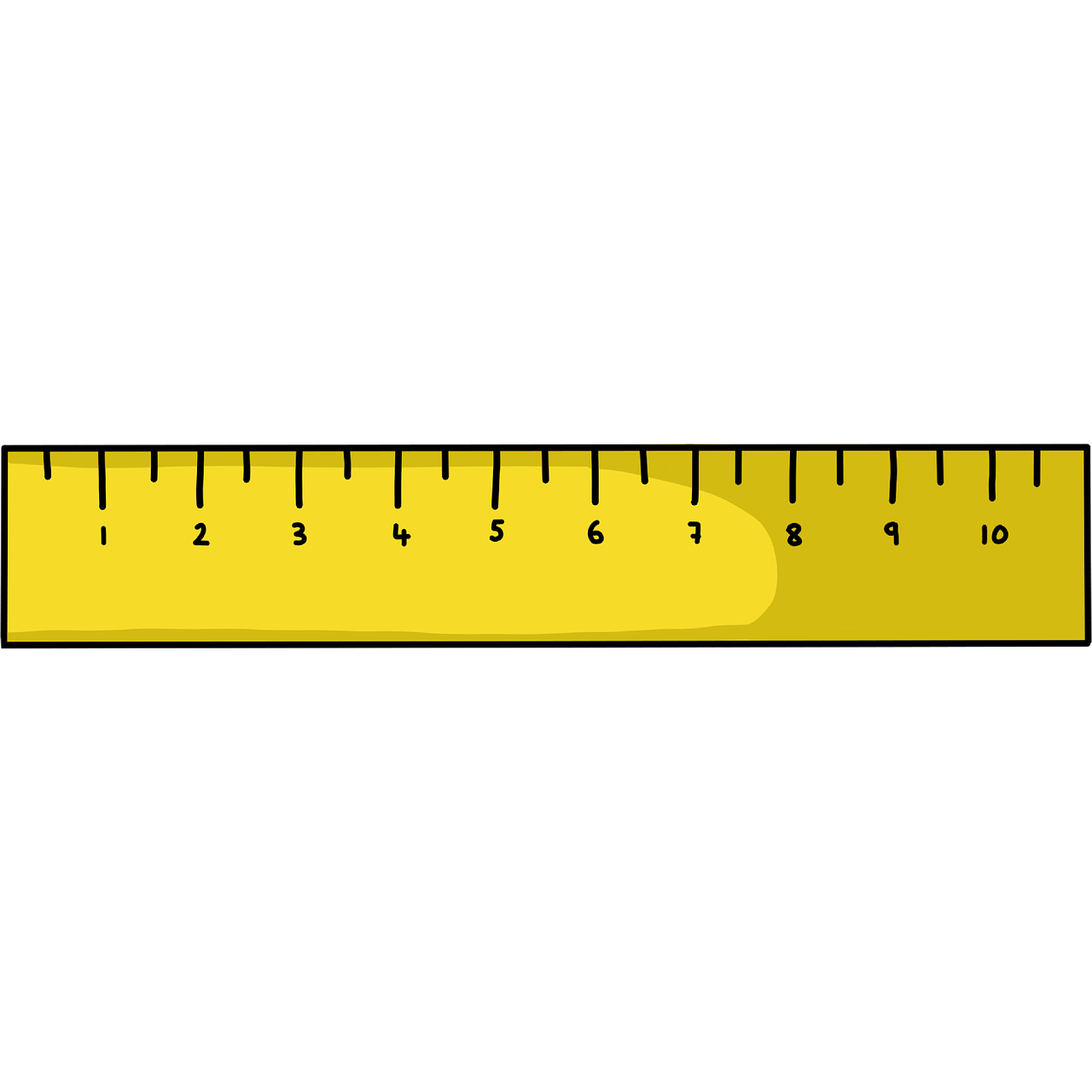
Use your ruler on the desk edge Tap GENTLY - listen to the sound Tap HARDER - what changes? Try different amounts of energy What do you notice about the volume?
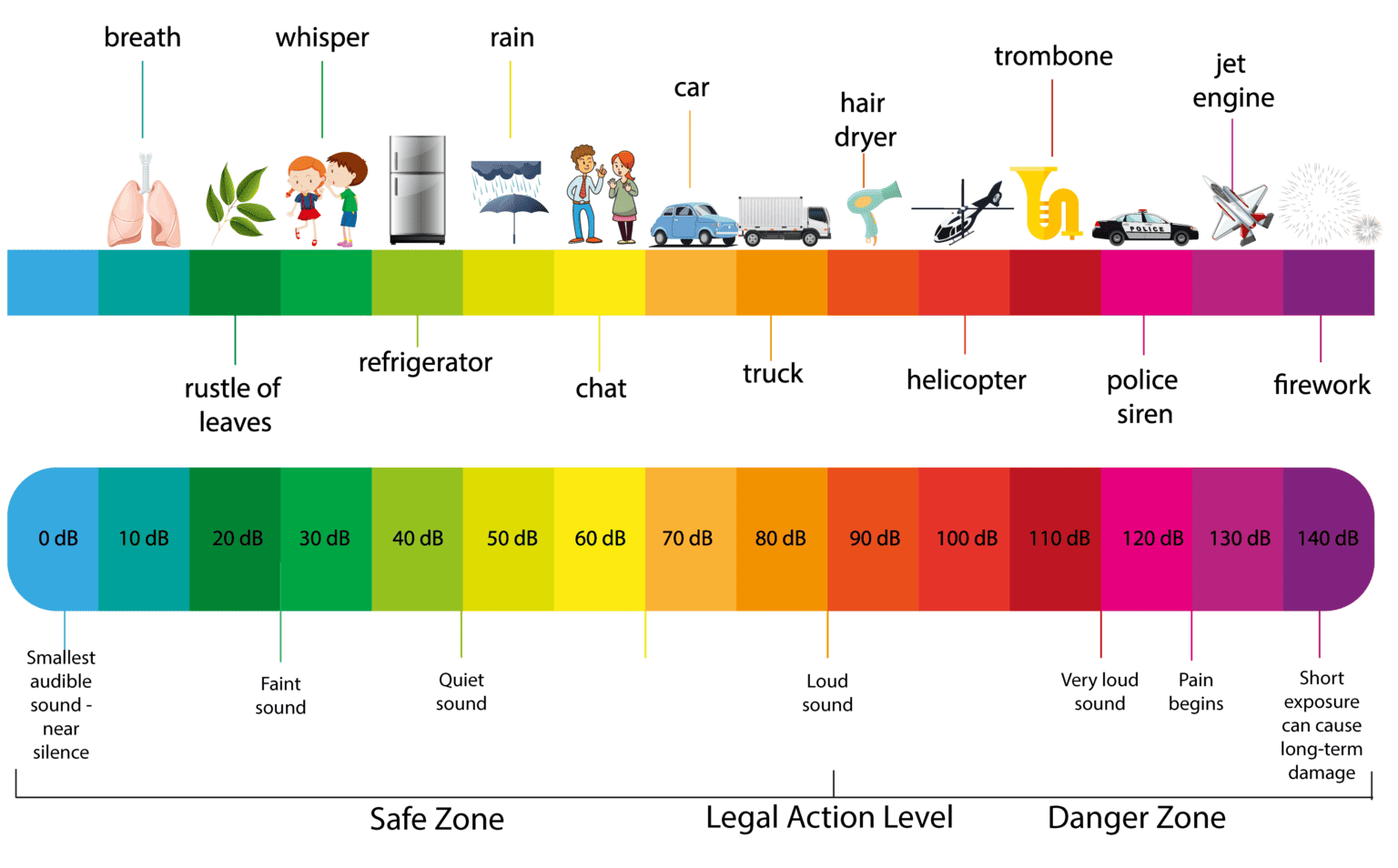
Safe Sound Levels

Pitch: How High or Low
Pitch = how HIGH or LOW a sound is Depends on the LENGTH of vibrating object Depends on how FAST something vibrates Short objects = higher pitch Long objects = lower pitch
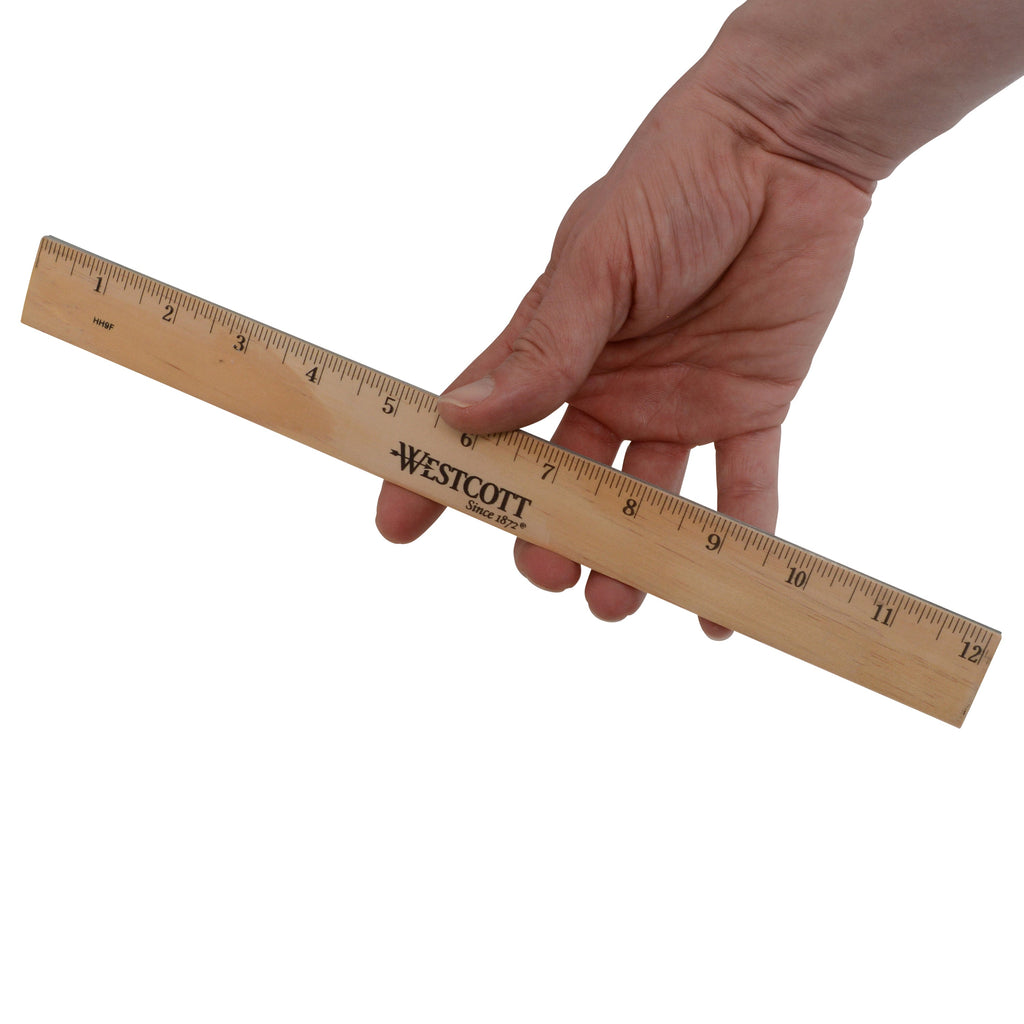
Pitch Investigation 1: Rulers
Place ruler on desk edge Let LONG part hang over - pluck it Let SHORT part hang over - pluck it What difference do you hear? Record: Long = ? pitch, Short = ? pitch

Pitch Investigation 2: Water Bottles
What makes some sounds LOUD and others quiet?

What Did We Discover?
What makes sounds LOUDER? What makes sounds QUIETER? What makes pitch HIGHER? What makes pitch LOWER?

Sound Properties Summary
VOLUME depends on ENERGY used More energy = LOUDER sound Less energy = QUIETER sound PITCH depends on LENGTH of vibrating object Shorter length = HIGHER pitch Longer length = LOWER pitch