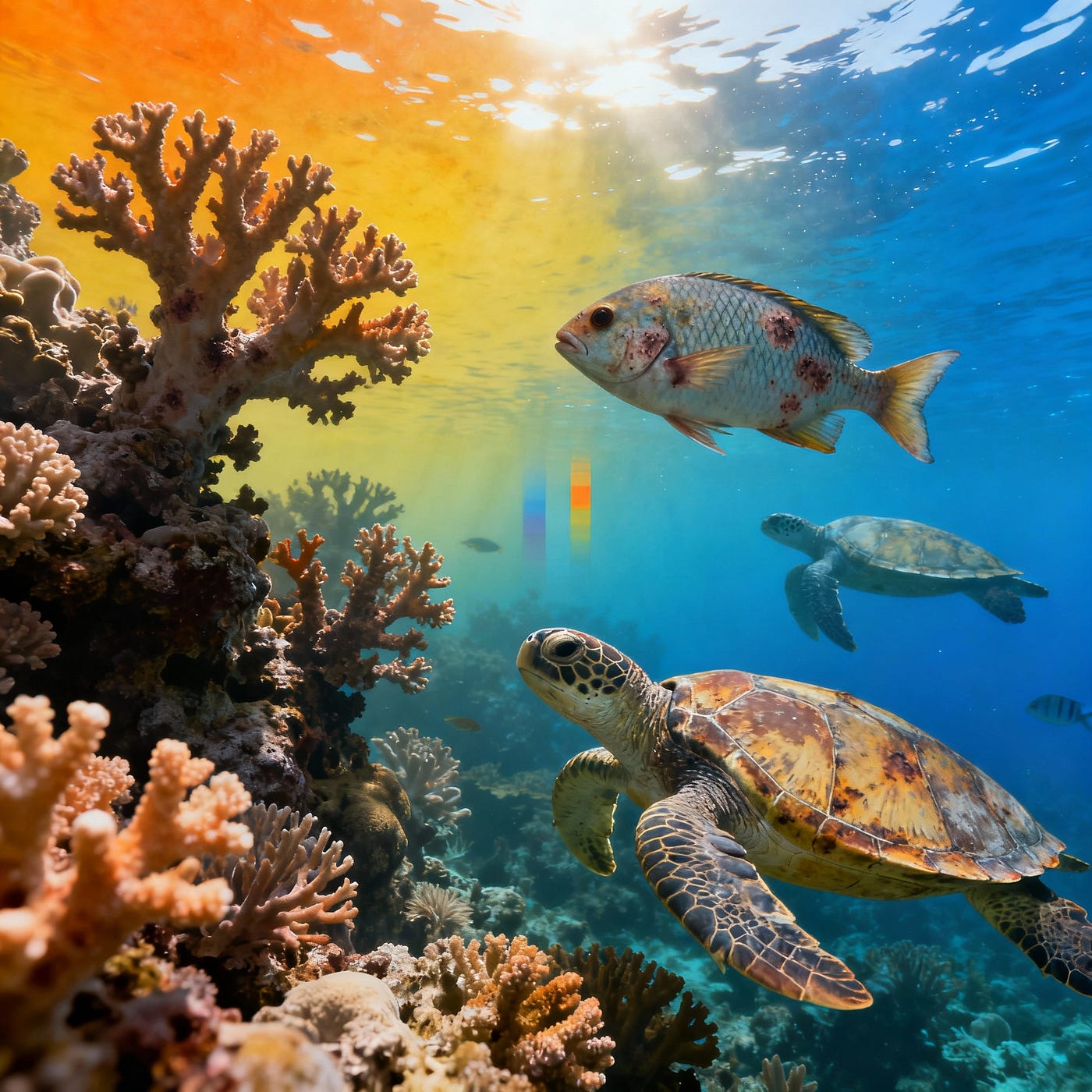
Food Chains, Webs & Ecosystems Explored
Year 7 Science Understanding how organisms interact in ecosystems Building from simple food chains to complex food webs
Do It Now - Retrieval Practice
1. What is a producer in a food chain? 2. What do arrows in food chains show? 3. Name one predator and its prey 4. Which organisms make their own food?
WALT - We Are Learning To
Explain how food chains form food webs within communities Identify producers, consumers, predators and apex predators Use scientific vocabulary accurately Construct food chains and webs for different habitats Predict the impact of population changes
Key Vocabulary Review
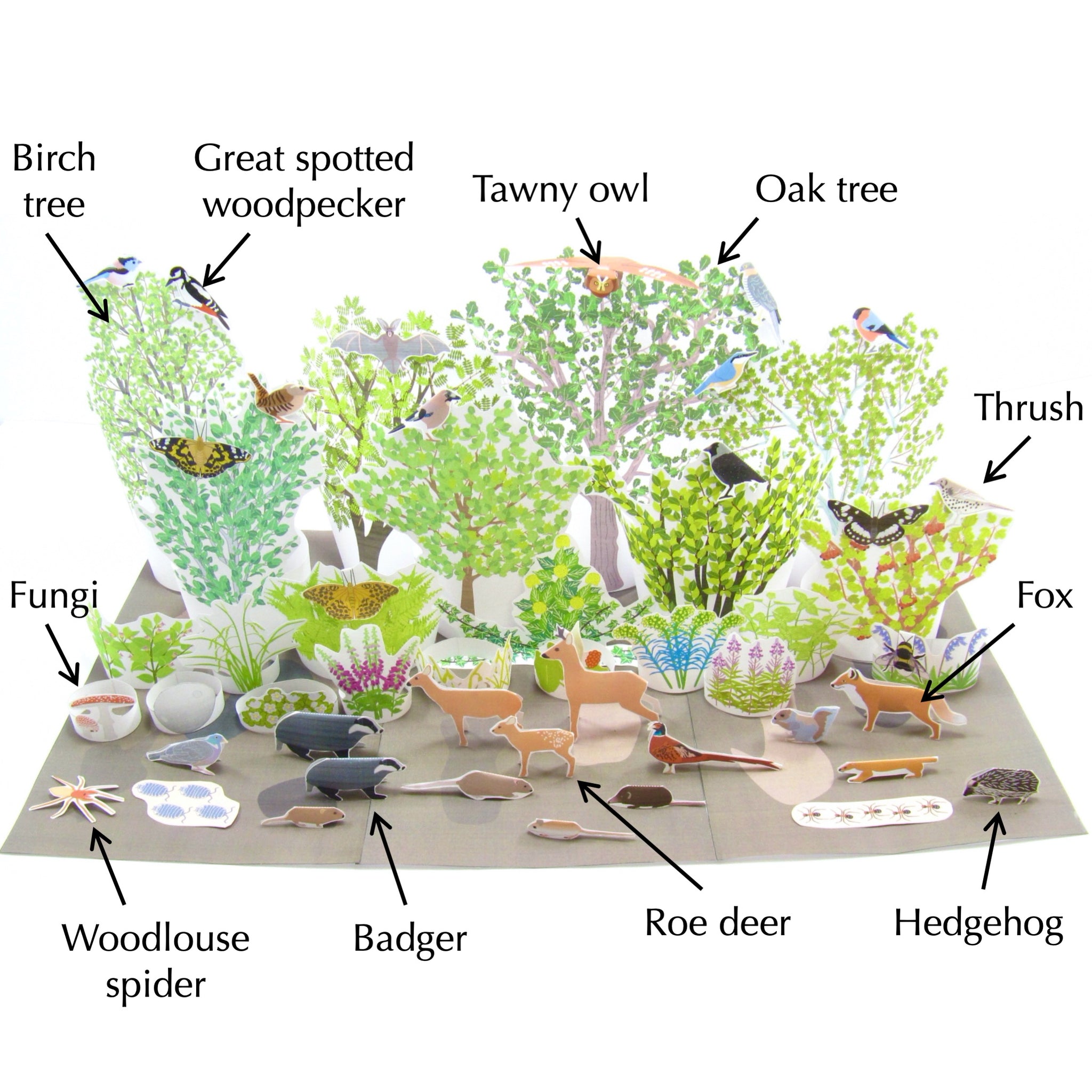
Community - all organisms living in the same habitat Population - all individuals of the same species in an area Producer - organisms that make their own food (plants) Primary Consumer - herbivores that eat producers Secondary Consumer - carnivores that eat primary consumers Tertiary Consumer - carnivores that eat secondary consumers Apex Predator - top predator with no natural enemies
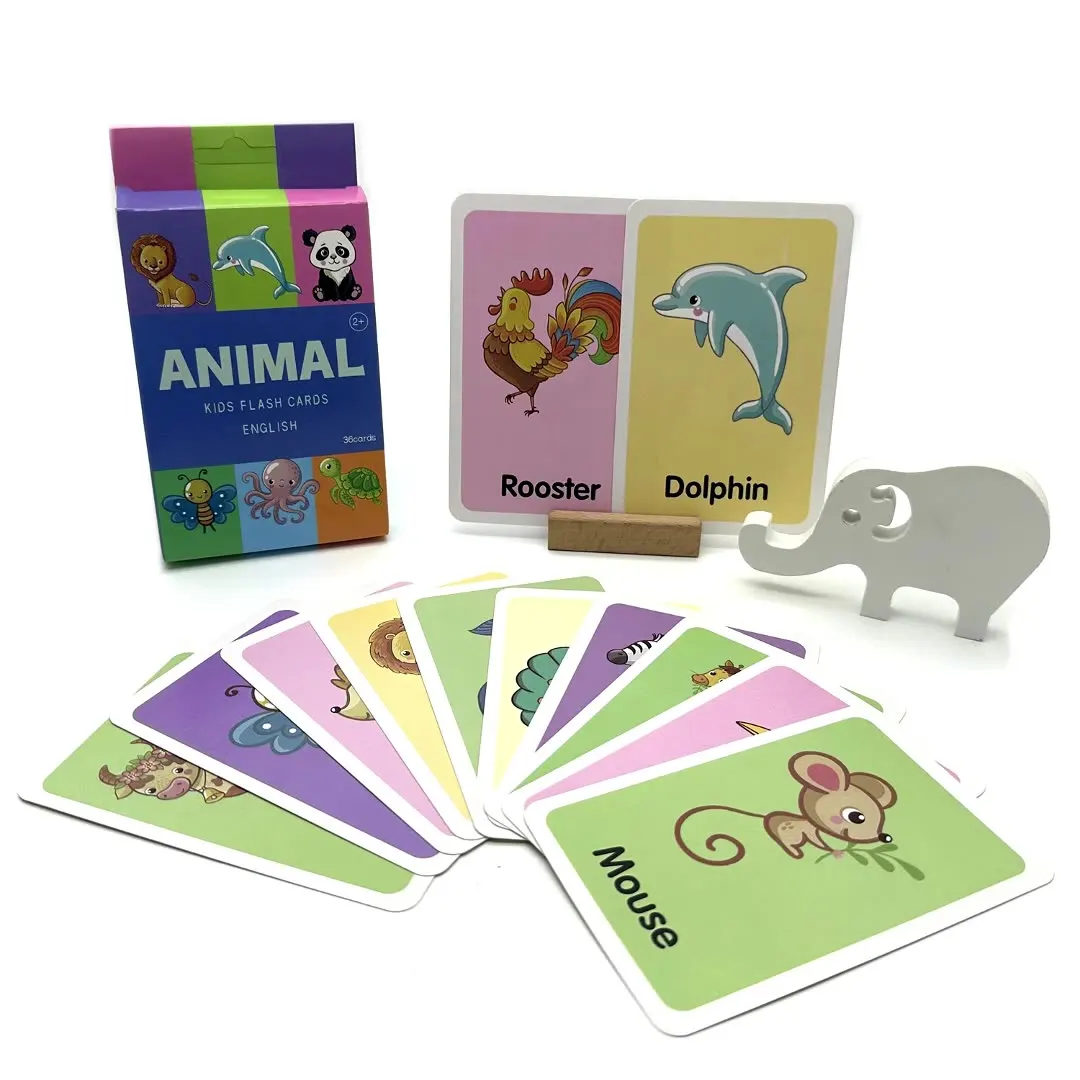
Habitat Card Sort Challenge
{"left":"Arctic: polar bear, seal, fish, plankton, algae\nWoodland: oak tree, rabbit, fox, hawk, decomposers\nOcean: shark, tuna, sardines, zooplankton, seaweed","right":"Beach: seagull, crab, worms, seaweed, bacteria\nField: grass, mouse, owl, snake, insects"}

Building Food Webs
Combine your food chains to create a complex food web Look for organisms that appear in multiple chains Draw arrows to show 'is food for' relationships Discuss: What happens if one species disappears?
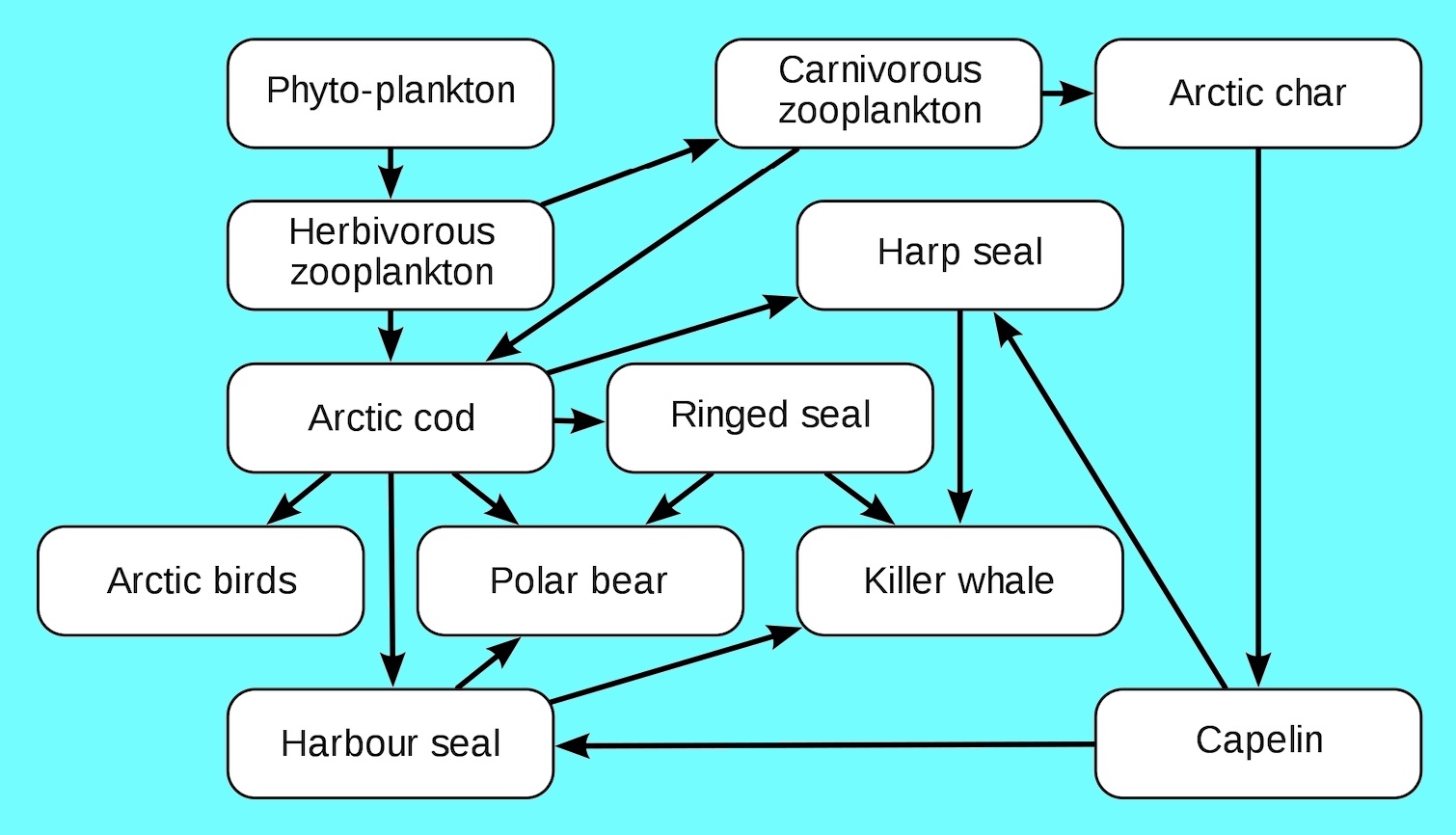
Arctic Food Web Example
Exit Ticket Assessment
Match each organism to its correct role: What would happen if all the foxes disappeared from a woodland? Name one producer, one primary consumer, and one apex predator How are food chains and food webs different?