Food Chains, Webs & Energy Flow
Understanding how energy moves through ecosystems Year 7 Science - Lesson 6 of 8 Exploring Environment and Adaptation
What Did You Eat Yesterday?
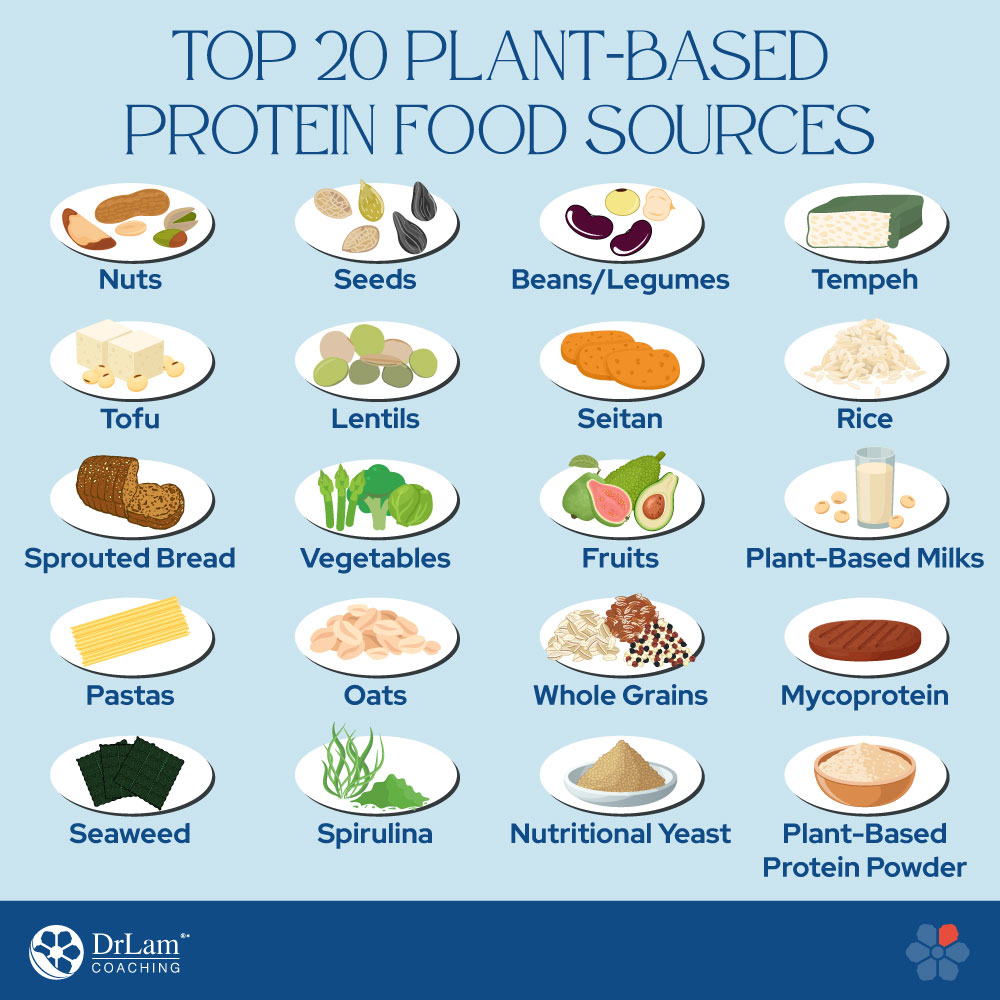
Think about your last meal Where did that food originally come from in nature? Share with a partner for 2 minutes
Key Players in Food Chains
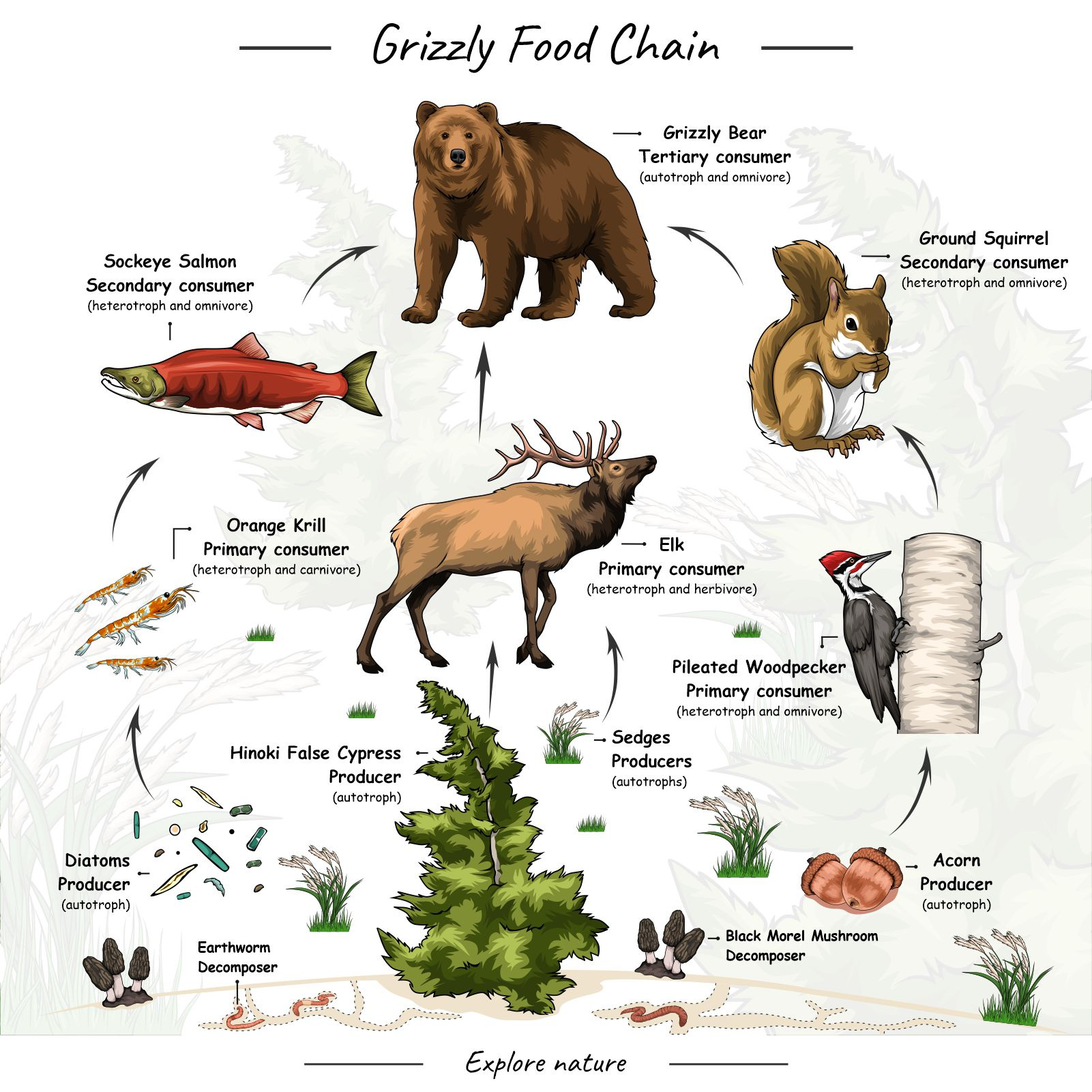
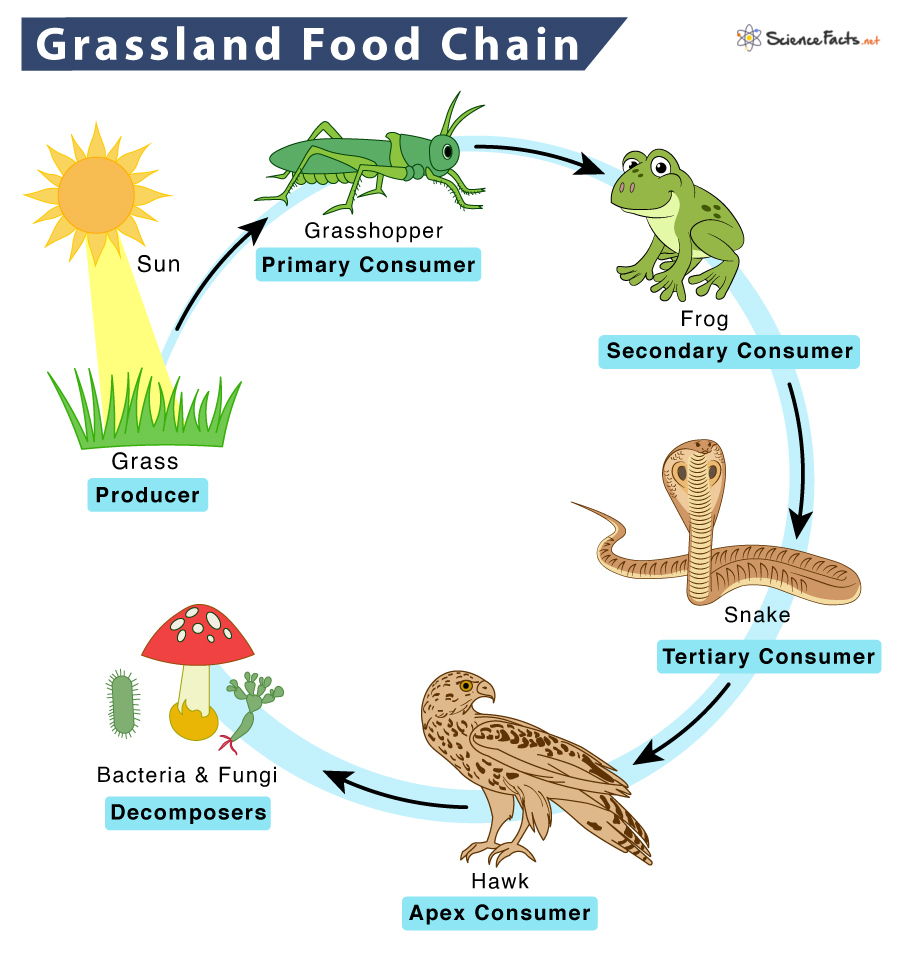
Producers - Plants that make their own food using sunlight Primary Consumers - Animals that eat plants (herbivores) Secondary Consumers - Animals that eat primary consumers Tertiary Consumers - Top predators in the food chain Decomposers - Break down dead organisms

Energy Flow & The 10% Rule
Build Your Food Chain
Work in groups of 5 Use organism cards to create a food chain Label each organism's role (producer, 1° consumer, etc.) Draw arrows to show energy flow Prepare to present your chain to the class
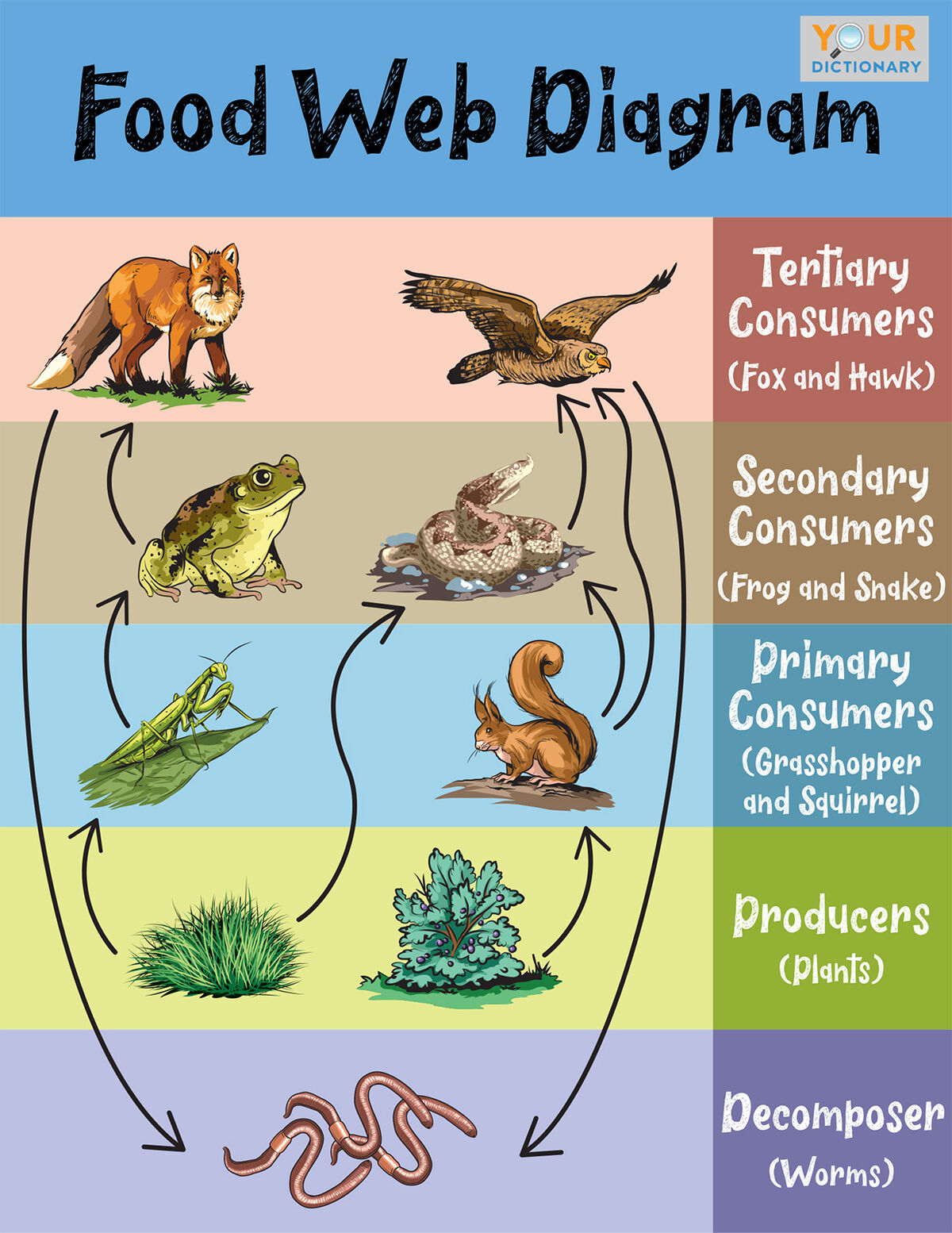
From Chains to Webs
Real ecosystems are more complex than simple chains Food webs show multiple interconnected food chains One organism can be part of several different chains Shows interdependence - how organisms depend on each other Demonstrates ecosystem balance and stability
Create Your Food Web
Expand your food chain into a complex web Add more organisms and connections Include decomposers throughout Use different colored arrows for different relationships Consider: What happens if one species disappears?
Ecosystem Balance
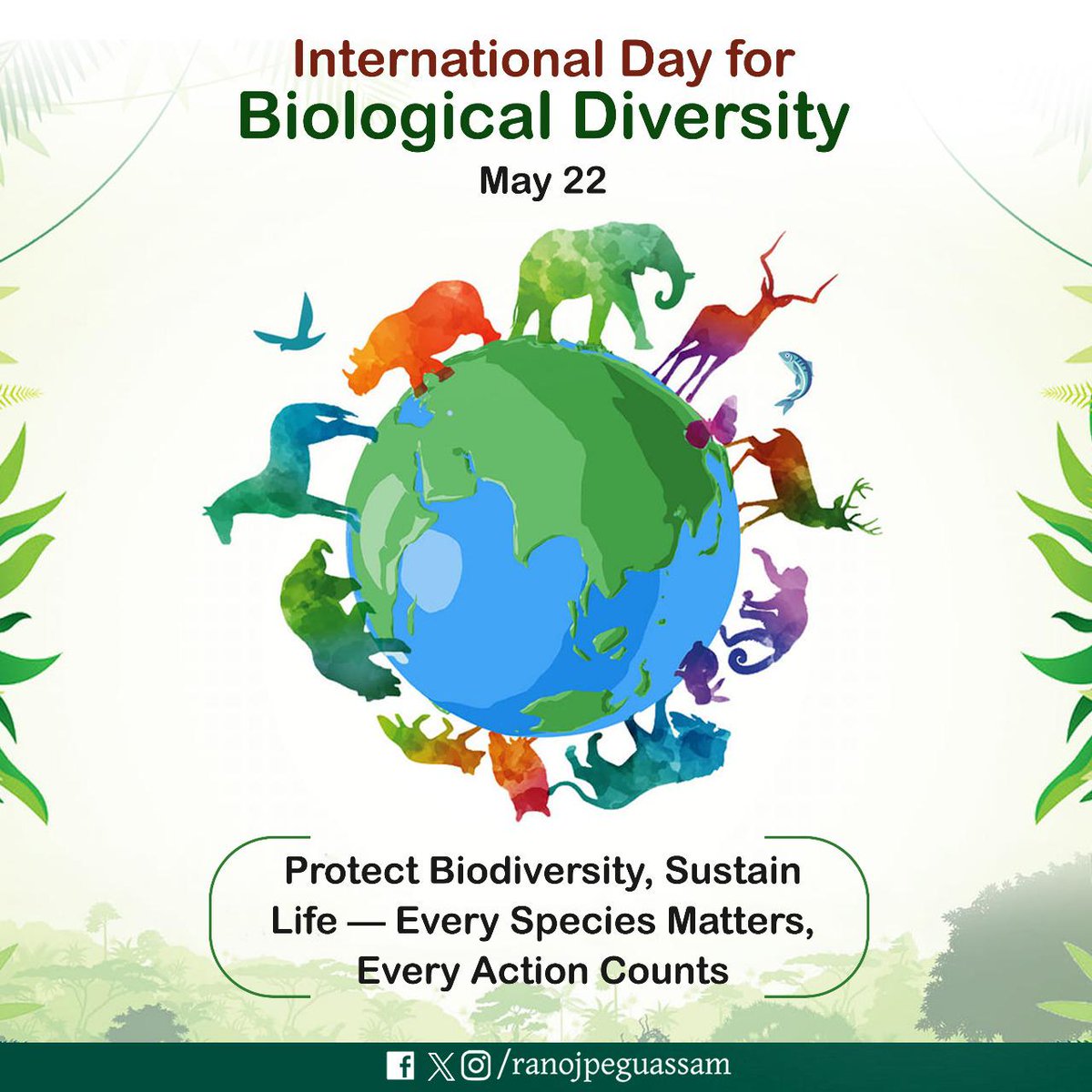
In nature, everything is connected to everything else The removal of one species can affect the entire ecosystem Biodiversity ensures ecosystem stability and resilience