Forces and Friction in Motion
Year 3 Science Movement on Surfaces Exploring how friction affects movement
Think About This!
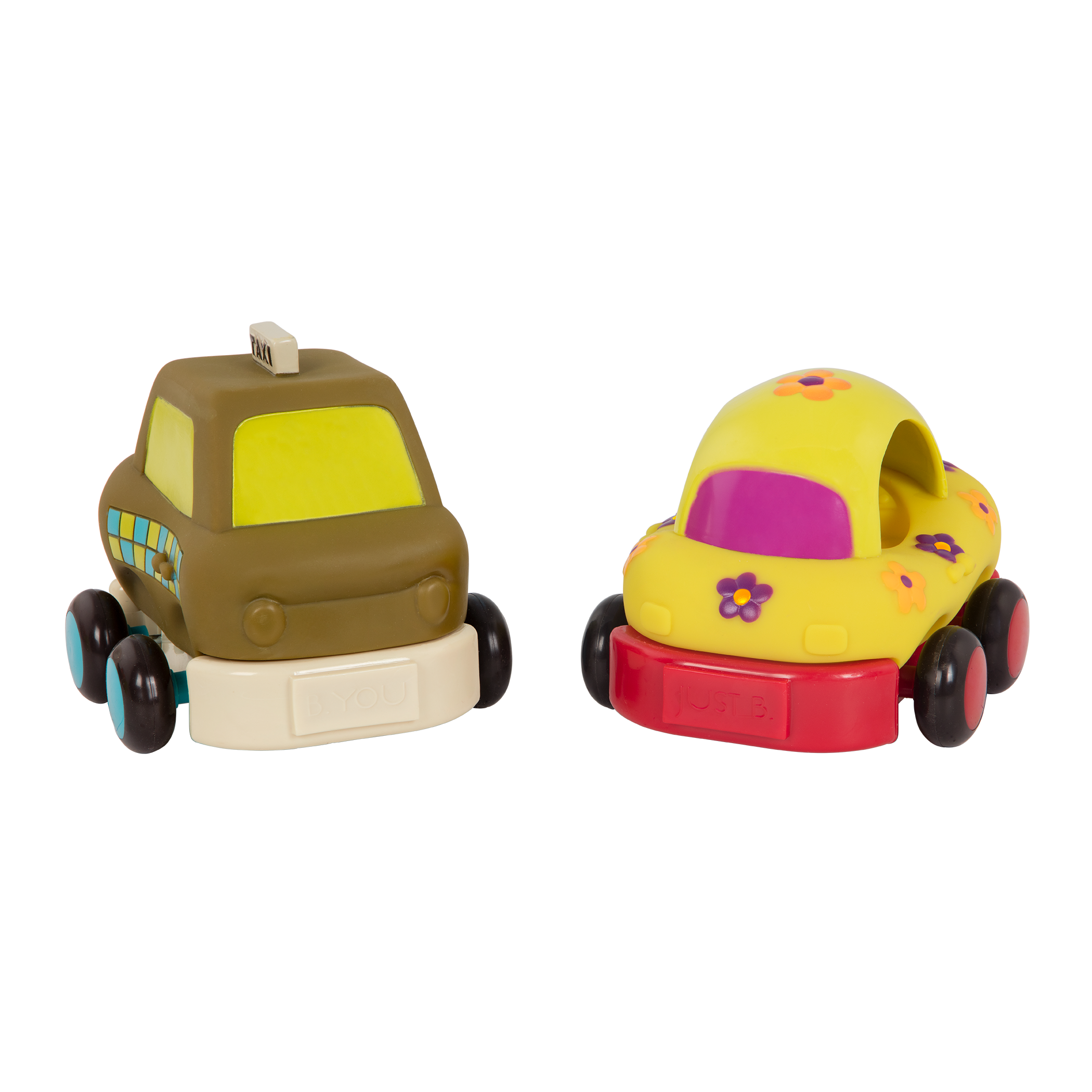
If I push this toy car across carpet, tile, or sandpaper... Do you think it will move the same on each surface? Why or why not?
What is Friction?
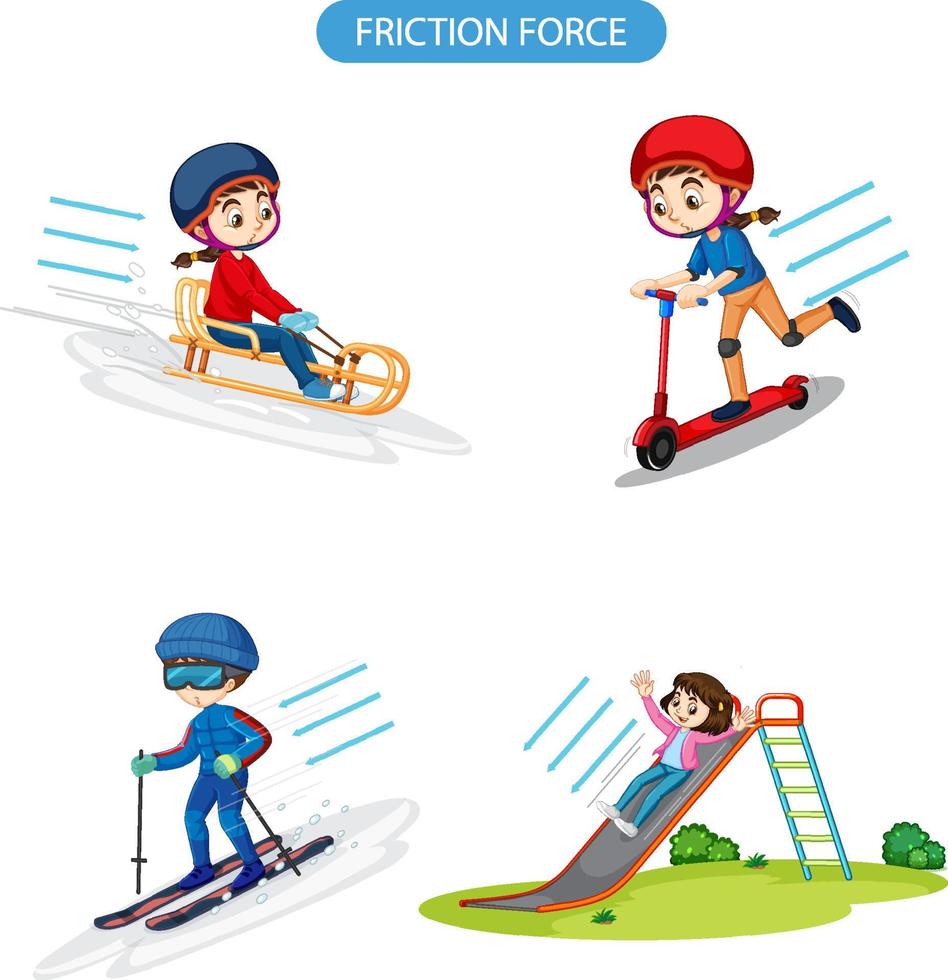
Friction is a force that happens when two surfaces touch It slows things down when they move We can feel friction when we rub our hands together Different surfaces create different amounts of friction
Key Words for Today
Force - a push or pull that can change how something moves Friction - the force that slows things down when surfaces touch Surface - the outside or top part of something Movement - when something changes position
Smooth vs Rough Surfaces
{"left":"Smooth surfaces like tile or glass\nLess friction\nObjects move further and faster","right":"Rough surfaces like sandpaper or carpet\nMore friction\nObjects slow down quickly"}

Our Friction Experiment
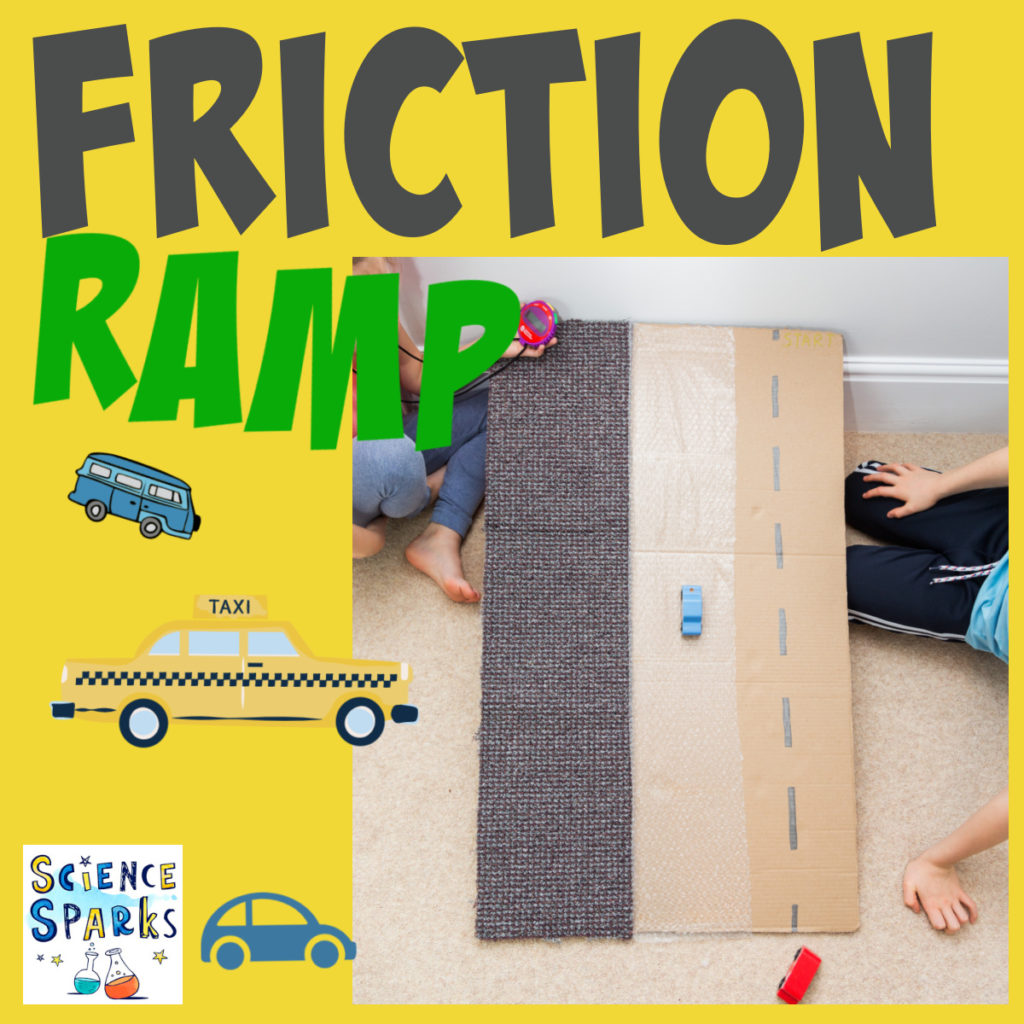
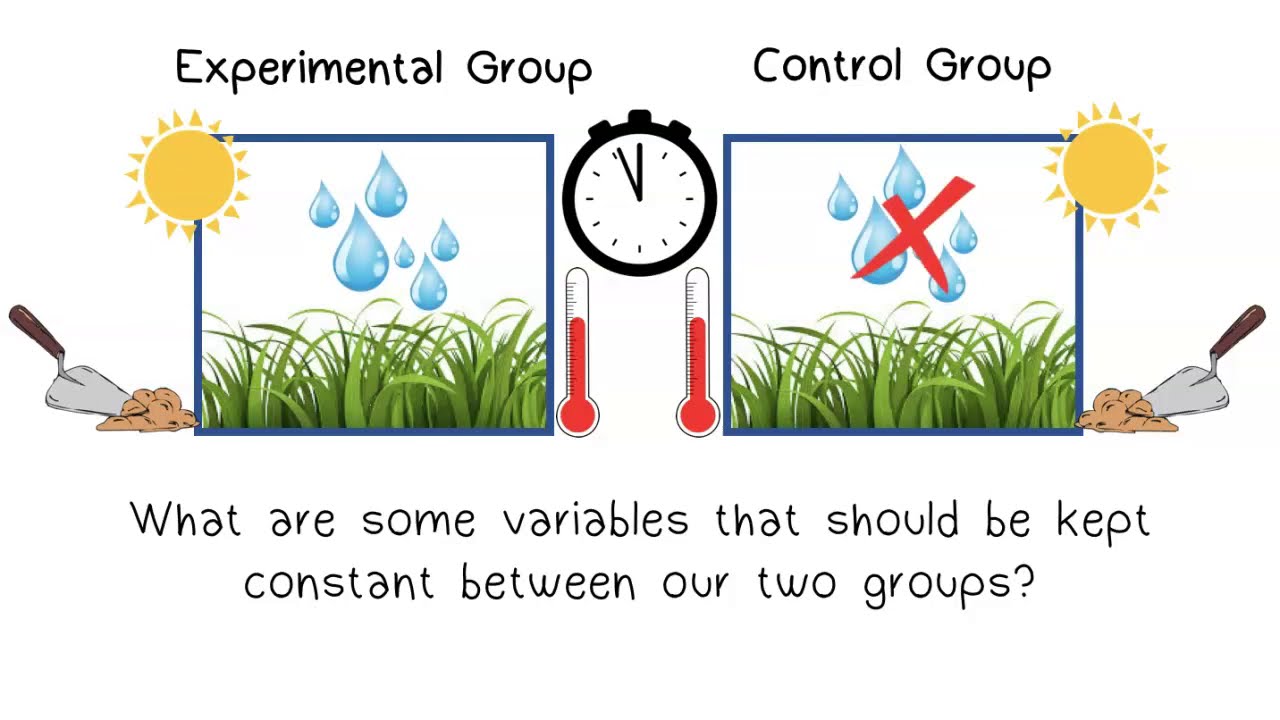
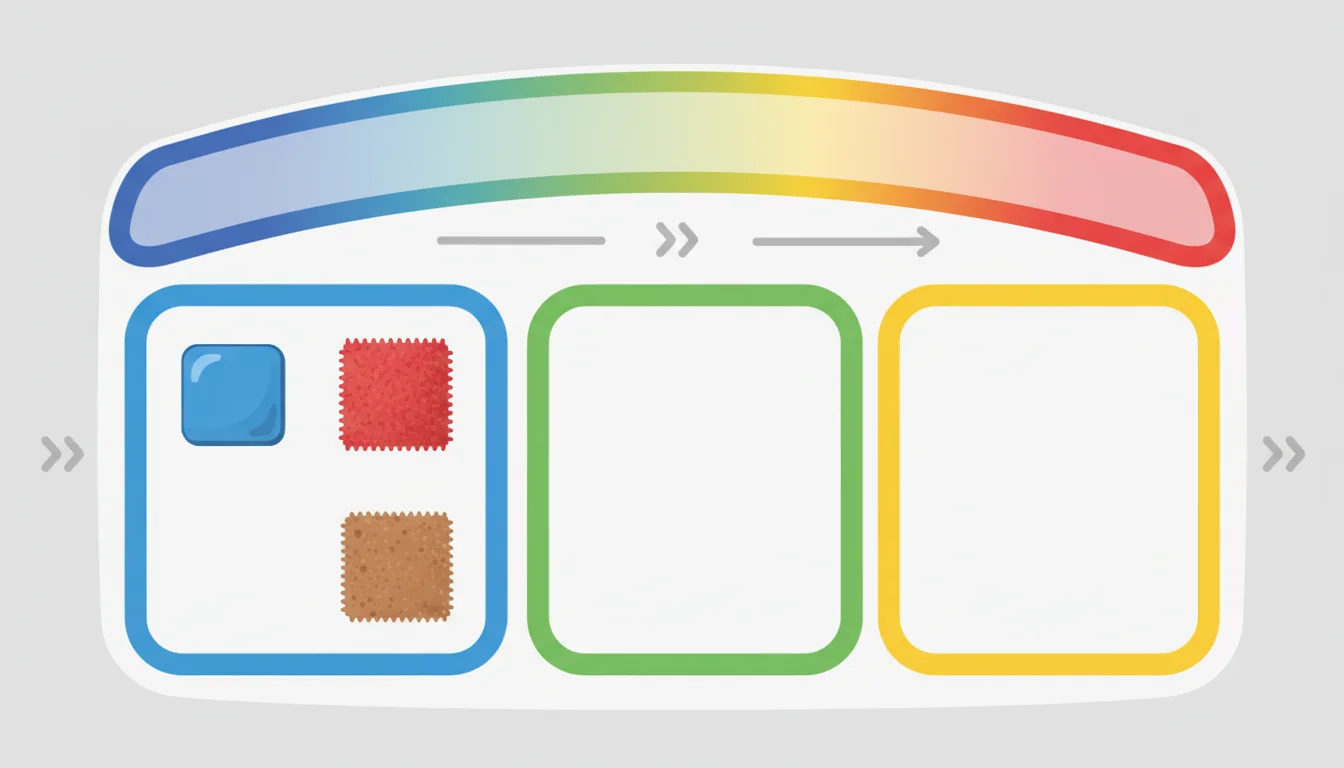
We will test toy cars on 3 different surfaces Push with the same force each time Measure how far the car travels Record our results in a table
Setting Up Our Test
Place three surfaces side by side Start the car at the same spot each time Push with the same gentle force Measure from start to where the car stops
Make Your Prediction
Which surface do you think will let the car travel the furthest? Tile (smooth) Carpet (medium) Sandpaper (rough) Why do you think so?
Recording Our Results

What Did We Discover?
The car traveled furthest on the smooth tile It traveled a medium distance on carpet It stopped quickly on rough sandpaper This shows us how friction affects movement!

Remember This!
Friction is a force that slows things down when surfaces touch. The rougher the surface, the more friction there is!
What's Next?
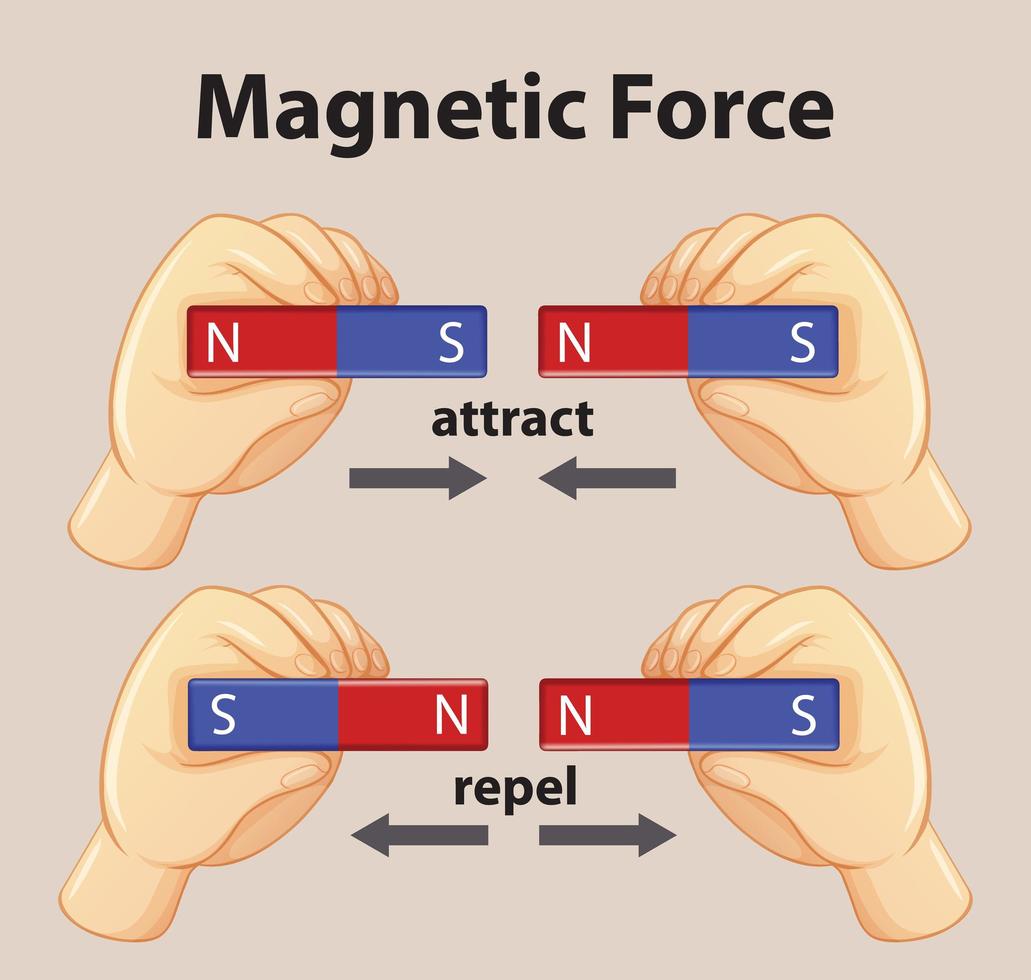
Today we learned about friction - a contact force Next time we'll explore magnetic forces Magnetic forces can work without touching! We'll see how magnets can push and pull objects from a distance