Fractions Foundations: Parts of a Whole
Year 11 Mathematics Understanding fractions as numbers Building strong mathematical foundations

Quick Fraction Review
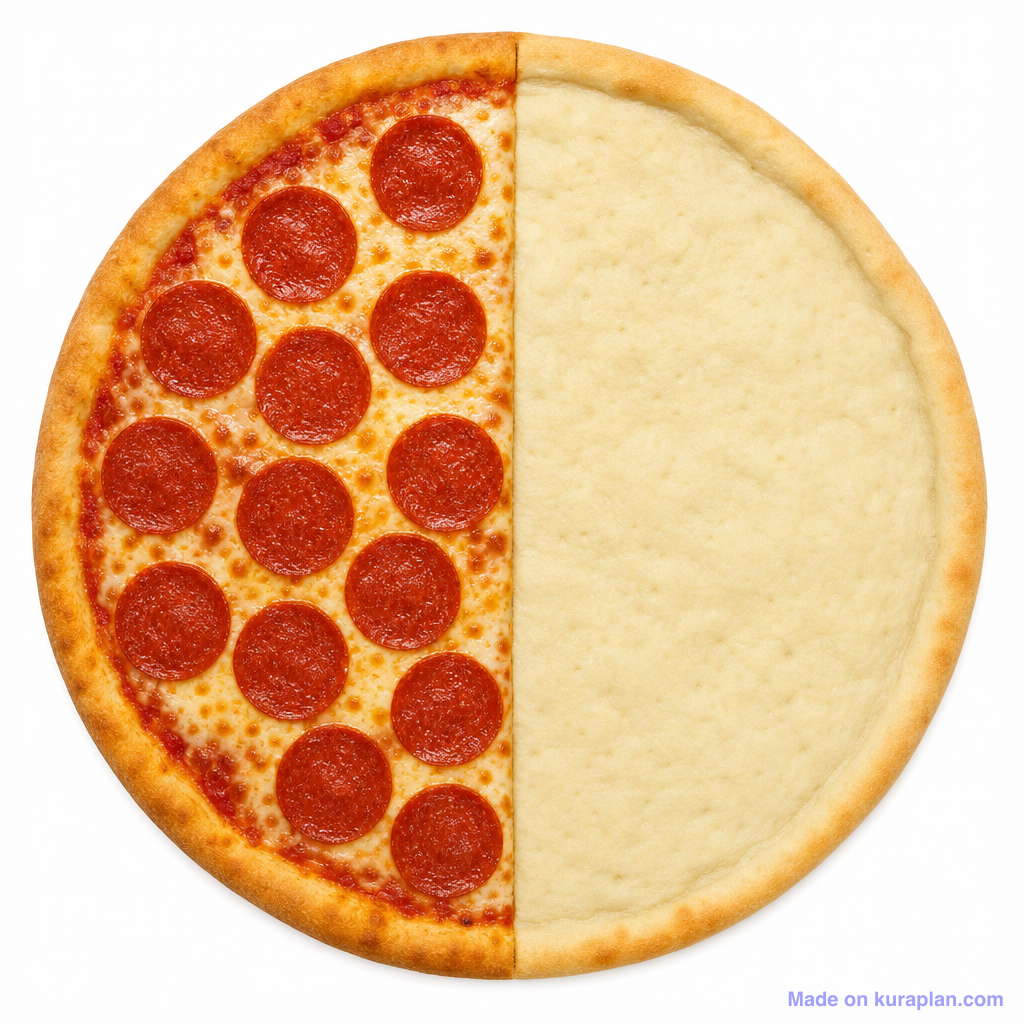
What fraction of this circle is shaded? Write the fraction for: one half, one quarter, three quarters How many equal parts make up the whole?

What is a Fraction?
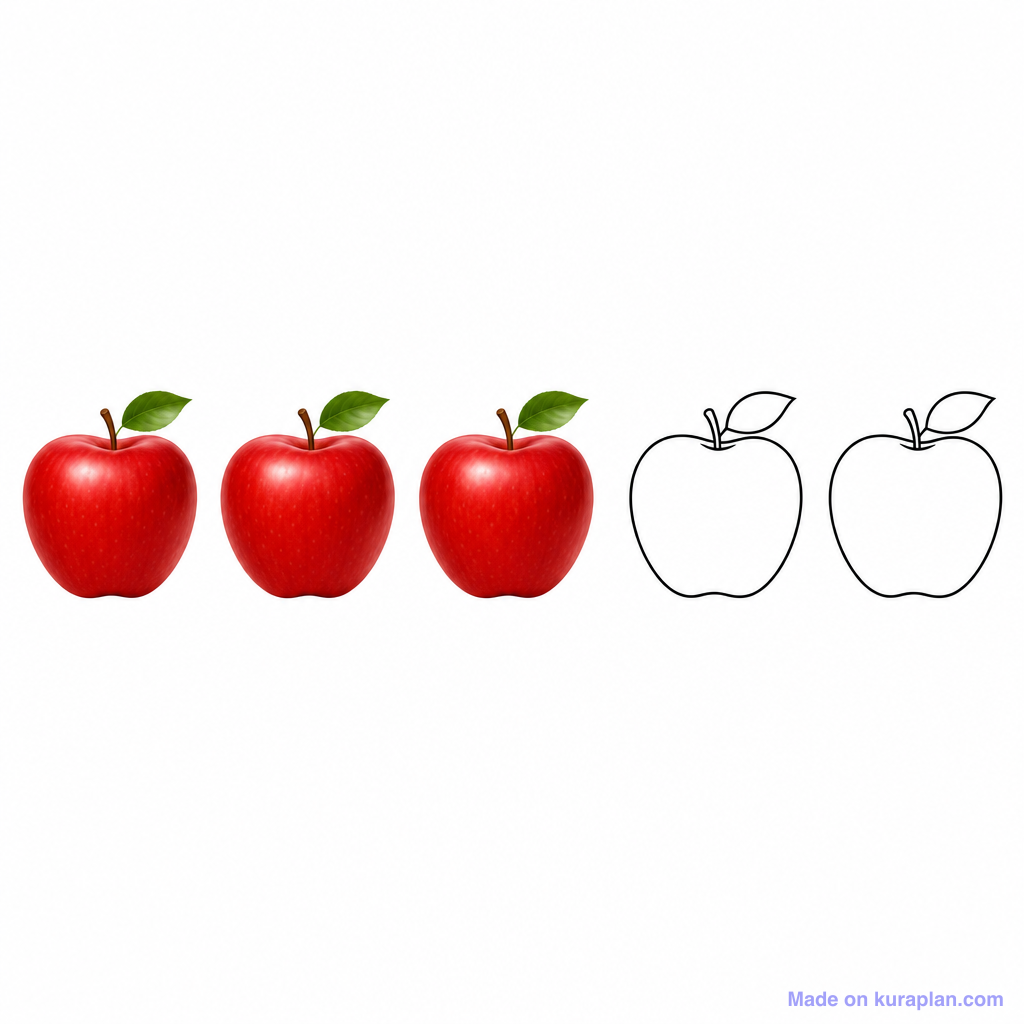
A fraction is a number that represents part of a whole It shows how many equal parts we have Fractions help us describe quantities between whole numbers Examples: half a pizza, quarter of an hour, three-fifths of a class

Parts of a Fraction
{"left":"Numerator: The top number - tells us how many parts we have\nDenominator: The bottom number - tells us how many equal parts the whole is divided into","right":"Example: In 3/4, the numerator is 3 and the denominator is 4\nThe denominator must never be zero"}

Identify and Create Fractions
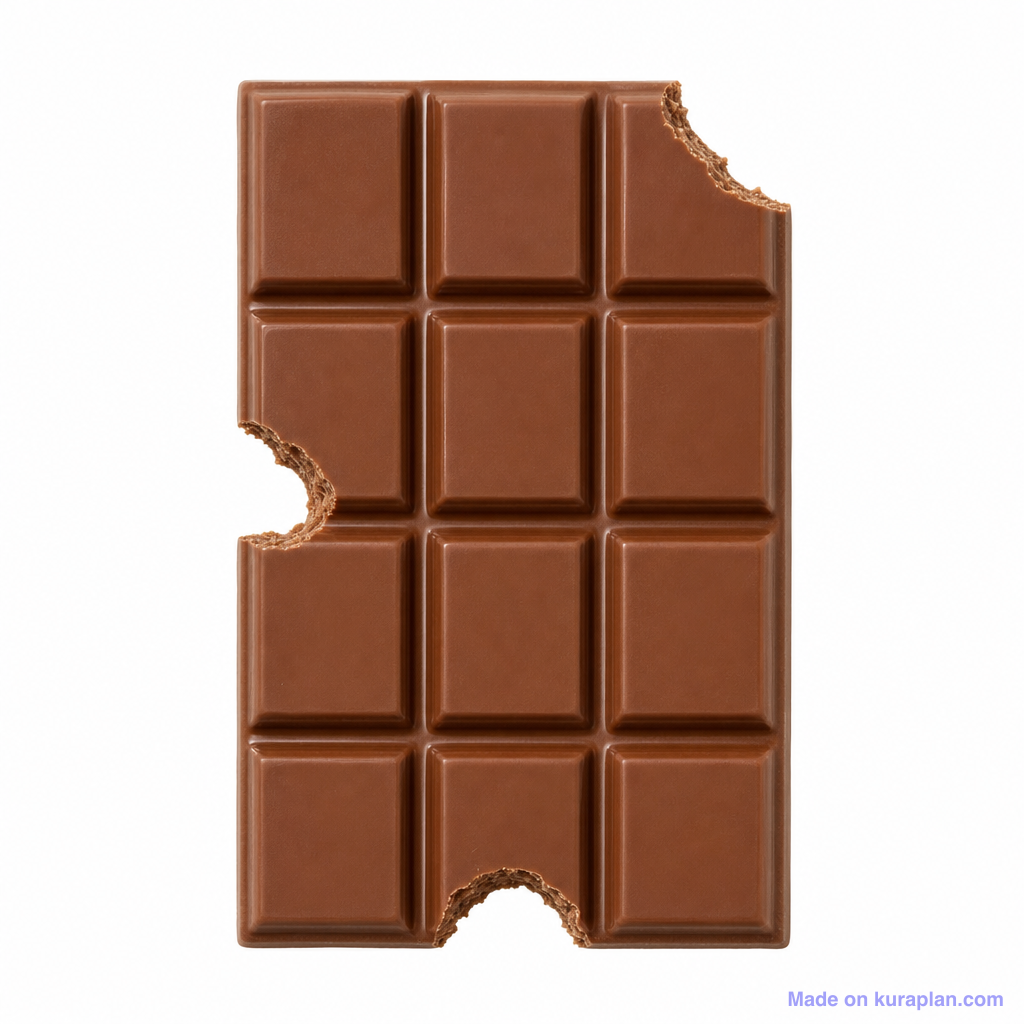
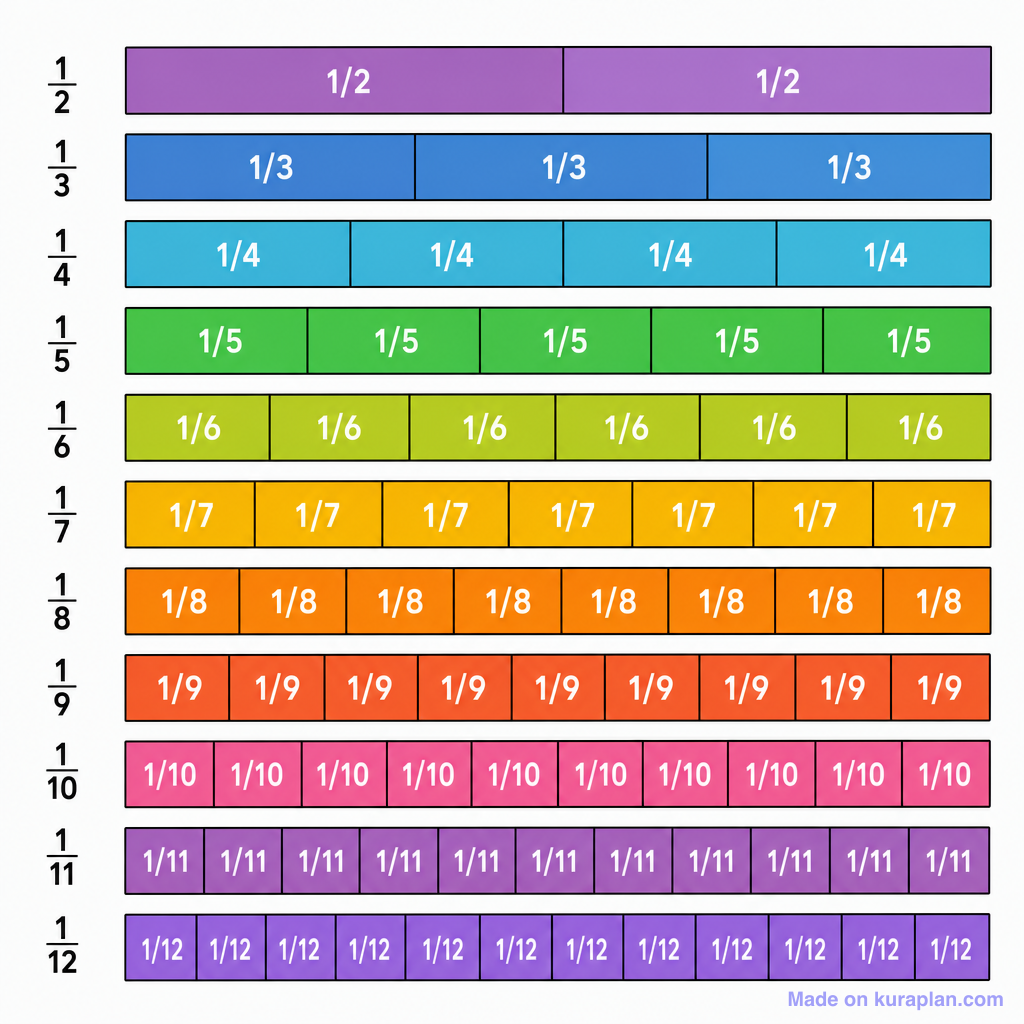
Look at the shapes and identify the fractions shown Use fraction bars to create specific fractions Work in pairs to explain your thinking Write your answers on mini whiteboards

Proper Fractions
A proper fraction has a numerator smaller than the denominator Examples: 1/2, 3/4, 5/8, 7/10 Proper fractions represent less than one whole They are between 0 and 1 on a number line

Quick Quiz Time
1. Identify the numerator and denominator in 4/7 2. Is 5/3 a proper fraction? Why or why not? 3. Write a fraction for three parts out of eight 4. Convert the whole number 6 into a fraction 5. What fraction shows 2 parts shaded out of 5?

Key Learning Summary
Fractions represent parts of a whole Numerator = number of parts we have Denominator = total number of equal parts Proper fractions have numerator < denominator Fractions are everywhere in real life!
More Fractions slide decks
Other ready-to-teach decks on fractions.


Free Fractions images
Drop these illustrations straight into your lesson.