Global Flows: Capital, Labour and Information
AQA A-Level Geography Global Systems and Governance Understanding interconnected global flows
What are Global Flows?
Movement of capital, labour, products, services and information across borders Creates interconnected global systems Facilitated by technology and policy changes Drives economic globalization
Types of Global Flows
{"left":"Capital: Foreign Direct Investment (FDI), portfolio investment, remittances\nLabour: Economic migrants, skilled workers, refugees\nProducts: Manufactured goods, raw materials, agricultural products","right":"Services: Banking, tourism, education, healthcare\nInformation: Data, technology transfer, cultural exchange"}
Capital Flows: The Movement of Money
Foreign Direct Investment (FDI) - long-term investments Portfolio investment - stocks and bonds Remittances - money sent home by migrants Sovereign wealth funds and international loans
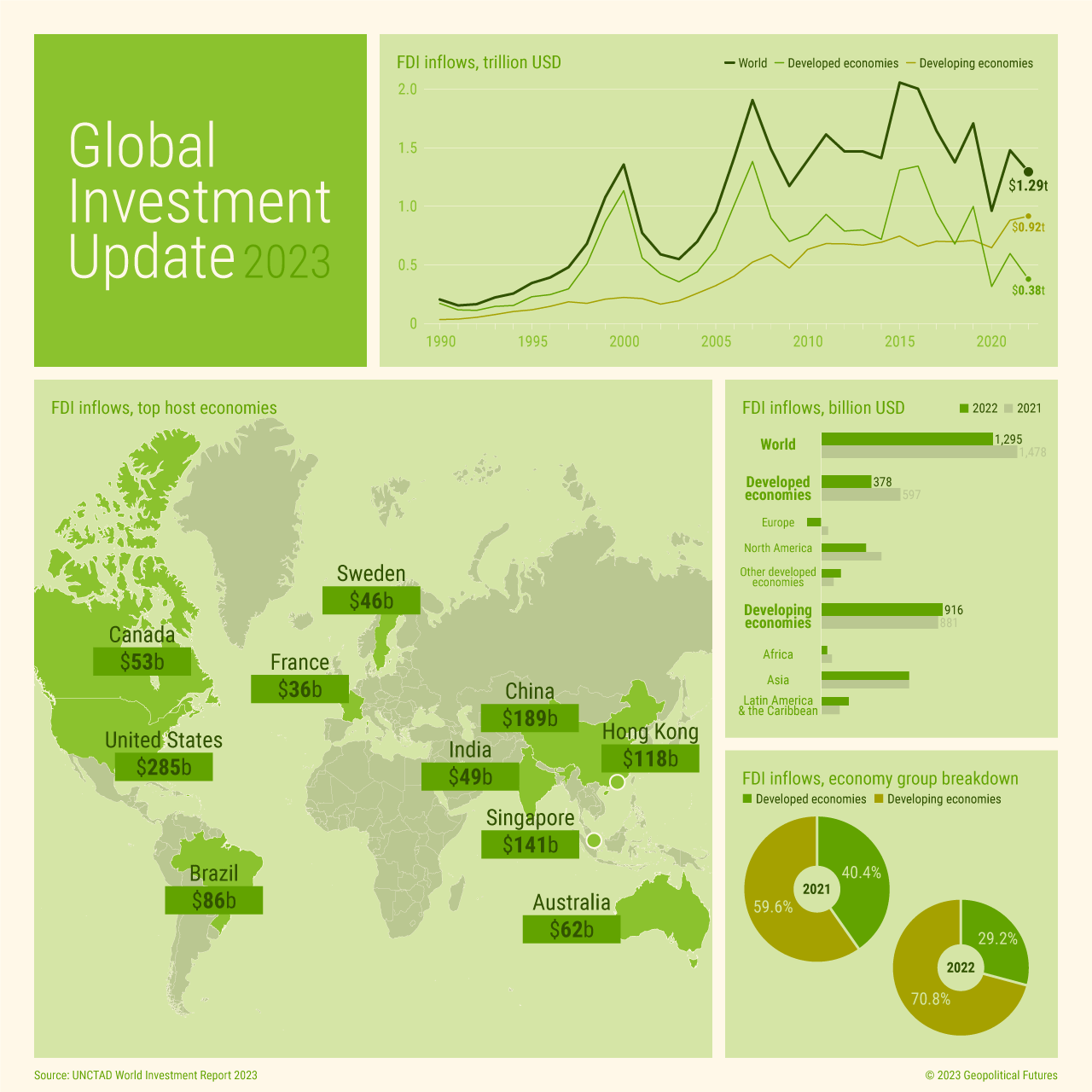
Mapping Global Investment
Activity: Using the data provided, create a flow map showing FDI between major economies Identify the largest sources and destinations of investment Discuss patterns you observe
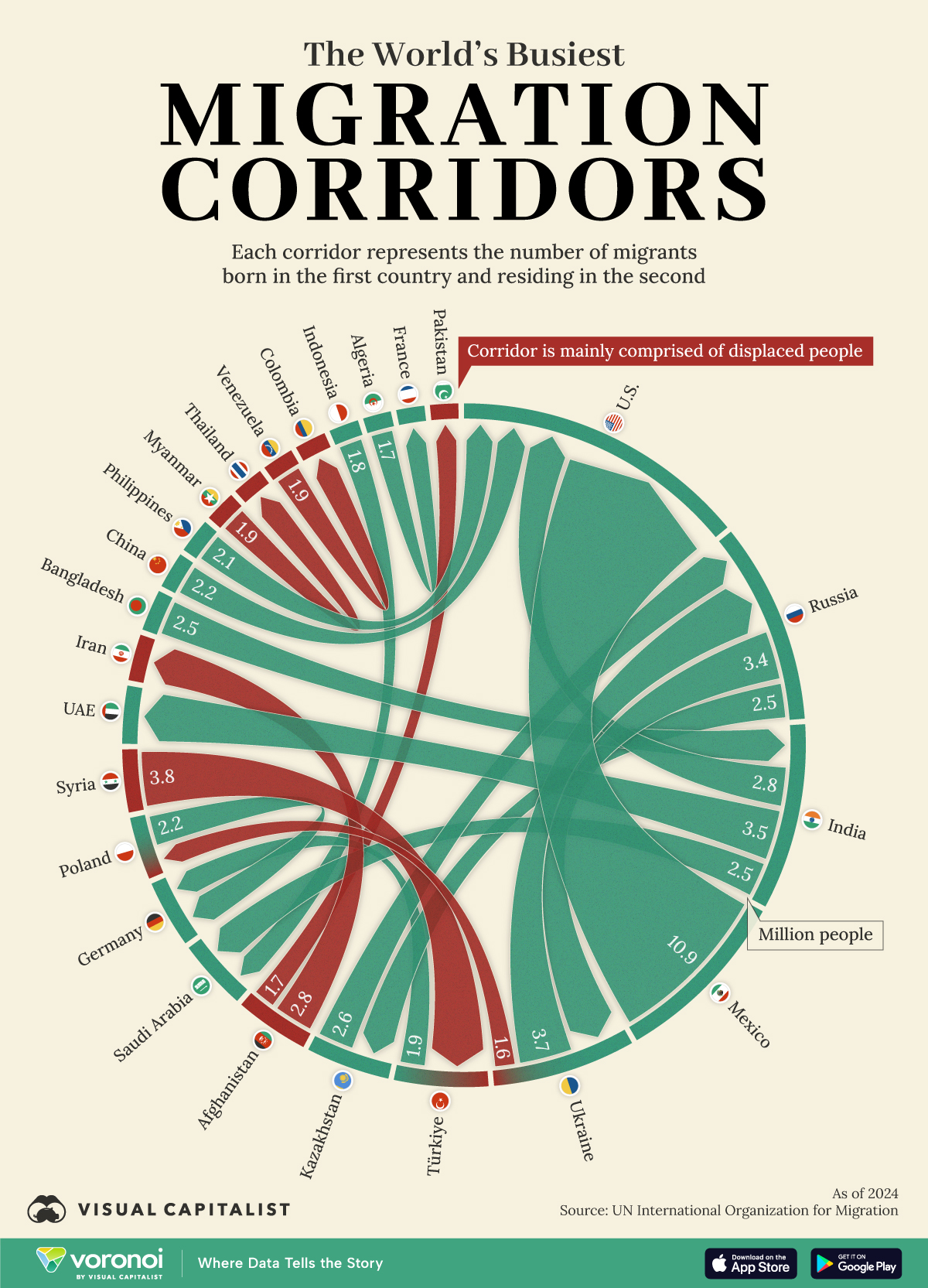
Labour Flows: Global Migration Patterns
Economic migration for better opportunities Skilled worker migration - 'brain drain' and 'brain gain' Temporary workers in agriculture and construction Refugee movements due to conflict and persecution
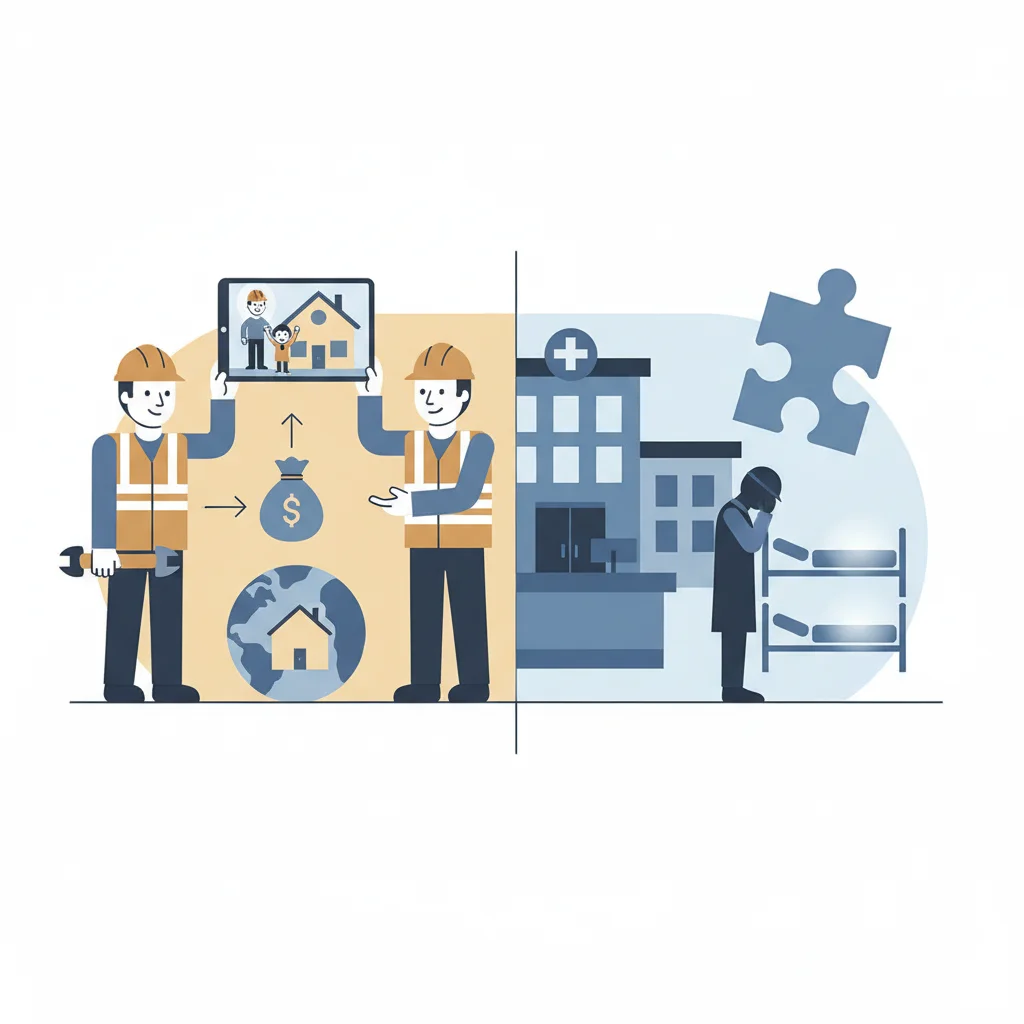
Discussion: Winners and Losers
Who benefits from global labour flows? What are the challenges for source and destination countries? How do remittances affect home countries?
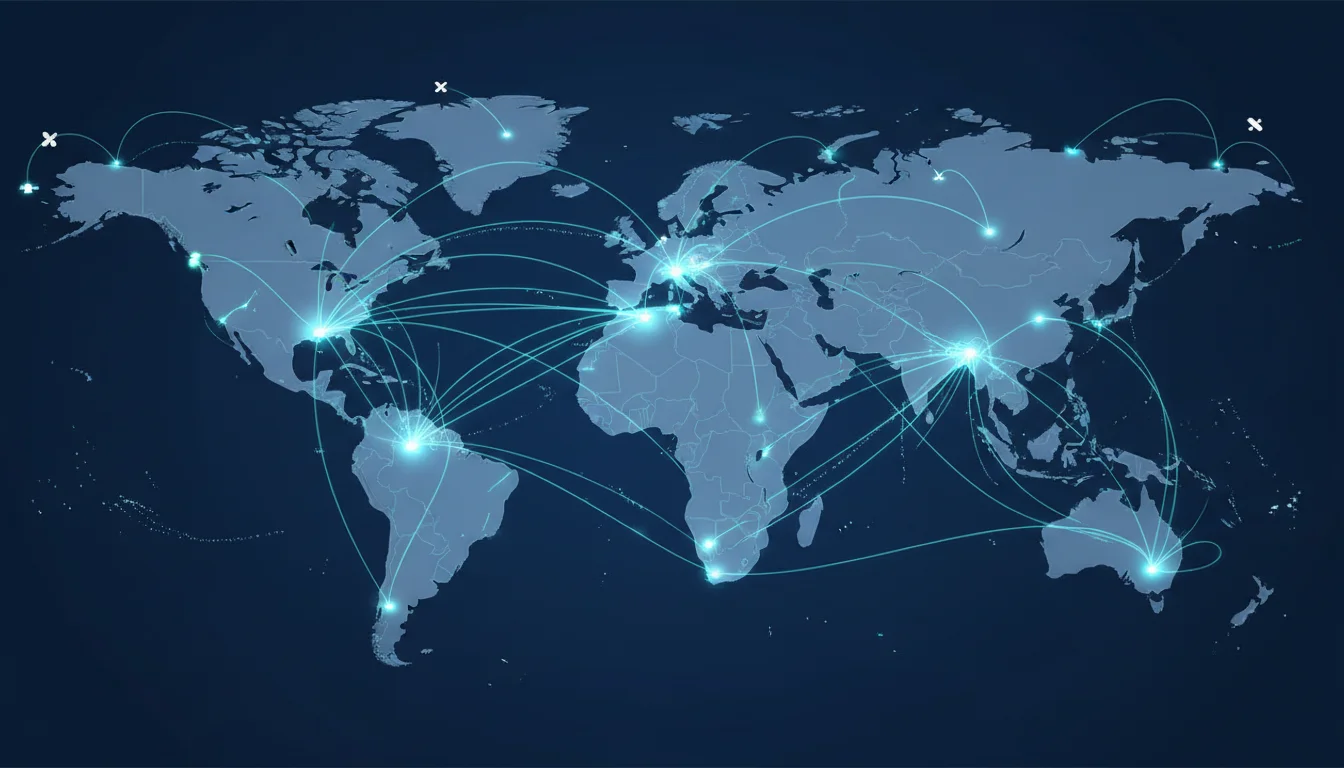
Information Flows in the Digital Age
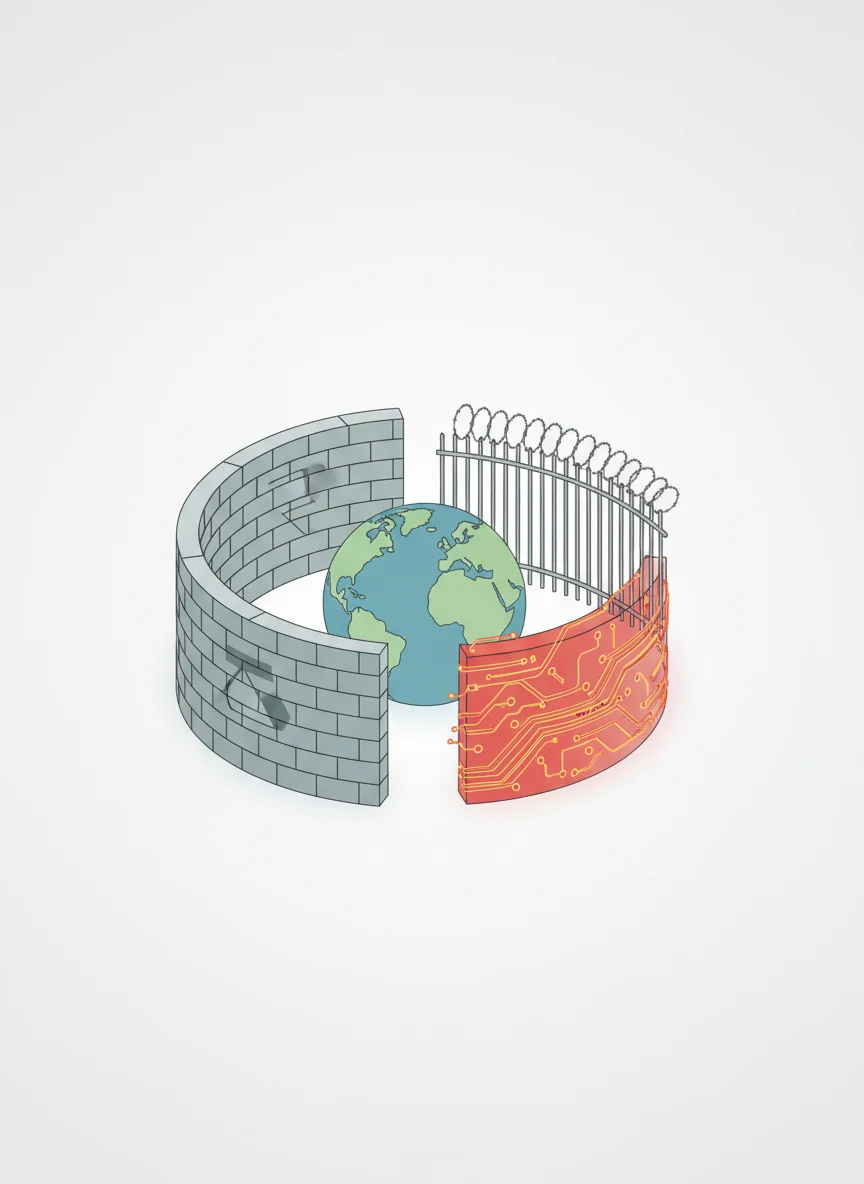
Barriers to Global Flows
Trade barriers - tariffs and quotas Immigration controls and visa restrictions Capital controls and financial regulations Digital barriers - internet censorship and data localization
The Future of Global Flows
'In an interconnected world, flows of capital, labour, and information will continue to shape our global economy, but the patterns and governance of these flows are constantly evolving.'