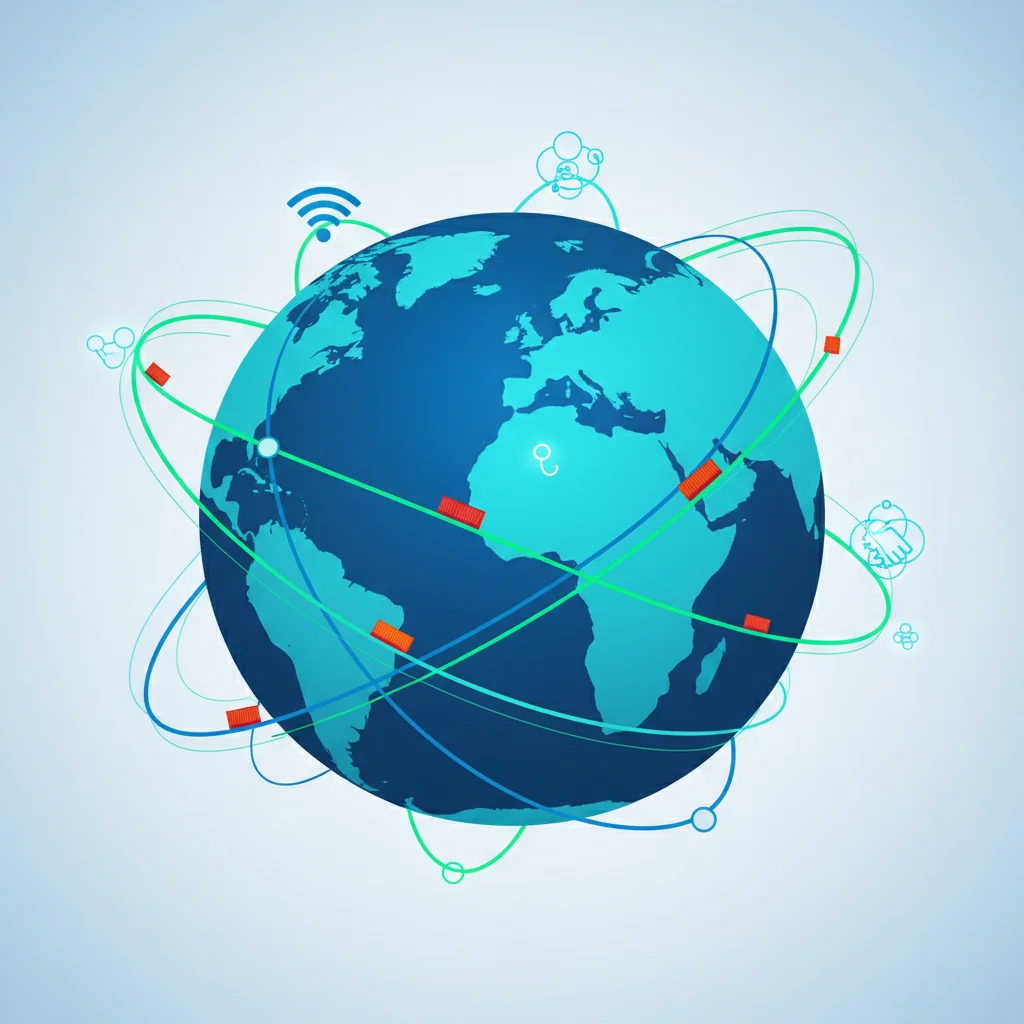
Globalisation: Trade and Global Governance
Year 13 Geography Understanding global interconnections and interdependence
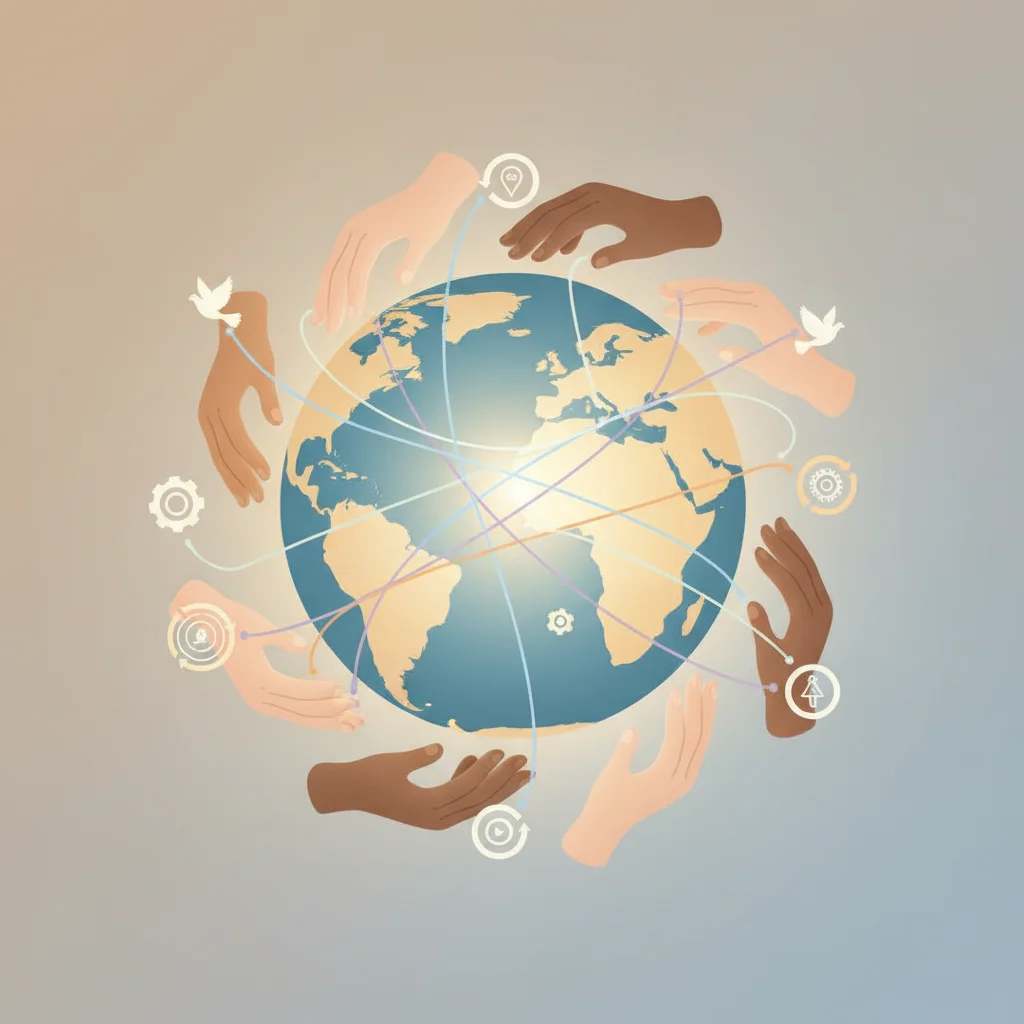
Global Connections Mapping
List ways countries are interconnected globally Think about: Economic, Political, Social, Environmental Share your ideas with the class
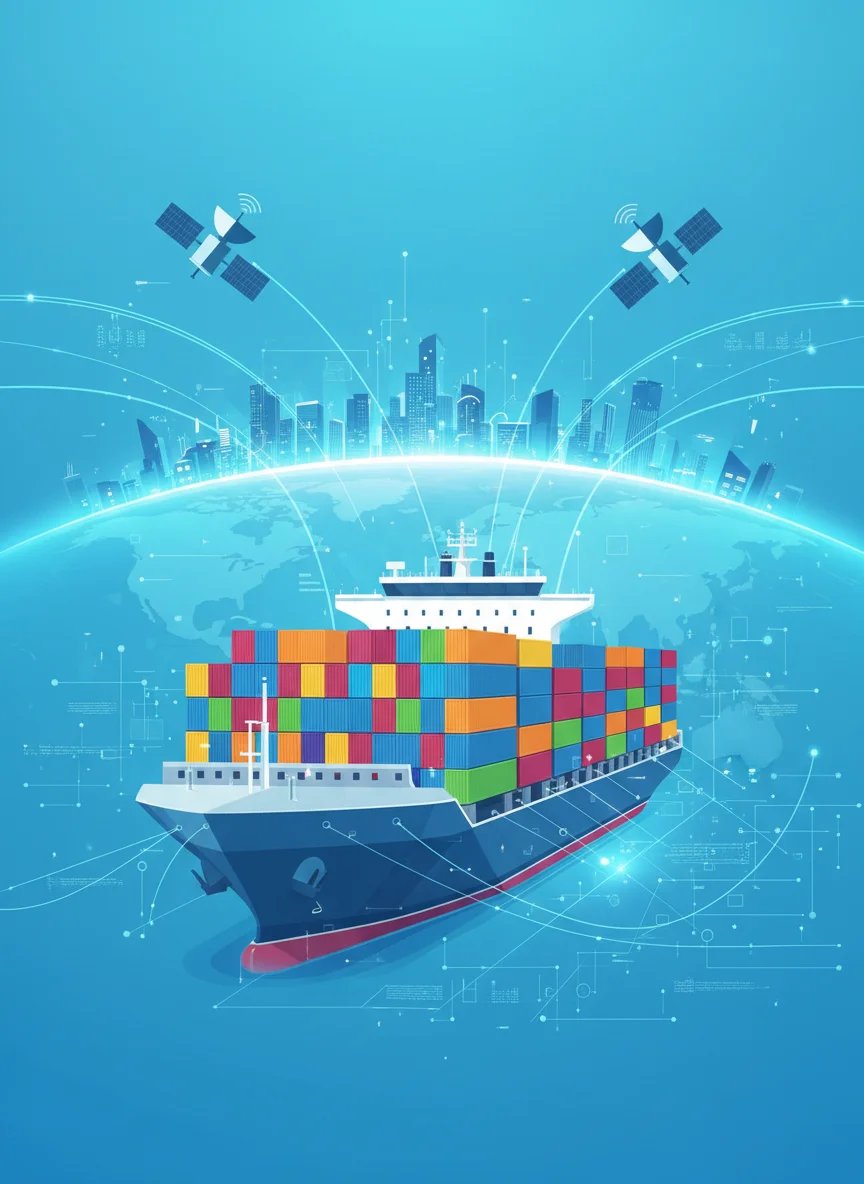
Drivers of Globalisation
Technological advances in transport and communication Neoliberal economic policies promoting free trade Rise of Transnational Corporations (TNCs) International institutions (WTO, UN, IMF) Reduction in trade barriers and tariffs
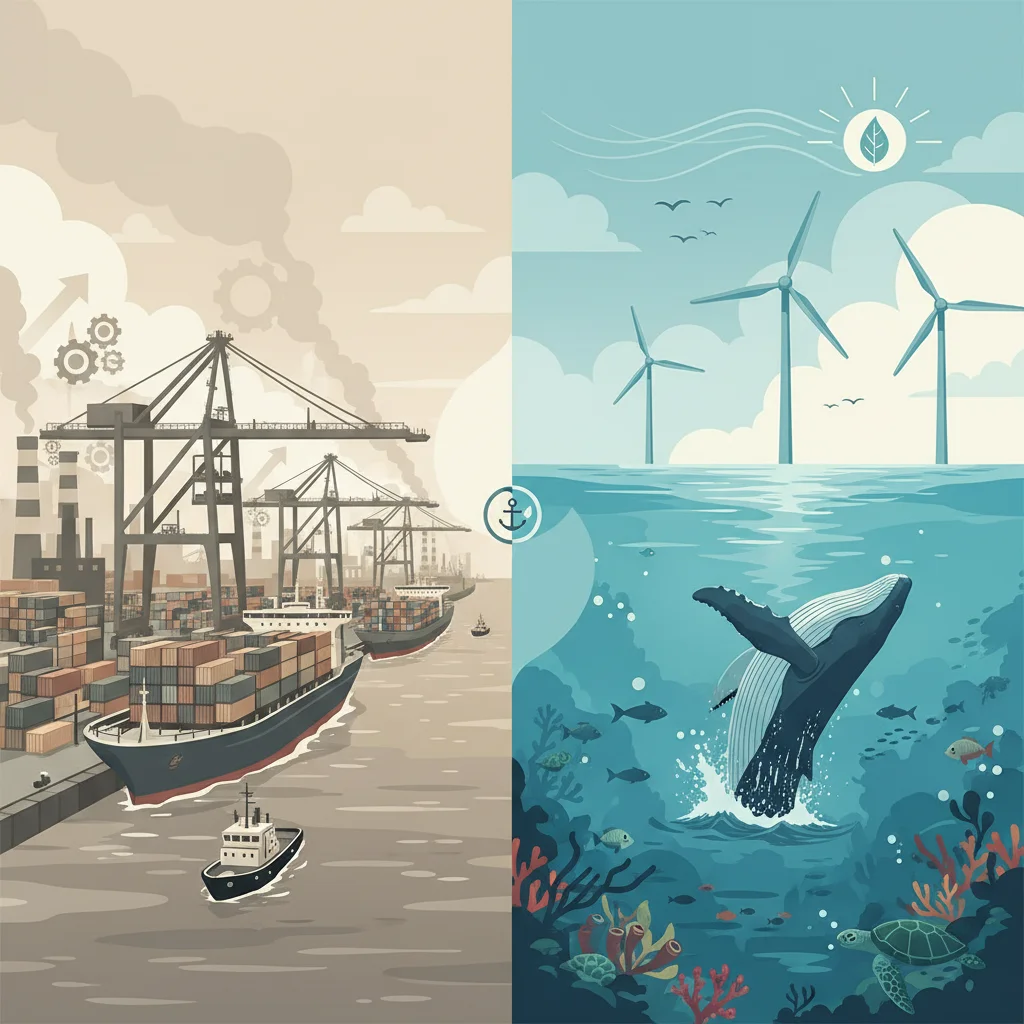
International Trade vs Global Commons
{"left":"Movement of goods, services, and capital across borders\nTrade agreements and market access\nSupply chains and comparative advantage\nEconomic interdependence between nations","right":"Shared resources requiring collective management\nClimate change and environmental protection\nOcean governance and fishing rights\nInternational treaties and cooperation challenges"}
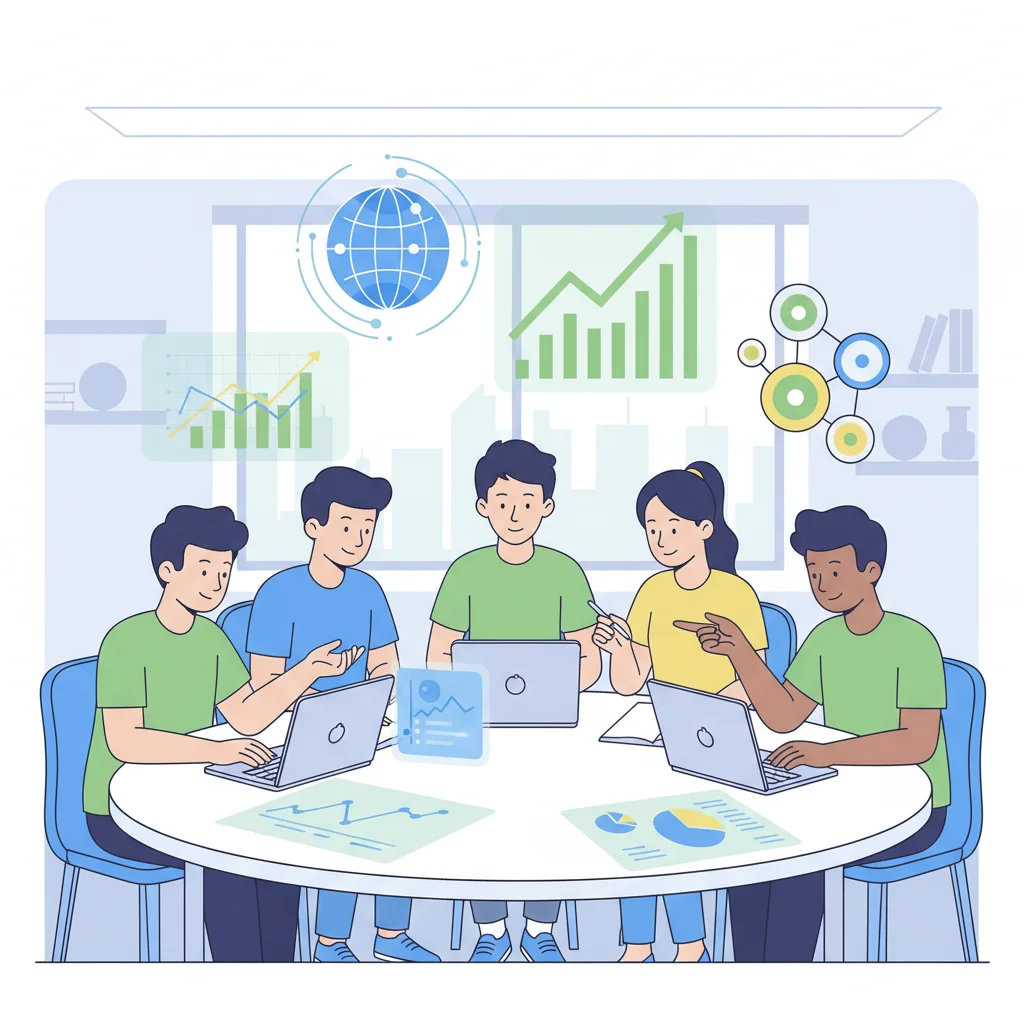
Data Analysis Challenge
Group A: Investigate international trade patterns and market access Group B: Study governance of global commons Analyse your data sets to identify patterns and challenges Prepare a 5-minute presentation of your findings
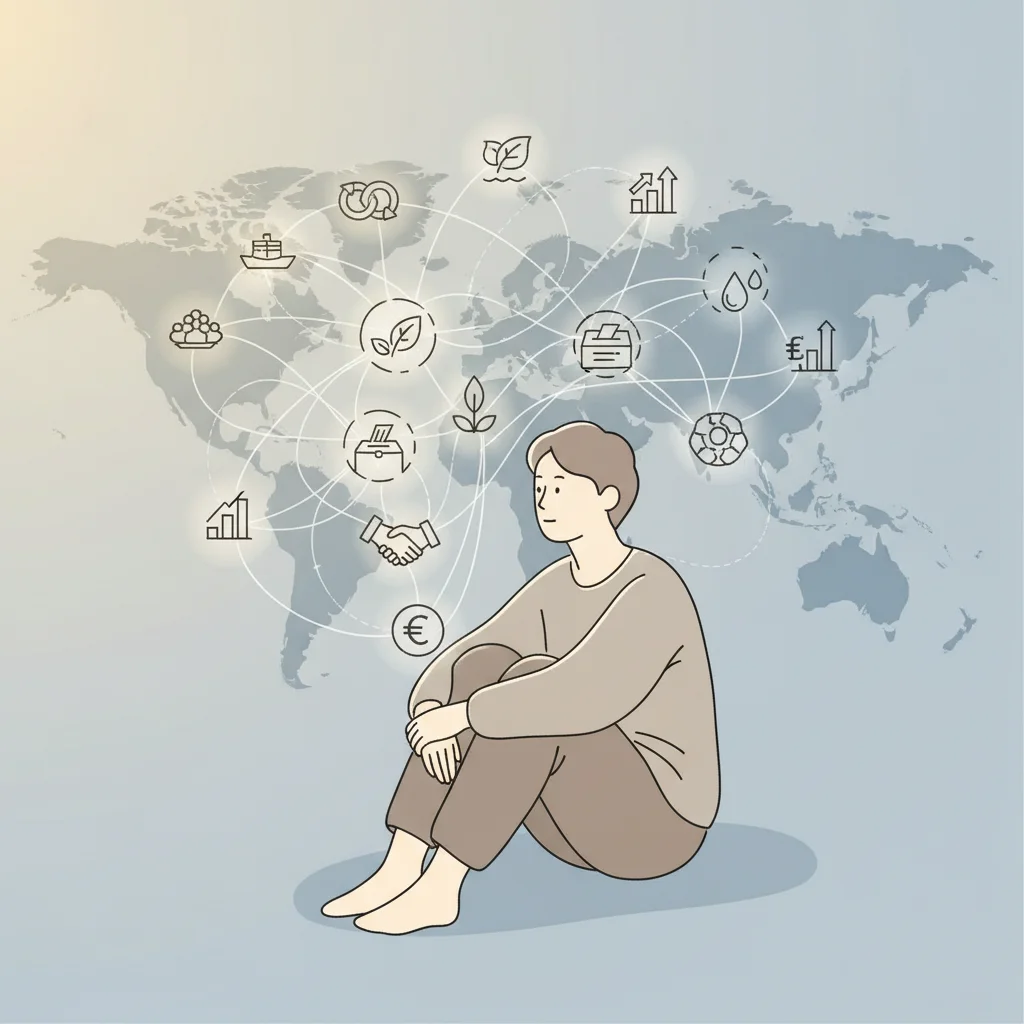
Critical Thinking
How successful are current systems in managing global issues? What tensions or inequalities exist in global trade? How does globalisation affect your daily life? What are the ethical implications of global governance?
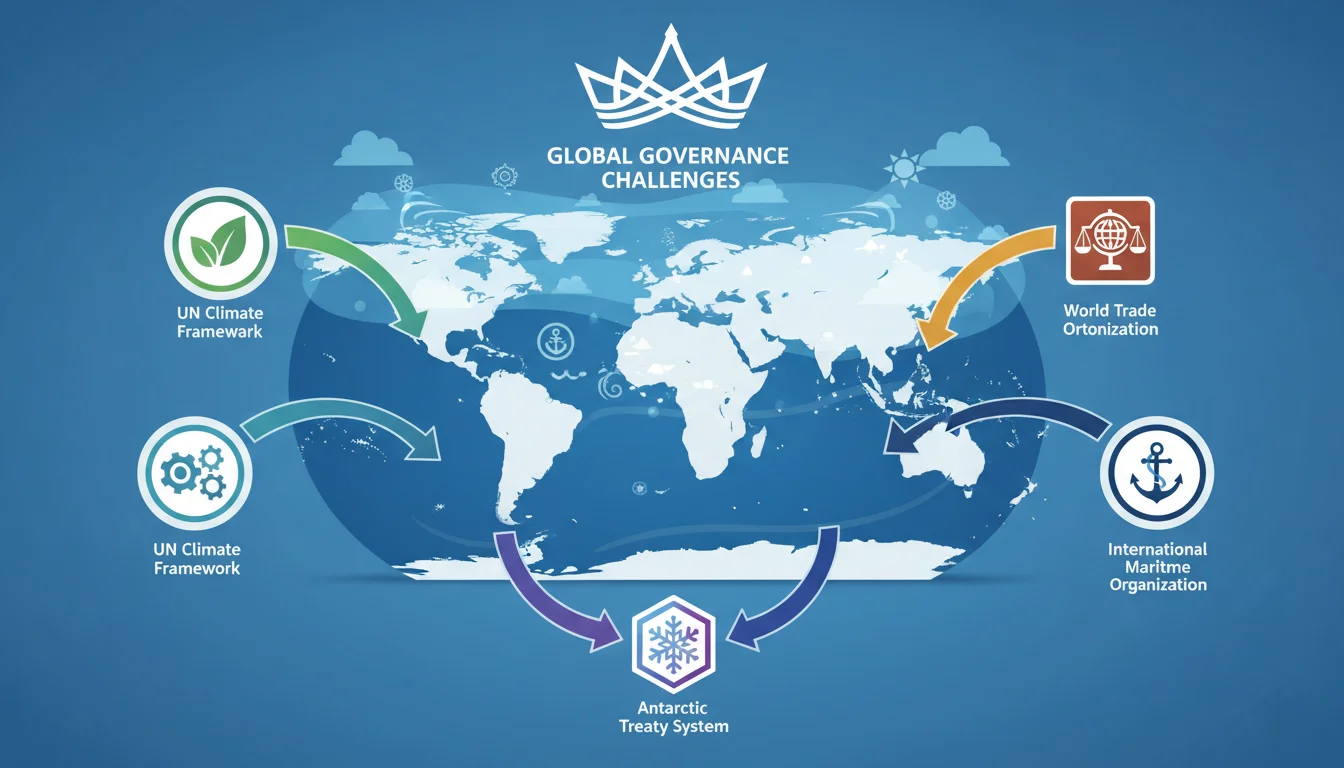
Global Governance Challenges

Lesson Summary & Reflection
Globalisation creates economic, political, and social interdependence International trade drives economic growth but creates inequalities Global commons require collective action and governance Technology and institutions are key drivers of globalisation Current systems face significant challenges in managing global issues