Haiku Poetry: History, Rules & Creation
Exploring the Art of Japanese Poetry Year 11 English/Language Arts Journey from Ancient Japan to Modern Expression
What is Haiku?
Traditional Japanese form of poetry Captures a moment in time or nature Uses simple, vivid imagery Expresses deep emotions with few words Originally part of longer collaborative poems
History of Haiku: From Ancient Japan to Modern Times
The Rules of Haiku
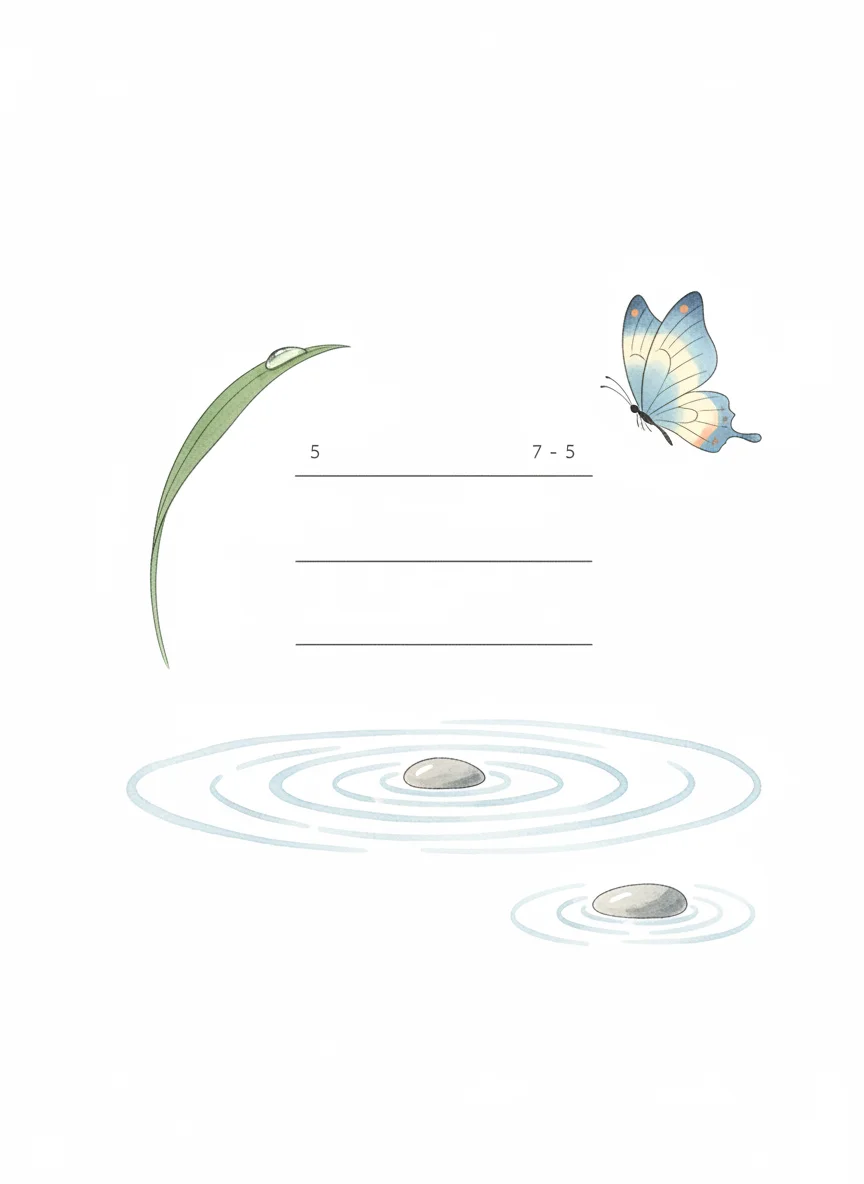
Traditional 5-7-5 syllable pattern Three lines total Present tense and immediate imagery Includes a 'kigo' (seasonal reference) Contains a 'kireji' (cutting word) for pause No rhyming required Focus on nature and human emotion
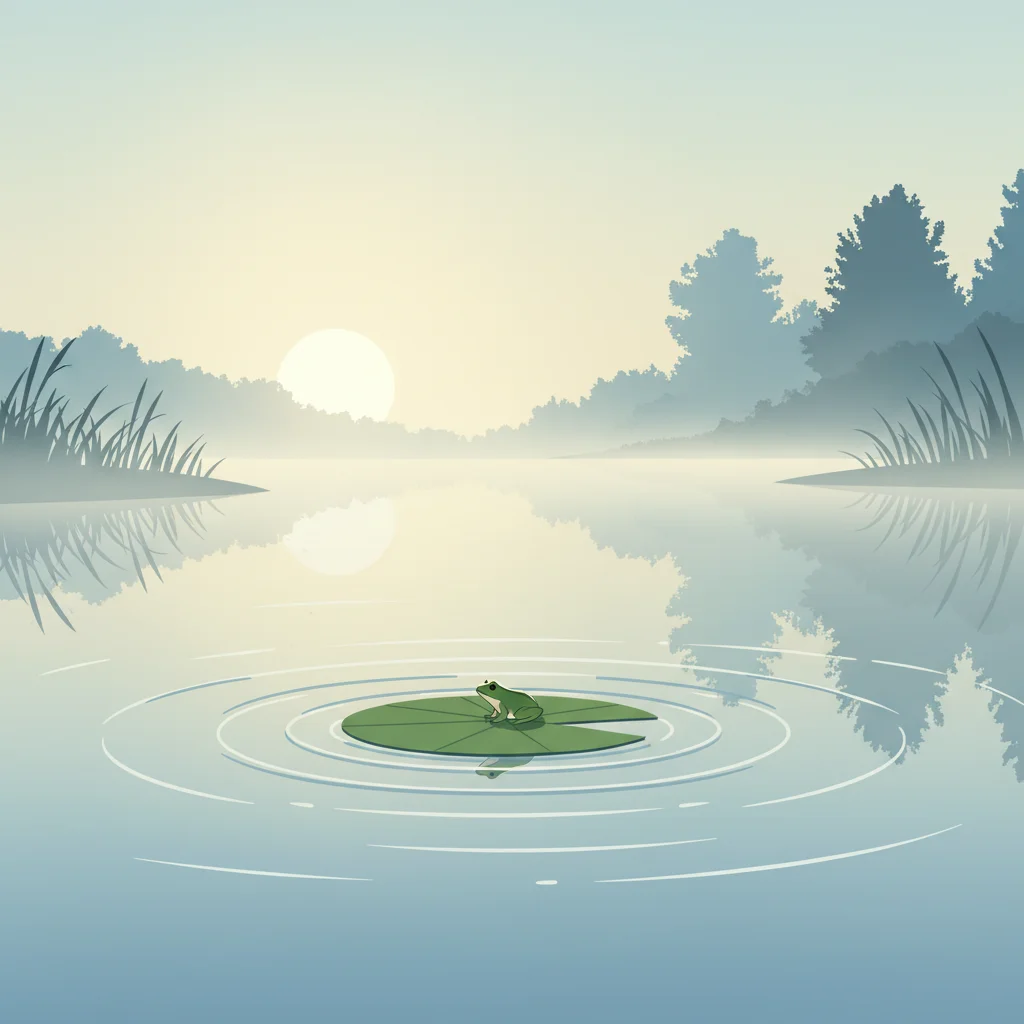
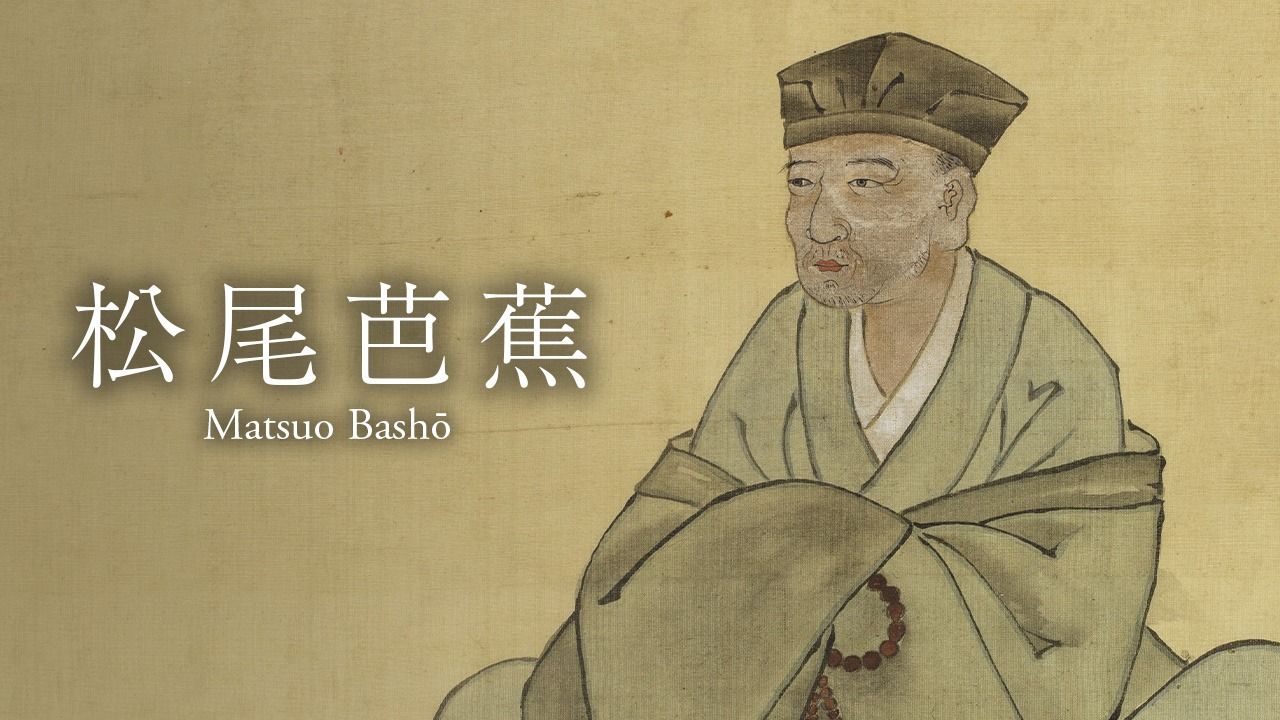
Famous Haiku by Matsuo Basho
An old silent pond A frog jumps into the pond— Splash! Silence again.
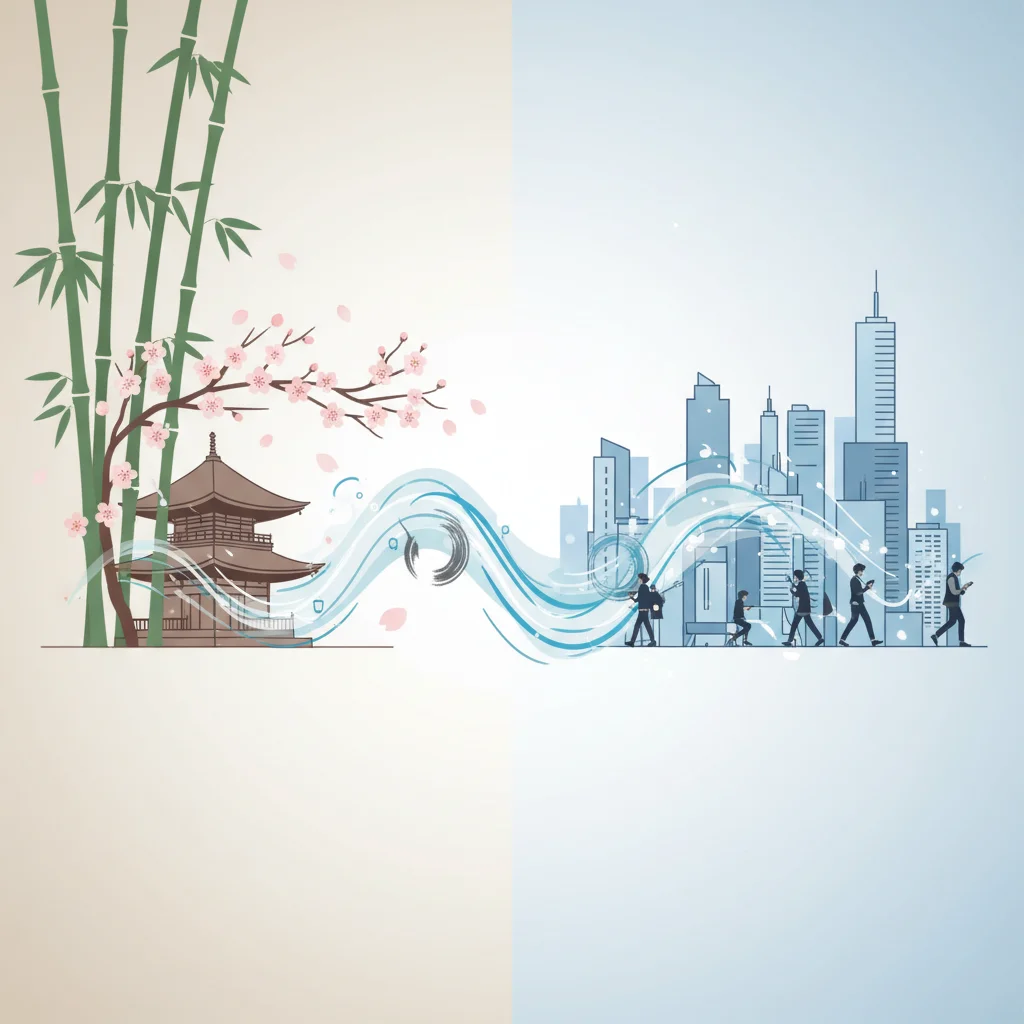
Traditional vs Modern Haiku
{"left":"Strict 5-7-5 syllable count\nAlways includes seasonal reference\nWritten in Japanese with kireji\nFocuses on nature observations\nFollows classical themes","right":"Flexible syllable structure\nMay not include seasons\nWritten in any language\nCan explore urban life and emotions\nEmbraces contemporary themes"}

Creating Your Own Haiku
Step 1: Choose a moment or feeling to capture Step 2: Focus on sensory details (sight, sound, touch) Step 3: Write your first draft - don't worry about syllables yet Step 4: Count syllables and adjust to 5-7-5 if desired Step 5: Read aloud and refine for impact Remember: Show, don't tell! Use concrete, specific images

Haiku Inspiration for SEMH Students
What peaceful moment made you feel calm today? Describe a time when nature helped you feel better Think of a small victory or achievement you're proud of What does your safe space look like, sound like, feel like? When did you last notice something beautiful in an ordinary moment?
More English/Language Arts slide decks
Other ready-to-teach english/language arts decks for UK classrooms.
