
Heat Movement and Energy Saving
Understanding Convection and Insulation Year 9 Science UK National Curriculum

What is Heat Transfer?
Heat always moves from hot to cold Three main ways heat travels: • Conduction (through solids) • Convection (through liquids and gases) • Radiation (through space) Today we focus on CONVECTION
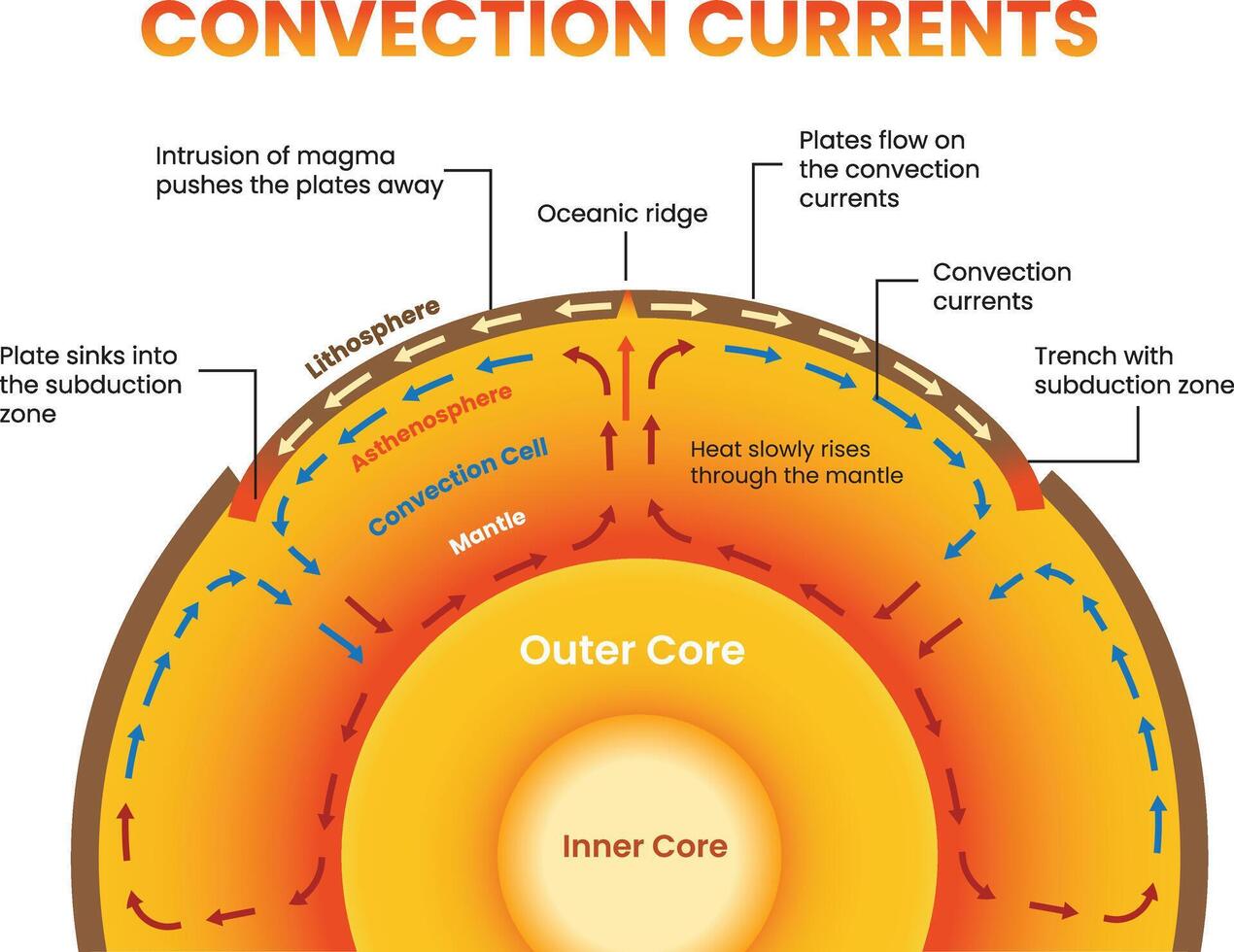
How Convection Works
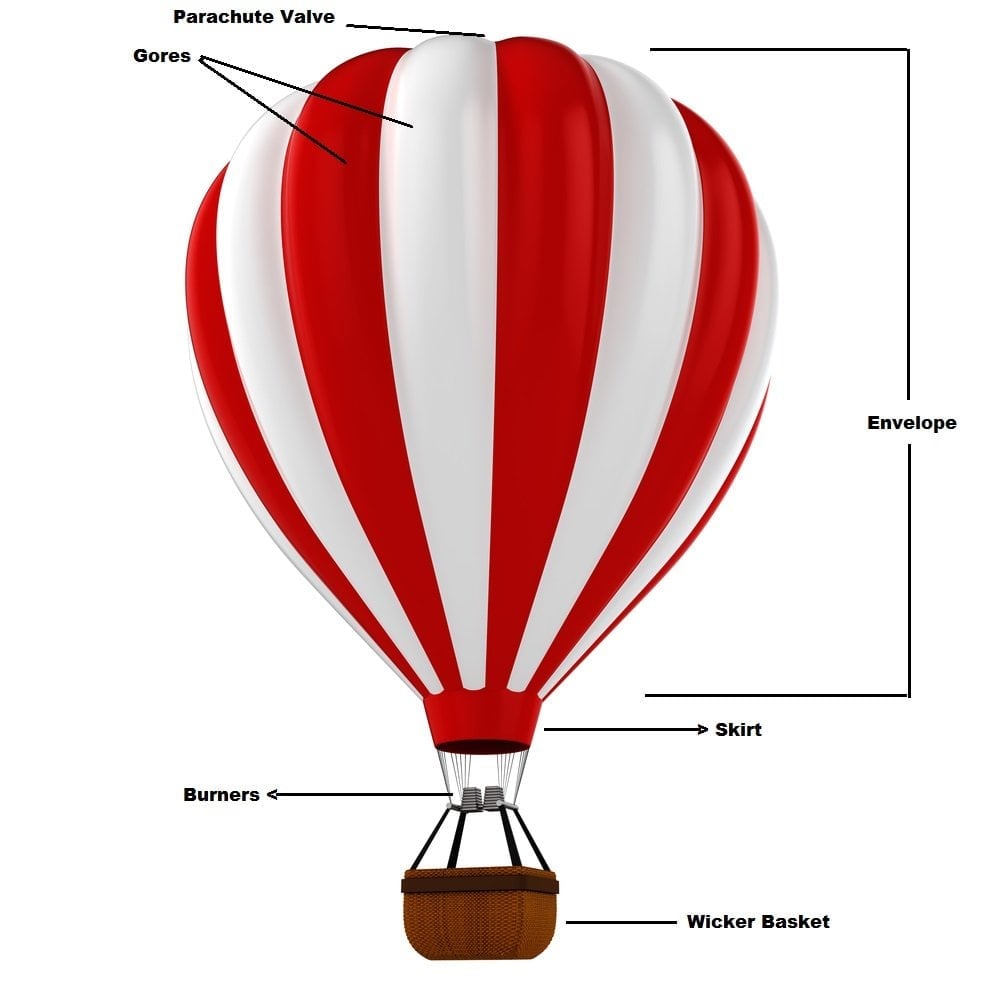
Convection in Everyday Life
Look at these examples: • Boiling kettle - steam rises • Hot air balloon - warm air lifts it up • Radiator heating a room • Ocean currents moving around Earth Can you think of more examples?

Quick Check: Convection
Why does warm air rise? What happens to cool air? How does this create a current?

What is Insulation?
Materials that slow down heat transfer They trap air in small spaces Air is a poor conductor of heat Common insulation materials: • Foam • Bubble wrap • Wool and fabric • Fiberglass
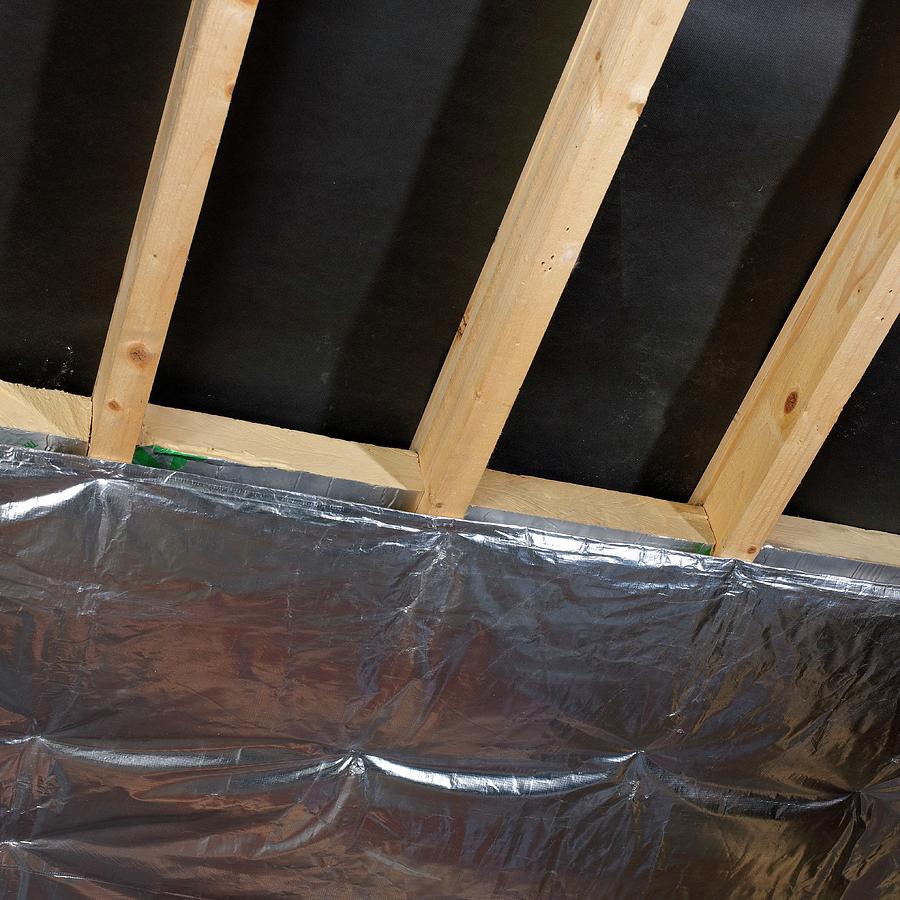
Insulation in Action
{"left":"Loft insulation in houses\nDouble glazing windows\nThermal clothing\nThermos flasks","right":"Keeps heat IN during winter\nKeeps heat OUT during summer\nSaves money on energy bills\nReduces carbon footprint"}
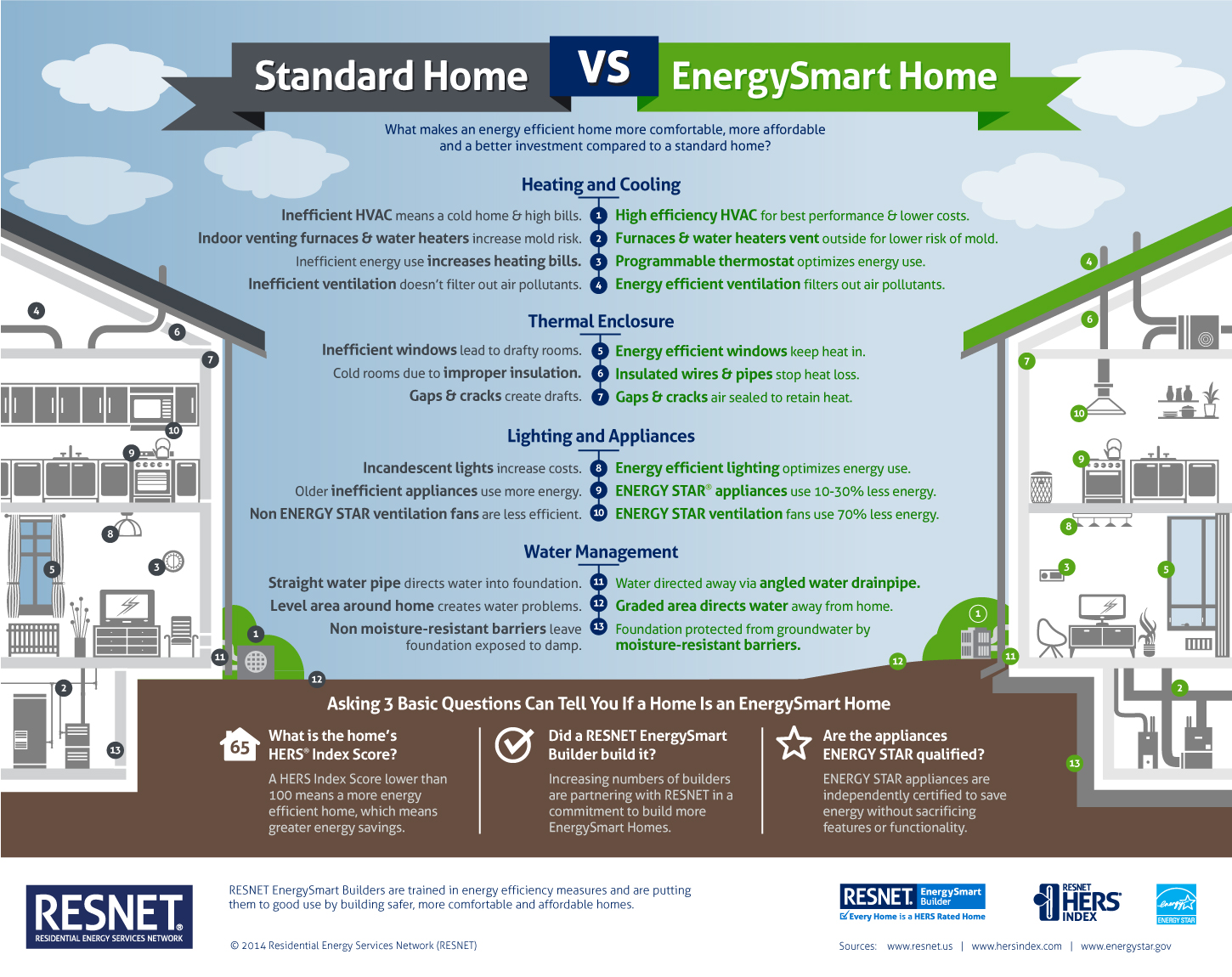
Energy Saving Summary
Convection moves heat through air and liquids Warm fluids rise, cool fluids sink Insulation traps air to slow heat transfer Good insulation saves energy and money Examples: loft insulation, thermal clothes Understanding heat helps us stay comfortable!