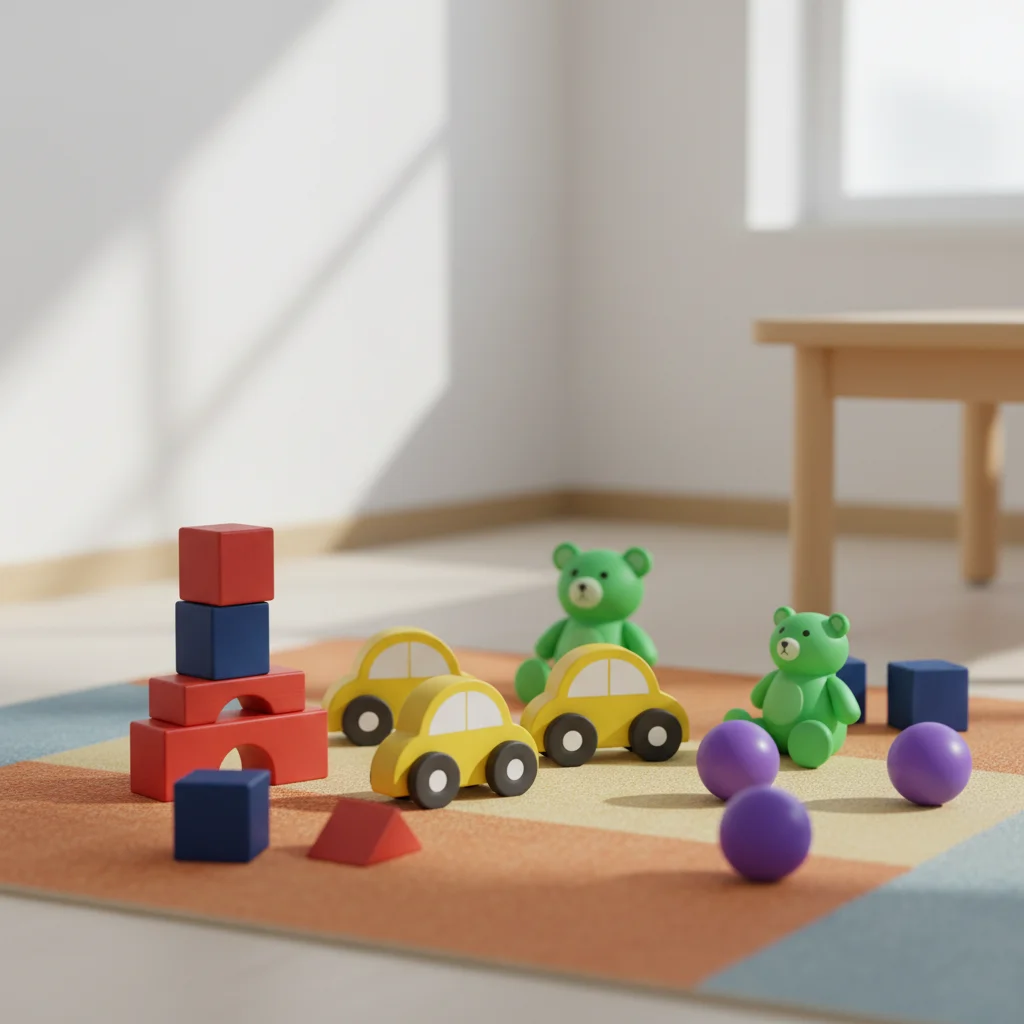
Introduction to Grouping for Reception
Ages 4-5 English & Mathematics 60-minute lesson
Lesson Overview
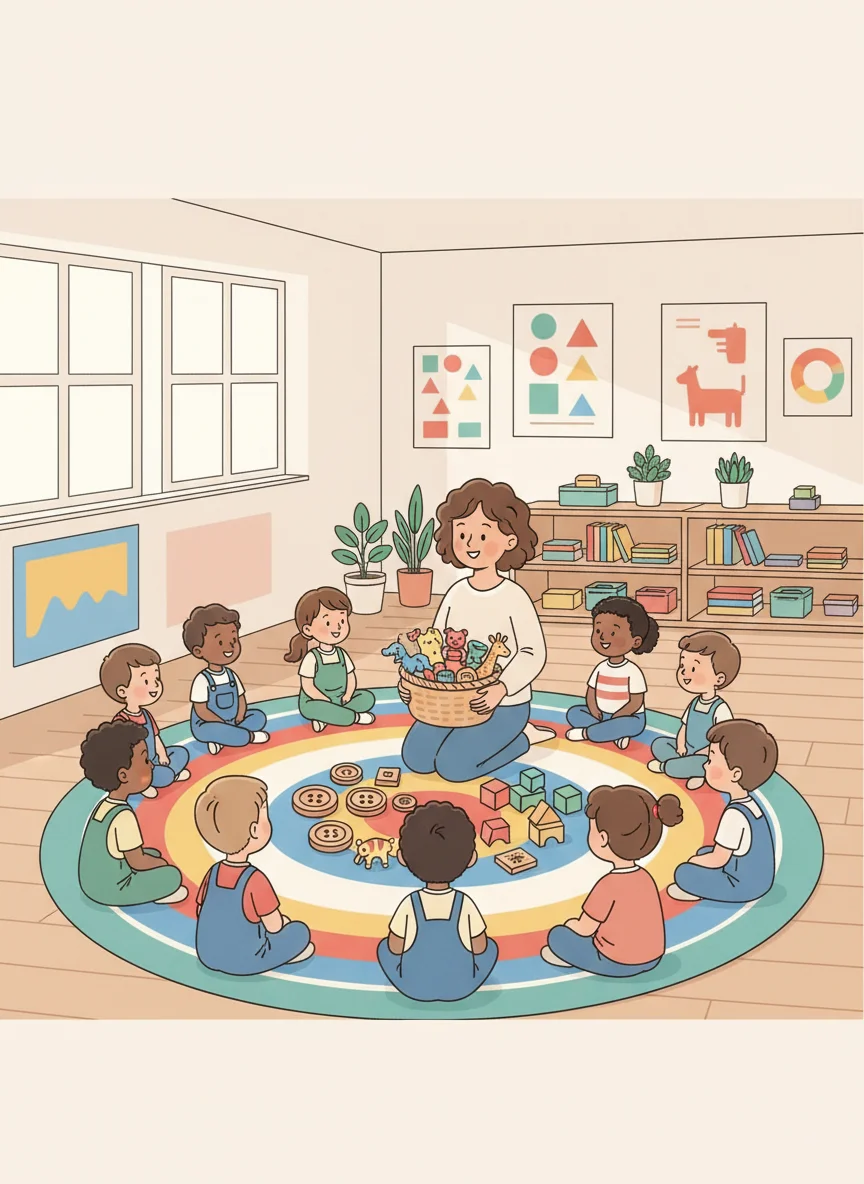
Introduction to grouping using everyday objects Active exploration and discussion Balance of hands-on activities and reflection Development of mathematical thinking and vocabulary
Curriculum Alignment
MNU 0-11a: Using counting skills to solve practical problems MNU 0-16a: Sorting objects by colour, size and shape LIT 0-09a: Exploring symbols and signs Early Level Mathematics and Numeracy benchmarks
Learning Intentions
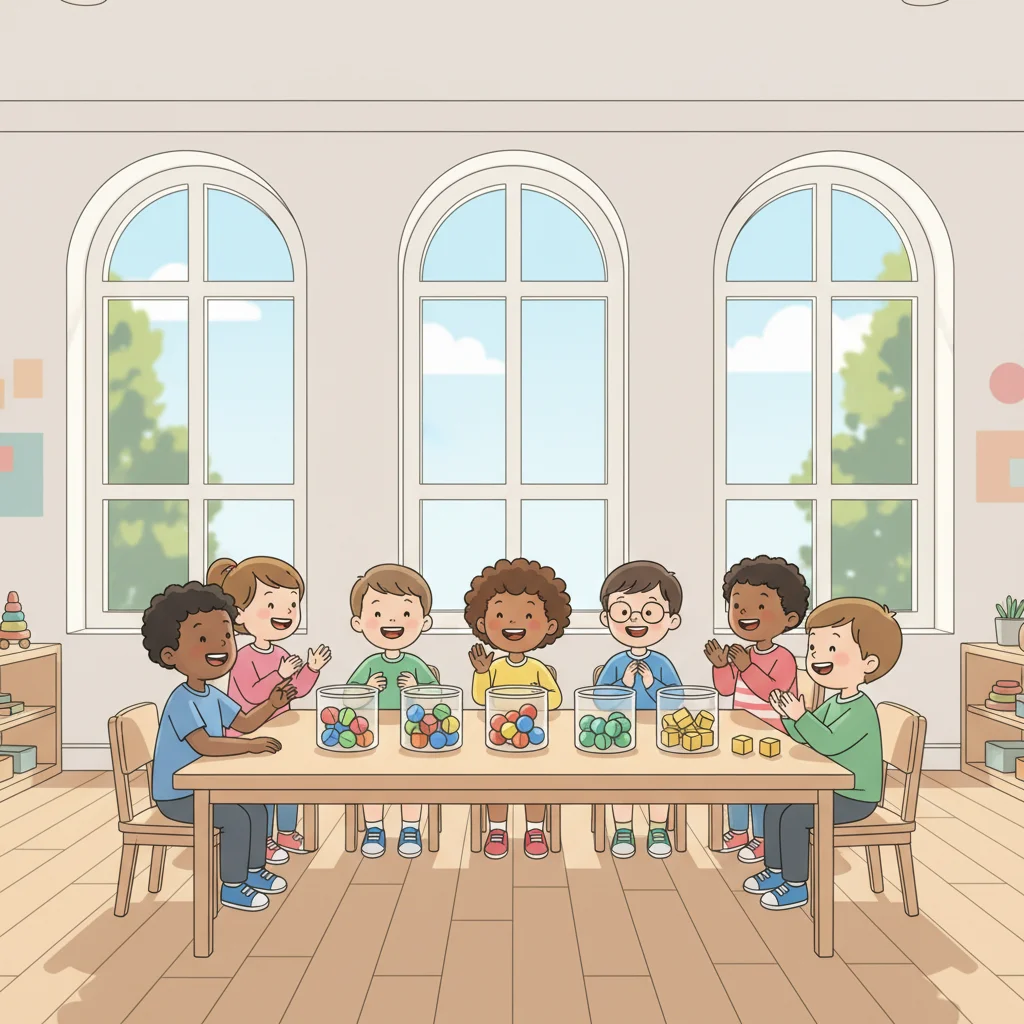
By the end of this lesson, children will understand that objects can be grouped based on shared attributes and be able to sort collections while describing their reasoning.
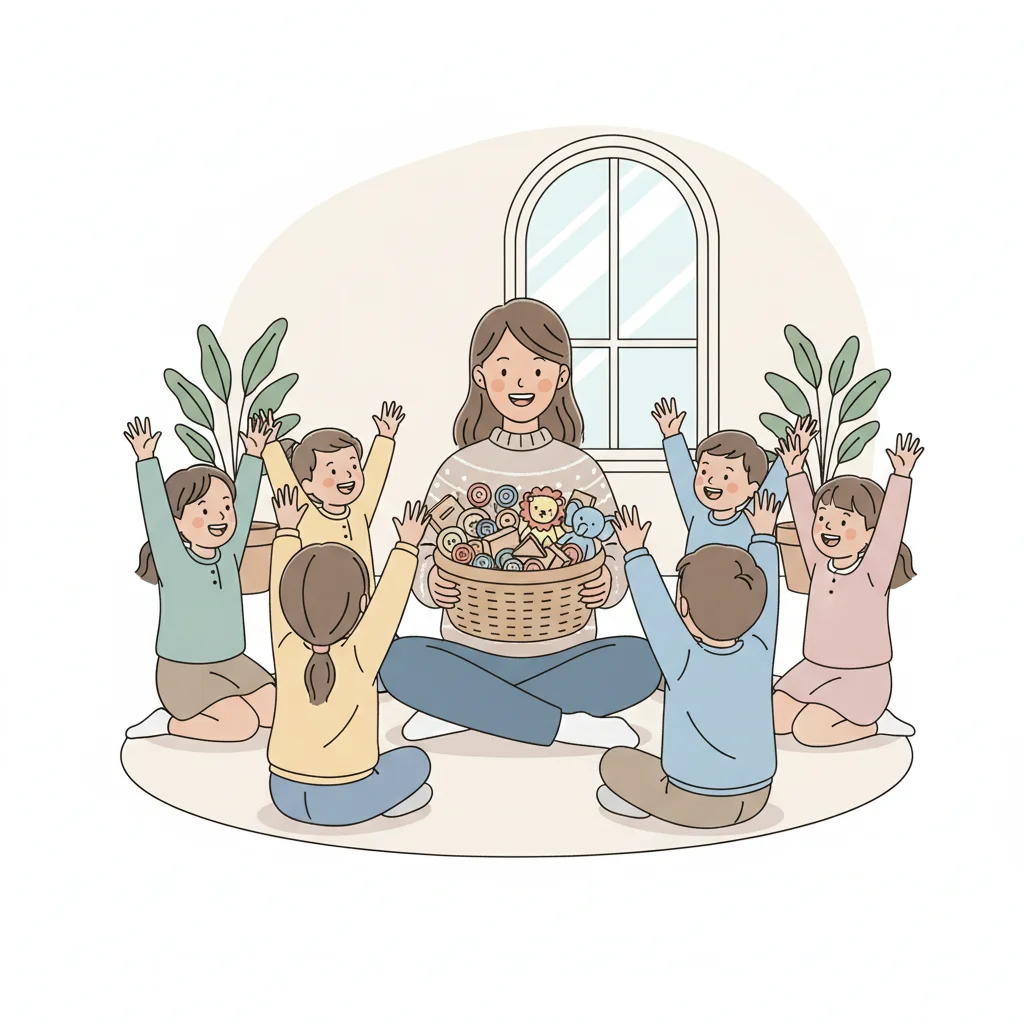
Warm-up Activity
Gather children in circle with mixed object basket Ask: 'What do you see? How many colours?' Children pick objects and name colours/sizes Link to storytelling with 'The Very Hungry Caterpillar'
Success Criteria
{"left":"Children can group objects by a specified attribute with support\nChildren can name the attributes used for grouping","right":"Children can explain 'This group is all red toys'\nChildren can reflect on why grouping helps us understand math"}
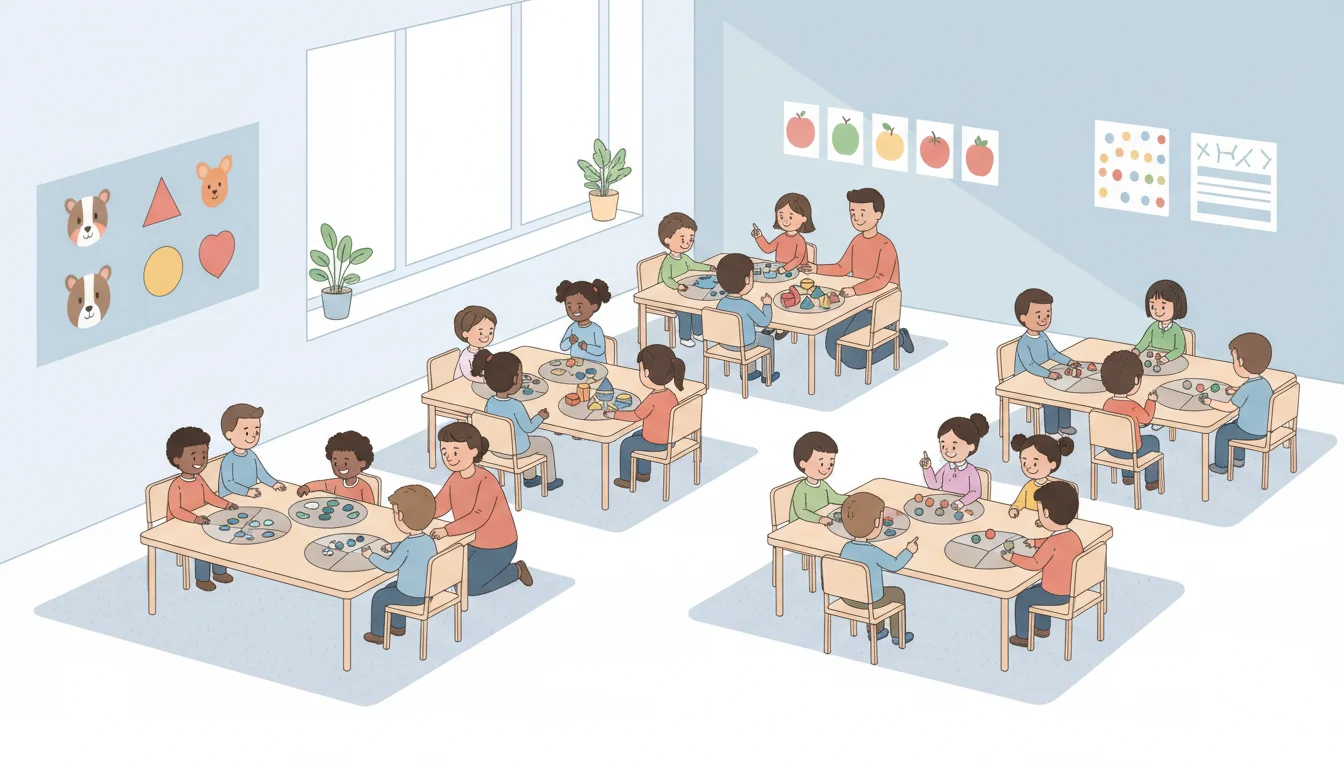
Exploration & Interactive Grouping
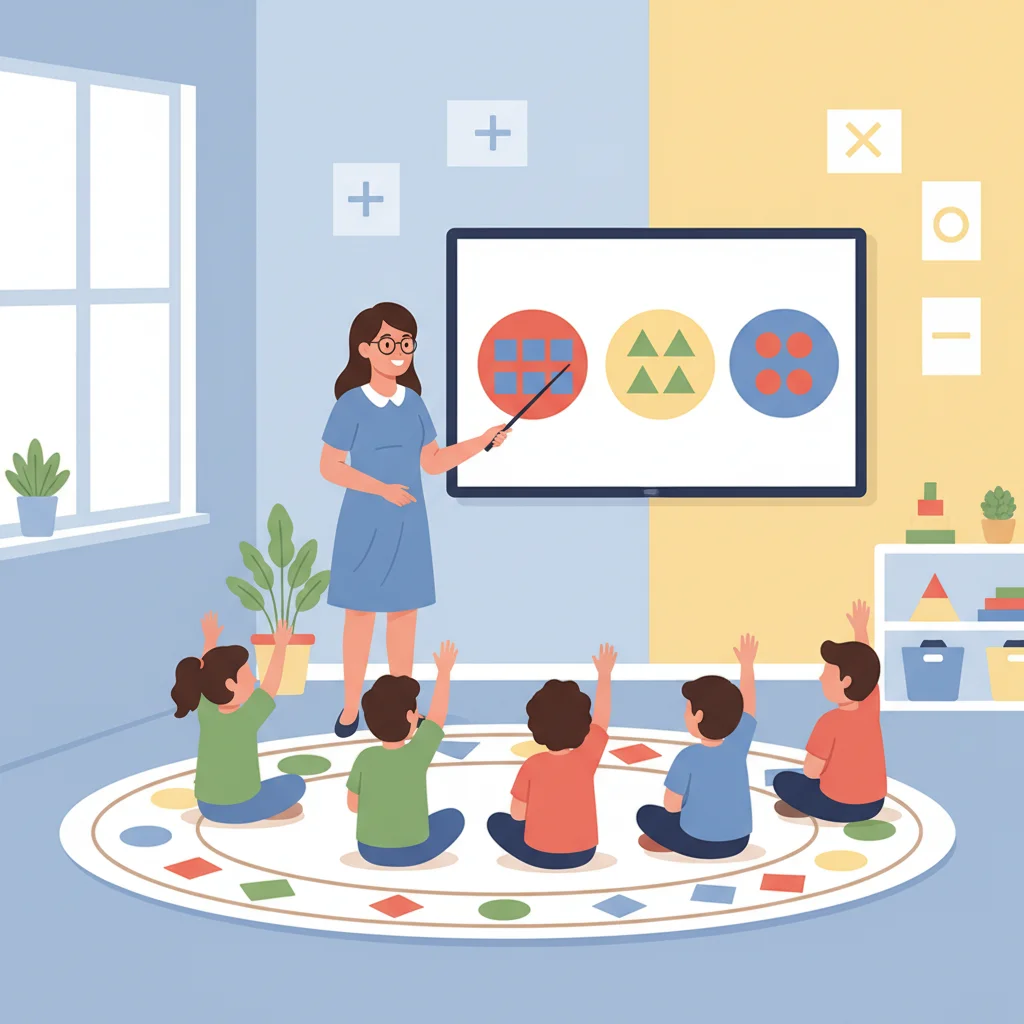
Reflection Questions
What groups did you make? Why did you put these objects together? How did grouping help you? Can you think of grouping in everyday life?
Assessment & Differentiation
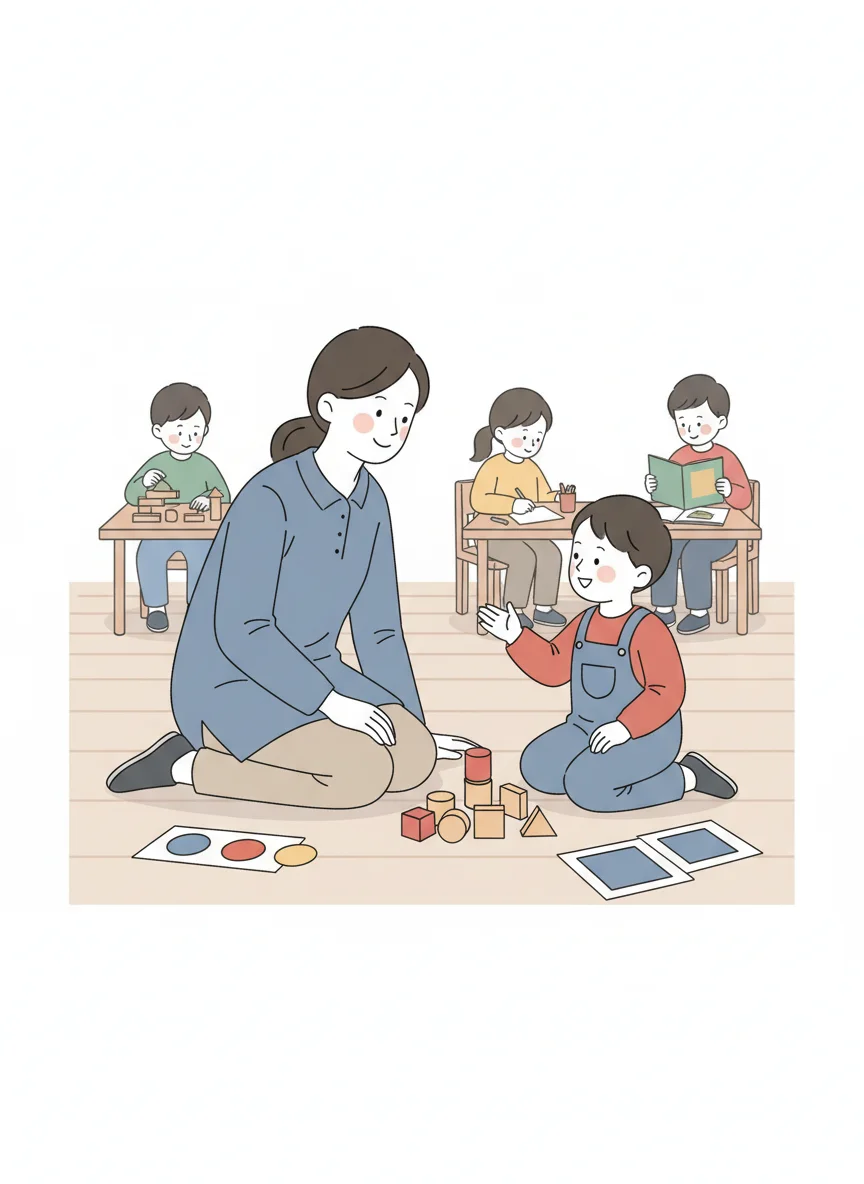
Monitor sorting ability and explanations Observe mathematical vocabulary use Support: Fewer objects, visual attribute cards Challenge: Two-attribute grouping, create own rules
Cross-Curricular Links & Next Steps
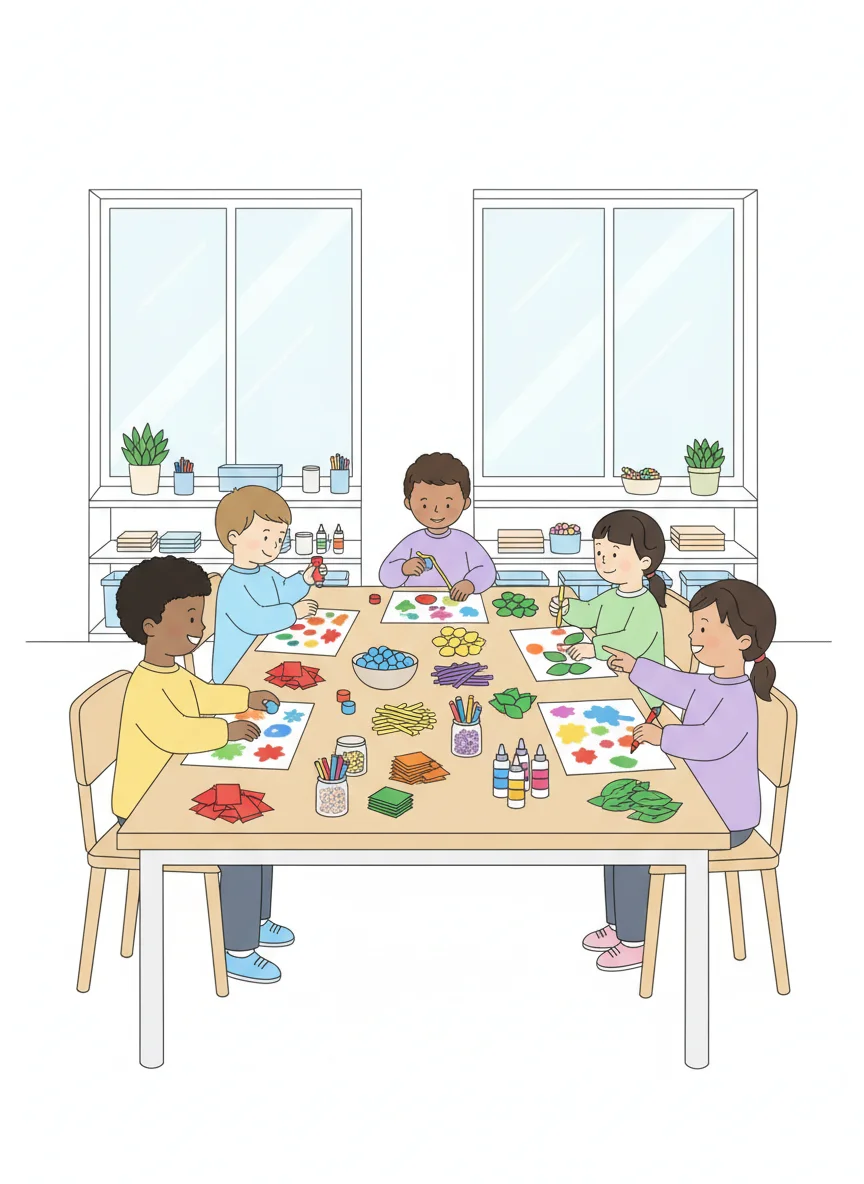
Literacy: Language development through discussion Personal Development: Collaboration and turn-taking Expressive Arts: Color and shape in future art activities Real-world connections to daily organization