
Iteration: Solving Problems Step by Step
Year 9 Mathematics Learning to solve problems through repeated procedures Cambridge IGCSE Mathematics

What We Are Learning Today (WALT)
WALT: Understand the concept of iteration and apply iterative methods WALT: Develop strategies to identify patterns through repeated calculations WALT: Work collaboratively to explain reasoning and critique approaches Success criteria: Define iteration, perform iterations correctly, describe patterns discovered
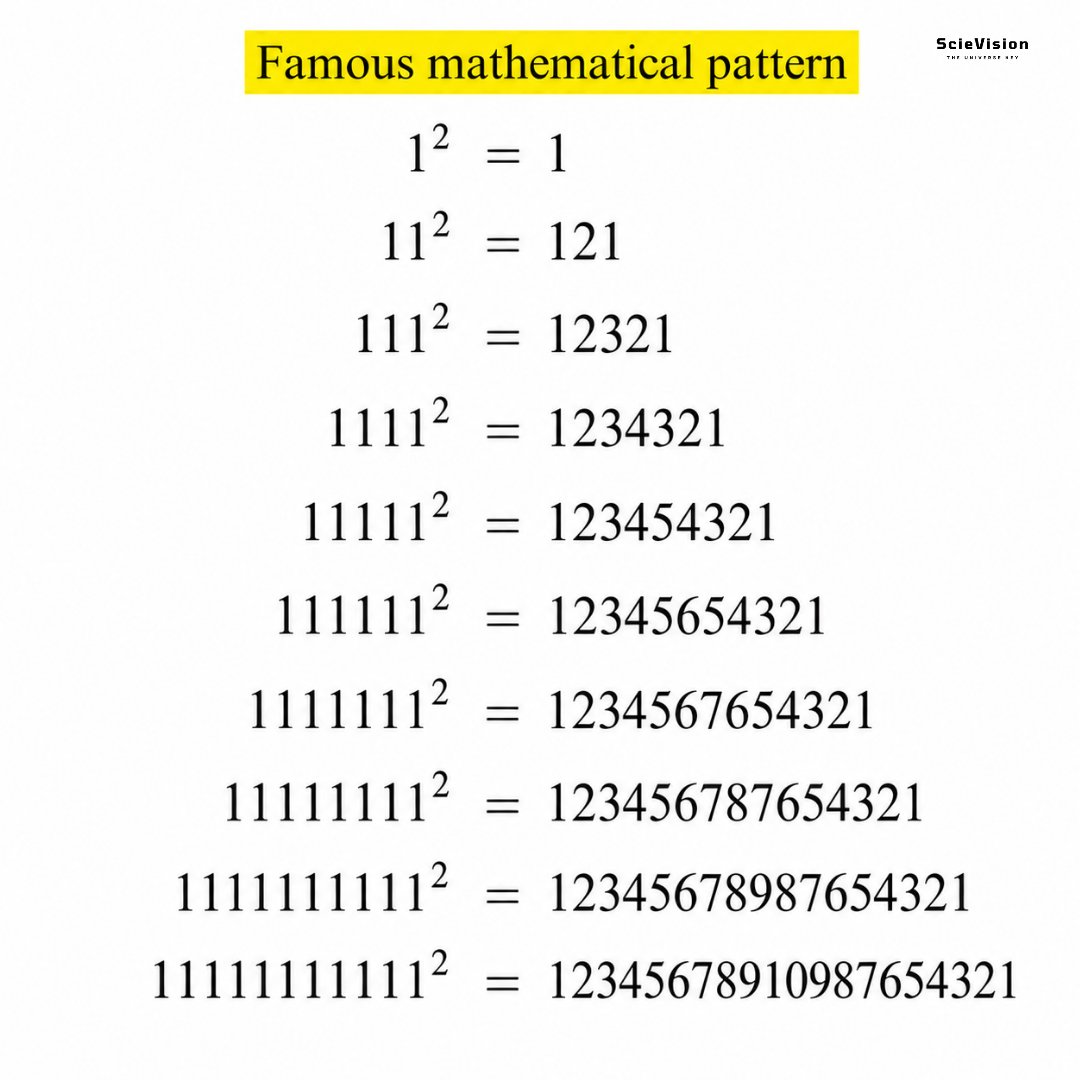
Think-Pair-Share Starter
Start with the number 2 Multiply by 2 and subtract 1 Repeat this process 5 times What pattern do you notice? Think (1 min) → Pair (2 min) → Share (2 min)
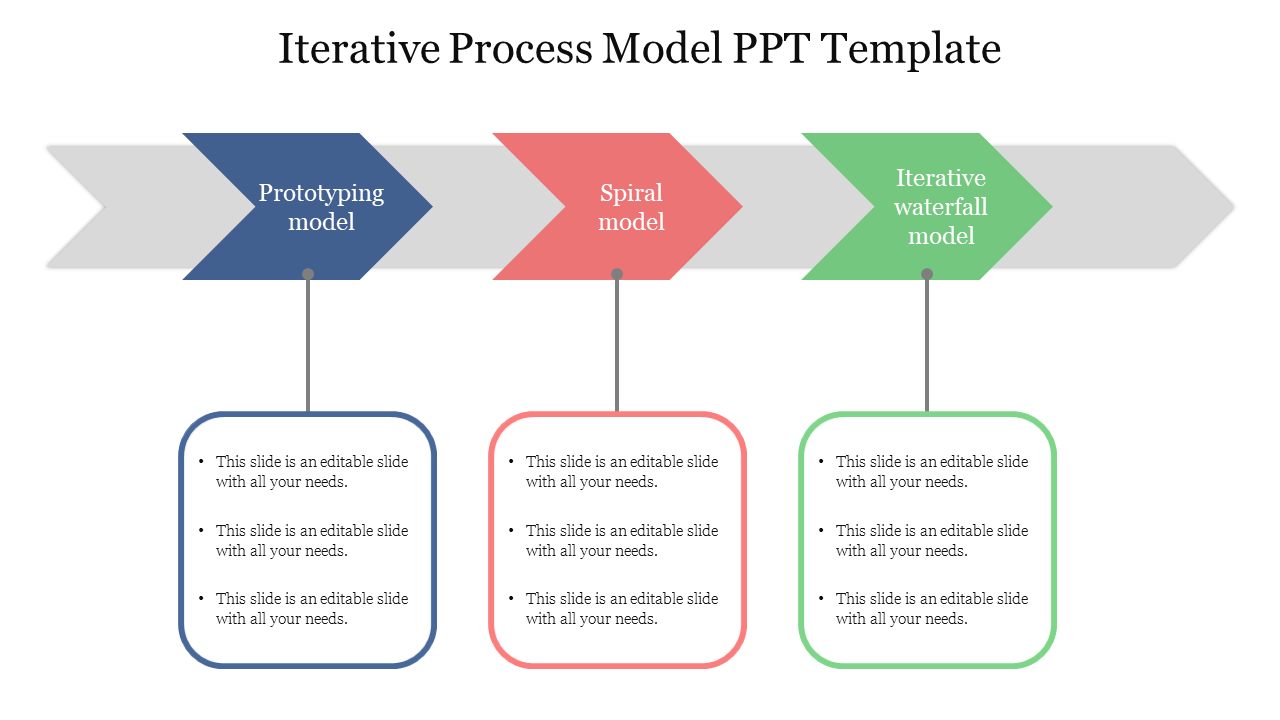
What is Iteration?
Iteration means repeating a process Use the output from one step as input for the next Helps us approximate solutions when exact answers are difficult Useful for solving equations and finding patterns Example: Finding square roots through repeated averaging

Iteration Example: Finding √2
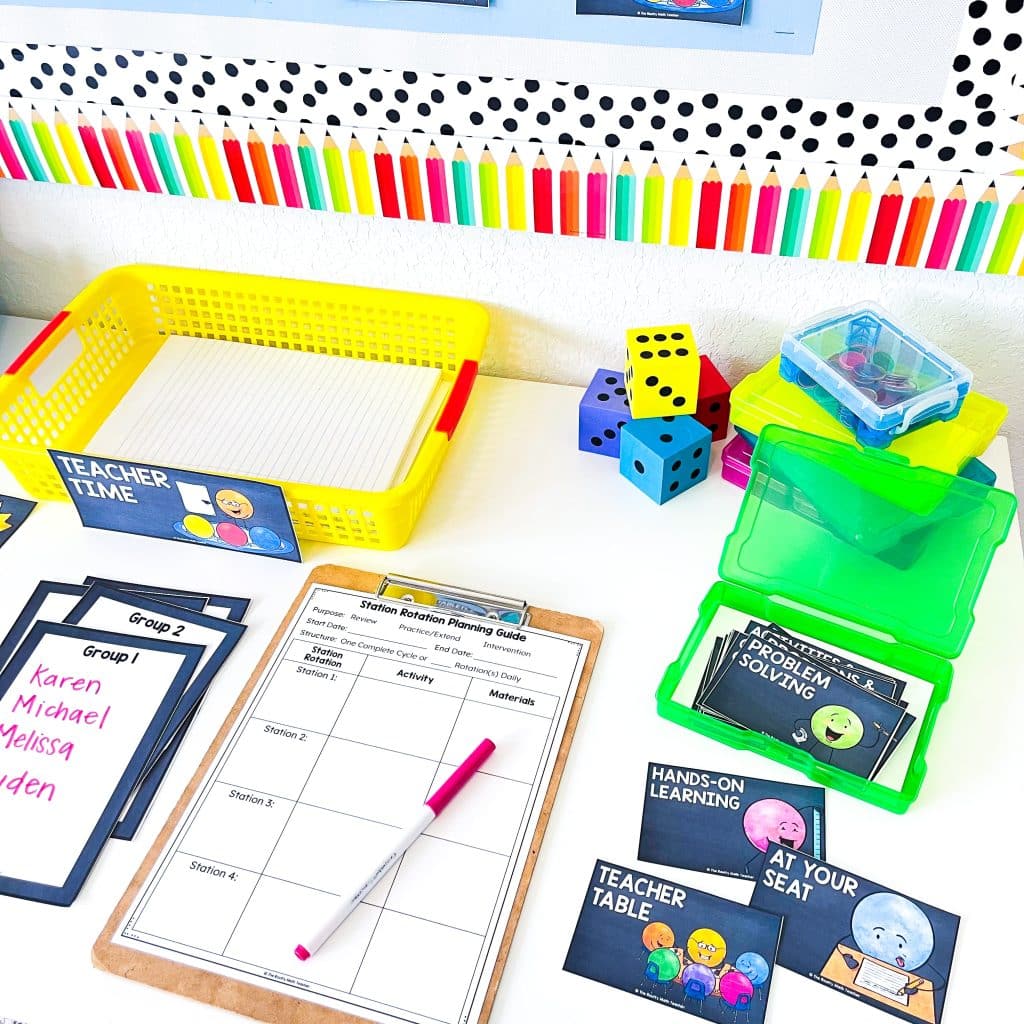
Hands-On Iteration Stations
Station 1: Numerical iteration with formulas Station 2: Pattern-finding with sequence cards Station 3: Real-life problems (bank interest) 7-8 minutes per station Record your findings and patterns Work collaboratively in groups of 4

Differentiation and Extension
{"left":"Support for all learners:\nStep-by-step guidance sheets\nCalculator support and formula sheets\nPeer tutoring within groups\nVisual aids and concrete examples","right":"Extension for advanced learners:\nInvestigate Newton-Raphson method\nDesign your own iterative formula\nResearch real-world iteration applications\nConsider error bounds and convergence speed"}

Reflection and Next Steps
What patterns did you discover in your iterations? How does iteration help solve practical problems? What challenges did you face with iterative methods? Where might you use iteration in real life? Exit ticket: Define iteration and give one example