
Language and Tension Analysis
GCSE English Language Paper 1, Question 2 Year 11 - 60 minutes Exploring Setting, Character, and Tension

Learning Objectives
Analyse how language and sentence structure create setting, character feelings, and tension Identify and explain writer's choice of words, phrases, and language techniques Evaluate how sentence forms and punctuation contribute to tone and pace Structure exam-style responses for GCSE Paper 1, Question 2

National Curriculum Links
Key Stage 4 Reading Comprehension Understand and analyse how language choices impact meaning, mood and atmosphere Use knowledge of language, form and structure to explore how writers shape meanings Develop insight into writers' craft through close analytical reading GCSE English Language Paper 1, Question 2 preparation
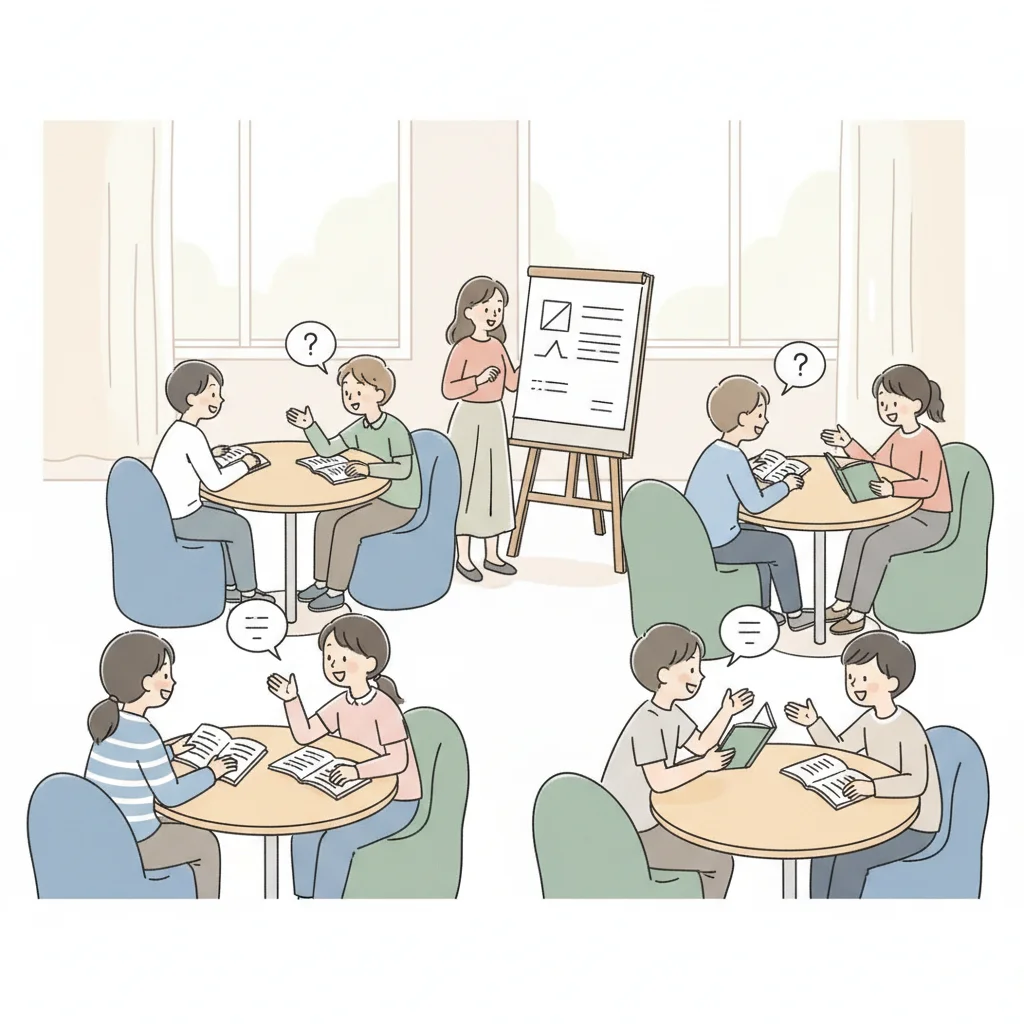
Starter Activity: First Impressions
Listen to the extract from 'Whispers in the Graveyard' (lines 1-18) Think-Pair-Share: What do you 'see', 'feel', and 'hear'? Discuss initial impressions of setting and mood Activate your vocabulary and imagery knowledge

Part 1: Exploring Setting (Lines 1-10)
Focus question: 'How does the writer use language to show the setting?' Key techniques to identify: Word choice, alliteration, auditory imagery Examples: 'rasping', 'whistling', 'branches whip' Sentence forms: Short sentences increase pace and tension Complete 'Language Detective' worksheet

Part 2: Character Feelings (Lines 10-18)
Focus question: 'How does the writer show the character's feelings through language?' Look for emotions: fear, desperation, confusion Key examples: 'hesitate', 'fear', 'frantically', 'blood on my hands' Techniques: repetition ('screaming and screaming'), emotive diction, imagery Sentence structure: long sentences disrupted by short, fragmented ones

Building Tension Through Language
How does the writer build tension using language in lines 1-10? Consider: repetition, harsh consonants, cumulative listing Think about: sensory details and sentence length variation Quick write: Draft 2-3 sentences in exam style

PEE Method Practice
Point: Make your analytical point clearly Evidence: Select specific quotes from the text Explanation: Explain the effect on the reader Practice with a partner using today's examples Focus on GCSE Paper 1, Question 2 structure
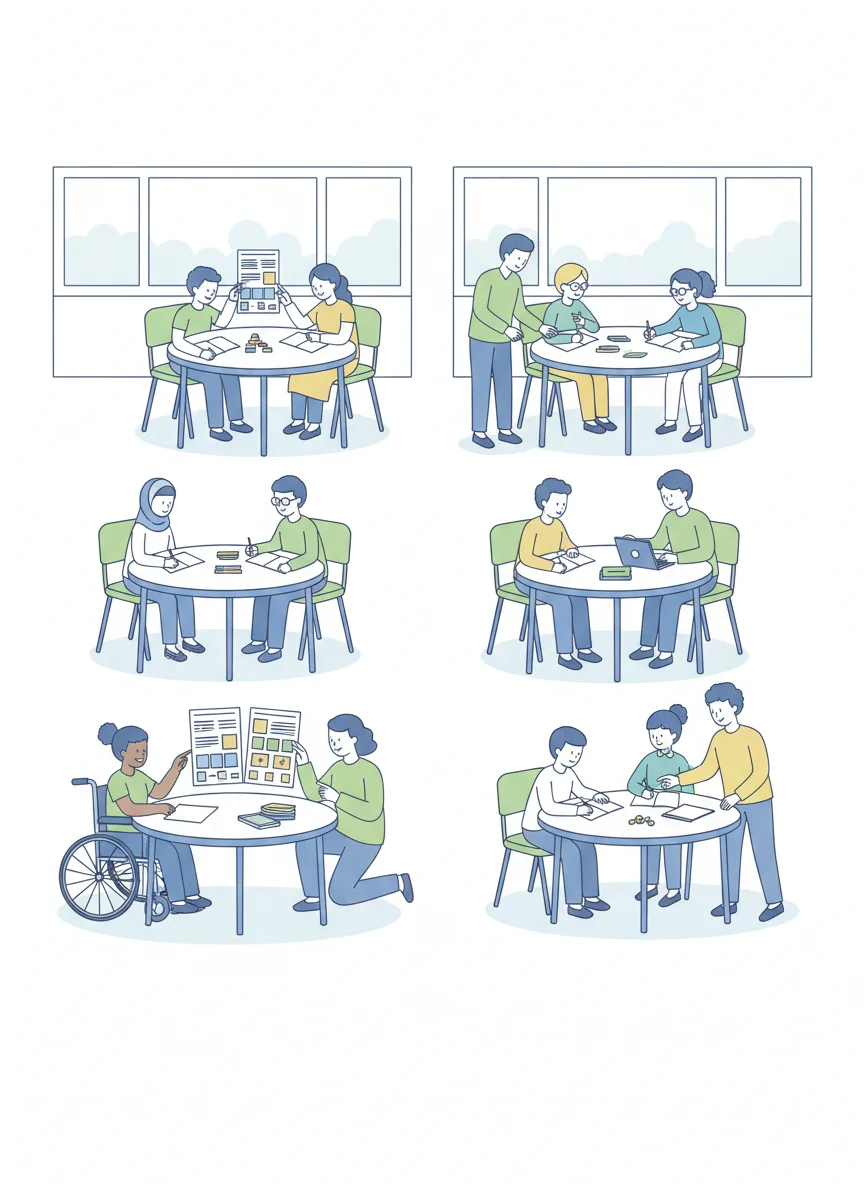
Assessment and Differentiation
Formative assessment through annotation and discussion Immediate verbal feedback during activities GCSE mark scheme descriptors guide our approach Support strategies: sentence starters for less confident writers Challenge: comment on implicit meanings and subtle techniques Homework: Full 8-mark Paper 1, Question 2 response

Plenary: Knowledge Check
Share one language technique you identified today Give one example from the text Explain one effect of that choice on the reader 'Language and structure work together to shape meaning and mood'