Linking Techniques to Writer's Meaning
Year 9 English Exploring how writers create meaning through language choices
Learning Objectives
To explore the meaning behind a writer's choice To understand how the writer's intention is reflected in choices made Success Criteria: I can identify specific word choices and explain their effects Success Criteria: I can link language techniques to the writer's purpose
Think-Pair-Share
Why don't you call your headteacher 'mate'? Discuss with your partner for 2 minutes Be ready to share your ideas with the class
Language and Relationships
'Mate' suggests equality and friendship Headteachers have authority and deserve respect Language choices show our attitude toward others Writers use this same principle in their characters
Character Voice Analysis
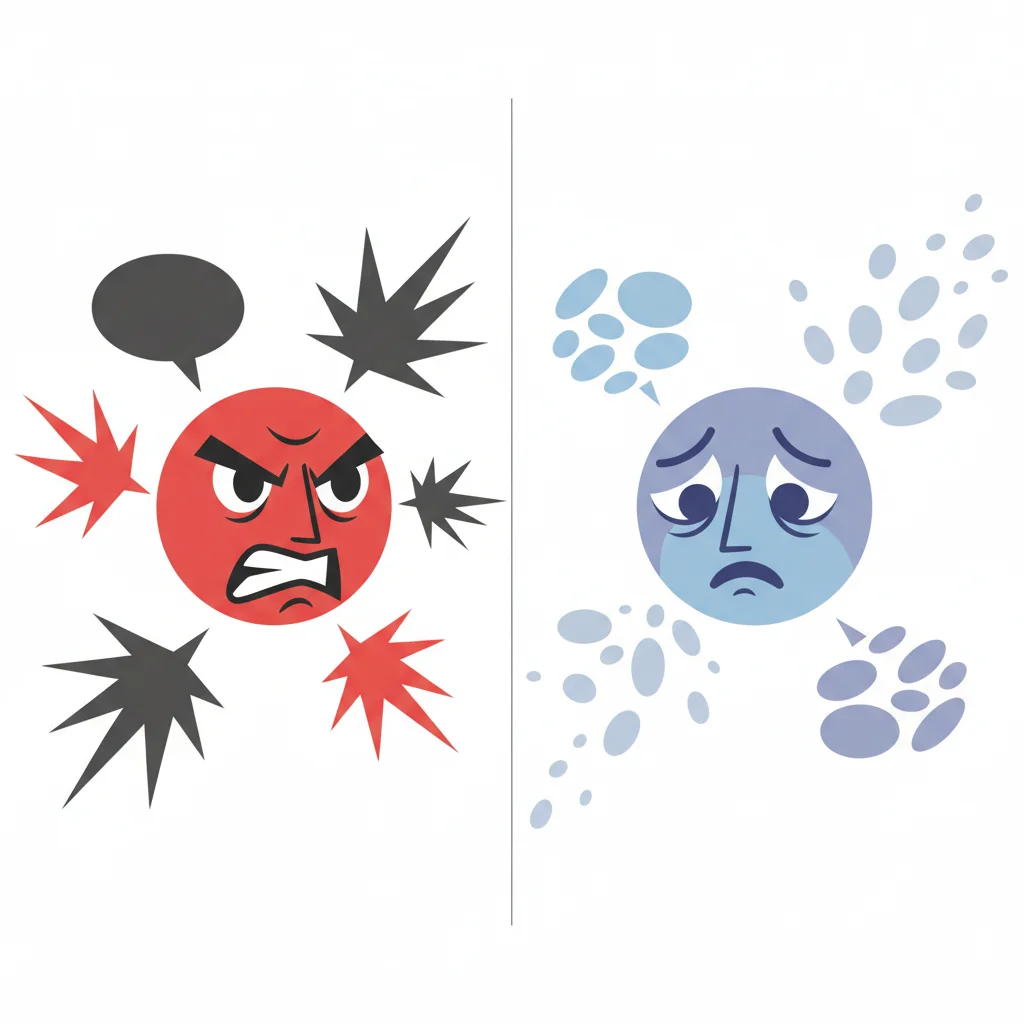
Read the dialogue extract Teacher: 'Oi, you snivelling toerag, get your lazy head off the desk. NOW!' Student: 'I'm... I'm... I'm really sorry, Mr Jones. I promise it won't happen again. I promise.' What techniques show us what each character thinks or feels?
Analyzing the Techniques
{"left":"Teacher's language: 'Oi' - informal/rude, 'snivelling toerag' - insulting, 'NOW!' - commanding","right":"Student's language: 'I'm... I'm...' - stammering/nervous, 'really sorry' - desperate, repetition shows fear"}
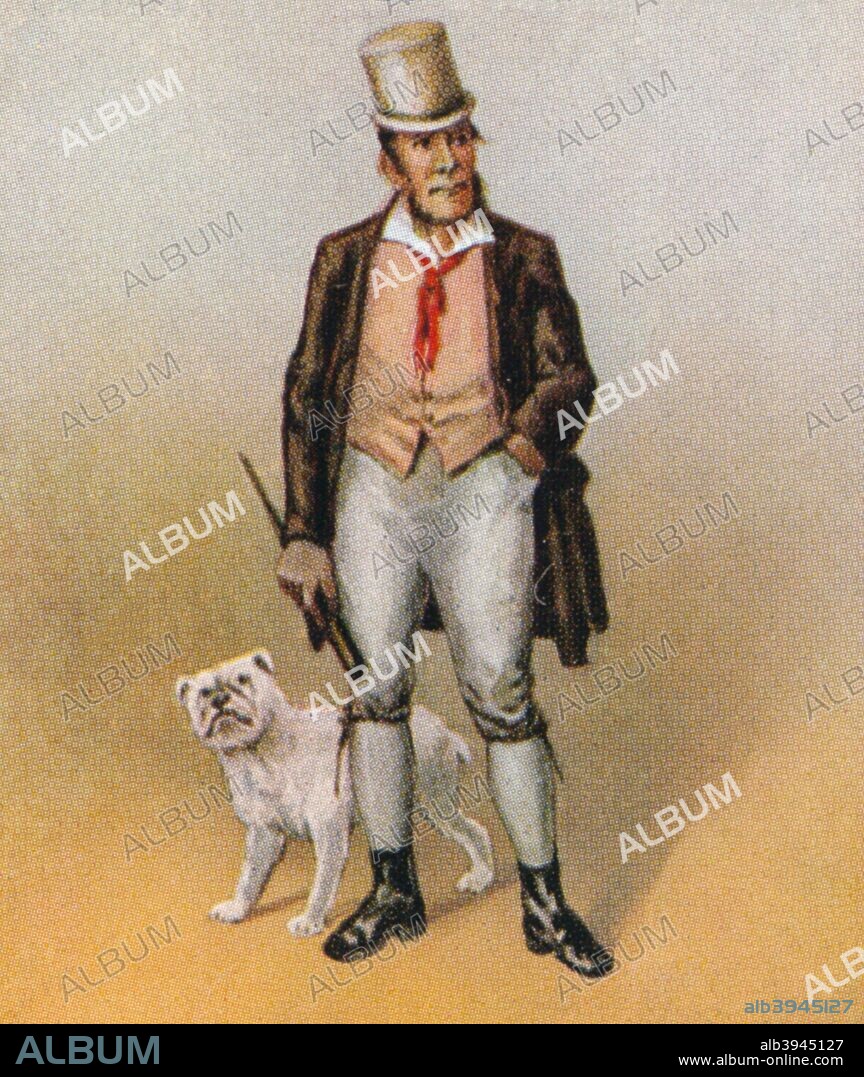
Dickens and Character Description
Charles Dickens wrote Oliver Twist in 1838 He created memorable villains through careful word choice Bill Sykes is described as: broad, dirty, stoutly-built, bulky Each word is chosen for a specific effect
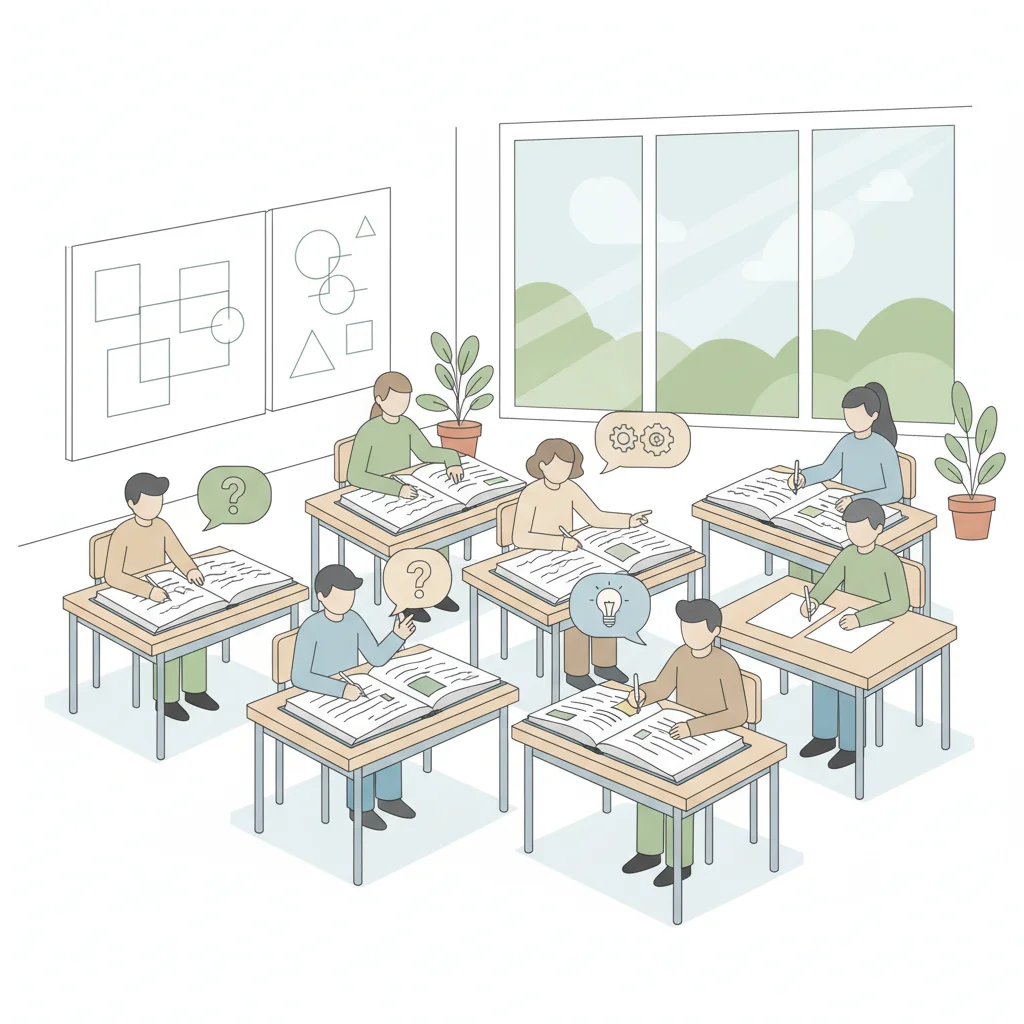
Word Choice Investigation
Complete Worksheet Activity 1 Choose 3 words from: broad, dirty, stoutly-built, bulky, growled, scowled For each word, explain: What it means, What alternatives Dickens could have used, How it shows Sykes is a villain
Exploring Alternatives
'Broad' vs 'thin' - suggests physical threat 'Dirty' vs 'clean' - suggests moral corruption 'Growled' vs 'spoke' - suggests animal-like behavior Writers reject alternatives to create specific impressions
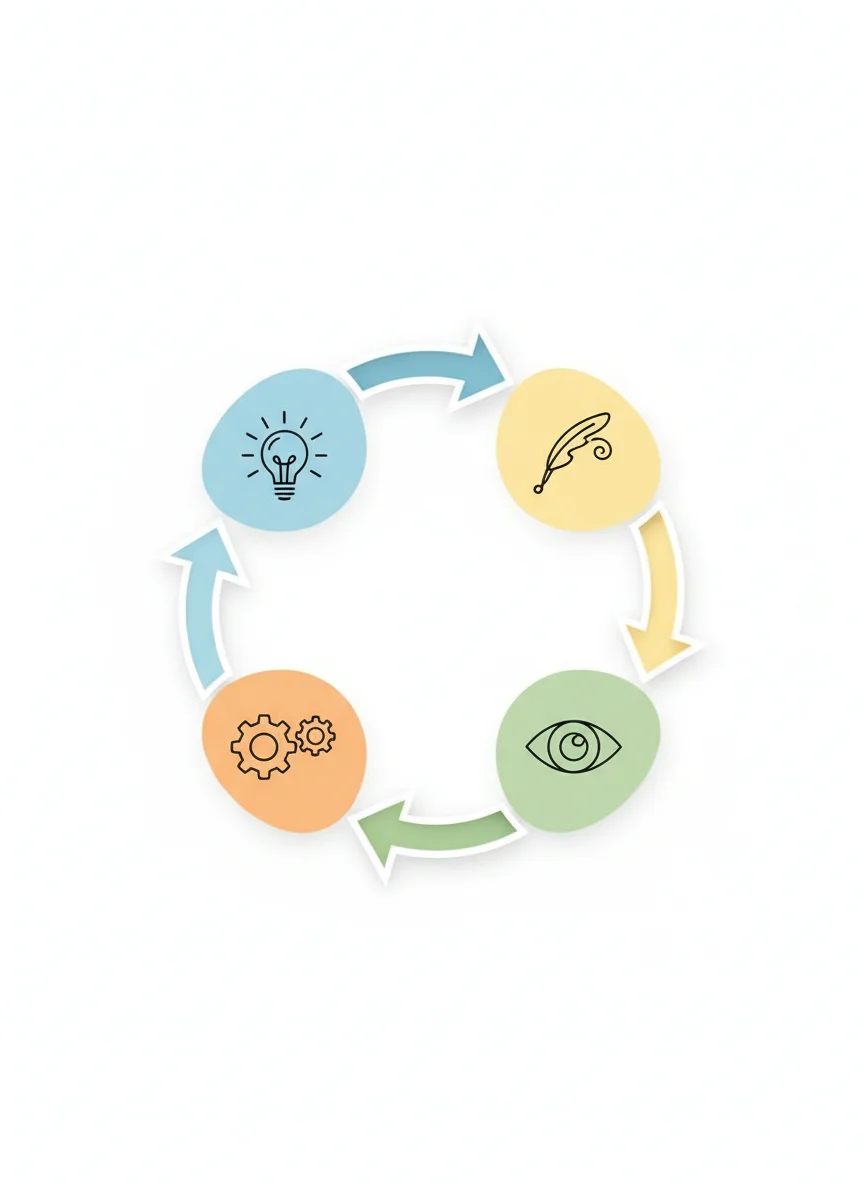
Linking Techniques to Meaning - Summary
Writers choose words deliberately, not randomly Every choice creates an effect on the reader We can analyze these choices to understand character and theme This skill is essential for GCSE Literature analysis