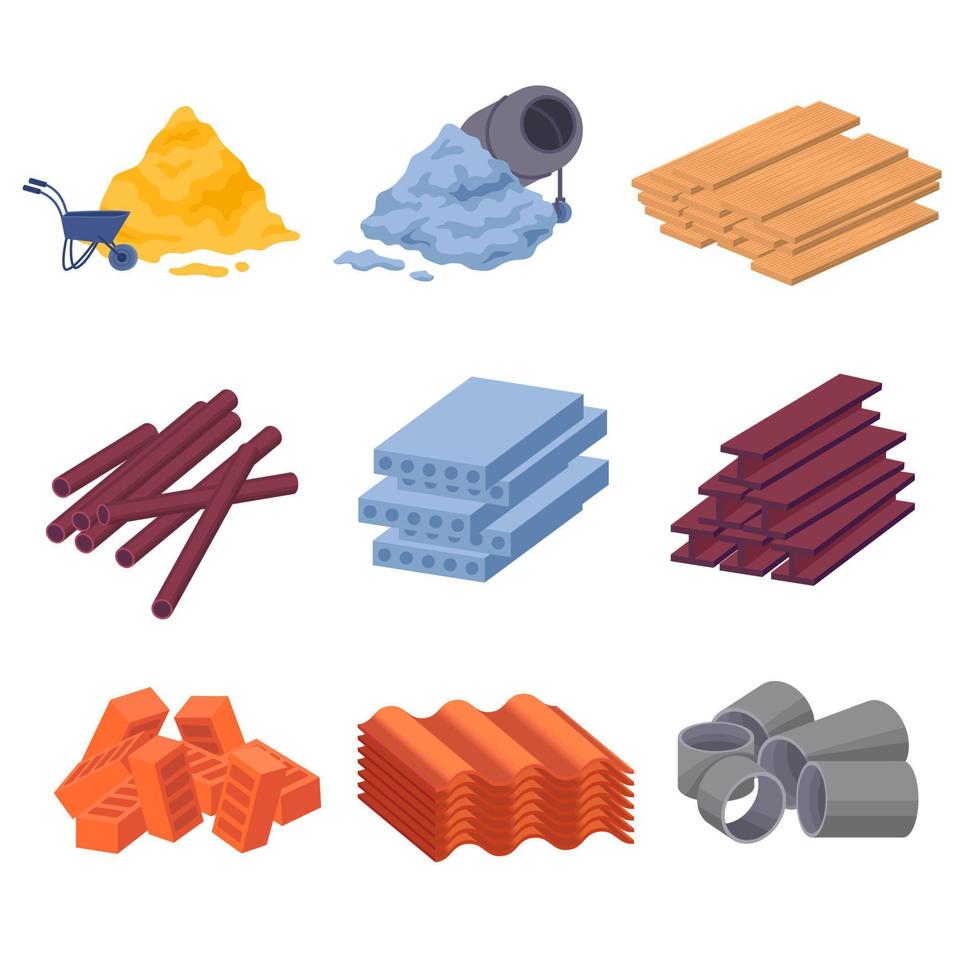
Materials and Their Building Properties
Year 5 Science Exploring everyday materials Discovering why materials are chosen for buildings
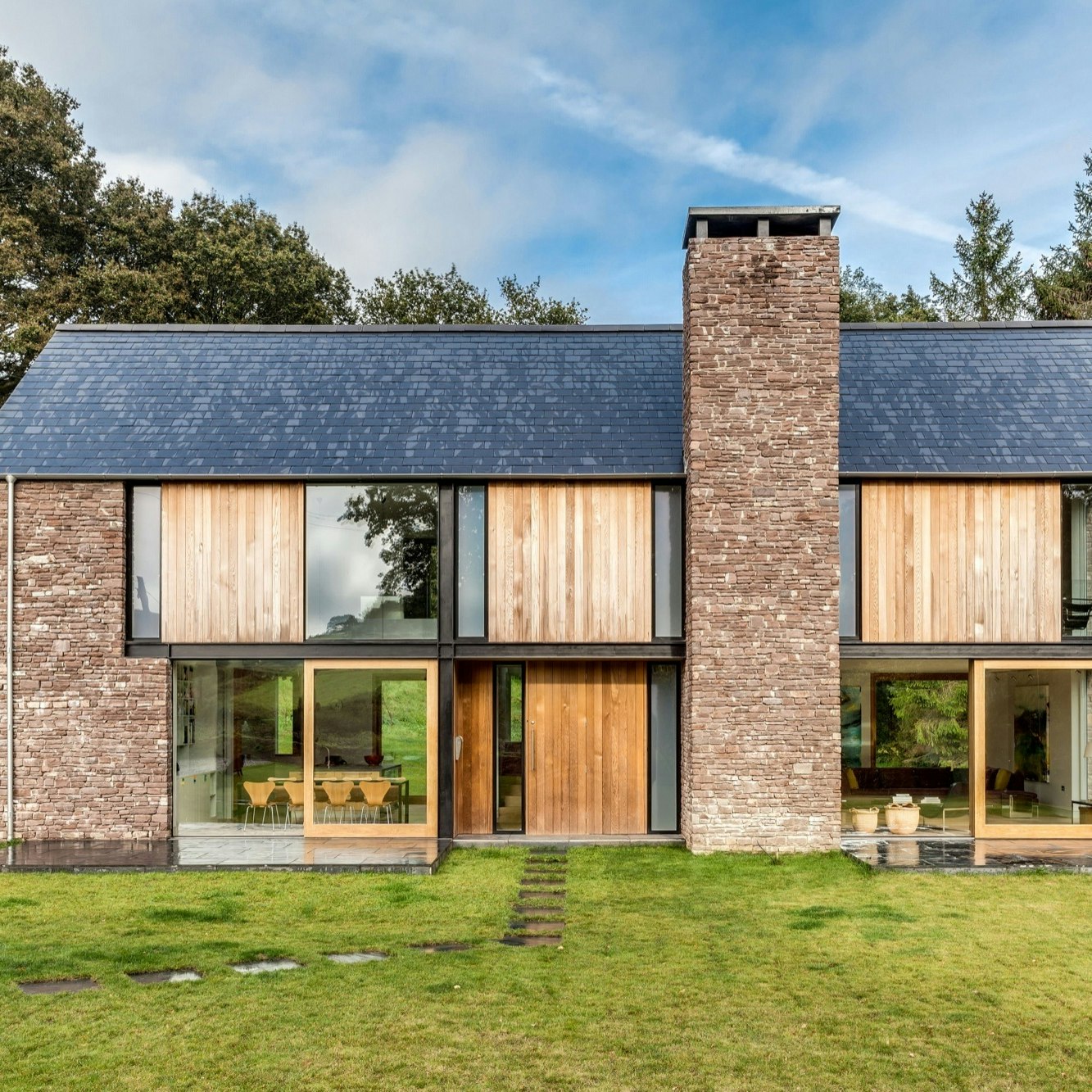
What Materials Can You See?
Look at the buildings around you What different materials do you notice? Why do you think these materials were chosen?

Material Properties We'll Investigate
Hardness - Can it be scratched or dented? Transparency - Can you see through it? Magnetism - Does a magnet stick to it? Conductivity - Does it conduct heat or electricity?

Hands-On Investigation Time!
Work in pairs with material samples Test each property systematically Record your findings in the table Discuss what you observe with your partner

Grouping Our Materials
{"left":"Hard Materials: Brick, Glass, Metal\nSoft Materials: Fabric, Some plastics\nTransparent: Glass, Clear plastic","right":"Opaque: Brick, Wood, Metal\nMagnetic: Iron, Steel\nNon-magnetic: Wood, Glass, Plastic"}

Why These Properties Matter in Buildings
Bricks: Hard and strong for walls that last Glass: Transparent for windows to let light in Wood: Strong but workable for doors and frames Metal: Strong and conductive for pipes and roofing
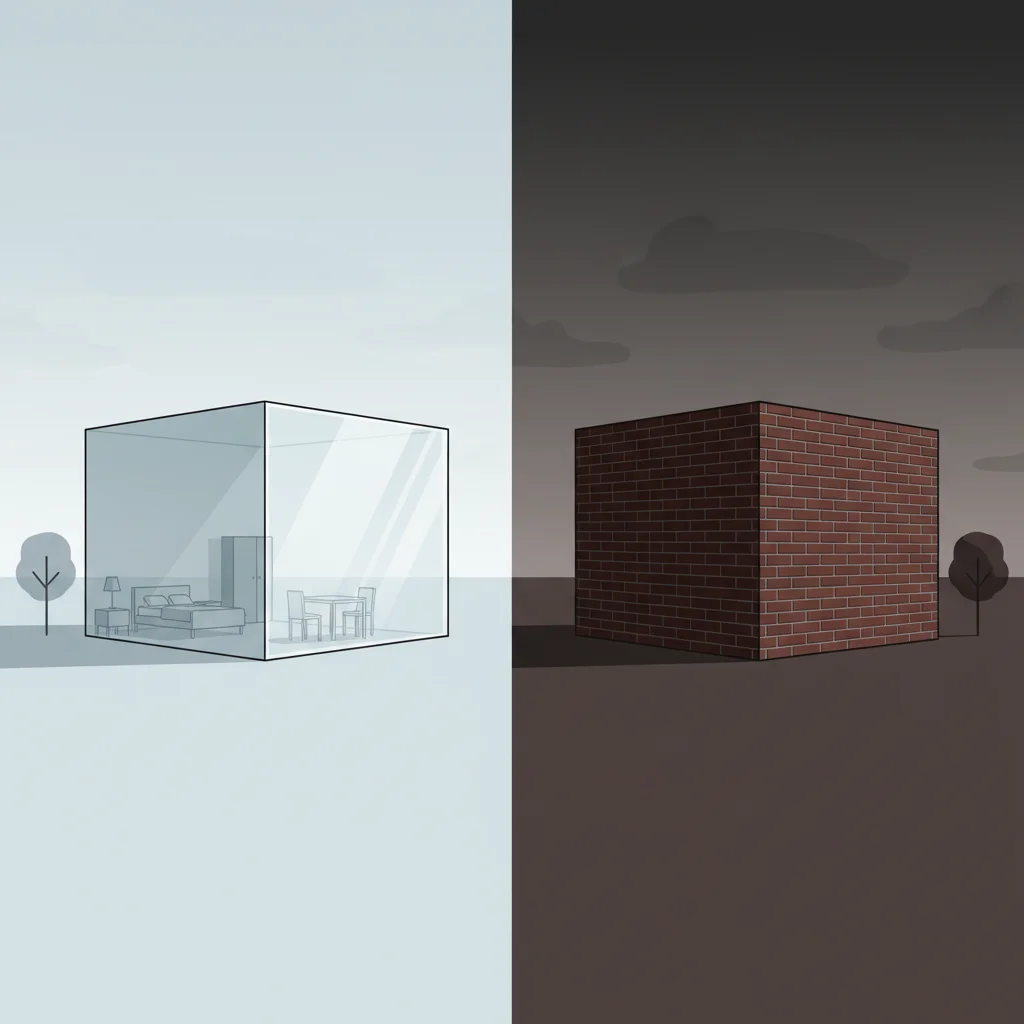
Think and Discuss
What would happen if we built walls from glass? Why don't we make windows from brick? Which property is most important for a roof? Can you think of other materials used in buildings?

What We've Learned Today
Materials have different properties we can test and observe Properties like hardness, transparency, and magnetism matter Builders choose materials based on their properties The right material for the right job makes buildings safe and functional