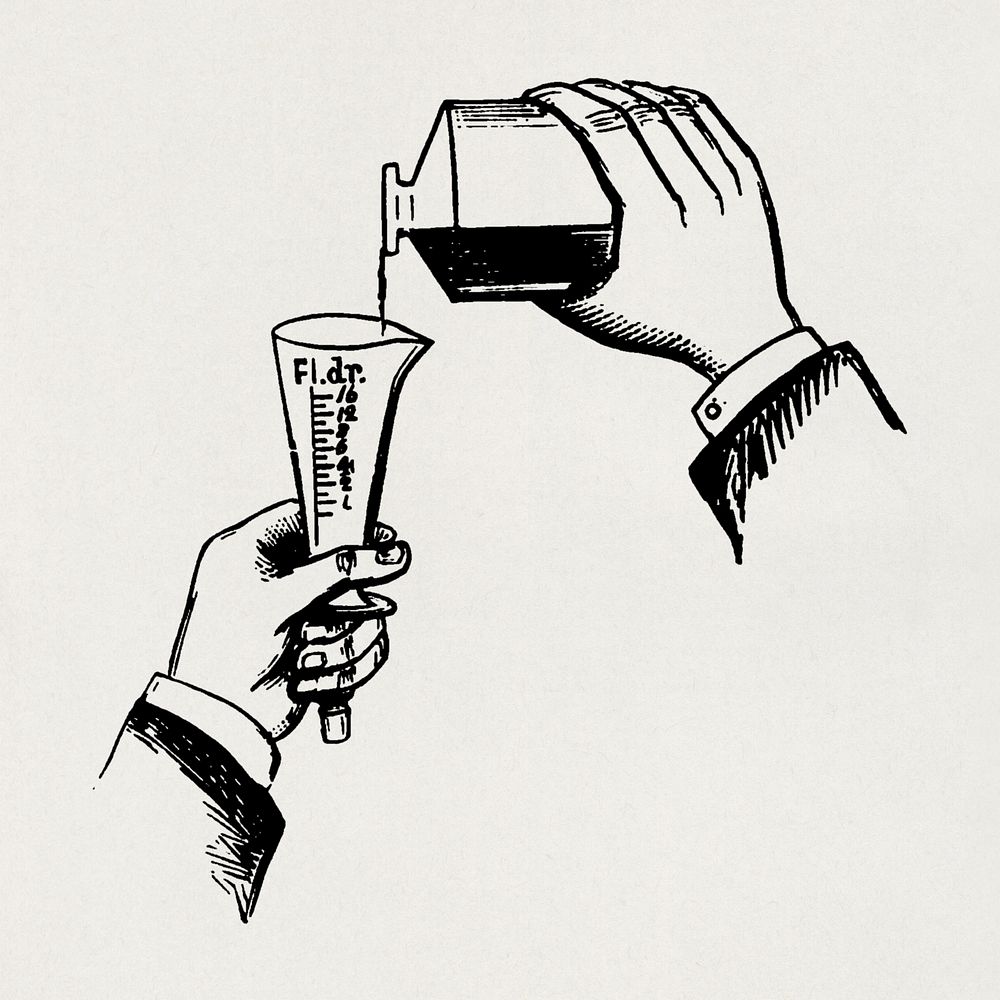
Measuring Capacity Accurately
Year 4 Mathematics Understanding litres and millilitres Learning to measure liquids precisely

Which Container Holds the Most?
Look at these everyday containers Make your prediction What makes you think that? We'll find out by measuring!
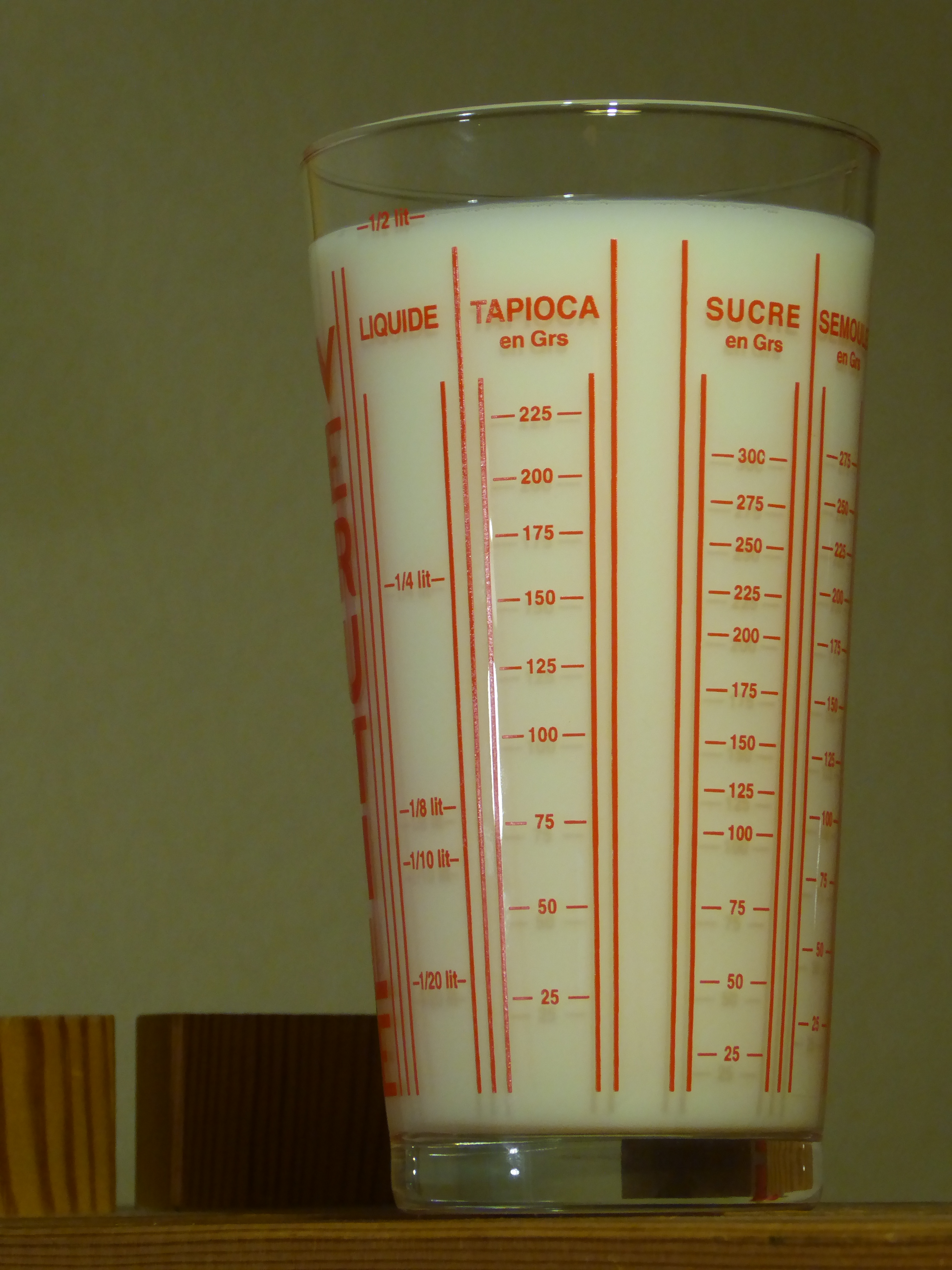
Units of Capacity
Millilitres (ml) - for small amounts Litres (l) - for larger amounts 1 litre = 1000 millilitres Choose the right unit for the job!

Reading the Meniscus
Water curves at the edges - this is the meniscus Read at eye level for accuracy Look at the bottom of the curve This gives us the true measurement

Teacher Demonstration
Watch carefully as I measure Notice how I hold the jug at eye level See how I read the meniscus What measurement do you see?

Guided Practice - Measuring Task
Work in pairs to measure containers Record your findings in the table Remember to read at eye level Choose ml or litres for each container
Comparing Capacities
{"left":"The juice carton holds 1.5 litres\nThe water bottle holds 500ml\n1.5 litres = 1500ml","right":"The carton holds 3 times more than the bottle\nWe can compare by converting to the same units\nAlways explain your mathematical reasoning"}

Extension Challenge
Estimate the capacity of this unusual container Make your prediction first Then measure to check your estimate How close were you?

Reflection Questions
How confident are you with your measurements? What helps you measure accurately? When might you use these skills at home? What was tricky about today's learning?

Success Criteria Review
✓ I can choose ml or litres for different containers ✓ I can use a measuring jug accurately ✓ I can compare capacities using mathematical language ✓ I can explain my measuring process ✓ I can record measurements with correct units