Metallic Bonding and Metal Properties
WALT: Understand metallic structure and bonding Year 9 Chemistry 60 minutes

WALT and Success Criteria
WALT describe metals as giant lattices with delocalised electrons WALT explain how metallic bonding creates metal properties WALT draw and interpret metallic bonding diagrams WALT evaluate structure-property relationships

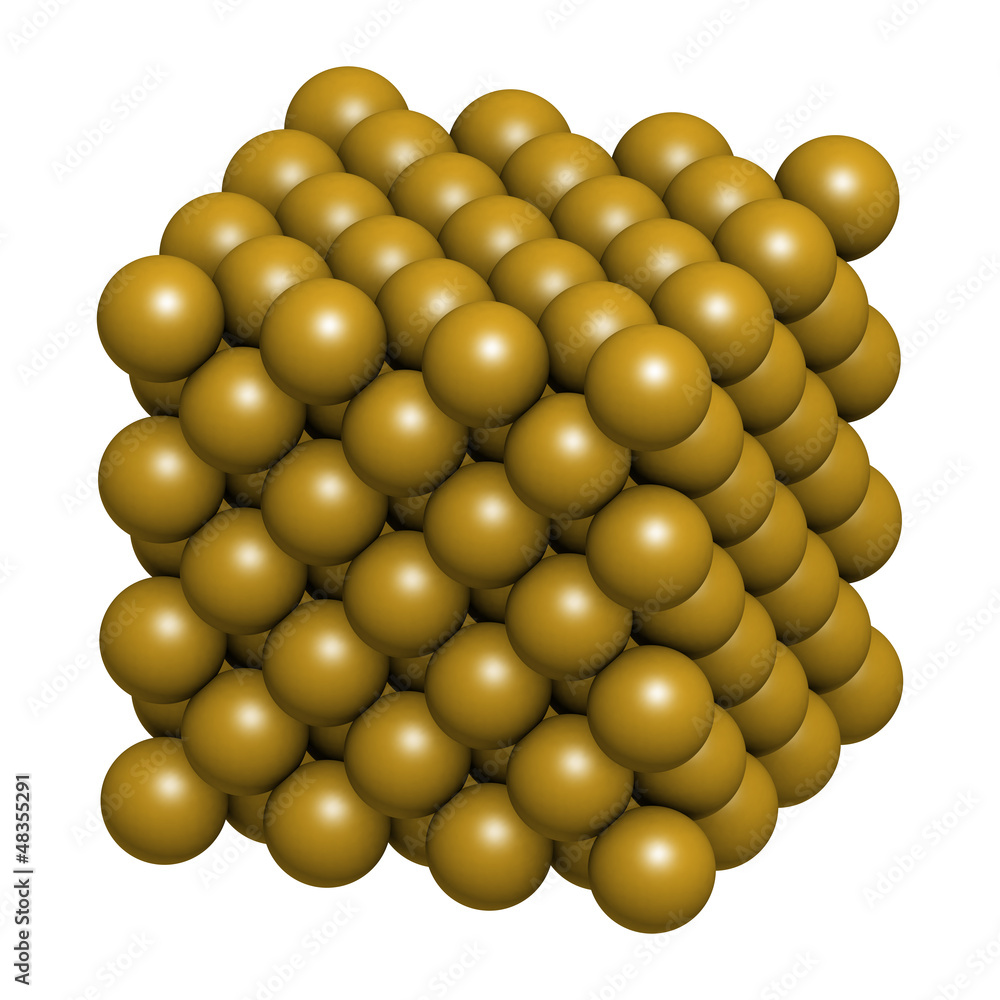
The Giant Metallic Lattice
:max_bytes(150000):strip_icc()/abstract-shape-made-of-metallic-spheres-rising-up-from-a-silver-tray-859619196-5b82ab8cc9e77c0057c91de3.jpg)
The Sea of Electrons
Metal atoms lose outer electrons easily Electrons become delocalised - free to move Forms a 'sea of electrons' around positive ions Electrons are not attached to specific atoms

Draw Metallic Bonding
Work in pairs with mini whiteboards Draw a metallic bonding diagram Label: positive ions, delocalised electrons, layers Include arrows showing electron movement
Structure Leads to Properties
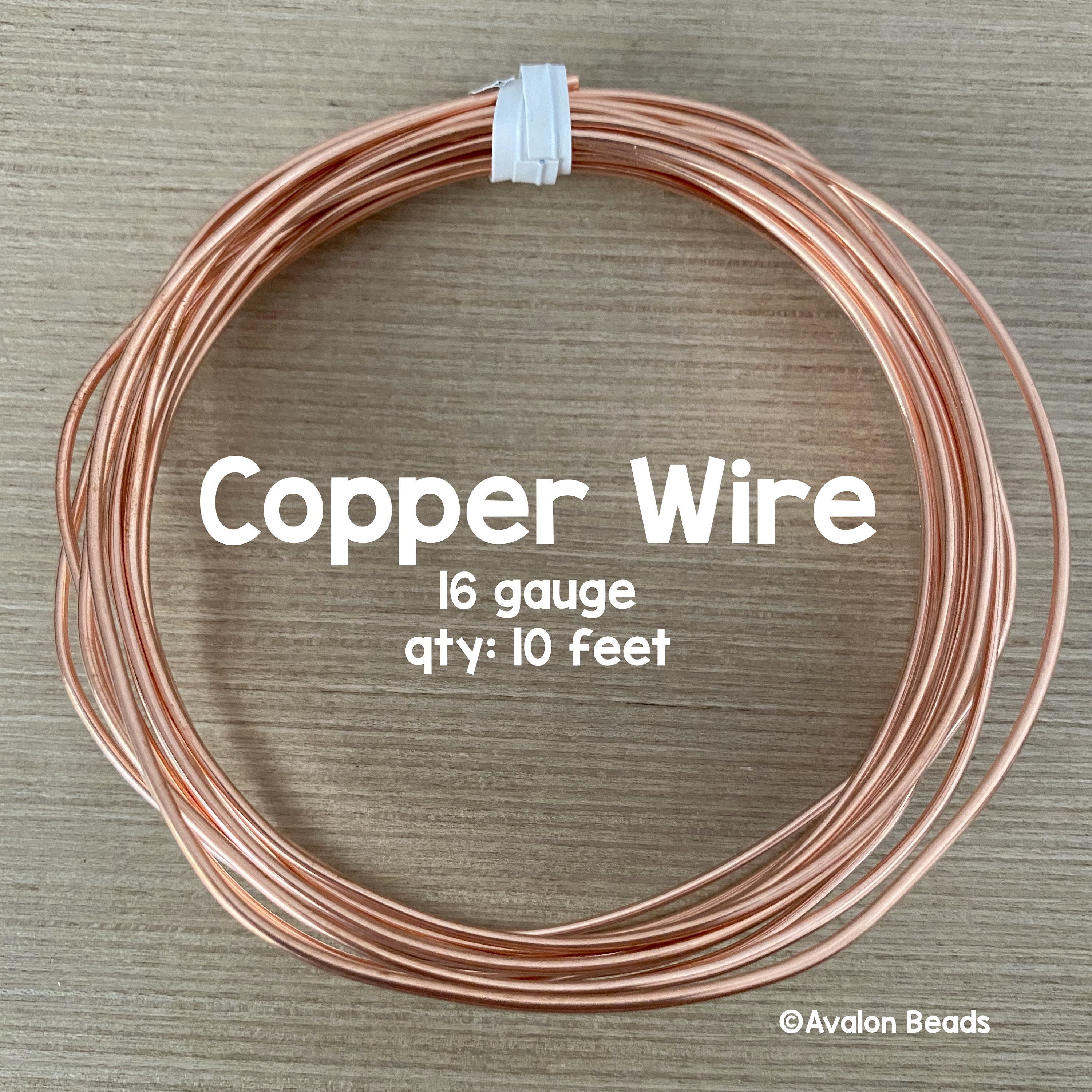
{"left":"Electrical conductivity - electrons free to move\nThermal conductivity - electrons transfer energy\nMalleability - layers can slide over each other","right":"Ductility - can be stretched into wires\nMetallic luster - electrons reflect light\nHigh melting points - strong electrostatic forces"}

Think-Pair-Share
Why can metals conduct electricity but ionic compounds cannot? Discuss with your partner for 2 minutes Be ready to share your explanation

Exam Success and Next Steps
Practice exam questions on metallic bonding Extension: Research everyday metal uses Homework: Create an illustrated poster Next lesson: Comparing bonding types