Network Types Explored
Year 9 Technology Understanding Computer Networks 60 minutes Learning Objectives: • Define and describe LAN and WAN networks • Compare LAN and WAN with real-life examples • Explain uses and advantages of LAN and WAN • Classify devices and scenarios by LAN and WAN network types
Lesson Overview & Objectives
Define and describe LAN, WAN, PAN, and MAN networks Compare network types with real-life examples Explain uses and advantages of each network type Classify devices and scenarios by network type

Curriculum Links
National Curriculum Computing Key Stage 3 Understanding computer networks and the internet OCR GCSE Computer Science (J277) Systems Architecture and Network Types
Starter: Network Brainstorm
What is a network? Where do you see networks in your daily life? Think about devices that connect to each other Share your ideas with the class
Local Area Network (LAN)
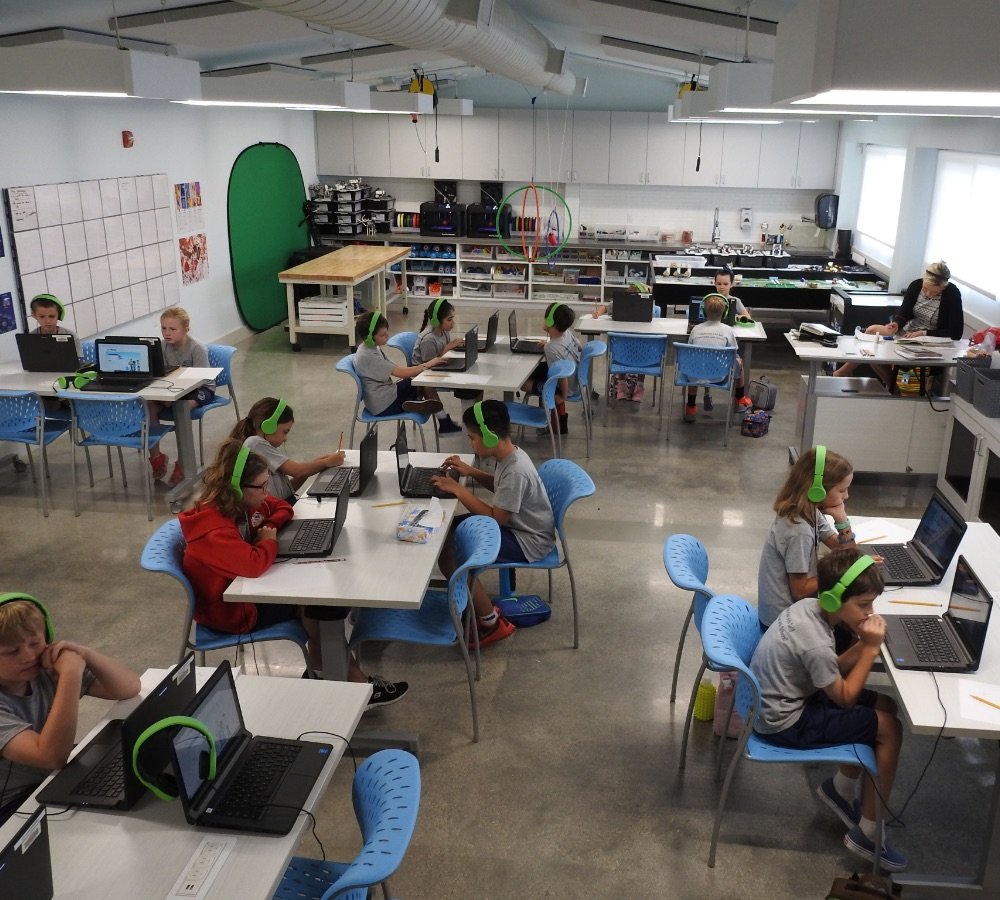
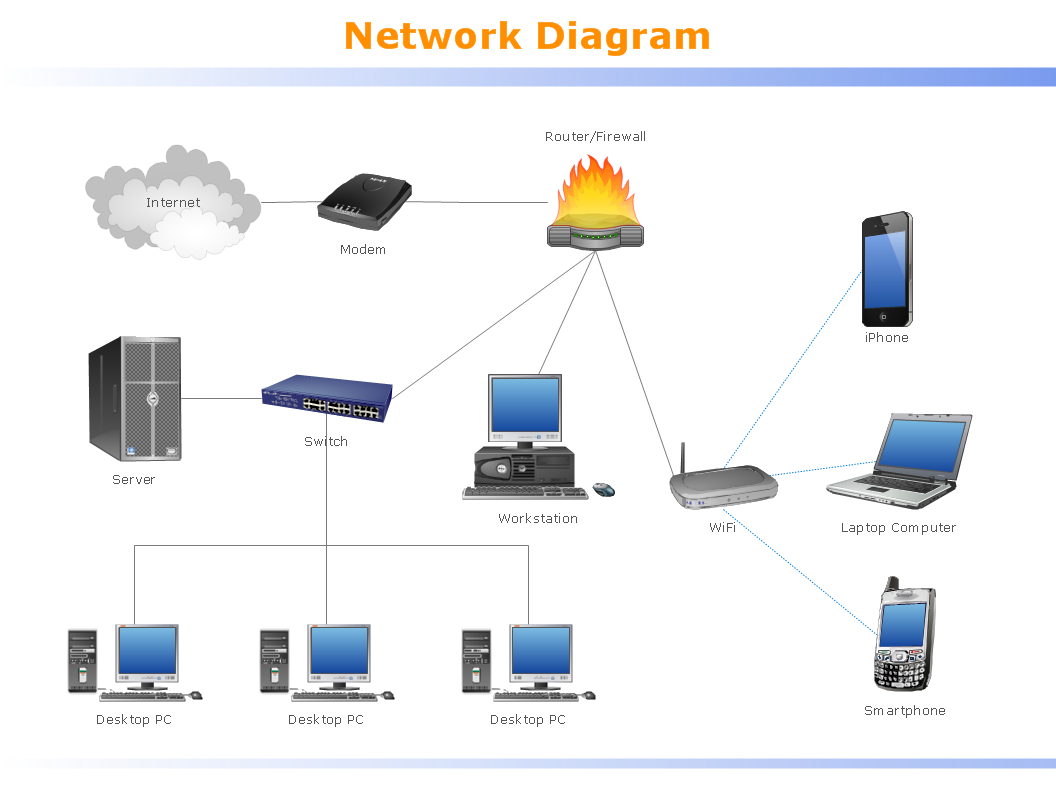
Network spread over a small geographical area Examples: School network, home WiFi Connects devices within one building or campus High speed, low latency connections

Wide Area Network (WAN)
Spans large geographical areas Connects multiple LANs together The Internet is the largest WAN Lower speed than LAN, higher latency

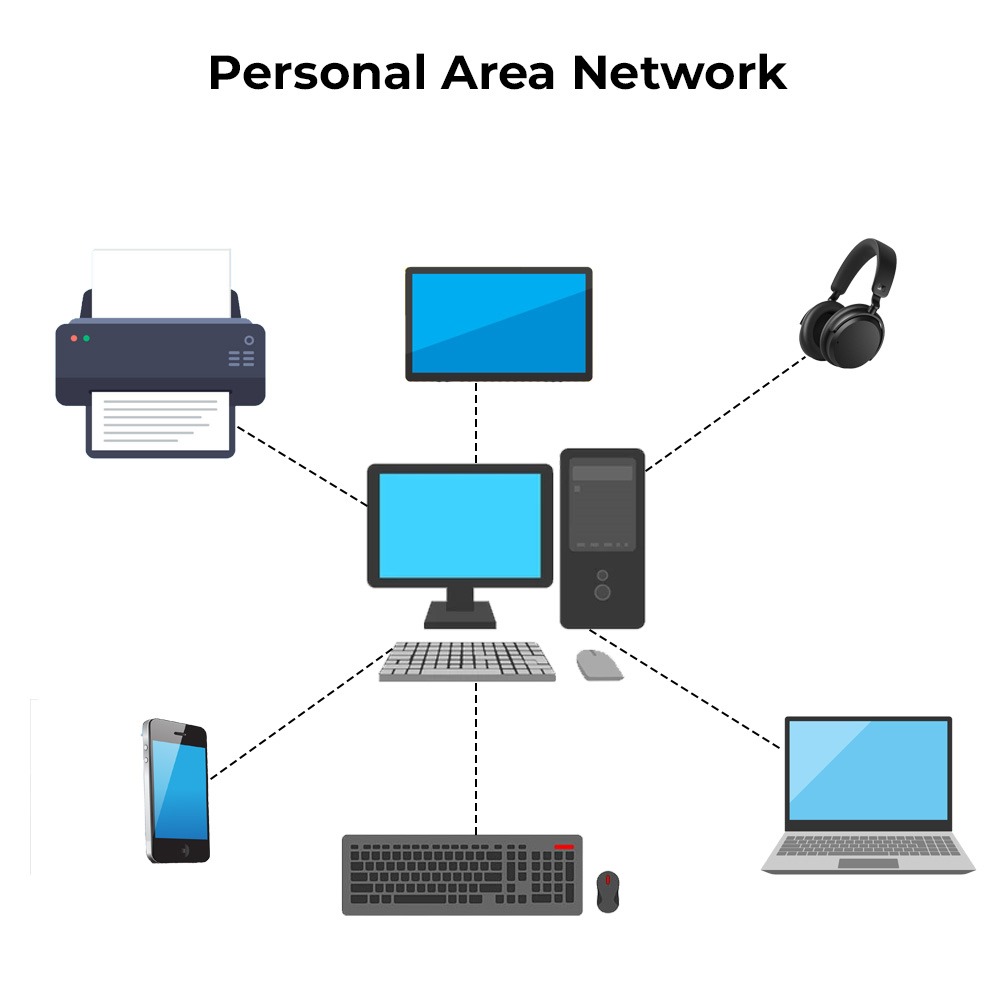
Personal Area Network (PAN)
Very short range connections Usually within a few meters Examples: Bluetooth headphones, smartwatch Connects personal devices together

Metropolitan Area Network (MAN)
Larger than LAN, smaller than WAN Covers a city or large town Example: City council connecting offices University campus networks

Collaborative Classification
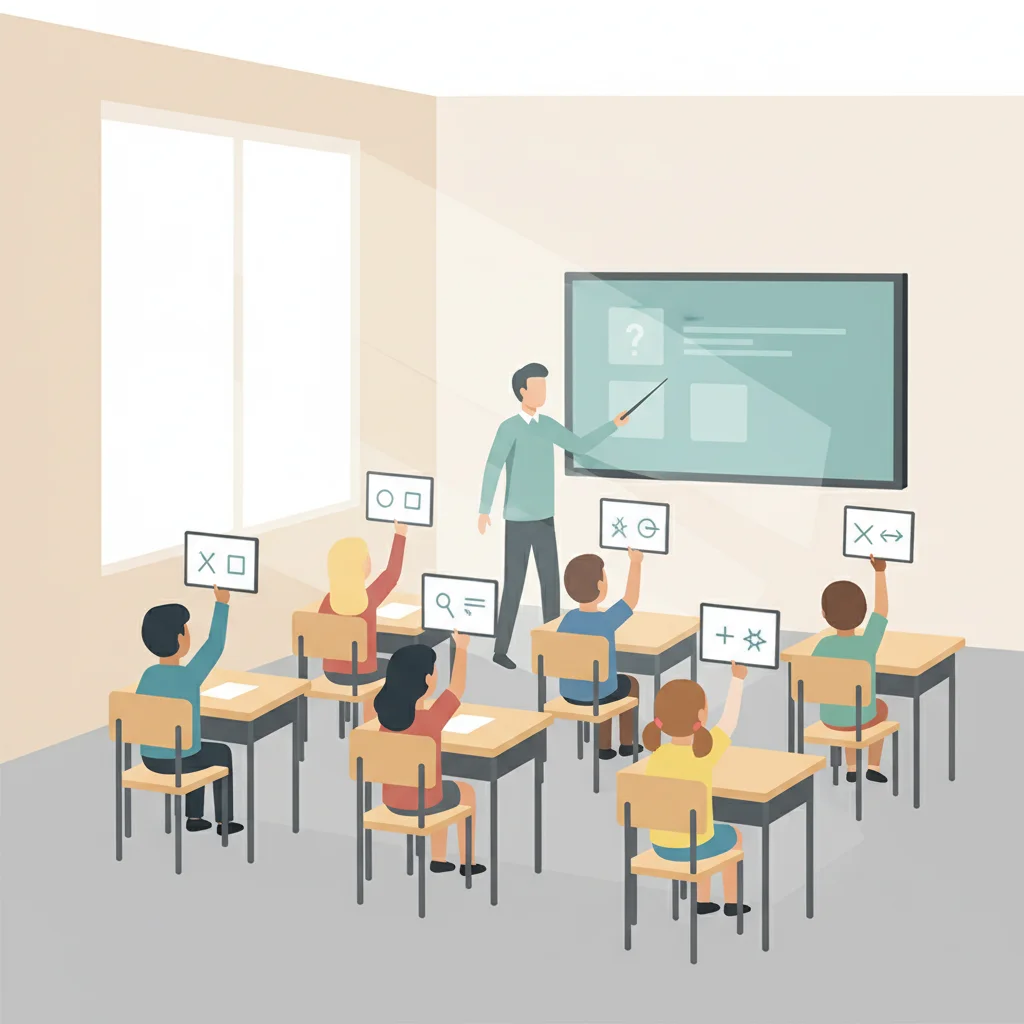
Work in pairs with scenario cards Classify each scenario as LAN, WAN, PAN, or MAN Discuss your reasoning Be ready to explain your choices

Create Your Network Poster
Design a poster showing all four network types Include definitions and examples Add advantages and limitations Be creative with your design
Quick Assessment Quiz
Which network type would your school use? Which network connects cities? What network type is Bluetooth? Name the largest network on Earth
Lesson Summary & Next Steps
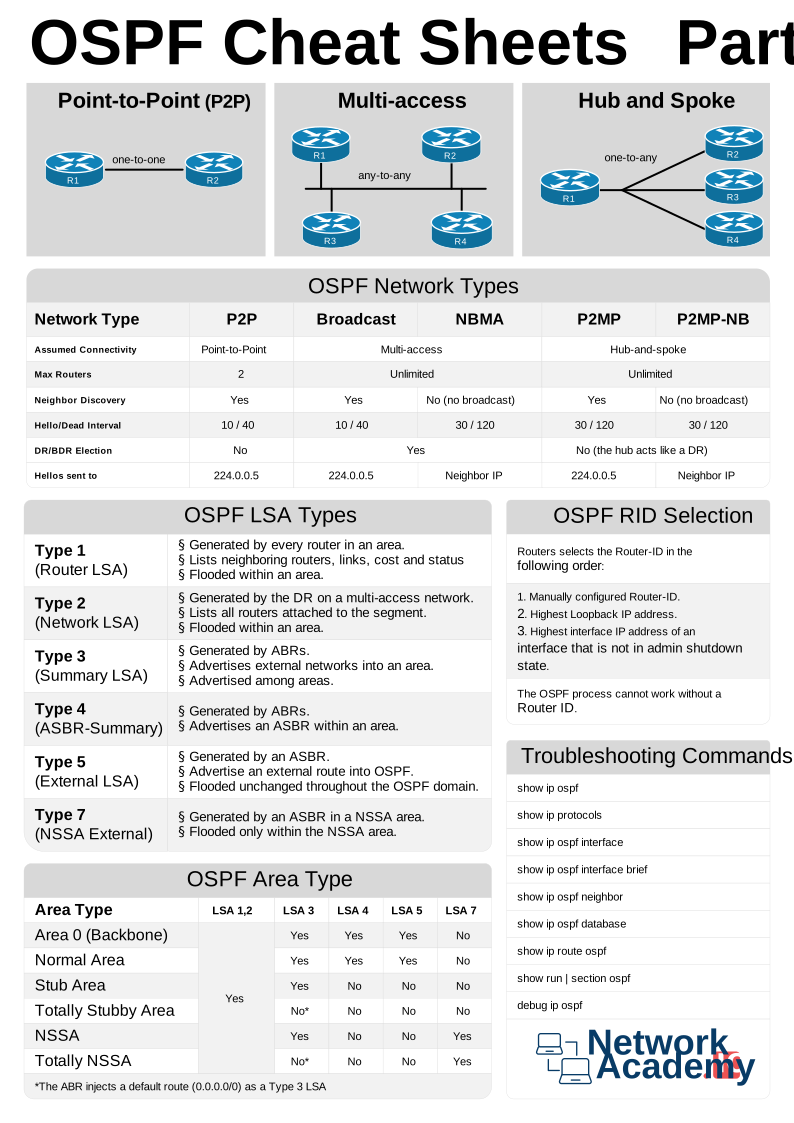
LAN: Local networks (school, home) WAN: Wide networks (Internet) PAN: Personal devices (Bluetooth) MAN: Metropolitan networks (city-wide) Extension: Explore network security differences