
Number Skills Mastery for Year 5
60-minute Maths lesson Building confidence with numbers Practical skills for everyday life
National Curriculum Links
Number recognition and place value up to 100 Addition and subtraction with concrete objects Solving problems in practical contexts Key Stage 2 Mathematics progression
Our Learning Goals
WALT: Recognise numbers up to 100 confidently WALT: Carry out simple addition and subtraction calculations practically WALT: Apply number skills to real-life contexts
Success Criteria
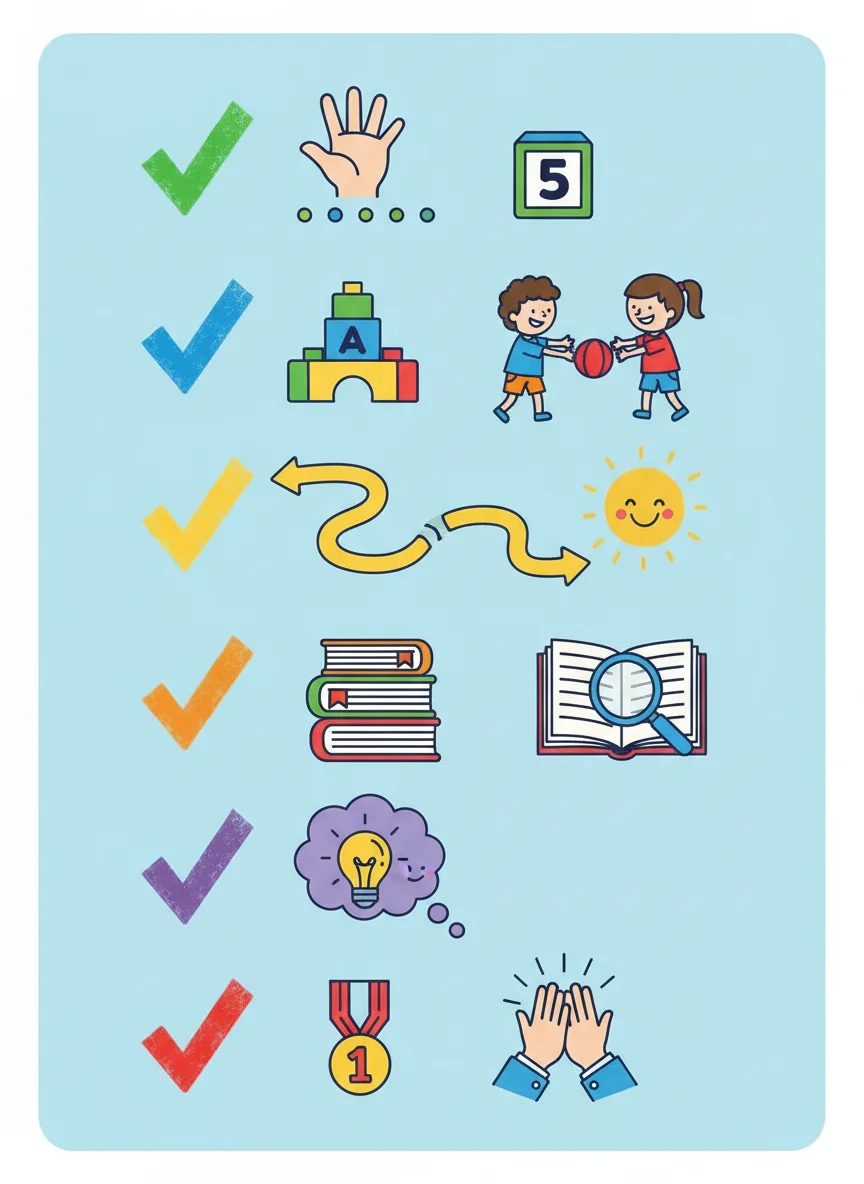
I can say and write numbers up to 100 accurately I can use objects and pictures to add and subtract correctly I can solve basic problems in everyday situations I can explain my thinking clearly

Resources and Tools
{"left":"Number cards (0-100) with dyslexia-friendly print\nCounters and cubes for hands-on calculation\nMini whiteboards and pens for practice","right":"Visual aids: number lines and symbol charts\nReal-life objects for word problems\nWorksheets with clear, simple layouts"}

Starter: Number Recognition Warm-up
Flash number cards for quick recognition Write numbers on mini whiteboards Use number line for visual support Clap and say numbers in rhythm

Main Activity: Practical Addition and Subtraction
Work in pairs with counters and number cards Demonstrate calculations step-by-step Start with simple problems like 7 + 3 or 10 - 4 Teacher support available throughout
Differentiation Strategies
Guided Practice: Real-life Problems
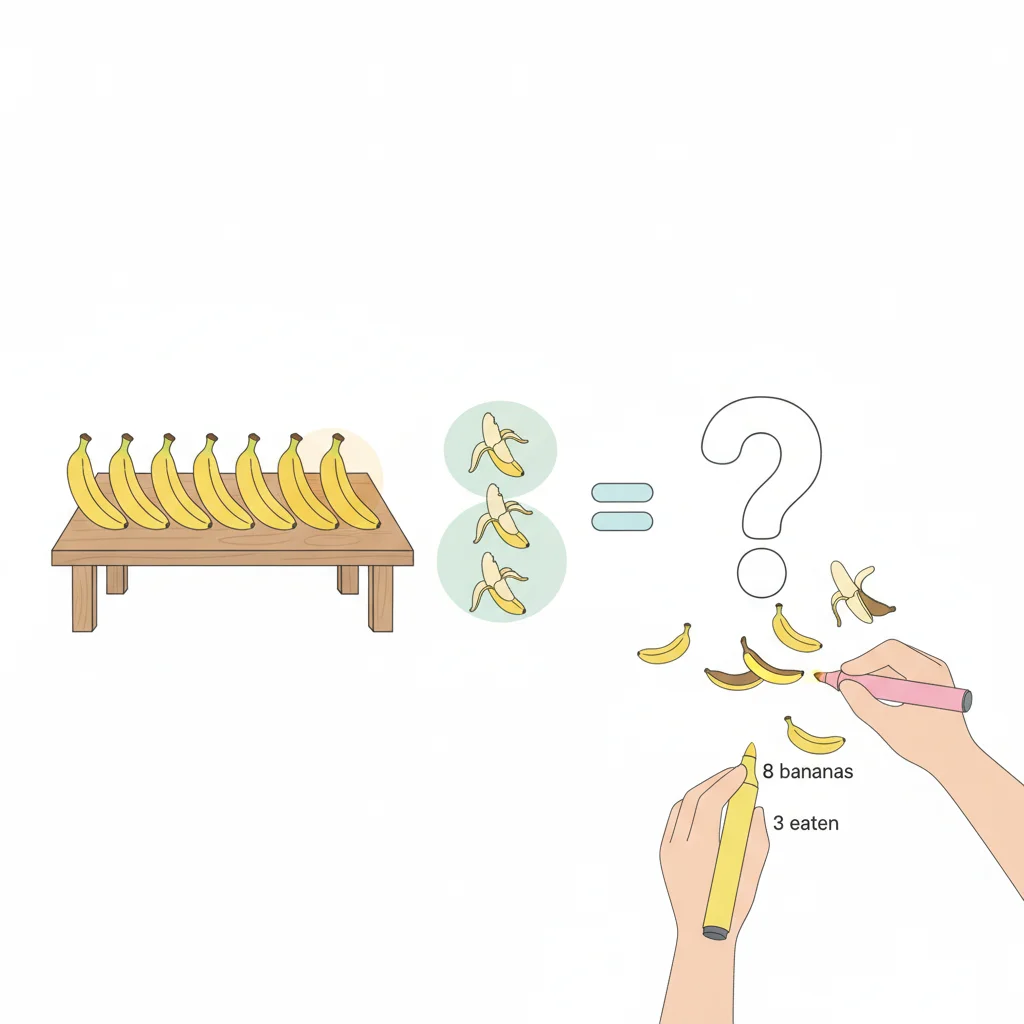
Solve word problems with pictures Underline key numbers and operation words Use counters or drawings to work out answers Share solutions with the class
Plenary: Number Detective Quiz
Teacher calls out addition and subtraction problems Show answers on mini whiteboards Explain your method to the class Quick feedback and celebration of learning
Assessment and Next Steps
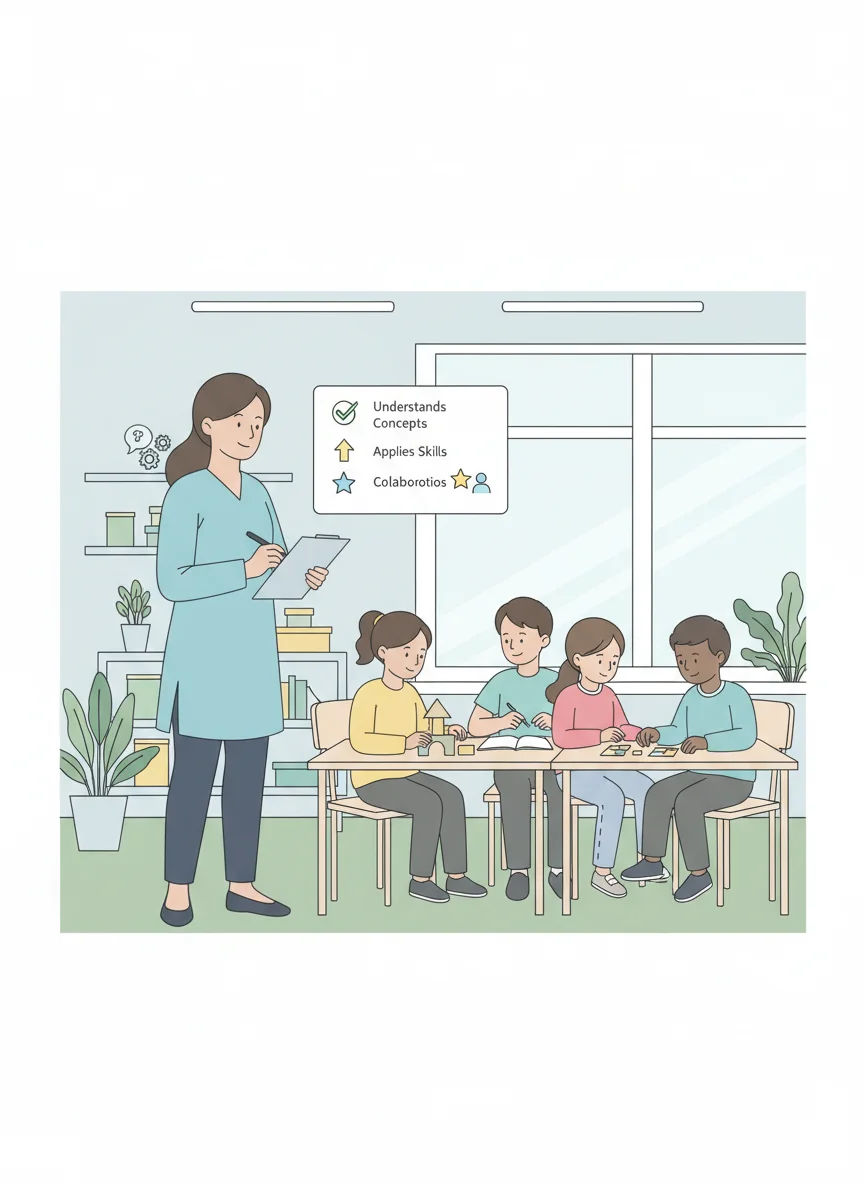
Observe students during activities Check whiteboard responses and worksheets Listen to oral explanations Note individual progress for future planning
Reflection and Looking Ahead
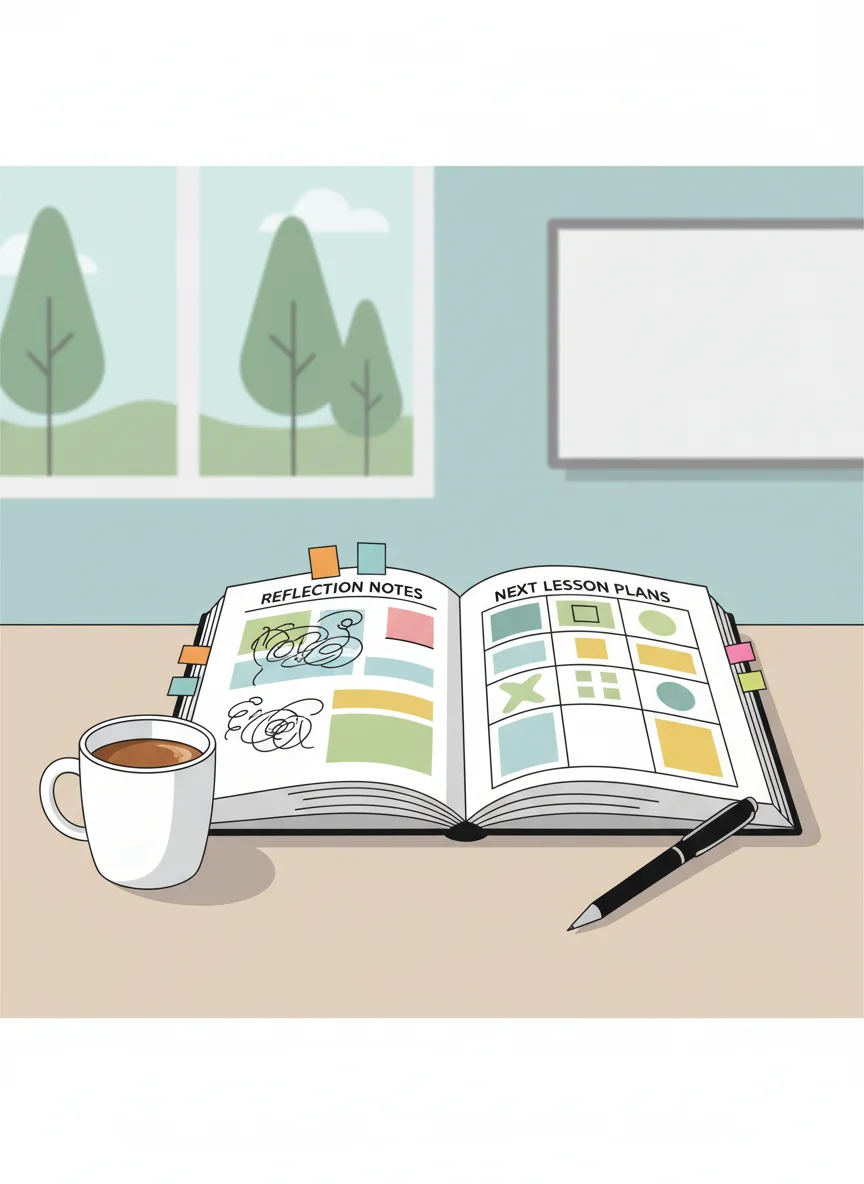
Identify students needing extra number practice Plan small group interventions if needed Next lesson: Introduction to multiplication Home learning: Practical number games with everyday objects